


- Breed category: Primitive type, village dog landrace (often described as a pariah-type dog)
- Country of origin: Malaysia (Telom River area, Peninsular Malaysia)
- Average height: About 38 to 48 cm (15 to 19 inches)
- Average weight: About 8 to 13 kg (18 to 29 pounds), reports vary by line and condition
- Average lifespan: Commonly reported around 12 to 15 years
- Grooming requirements: Low, occasional brushing
- Exercise requirements: Moderate to high, daily activity and enrichment
- Coat type: Short, smooth, dense
- Coat colours: Variable (often tan, red, sable, black, brindle, with possible white markings)
- Shedding level: Low to moderate
- Ear type: Erect
- Tail type: Often curled over the back
- Temperament (general): Alert, quick, independent, people-oriented with their own circle
- Training ease: Moderate, best with reward-based methods and consistency
- Original purpose: Hunting small prey and guarding, particularly controlling vermin
- Unique traits: Noted for climbing ladders into stilt houses and distinctive vocalisations
You might come across the Telomian after seeing a clip of a dog climbing a ladder, or hearing someone mention a “rare Malaysian breed” that does not quite fit the modern kennel club mould. It can feel like a contradiction at first: a dog that looks familiar in outline, but behaves in ways many pet owners do not expect.
Part of the confusion is that “Telomian” sits in a grey zone between a named breed and a local landrace. In other words, these dogs come from a particular place and way of living, shaped by function and environment more than show standards. That matters, because it changes what “typical” looks like, and it changes what an owner should plan for at home.1, 2
If you are considering one, or you are simply curious, it helps to think of the Telomian less as a novelty and more as a working village dog with a long relationship to people. The most interesting parts of the story are practical: why they climb, how they communicate, and what sort of care suits a dog that evolved alongside daily life rather than around a breed standard.
The Telomian’s roots in Malaysia
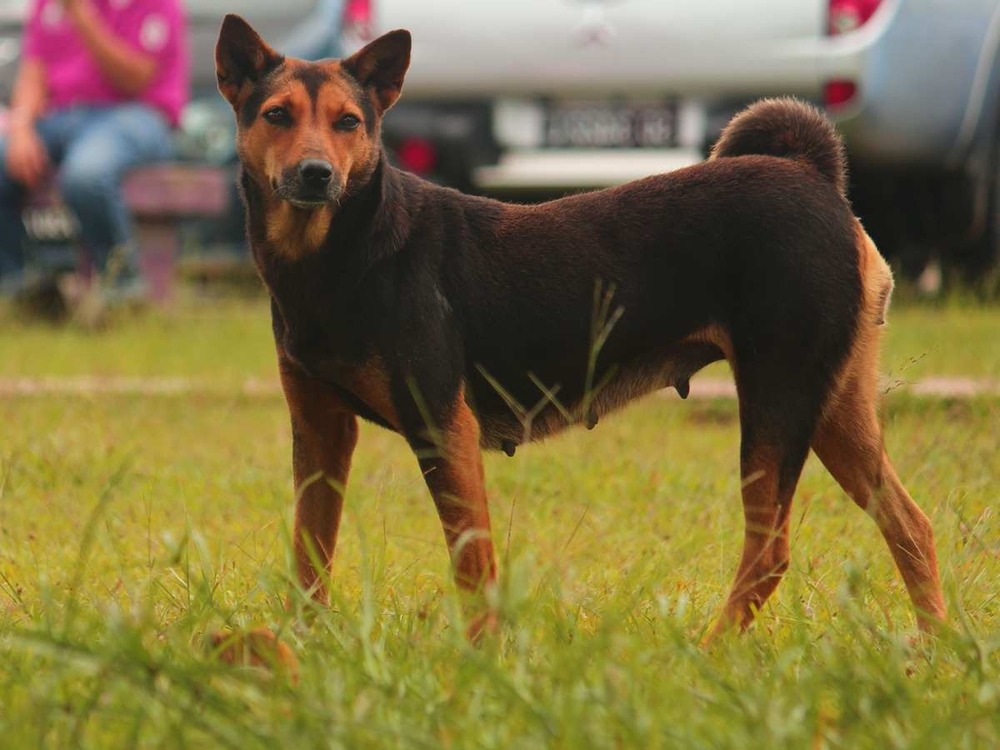
The Telomian is associated with villages near the Telom River in the rainforests of Peninsular Malaysia. These dogs were kept by Orang Asli communities and valued for everyday jobs, including alerting to danger and controlling pests such as rats and snakes.1, 2
One detail that tends to stick is the ladder story. In homes built on stilts, access could involve steep, simple ladders, and Telomians became known for climbing them. It is less “party trick” and more a reflection of what was normal in their environment, plus a dog’s ability to learn patterns that get them where they need to be.1, 2
Outside Malaysia, Telomians are still uncommon. Part of that is history. A small number were taken to the United States in the 1960s and 1970s for study, with later dogs in the US often tracing back to a very small founding group. That kind of bottleneck is one reason descriptions can vary and why sweeping claims about temperament or health should be taken carefully.1
Breed status, rarity, and why descriptions vary
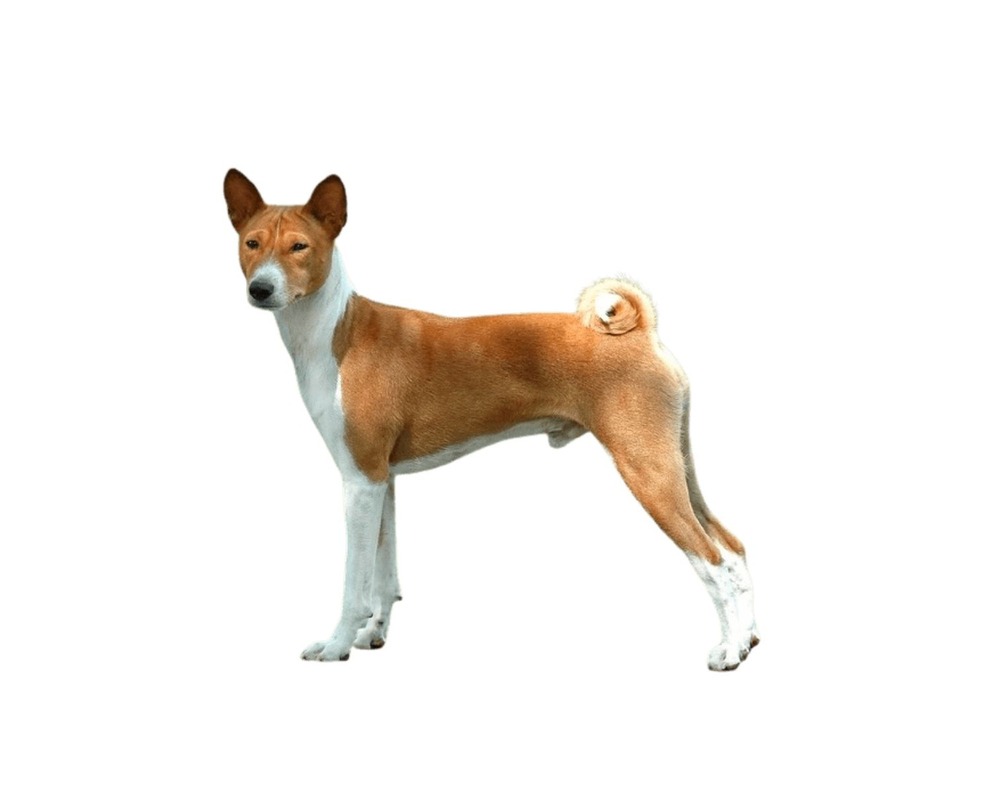
Many articles call the Telomian “one of the rarest breeds”, but it is more accurate to say it is rare outside its home region, and not consistently recognised by major international kennel clubs. Some Malaysian authorities have described Telomians as pariah-type village dogs rather than a formalised breed in the modern registry sense.1
This matters in day-to-day terms. A landrace does not always produce a uniform “template” dog. Size, coat colour, sociability, and prey drive can be more variable than people expect if they are used to heavily standardised breeds. When you read a profile that claims a single, fixed temperament, it is worth treating it as a starting point, not a promise.2
If you do ever meet a Telomian advertised for sale, ask gentle but specific questions: where the dog came from, what the parents are like, what socialisation the puppy has had, and what support the breeder (or rescue) offers. With rare dogs, good documentation and honesty are more important than a flashy label.
What Telomians tend to look like
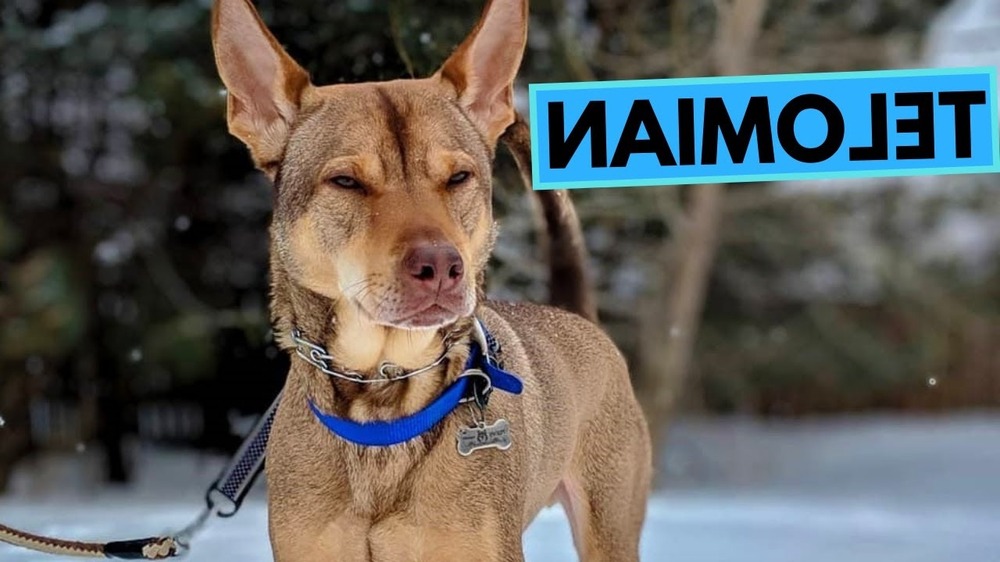
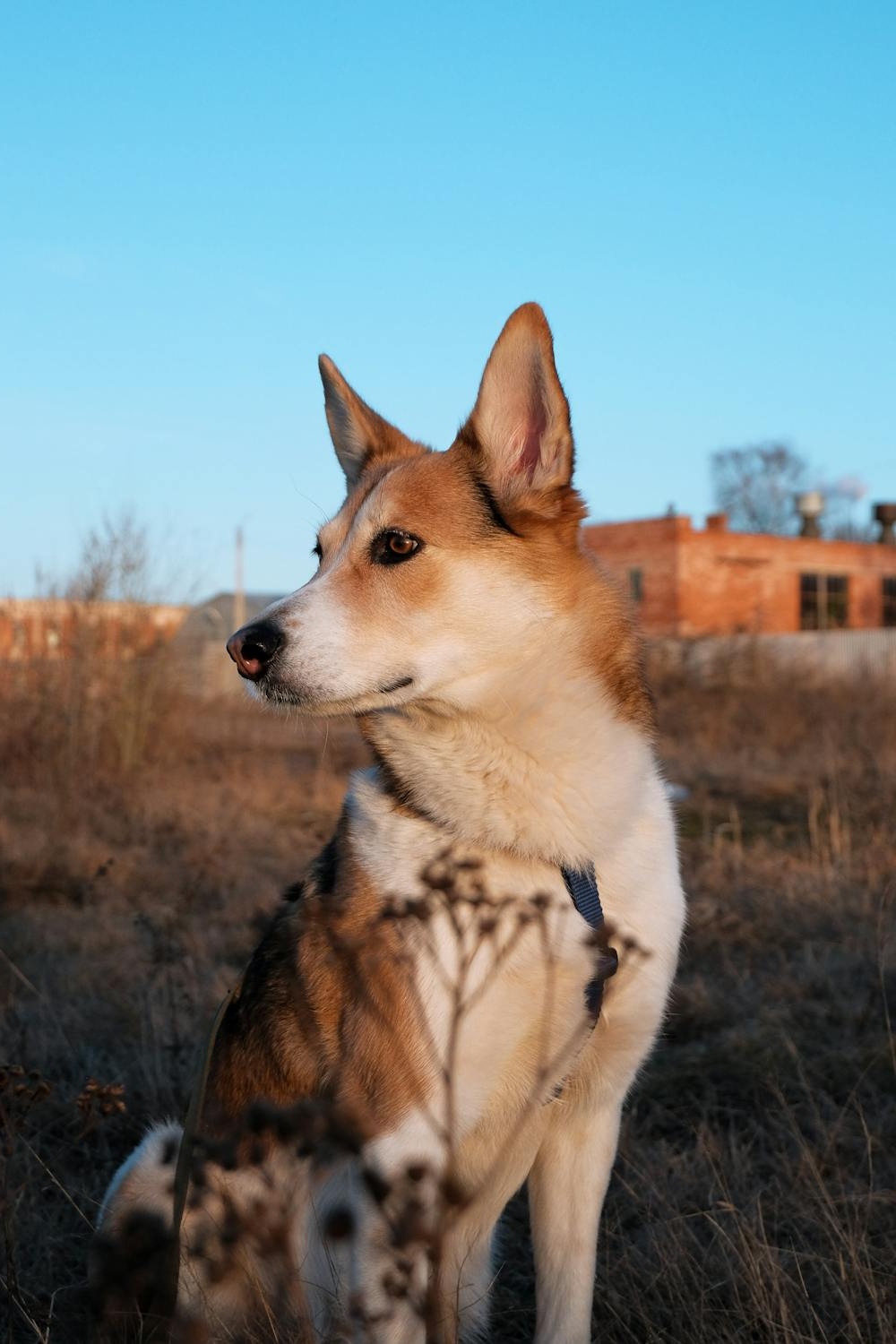
Most descriptions place the Telomian in a small-to-medium range, with an athletic, practical build, erect ears, and a tail that often curls over the back. The coat is typically short and easy-care, and colour can vary widely, including tan or red tones, darker coats, brindling, and white markings.1
Those physical traits fit a dog shaped by terrain and function. A short coat dries quickly in humid conditions and does not hold as much debris, while an agile body suits a life that involves scrambling over uneven ground and moving around raised homes.
People sometimes mention unusual details, such as a distinctive “call” rather than frequent barking, or very nimble paws. It is best to hold these as “reported tendencies” rather than guarantees, but they do show up often enough to be part of the Telomian’s public reputation.1
Temperament and family life
Telomians are often described as alert and intelligent, with a strong interest in their surroundings. That can be a joy in the right home, because you are living with a dog that notices things, learns quickly, and stays engaged. It can also be tiring if you expected a dog that happily switches off for long stretches.
In many landrace and primitive-type dogs, independence is not “stubbornness” so much as a history of solving problems without constant direction. If you enjoy training as a relationship, the Telomian profile can suit you well. If you prefer a dog that follows instructions on autopilot, you may find the learning curve steeper than expected.
With children and other pets, outcomes are usually less about the breed label and more about the individual dog, early socialisation, and management. A sensible approach is to assume the Telomian may have a meaningful prey drive, then plan introductions and supervision accordingly, especially with smaller animals.2
Training and enrichment that actually helps
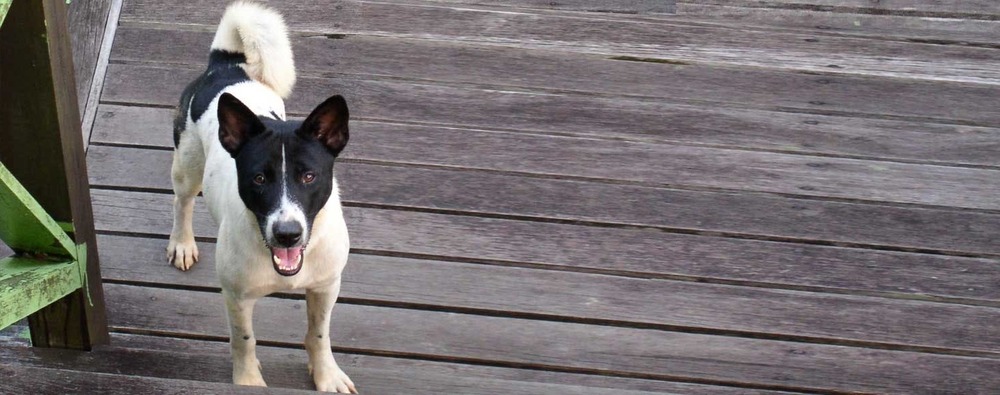
Reward-based training tends to work well for intelligent, environmentally aware dogs because it builds clarity without confrontation. The goal is not to “win” against an independent dog, it is to make the desired behaviour easy to understand and worthwhile to repeat.7, 8
Keep sessions short and practical. If your Telomian is the sort of dog that likes to climb, sniff, and investigate, you can use that to your advantage. Simple enrichment often does more than extra distance on a lead.
- Sniffing games (treat scatters in grass, find-it around the house)
- Food puzzles and slow feeders
- Basic agility foundations in a safe space (low jumps, balance work, body awareness)
- “Settle” training so the dog learns how to rest, not only how to go
If you see guarding behaviours, treat them as information. The dog is telling you what it finds important. A qualified trainer can help you shape that into calmer routines, rather than escalating it through punishment or intimidation.7, 8
Exercise and containment, especially if they climb
Most Telomian descriptions suggest moderate to high daily activity needs. A brisk walk is a start, but many dogs like this do best when exercise is paired with problem-solving and variety: new routes, safe off-lead time in secure areas, and structured play.
If climbing is part of your dog’s toolkit, it should change how you think about safety. Check fencing, gates, and anything that can be used as a “step”. Ladders, stacked firewood, outdoor furniture, and low sheds can become climbing routes. The aim is not to make your yard barren, just to reduce obvious launch points and supervise until you know your dog’s habits.
Inside the home, give the dog appropriate outlets. A stable platform, a crate trained kindly, or a designated mat can provide structure. For some dogs, predictable routines reduce restlessness more effectively than ever-increasing exercise.
Health considerations and everyday care
There is no widely agreed list of “classic Telomian diseases” in the way there is for some heavily standardised breeds. Many sources describe them as generally hardy, which fits the broader pattern seen in many village dog populations. Still, individual dogs can develop common canine issues like skin problems, dental disease, injuries, and age-related conditions, so routine veterinary care matters.
Because some Telomian populations outside Malaysia may trace back to a limited number of founders, it is worth asking about health screening, family history, and the dog’s early development. If a seller cannot answer basic questions, consider that a warning sign.
For grooming, a short coat usually means straightforward maintenance: a brush to lift dead hair, nail trims, ear checks, and dental care. In cooler climates, remember that short-coated dogs can feel the cold, particularly when resting. A warm bed and sensible winter management often matter more than a thick coat in the first place.
Feeding a Telomian without overcomplicating it
A balanced diet that suits the dog in front of you is the goal, not the trendiest ingredients list. Veterinary teams often recommend choosing diets that are complete and balanced for the dog’s life stage, then monitoring body condition and stool quality and adjusting as needed. The WSAVA nutrition resources are a useful way to think about food selection beyond marketing claims.6
Portion guides on bags are only a starting point. Activity level, desexing status, age, and metabolism all shift what your dog needs. If you are unsure, ask your vet to help you set a target weight and a plan to get there.
Also keep the basics of food safety in mind. Some human foods are genuinely dangerous for dogs, including chocolate, grapes and raisins, and onions and garlic.9, 10
Living with a Telomian, who it suits best
The Telomian tends to suit people who like a dog with opinions, athleticism, and curiosity. They often do well with owners who enjoy training in a modern, reward-based way, and who can provide daily enrichment rather than relying on the backyard to do the job.
They may not be the easiest choice for someone who wants a predictable, widely available breed with a large local support community. With rarer dogs, you are sometimes building your own network: a vet who listens, a trainer who understands primitive-type behaviour, and a plan for safe management in the real world.
If that sounds appealing, the Telomian can be a quietly remarkable companion. Not because it is rare, but because it reflects a different kind of partnership between people and dogs, one shaped by place, practicality, and the small routines of daily life.
References
- Wikipedia: Telomian
- PETBOOK: Telomian, Malaysia’s rare climbing dog
- Petchef.my: Telomian breed characteristics
- Hepper: Telomian Dog Breed, info and care guide
- PetPremium: Telomian breed overview
- WSAVA: Global Nutrition Guidelines
- RSPCA Australia: The do’s and don’ts of training your dog
- RSPCA Knowledgebase: Reward-based dog training
- American Veterinary Medical Association (AVMA): Household hazards for pets
- PetMD: Dog chocolate toxicity, what to do if your dog ate chocolate