

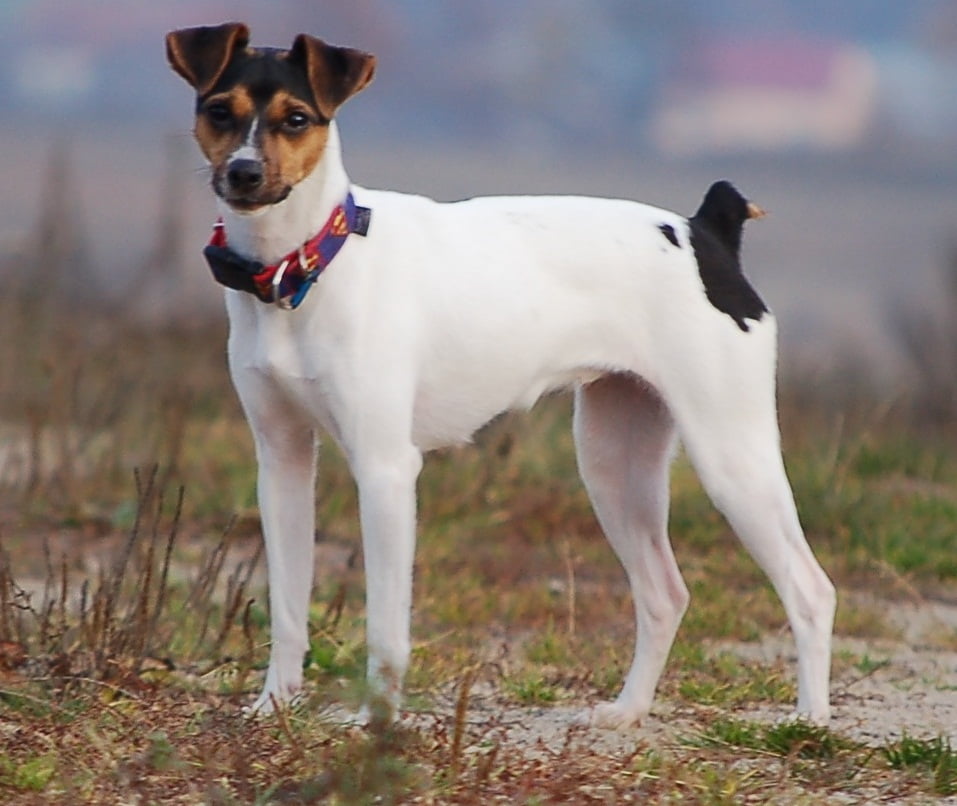
You might come across a Terrier Brasileiro after noticing a small, bright-eyed dog that seems to be everywhere at once, quick on its feet, quick to notice changes in the environment, and very ready to join in. People often assume that kind of energy means a dog that cannot settle, or that terriers are automatically “too much” for family life. In practice, it is usually more about how their day is structured than any single personality label.
The Terrier Brasileiro, sometimes called the Brazilian Terrier or “Fox Paulistinha”, was shaped to be useful on farms and in busy households. That background still shows up today: they tend to be alert, agile, and responsive, with a strong interest in what is happening around them. When their needs are met, many owners describe them as easy to live with, affectionate without being clingy, and surprisingly adaptable in smaller homes.
What matters is understanding what this breed is built for, and setting up routines that support good behaviour: outlets for movement, sensible training, and calm boundaries that make it easier for a lively dog to switch off.
- Breed category: Terrier
- Country of origin: Brazil
- Typical height: around 35 to 40 cm at the withers
- Typical weight: around 6 to 10 kg
- Coat: short, smooth
- Common colours: predominantly white with black, brown, blue, or isabella markings, often with tan points
- Energy level: high
- Grooming: low, occasional brushing
- Typical lifespan: around 12 to 14 years (varies by individual care and genetics)
Where the Terrier Brasileiro came from
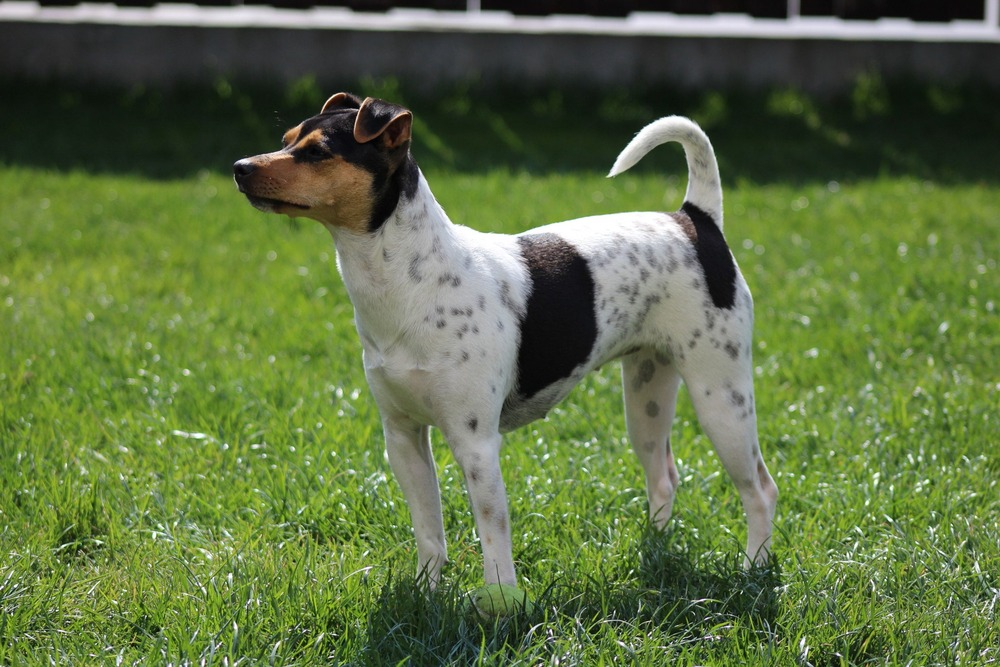
The Terrier Brasileiro is recognised by the Federation Cynologique Internationale (FCI) as a Brazilian breed in the Terrier group. The breed was accepted on a provisional basis in March 1995, and later recognised on a definitive basis in May 2007. The current FCI page also lists more recent standard publication dates, which is a helpful reminder that breed standards can be updated over time.1
Most accounts of the breed’s development describe a practical, working origin rather than a single “inventor”. European terrier types came to Brazil with families and workers, and over generations the dogs that best suited local conditions were kept and bred. The result is a small-to-medium terrier built for stamina, quick turns, and staying engaged with its handler and environment.1, 2
In modern life, that history is less about hunting, and more about the kind of companion you are getting: a dog that often enjoys learning, notices patterns, and can become bored if every day looks the same. If you like a dog that meets you halfway, with spark and initiative, this breed can be a good fit.
Temperament in real homes

Terriers are often described as bold and busy, and the Terrier Brasileiro is no exception. They are commonly lively, curious, and ready to engage. That does not automatically mean “yappy” or “difficult”, but it does mean they tend to do best with owners who enjoy being involved and who can provide daily movement plus mental work.
Many are friendly with familiar people and can be social with visitors once they have had a chance to settle and assess what is happening. As with any alert breed, it helps to assume that barking is communication first. The goal is not to suppress it completely, but to teach what you want instead, for example going to a mat when the doorbell rings.
With children
The Terrier Brasileiro can suit family life, particularly when children are taught to give the dog space during rest, meals, and high-excitement moments. Supervision still matters, not because the breed is “bad with kids”, but because small, fast dogs can be easily overwhelmed by rough handling or unpredictable play.
With other pets
Early, thoughtful introductions make a big difference. Many Terrier Brasileiros live well with other dogs. With smaller pets, take extra care: terriers are often interested in fast-moving animals, and management may be needed even with good training.
Training and socialisation that actually helps

There is a common misconception that training is mainly about control. With this breed, training is also a form of enrichment. A Terrier Brasileiro that learns how to move through the world calmly is often a dog that is getting enough feedback, practice, and reward for the behaviours you want.
Reward-based methods are widely recommended for puppies and adult dogs. They help build clarity and confidence without adding unnecessary pressure to a dog that is already alert and quick to react.3
The socialisation window
RSPCA guidance describes a critical socialisation period for puppies, broadly between about 3 and 17 weeks of age. Experiences during this stage can have long-lasting effects, so it is worth being deliberate: gentle exposure to surfaces, sounds, handling, friendly people, and safe dogs, all paired with good outcomes.4
A useful approach is to prioritise quality over quantity. One calm, positive experience is often more valuable than several rushed ones that leave the puppy overstimulated.
Practical training focus
- Settle skills: mat training, quiet chew time, and short “do nothing” moments that teach switching off.
- Recall and lead walking: consistent reinforcement and low-distraction practice before expecting reliability.
- Noise and visitor routines: teach an alternative behaviour (go to bed, find a toy) rather than only saying “no”.
Exercise and enrichment, not just “more walking”
The Terrier Brasileiro is athletic, and many individuals enjoy running, chasing toys, and learning active games. Daily walks matter, but so does variety. This is a breed that often thrives when exercise is paired with problem-solving.
Consider mixing physical activity with short training sessions, scent games, or simple agility-style work (even in a backyard). A good rhythm for many terriers is: move the body, then settle the mind.
If you live in an apartment, it can still work, but the margin for error is smaller. On days where walks are rushed or skipped, expect the dog to find its own entertainment. That is when you may see more barking, bouncing, or destructive curiosity. Planning ahead with structured outlets is kinder for everyone.
Health notes and sensible prevention

No breed is completely free of health risk, even those often described as “generally healthy”. For smaller, active dogs, one condition vets commonly discuss is patellar luxation, where the kneecap moves out of its normal position. Signs can include a skipping gait or brief three-legged running that resolves suddenly.5
This does not mean your dog will develop the problem, and it is not specific to the Terrier Brasileiro. It is simply one reason why routine checks, keeping dogs lean, and paying attention to movement changes are practical, everyday prevention.
What to do if something feels “off”
- Book a veterinary exam if you notice limping, repeated skipping steps, or stiffness after exercise.
- Ask your vet about weight targets and body condition scoring.
- Keep exercise steady rather than boom-and-bust weekends.
Coat care and grooming

The short, smooth coat is one of the easy parts of living with this breed. Occasional brushing helps lift loose hair and supports skin health. Most of the grooming effort is really basic maintenance: nails, ears, teeth, and checking the coat after outdoor play.
Shedding is usually manageable, but it can still be noticeable in a small home. A quick brush and a regular wash of bedding often makes more difference than frequent bathing.
If your dog feels the cold, adjust expectations rather than blaming the dog for being “soft”. Some individuals benefit from a coat on winter walks and a warm sleeping spot. Comfort supports good behaviour, and comfort is also care.
Feeding and nutrition, without getting lost in internet advice
Active little dogs can look as if they “burn off everything”, but they can still gain weight easily if treats and extras creep in. Portion control matters, and it is worth basing choices on a complete diet that suits life stage and activity.
WSAVA nutrition resources note that pet food marketing and ingredient lists can be misleading, and encourage owners to use more meaningful measures of diet quality. If you feel stuck, your vet is the best person to help you select an option that is nutritionally complete and realistic for your household.6
Foods to keep out of reach
Many everyday foods are unsafe for dogs. RSPCA guidance highlights risks including chocolate, grapes and raisins, and allium family foods such as onions and garlic, as well as cooked bones that can splinter.7
If you suspect your dog has eaten something harmful, treat it as a veterinary question, not a wait-and-see situation. Quick action is often the difference between a straightforward fix and a harder recovery.
Living with a Terrier Brasileiro, what owners often notice
People who enjoy this breed tend to appreciate the way it stays engaged. The Terrier Brasileiro often wants to participate: in training, in play, in family movement through the house. It can be a lovely match for someone who likes an interactive dog.
The flipside is that boredom can look like mischief. If you are choosing between “more rules” and “more appropriate outlets”, the second option is usually the one that brings the household back to calm.
If you are meeting the breed for the first time, try to look beyond the terrier stereotypes. This is often a bright, practical companion, and with routine and guidance, many settle into daily life with far less drama than people expect.
References
- Federation Cynologique Internationale (FCI): Terrier Brasileiro (Breed No. 341)
- CBKC (Confederação Brasileira de Cinofilia): Brazilian breeds list (includes Terrier Brasileiro)
- RSPCA Australia: Here’s how to care for your puppy (reward-based training guidance)
- RSPCA Knowledgebase: Is socialising my puppy important?
- VCA Animal Hospitals: Luxating Patella in Dogs
- World Small Animal Veterinary Association (WSAVA): Global Nutrition Guidelines
- RSPCA Australia: Household dangers to your pet (including toxic foods)
- CBKC: Padrão da Raça (PDF) for Terrier Brasileiro
- RSPCA Pet Insurance: Fruit and vegetables to avoid feeding your dog