

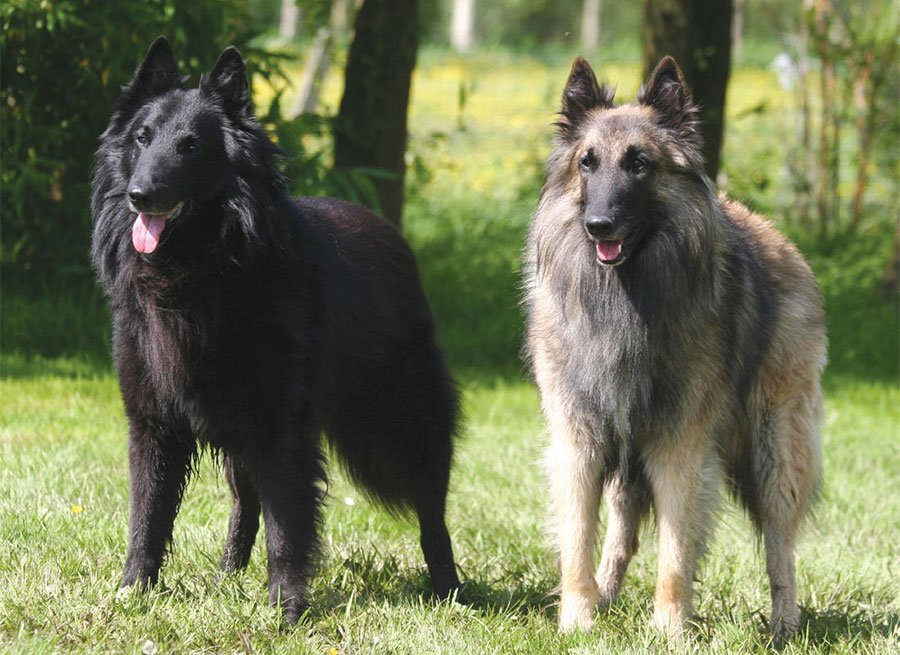
People often first notice a Tervueren or Groenendael because of the silhouette: upright ears, a long coat that moves like a cloak, and that steady, watchful way they take in a new place. They can look calm and effortless at rest, which sometimes leads to an easy assumption that they will be “straightforward” at home.
Living with one tends to teach a different lesson. These are dogs bred to work close to people, make decisions quickly, and stay switched on for long stretches. When their days are too small, or their routine is a bit thin, that unused capacity has to go somewhere, often into pacing, barking, problem solving, or inventing jobs the family did not ask for.
Handled thoughtfully, though, they can be remarkable companions. The point is not to “wear them out” so much as to build a life that suits a bright, athletic shepherd, with training, social exposure, and enough meaningful activity to keep the dog steady and the household relaxed.
Breed snapshot: Tervueren and Groenendael at a glance
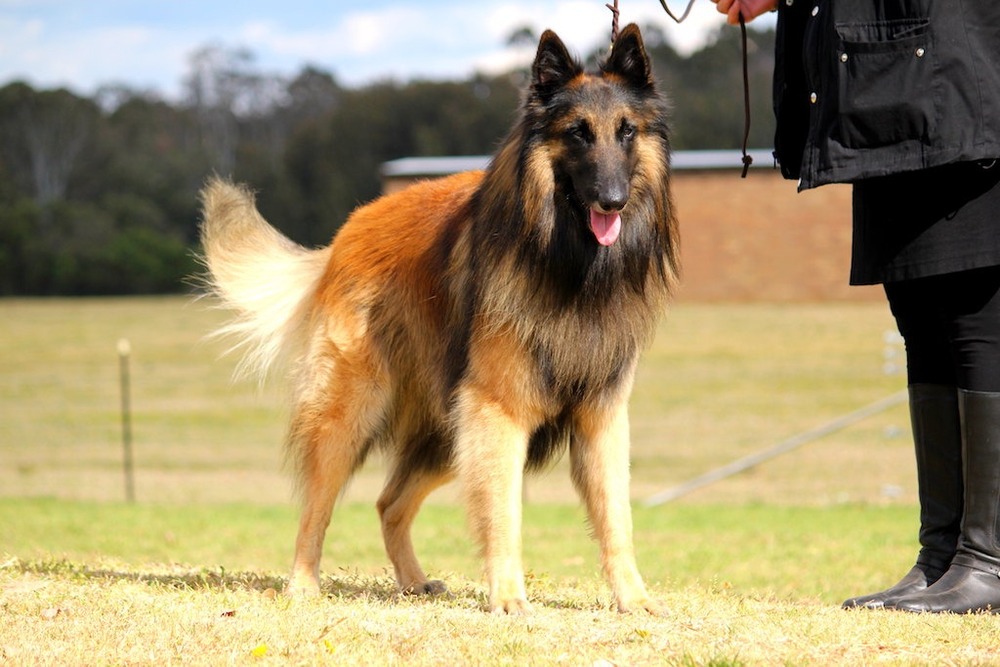
Tervueren and Groenendael are two long-coated varieties of the Belgian Shepherd Dog. In practice, many of their care needs are similar, and the differences you will notice day to day are mostly coat colour and the individual dog in front of you.1, 2
- Group: Herding and pastoral-type working dogs
- Size: Males typically 60 to 66 cm, females 56 to 62 cm
- Weight: Often around 25 to 30 kg (males) and 20 to 25 kg (females), depending on build
- Coat: Long, double coat. Seasonal shedding can be heavy
- Colour: Groenendael is black. Tervueren is fawn, red, or grey with a black overlay and mask (exact shade varies)
- Temperament: Typically alert, quick to learn, and closely bonded to their people when well raised and well managed
Where they come from, and why it still matters
Belgian Shepherd Dogs developed as practical farm and herding dogs, shaped for responsiveness, endurance, and the ability to work in partnership with a handler. The FCI recognises four varieties, differentiated largely by coat type and colour, with Groenendael and Tervueren being the long-coated varieties most people picture first.2, 3
That working origin is not just history. It is the reason many of these dogs are quick to notice movement, quick to learn patterns, and quick to become “helpful” in ways that can overwhelm a busy household. A calm adult Belgian Shepherd is usually the product of structure and practice, not simply age.
Coat, colour, and what you will notice day to day
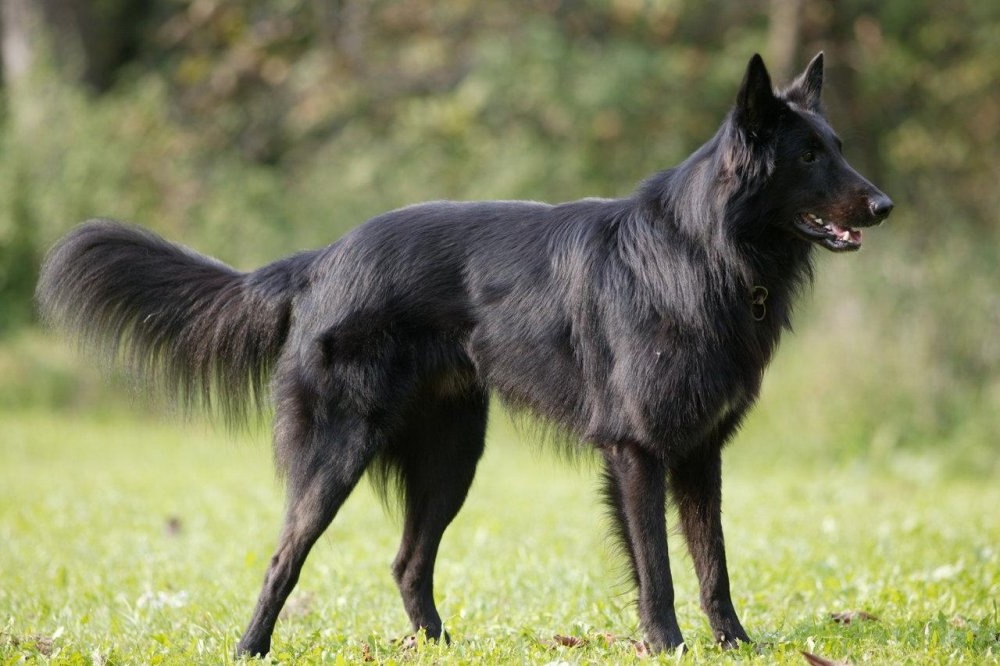
Both varieties are elegant, medium-to-large dogs with a dry, athletic build. Their coat is double layered, which is helpful in cold weather but can be challenging in heat, especially when humidity is high or exercise is intense.1
The Groenendael is black. The Tervueren is typically fawn to red-brown or grey, with black overlay and a black mask. Coats can deepen and shift as the dog matures, so a youngster may not show the full overlay you will see later.4
It is worth setting expectations early: if you want a “wash and wear” dog, these are not it. If you like the ritual of coat care, and you value a dog who looks like a proper working shepherd, their grooming can feel like part of the relationship.
Temperament: bright, watchful, and easily shaped by experience

Well-bred and well raised Belgian Shepherds are often intensely observant. They tend to notice changes in routine, new sounds, and unfamiliar people quickly. That is not “bad behaviour”, it is a normal feature of a dog designed to work and to monitor its environment.
What matters most is how that alertness is guided. Early socialisation and ongoing exposure to everyday life, visitors, other dogs, and different environments helps many individuals develop a steadier baseline. Without it, some dogs can become wary or over-responsive, particularly in busy suburban settings.
In family life, many do best when they are included in the household rhythm. They are rarely satisfied as a backyard dog. Think of them as a companion who needs a job and a plan, even if that “job” is structured training, regular sport, and predictable down time.
Training that suits the dog you have
These dogs are often highly trainable, but “easy” can be misleading. Fast learners can also rehearse mistakes quickly if the household is inconsistent. Short, regular sessions and clear criteria usually beat long drills, especially for young dogs.
In Australia, many reputable trainers favour reward-based methods for building reliable behaviour while protecting the dog’s confidence. Positive reinforcement approaches are widely recommended because they can reduce problem behaviours and support learning without adding unnecessary stress.5
Useful priorities in the first year include:
- Calmness skills (settle on a mat, relaxed crate time, switching off indoors)
- Polite greetings and handling for grooming and vet visits
- Loose lead walking and impulse control around movement
- Thoughtful social exposure, not forced interaction
Exercise and enrichment: more than just kilometres
Belgian Shepherds generally need daily activity, but the goal is not to run them into the ground. The better target is a mix of physical exercise, skill building, and decompression time. A long walk alone can leave a very fit, very under-stimulated dog.
Many enjoy structured outlets such as obedience, tracking, scent work, agility, and herding where available. Even at home, small routines can make a big difference: a short training session, a food puzzle, then a settle, repeated across the week, often produces a calmer dog than occasional “big days out”.
If you live in a smaller space, it can still work, but only if you are realistic. Apartment living is less about floor area and more about whether you can provide consistent daily work plus enough quiet recovery time.
Heat management: long coats and Australian summers
Because these dogs carry a substantial coat and like to keep moving, it is sensible to plan around heat. On hot days, adjust exercise to early morning or later evening, provide shade and cool water, and be cautious with high-intensity play.
Heatstroke can escalate quickly. Common warning signs include heavy panting, drooling, agitation, vomiting or diarrhoea, weakness, wobbliness, and collapse. If you suspect heatstroke, begin cooling with cool or tepid water and seek veterinary care urgently. Avoid ice-cold water or ice, which can make things worse.6, 7
Grooming and shedding: the practical reality
Expect regular brushing, and expect seasonal coat blow. Weekly grooming is a reasonable baseline for many households, with more frequent brushing during shedding periods to prevent matting and to reduce the amount of coat that ends up in the house.
A routine that suits many owners is:
- Line-brushing once or twice a week (more during coat blow)
- Checking ears, nails, and paw pads as part of grooming
- Bathing only as needed, then thorough drying to avoid skin irritation
If grooming becomes a wrestling match, treat it as a training project, not a personality flaw. Many dogs learn to enjoy it when handling is taught gradually and rewarded.
Health: what to watch for, and how prevention actually works
Like many medium-to-large working breeds, Belgian Shepherds can be affected by hereditary and complex conditions. Two issues often discussed are hip dysplasia and epilepsy, although any individual dog may never experience either. Choosing a breeder who health-tests and who can speak clearly about family lines is a practical starting point, alongside regular veterinary care.
Hip dysplasia is a developmental condition linked to joint laxity and later arthritic change. Genetics are a major risk factor, and rapid growth and excess weight can make outcomes worse. If your dog shows stiffness, reluctance to jump, bunny-hopping gait, or hindlimb lameness, it is worth discussing assessment with your vet.8
For epilepsy or seizure-like events, timely veterinary assessment matters. Not every collapse is a seizure, and not every seizure means lifelong medication, but early documentation and a proper work-up helps clarify what is happening and what support is needed.9
Choosing a puppy, or adopting an adult
If you are drawn to these dogs because they look beautiful and “loyal”, pause and consider what your weeks really look like. A Belgian Shepherd is usually happiest with predictable training, active outings, and a home that notices small changes in behaviour early.
When speaking with breeders or rescue groups, ask about:
- How the dog responds to strangers and novel environments
- Handling and grooming tolerance
- Noise sensitivity and reactivity around fast movement
- Health testing, and what support is offered after purchase or adoption
Adult dogs can be a wonderful option, especially if you want a clearer picture of temperament and energy. They still need training, but you are no longer guessing which way a puppy will mature.
Living well with a Tervueren or Groenendael
These dogs tend to thrive when their world makes sense: clear routines, fair training, enough activity to meet their working heritage, and enough calm to recover. They are not a casual choice, but they are also not “too much” for everyone.
If you like training, enjoy being outdoors, and want a dog who will notice you and work with you closely, a Tervueren or Groenendael can be a very rewarding companion. The best results usually come from a simple mindset: build the dog’s life on purpose, rather than hoping things will settle on their own.
References
- Dogs Victoria: Belgian Shepherd Dog (Tervueren) breed information
- Federation Cynologique Internationale (FCI): Belgian Shepherd Dog (No. 15) nomenclature and standard details
- Dogs Australia: Belgian Shepherd Dog (Tervueren) overview
- The Kennel Club (UK): Belgian Shepherd Dog (Groenendael) breed standard
- RSPCA Pet Insurance (Australia): Positive reinforcement training
- RSPCA Pet Insurance (Australia): Heatstroke and hyperthermia in dogs
- RSPCA Australia: Keeping your pet safe during heat
- American College of Veterinary Surgeons (ACVS): Canine hip dysplasia overview
- Royal Veterinary College (RVC): About epilepsy in pets