

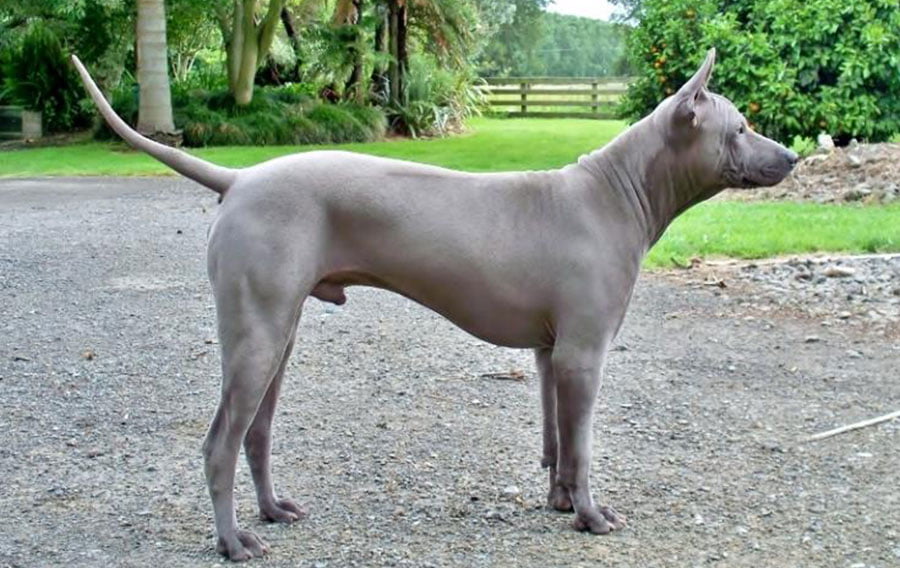
You might first notice a Thai Ridgeback because something about the dog looks “drawn with a ruler”, the clean lines, the upright ears, the tight coat, and that unmistakable strip of hair along the spine that runs the “wrong” way. Or you may have met one at the park and found the interaction a little different to what you’re used to, watchful rather than bubbly, athletic rather than biddable.
It is tempting to assume that a short-coated dog will be easy, low-maintenance, and suited to most homes. With Thai Ridgebacks, the coat is the simple part. The bigger story is their primitive breed background: a dog shaped by function, independence, and a long history of doing real work alongside people, without being moulded for constant social ease.
For the right household, this can be a deeply satisfying companion, observant, capable, and quietly loyal. For the wrong fit, the same qualities can show up as frustration, escape attempts, or a dog that simply does not cope with boredom. Understanding what sits underneath the ridge helps you make kind, practical choices.
Thai Ridgeback at a glance
Country of origin: Thailand1
FCI group: Group 5 (Spitz and primitive types), Section 7 (primitive type, hunting dogs)1
- Height: males about 56 to 61 cm, females about 51 to 56 cm (breed standard ranges)1
- Weight: often around 16 to 34 kg depending on sex and build3
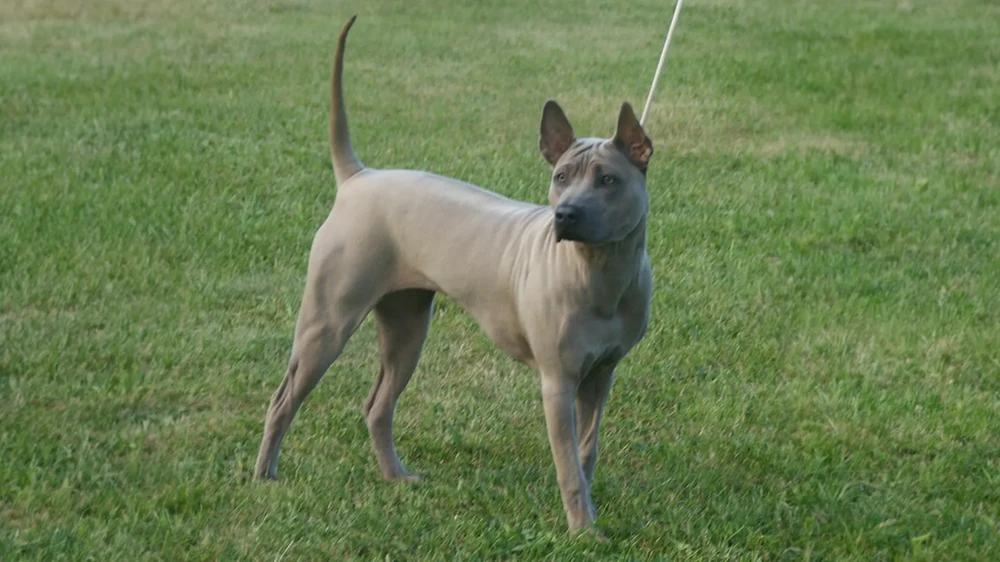
- Coat: short and smooth, with a ridge of hair growing in the opposite direction along the back1
- Common colours: red, black, blue, and very light fawn (isabella), depending on standard and registry1
- Typical lifespan: often cited around 12 to 15 years (varies by individual and care)2, 6
Origins, history, and what “primitive” can mean in daily life
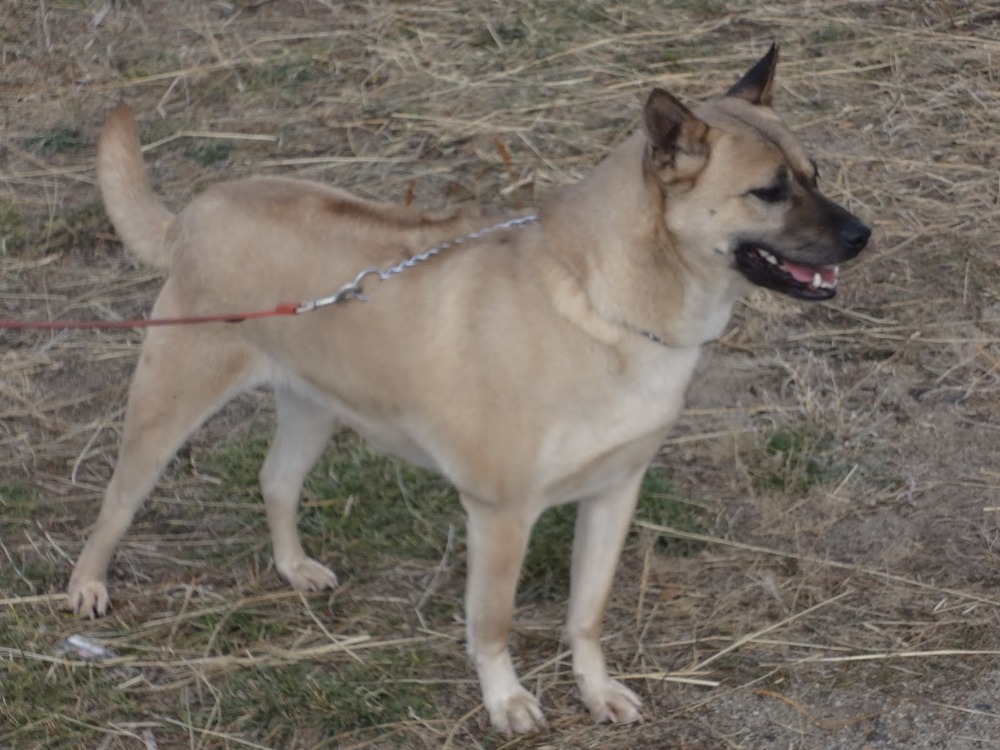
Thai Ridgebacks developed in Thailand and are recognised by the FCI as a primitive type hunting dog.1 In plain terms, “primitive” here does not mean poorly behaved or less intelligent. It points to a type of dog that has retained more of its original, self-directed traits, compared with breeds that were heavily selected for close cooperative work and easy compliance.
The FCI breed standard describes historical use in the eastern part of Thailand for hunting, guarding, and escorting carts, and notes that limited transport and relative isolation helped preserve type over time.1 That background tends to show up today as independence under pressure. Many Thai Ridgebacks notice the environment first and look to their person second, which can be brilliant in the right hands and challenging in the wrong setting.
If you enjoy a dog that can hike, problem-solve, and settle quietly once their needs are met, this heritage can be a good match. If you want a dog that happily greets every stranger and reliably chooses you over the world, you may find the breed’s “thinking for itself” quality surprising.
The ridge, the coat, and the body underneath
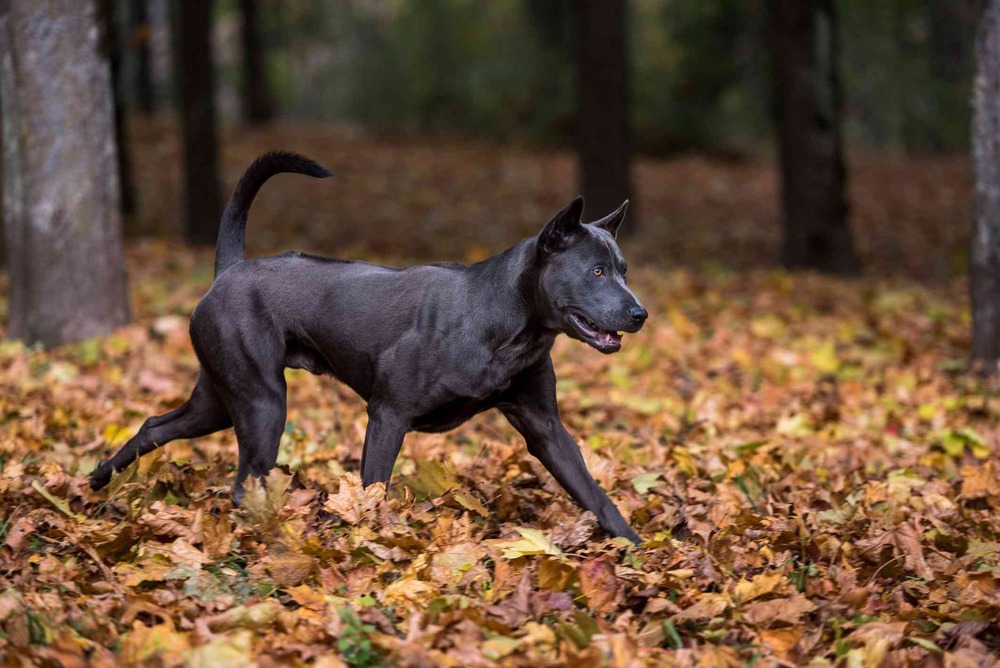
The ridge is formed by hair growing in the opposite direction along the spine, and it is a defining feature of the breed in major standards.1 Thai Ridgebacks are typically muscular and athletic, built for efficiency rather than bulk. Their coat is short, which makes grooming fairly straightforward, but also means they may be less comfortable in cold, wet weather than double-coated breeds.2, 6
One nuance worth knowing is that the ridge trait has a genetic association with dermoid sinus in ridgeback breeds. A well-known study identified a duplication involving fibroblast growth factor genes linked to the ridge and a predisposition to dermoid sinus in Rhodesian and Thai Ridgebacks.7 This does not mean every ridged dog will be affected, but it is part of why responsible breeding and early puppy checks matter.
Temperament and social life: loyalty, reserve, and realistic expectations
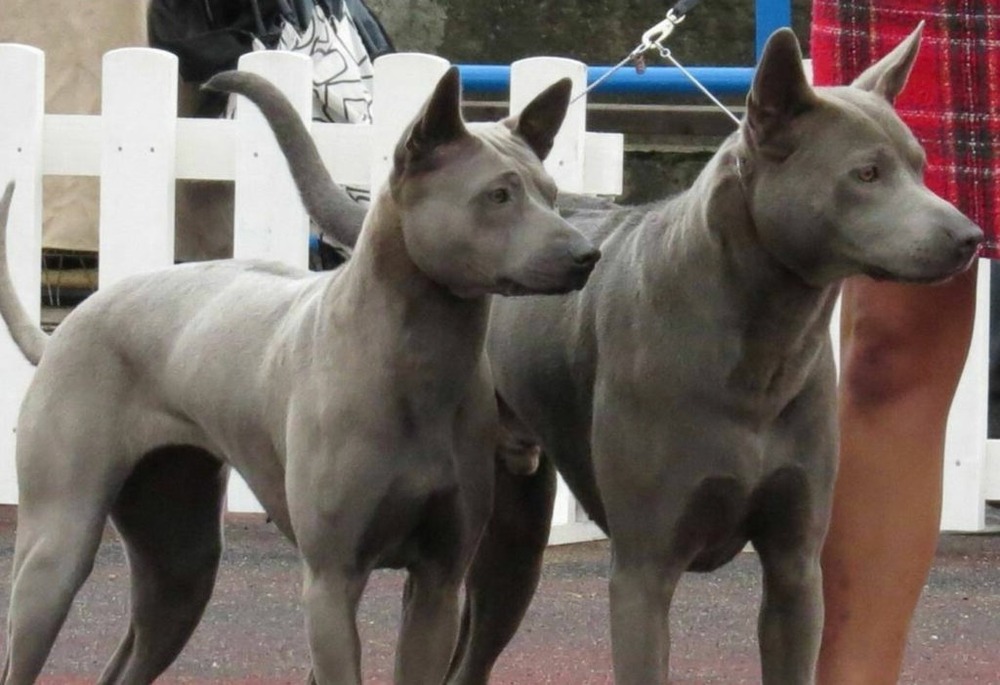
Well-bred Thai Ridgebacks are often described as smart, devoted to their people, and somewhat reserved with strangers. Many have a strong prey drive and can be inclined to chase smaller animals, particularly if that tendency is rehearsed and rewarded through repetition.2
In a family setting, this can look like a dog that keeps an eye on the perimeter, chooses a favourite spot with a view, and takes time to warm up to visitors. For some households, that feels calm and steady. For others, it can feel like the dog is “not friendly”, when it may simply be selective about contact and more comfortable with predictable routines.
With children, the usual common-sense rules apply. Supervision, respectful handling, and giving the dog a quiet retreat matter more than any breed label. If you are bringing a Thai Ridgeback into a home with other pets, careful introductions and management are important, especially with small animals that may trigger chase behaviour.2
Training that suits the breed: structure, reinforcement, and early socialisation
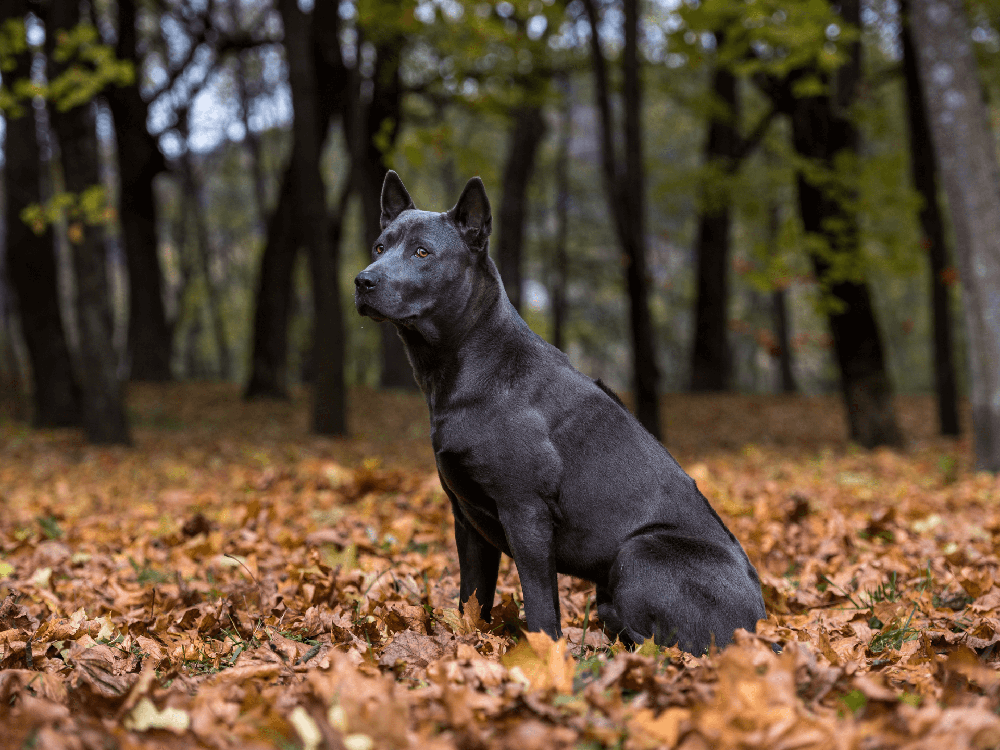
Training a Thai Ridgeback is often less about “teaching tricks” and more about building habits: checking in, walking nicely on lead, settling, and coping with everyday frustrations. Many do best with reward-based training that is clear, consistent, and respectful of the dog’s threshold for pressure.8
Socialisation is a major part of that foundation. The RSPCA describes a critical socialisation period in puppies of roughly 4 to 16 weeks, when positive experiences with people, dogs, surfaces, sounds, and handling can have long-lasting effects.4 Socialisation is not flooding a pup with stimulation. It is careful, positive exposure, with choice and space, so the dog learns that the world is safe.
Practical goals for many Thai Ridgebacks include:
- Neutrality around strangers, rather than forced friendliness.
- Reliable recall in safe areas, while accepting that some individuals may never be trustworthy off lead around wildlife.
- Comfort with handling for nails, ears, vet exams, and grooming.
- Impulse control, such as waiting at doors and settling on a mat.
Exercise and enrichment: more than just a long walk
Thai Ridgebacks are athletic, and they tend to do poorly with long stretches of under-stimulation. Think in terms of daily movement plus purposeful mental work. Many enjoy brisk walks, running with an experienced handler, hiking, and structured games that involve searching, problem-solving, and learning cues.
If you are seeing pacing, fence-running, scavenging, or relentless “busy” behaviour, it is often a sign the dog needs a more thoughtful blend of exercise and enrichment, not simply more time in the backyard. Secure fencing and sensible management are especially important for dogs with strong chase instincts and good jumping ability.2
Health considerations: what to ask breeders and your vet
No breed is “healthproof”, and Thai Ridgebacks have a few issues that deserve calm attention. Two commonly discussed conditions are:
- Dermoid sinus, a congenital skin defect that can occur along the topline and may require surgical treatment, depending on depth and involvement.2, 7
- Hip dysplasia, an inherited orthopaedic condition seen across many breeds, with severity ranging from mild to debilitating.2
If you are speaking with a breeder, ask what health screening they do, how they check puppies for dermoid sinus, and what they do if a pup is affected. If you already own a Thai Ridgeback, your vet is the best person to advise on individual risk, monitoring, and a sensible plan for growth, weight, and exercise across life stages.
Grooming and day-to-day care
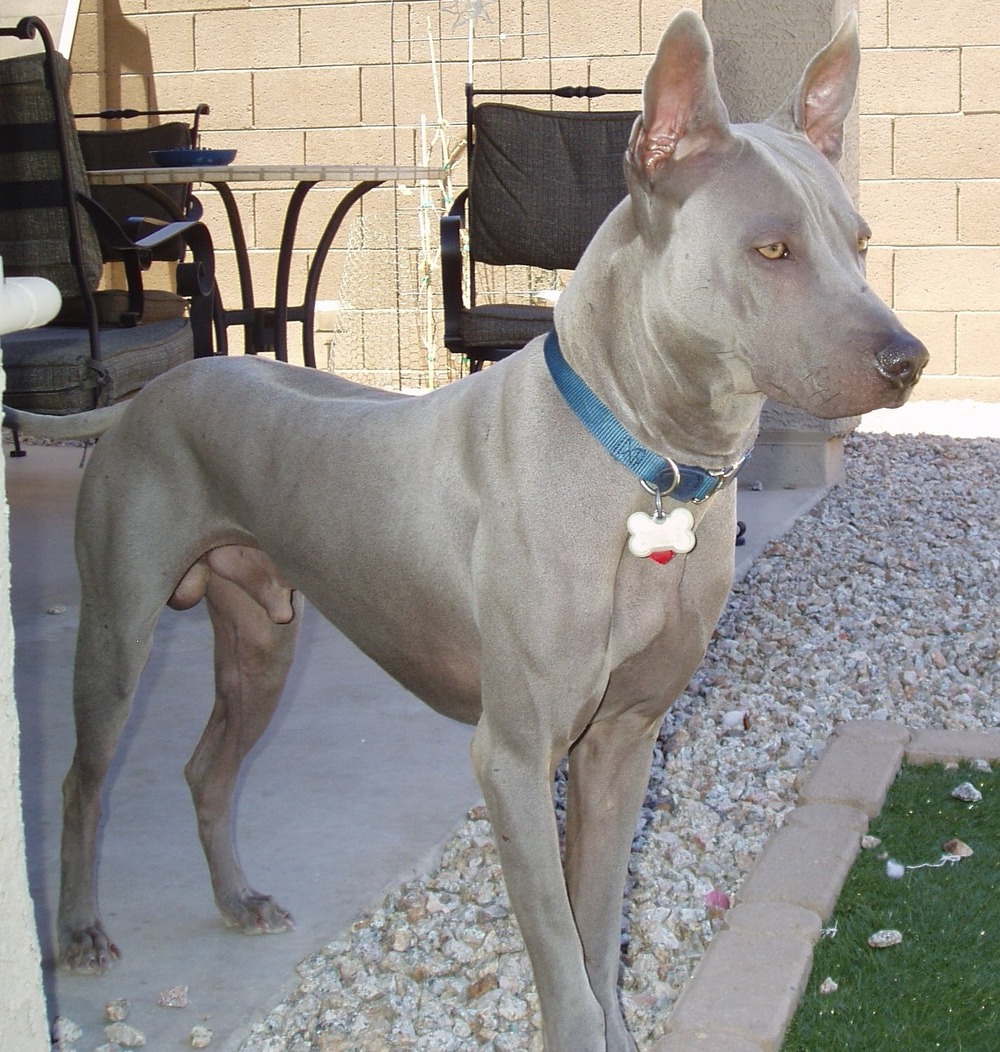
The short coat is usually low effort. A weekly brush or grooming mitt is often enough to remove loose hair and keep the skin in good condition. The bigger maintenance tasks are the ordinary ones that matter for every dog: nails, ears, teeth, and learning to tolerate handling without fuss.
Because the coat is short, weather planning matters. In cooler climates, many Thai Ridgebacks appreciate being indoors, and some benefit from a coat on cold walks. The aim is simple comfort, not toughness tests.
Feeding and nutrition: focus on quality and suitability, not marketing
Thai Ridgebacks do not have a single “magic” diet, but they do tend to thrive when kept lean, muscular, and well-conditioned. Rather than getting stuck on ingredient lists, it helps to choose a food from a manufacturer that can answer sensible questions about formulation, quality control, and nutritional adequacy.
The WSAVA Global Nutrition Committee offers practical guidance on how to evaluate pet foods and labels, including why ingredient lists can be misleading on their own.5 If you are unsure, ask your vet for help choosing an appropriate diet for your dog’s age, activity level, and any medical needs.
Is a Thai Ridgeback right for you?
A Thai Ridgeback often suits people who like a dog with presence, athleticism, and a bit of distance from the world, and who can provide structure without heavy-handedness. They are not usually ideal for someone who wants an easy social butterfly, or for homes where the dog will be left to self-entertain day after day.
If you take one thing away, let it be this: the ridge is the visual hallmark, but the temperament is the commitment. When their needs are met and their training is built patiently, many Thai Ridgebacks become steady, fascinating companions, the sort of dog you learn to read over time, and come to appreciate for exactly what they are.
References
- Fédération Cynologique Internationale (FCI): Thai Ridgeback Dog (Standard No. 338)
- PetMD: Thai Ridgeback dog breed information, health and care
- Wikipedia: Thai Ridgeback (overview and general breed figures)
- RSPCA Australia: Socialising your puppy
- WSAVA: Global Nutrition Guidelines (pet owner tools and selecting a pet food)
- Royal Canin Australia: Thai Ridgeback Dog breed information
- Nature Genetics (2007): Duplication of FGF genes causes hair ridge and predisposition to dermoid sinus in Ridgeback dogs
- Association of Pet Dog Trainers Australia (APDT): Position statements on dog-friendly training and positive reinforcement