

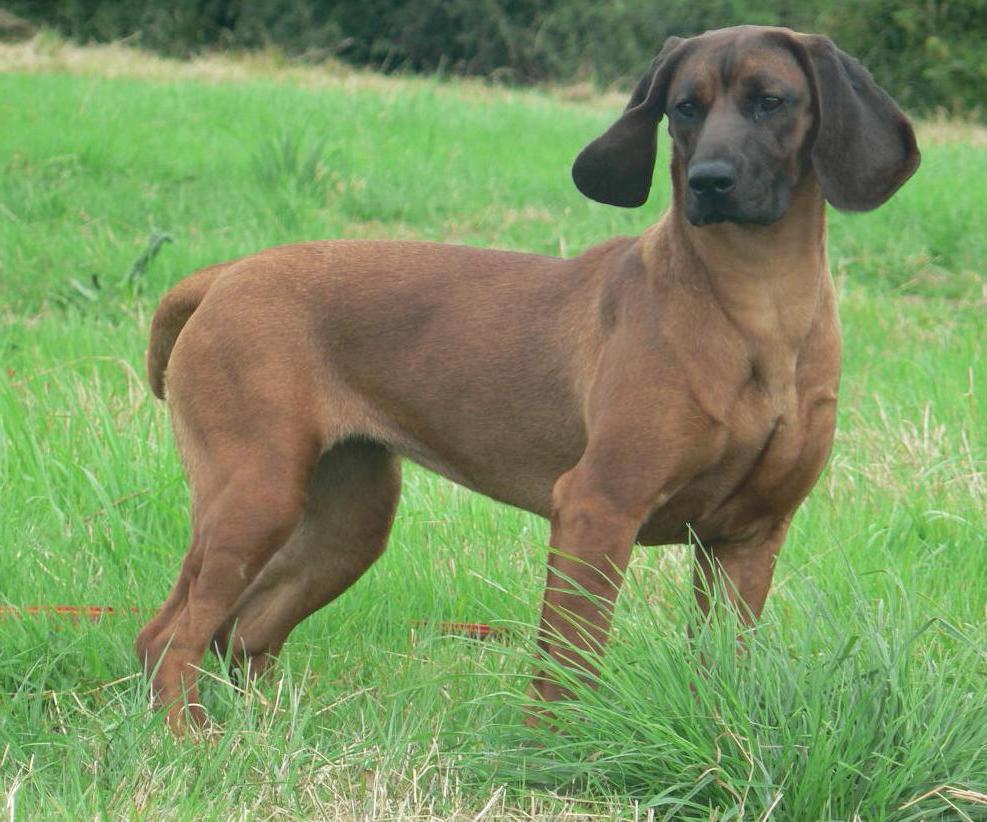
You might notice it on a walk: a dog with a nose glued to the ground, pulling with quiet purpose, or a sleek runner that spots movement before you do and takes off like a slingshot. People often lump them together as “just hounds”, but what they were bred to do still shows up in everyday life, even in a suburban street or local oval.
Hounds are not a single personality type so much as a collection of dogs shaped by a shared job: hunting with either scent, sight, or a mix of both. That history matters because it explains why some hounds can seem “stubborn” in training, why recall can be a work in progress, and why their needs often revolve around safe freedom to follow instincts rather than constant high-intensity exercise.
Once you start looking through that lens, hound behaviour becomes easier to live with. The goal is not to switch off what makes them hounds, it is to meet them halfway with the right setup, handling, and expectations.
History and origin of hound breeds
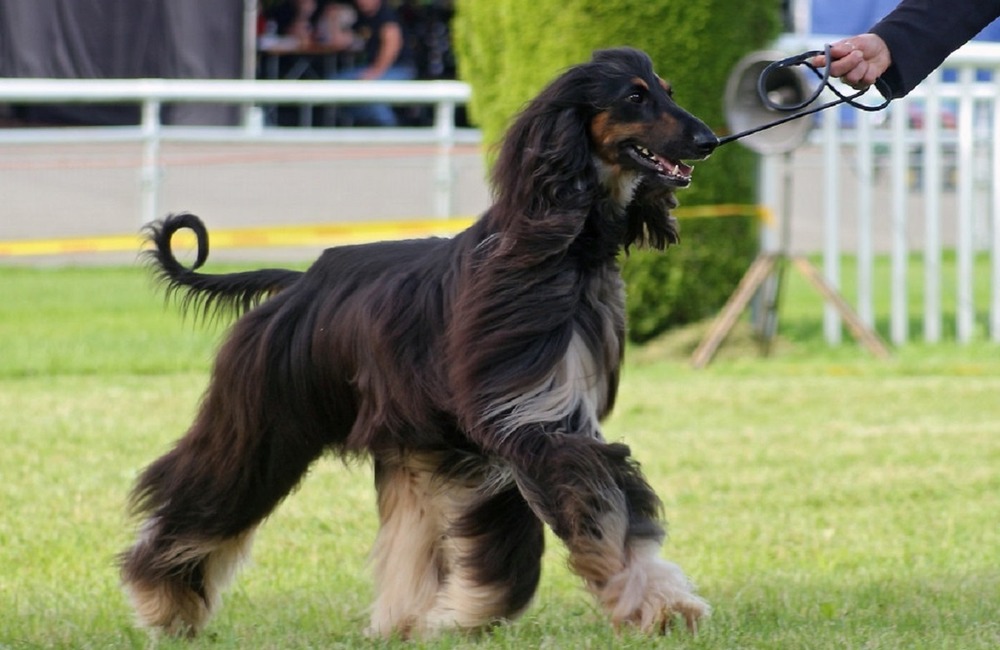
Across many cultures, hounds were developed for one central purpose: finding and pursuing game. Kennel clubs still group them largely around that original work, even though most modern hounds live as companions. Some breeds were selected for scenting ability and endurance, others for speed and visual tracking, and many sit somewhere in between.1
It helps to picture the old problem humans were solving. If you wanted a dog to follow a trail over paddocks, scrub, and creeks, you bred for a strong nose, stamina, and the willingness to keep going when the scent got tricky. If you wanted a dog that could course fast prey in open country, you bred for a light frame, powerful stride, and sharp vision.
That long, practical history is why hounds can be wonderfully capable in modern activities too. Tracking, scent work, and lure coursing can give them an outlet that feels familiar, even if the “quarry” is a toy or a scented cotton bud rather than a rabbit or fox.1
What makes a hound a hound
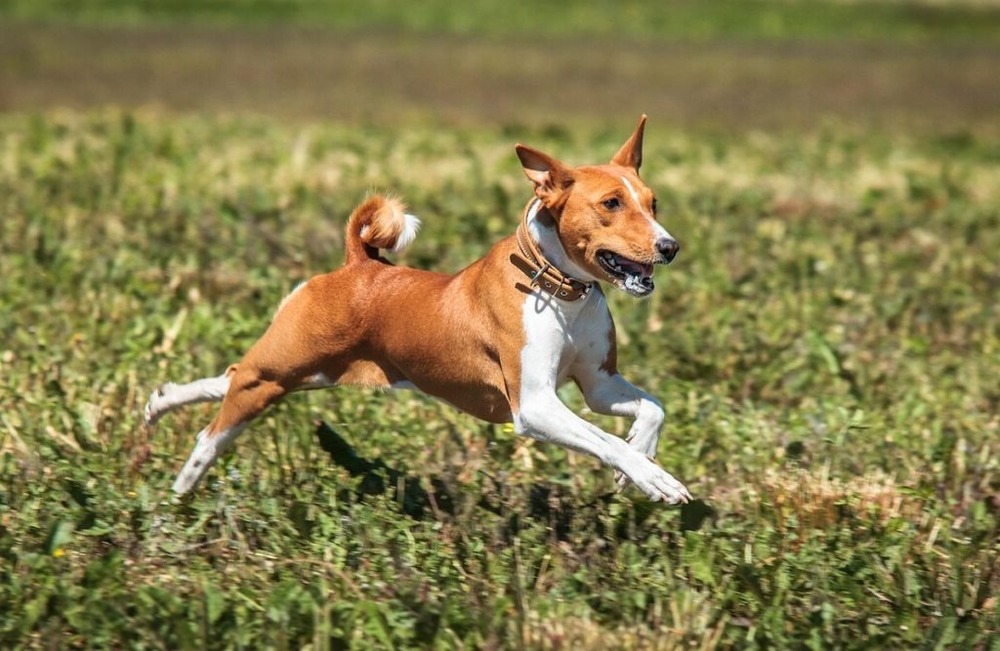
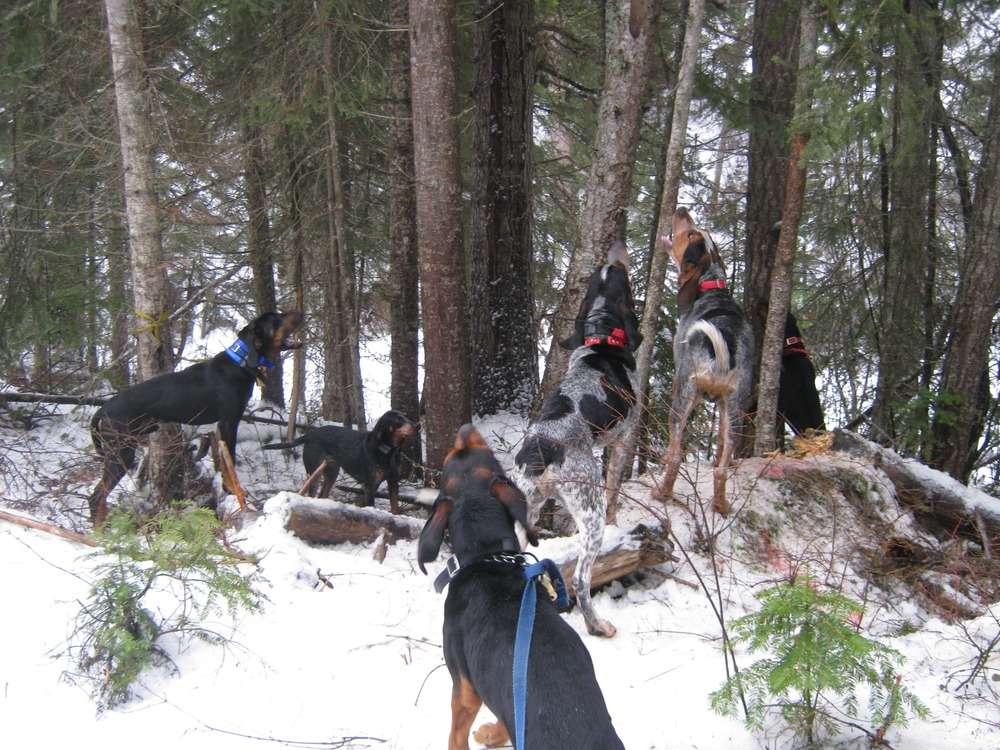
The simplest way to understand hounds is to split them into two overlapping toolkits: scent and sight. Scent hounds follow odour trails with persistence, while sighthounds rely more on vision and speed to chase moving targets.1
Scent work is not just “smelling better”. It is a whole style of problem-solving. Many scent hounds scan the world with their nose first, and that can make them appear selective about what they respond to in the moment. The scent picture is rich and constantly updating, especially outdoors.
Sighthounds often have a different pattern: stillness, scanning, then explosive movement. They can be surprisingly calm indoors, but they may be quick to chase wildlife, cats, or a running dog at the park if management is loose.
Physical characteristics you will notice day to day
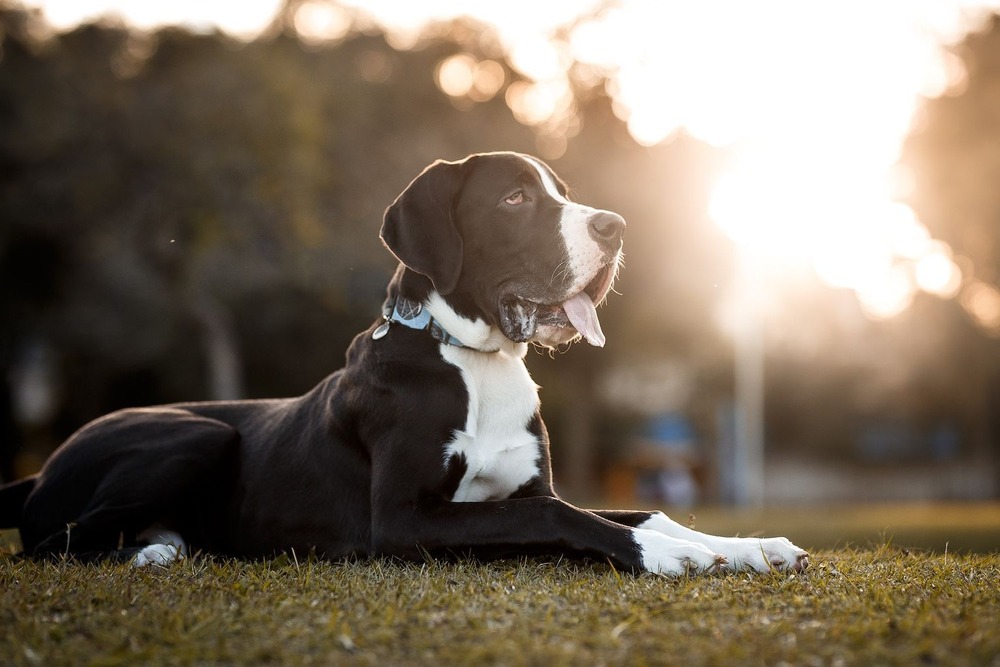
Hounds come in many shapes, from compact scenthounds to tall, narrow sighthounds, so it is risky to generalise about size or coat. Still, there are a few recurring themes that show up in daily care.
Many scenthounds have longer ears and looser facial skin. Those features are often discussed as helping hold scent close to the nose, but they also mean owners need to be mindful of ear health, especially if a dog swims, gets bathed often, or is prone to waxy build-up.2
Some hounds, including a number of sighthounds and larger scenthounds, have deeper chests. Deep-chested build is one of the risk factors associated with gastric dilatation-volvulus (GDV), commonly called bloat, which is an emergency that needs immediate veterinary help.3
Temperament and behaviour in a home setting
People sometimes describe hounds as stubborn, but that can miss what is really happening. Many hounds were bred to work at a distance from humans and make decisions in motion. In a family home, that can look like independence, distractibility, and a strong preference for following their own information (usually scent or movement).
At the same time, plenty of hounds are affectionate, social dogs that settle beautifully with routine. The mismatch tends to appear when the environment asks for skills the dog has not been taught yet, especially recall around distractions and calm behaviour when something interesting passes by.
With children and other animals, individual temperament matters more than “hound” as a label. Many do well with kids when the adults set boundaries around handling and rest. With smaller pets, it is sensible to assume that prey drive may exist and to introduce carefully, then manage honestly if chasing behaviour shows up.
Training and exercise that suits hounds

Hounds do best when training is built around what motivates them. For many, that means food, access to sniffing, and the chance to move. Short, reward-based sessions often land better than repetitive drilling, particularly outdoors where scent or movement can steal attention in an instant.
Early socialisation is valuable, but it works best when it is gentle and structured rather than overwhelming. Well-chosen experiences, calm exposure to different surfaces and sounds, and learning to relax around other dogs can make adult life much easier.4
Exercise is not only about kilometres walked. A scenthound that gets time to sniff and explore safely can come home more settled than one that has been marched briskly past every interesting smell. Sighthounds may enjoy sprinting, but they often need it in a safe, enclosed space and with a plan for arousal coming back down afterwards.
- Sniff walks on a longer lead (where legal and safe)
- Simple scent games at home, such as hiding kibble or a favourite toy
- Structured recall practice with low distractions before you raise the difficulty
- Appropriate sports, including scent work or lure coursing depending on the dog
Health considerations and preventative care
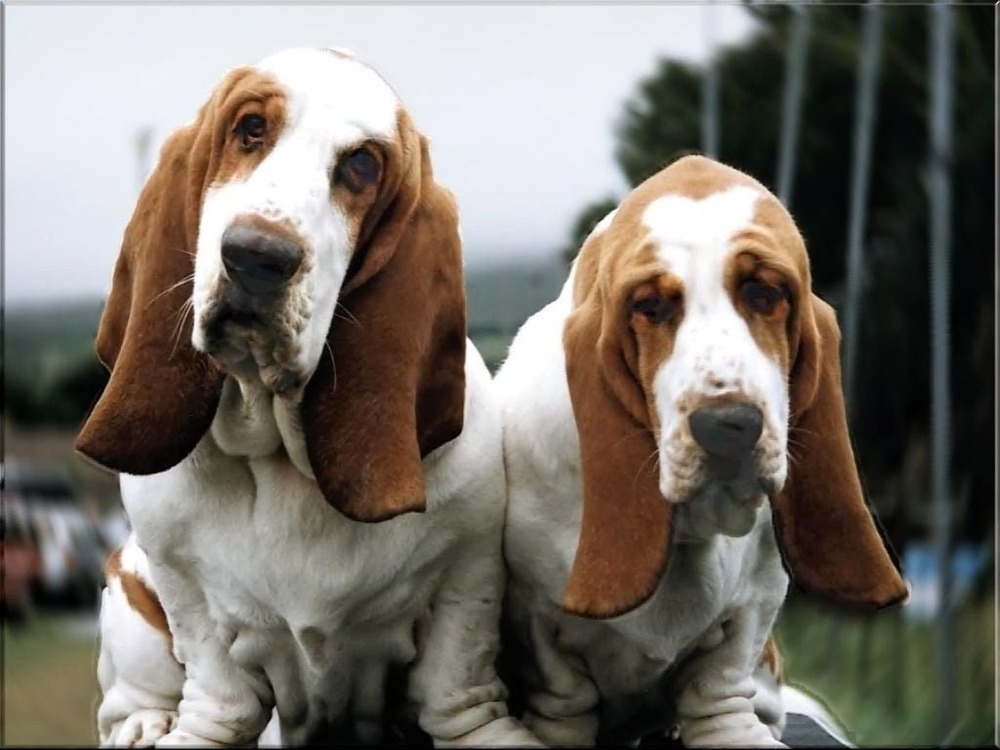
Hounds share many of the same health concerns as other dogs, plus a few issues that show up more often in certain types and body shapes. Rather than watching for a single “hound problem”, it is more useful to think in terms of structure, lifestyle, and breed lines.
Ear disease is common across dogs, and it can be recurrent in individuals with narrow canals, heavy ears, allergies, or frequent moisture in the ear. If your dog is prone to ear trouble, ask your vet to show you safe cleaning technique and an appropriate schedule. Ear care is most effective when it is targeted, since the underlying causes of otitis (such as allergy or parasites) need to be addressed, not just the wax you can see.2
For deep-chested dogs, learn the signs of GDV and treat any suspicion as urgent. Risk is influenced by multiple factors, including body shape, family history, eating habits, and timing of exercise around meals.3
For general wellbeing, life-stage preventive care matters. That includes dental health, parasite control, vaccination planning, weight management, and age-appropriate screening as your dog gets older.5, 6
Grooming and maintenance without overcomplicating it
Most hounds are not high-maintenance in grooming terms, but there are exceptions. Short coats still benefit from regular brushing for skin health and shedding control. Long or silky coats need more frequent detangling, especially behind ears and around “friction points” where collars and harnesses sit.
Use grooming as a quiet health check. Look for redness between toes, lumps under the skin, changes in coat quality, and signs of ear discomfort such as head-shaking or odour. If your hound dislikes handling, go slowly and pair touch with treats so grooming does not become a weekly argument.
Diet and nutrition for hounds
Hounds vary hugely in appetite and body type. Some will self-regulate, others will eat like it is their job. A practical approach is to feed for body condition, not the packet, then adjust as the dog’s activity level changes across seasons and life stages.
If nutrition advice online feels contradictory, you are not imagining it. Veterinary nutrition guidelines emphasise taking a diet history, checking body condition regularly, and choosing foods that suit the individual dog rather than chasing marketing claims.7
Meal routines can also intersect with GDV risk management in deep-chested dogs. Talk with your veterinarian about feeding patterns and lifestyle factors that may influence risk for your particular dog.3
Small details that make life with a hound easier
Living happily with a hound is often about setup, not perfection. A secure fence, a well-fitted harness, and a lead plan for high-distraction places can prevent many of the moments that people later describe as the dog “not listening”.
It also helps to remember that many hounds vocalise. Some “bay” or howl more readily than other groups, which can be charming in the right setting and challenging in close neighbourhoods. If you are choosing a hound breed, spend time around adult dogs and listen to the range of voices they bring with them.1, 8
Final thoughts
Hounds are often at their best when people stop trying to turn them into a generic “all-purpose dog” and instead lean into what they are good at. Their senses are powerful, their focus can be intense, and their style of learning is sometimes different from breeds that were designed to work closely under direction.
With thoughtful training, sensible management, and a routine that includes both movement and mental outlets, many hounds become steady, rewarding companions. The best relationships with them tend to be built on clear boundaries and plenty of outlets, and a quiet respect for how they experience the world.
References
- American Kennel Club: Hound Group
- Merck Veterinary Manual: Otitis Externa in Animals
- Cornell University College of Veterinary Medicine: Gastric dilatation volvulus (GDV) or bloat
- RSPCA Knowledgebase: What is the best way to socialise my dog?
- AAHA: 2019 Canine Life Stage Guidelines
- AAHA: Dental Care (Canine Life Stage Guidelines)
- WSAVA: Global Nutrition Guidelines
- American Kennel Club: Field Events for Hounds
- American Kennel Club: Glossary (Hound group and sighthound definitions)