

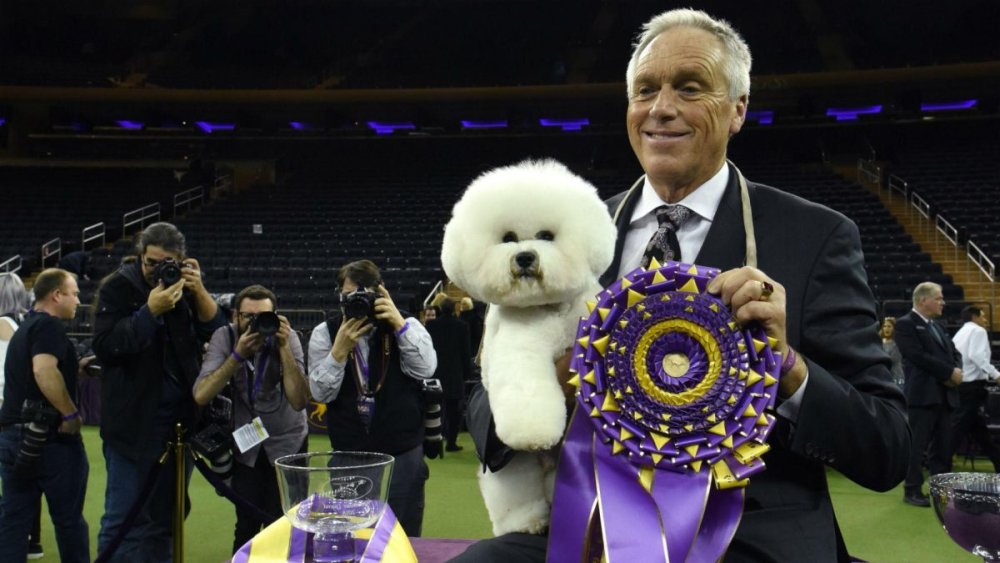
Most people don’t go looking for dog shows until something nudges them towards it. You might notice a beautifully turned-out dog at the park, hear a breeder mention “the standard”, or see photos from a weekend show and wonder what, exactly, the judges are looking at. From the outside, it can look like a simple parade. Up close, it’s a very particular kind of observation, part sport and part craft.
Dog shows are also where a lot of the quiet work around breeding, handling, training, and presentation becomes visible. They can support breed knowledge and stewardship, but they can also raise fair questions about health, function, and what “good” should mean for a dog in 2026. Holding both ideas at once is often the most realistic starting point.
In Australia, the show world sits inside a wider community that includes breeders, handlers, trainers, vets, grooming professionals, and everyday owners who simply enjoy working with their dogs. If you are curious, it helps to know the different types of events, how judging works, and what good preparation looks like for the dog, not just the ribbon.
How dog shows took root in Australia
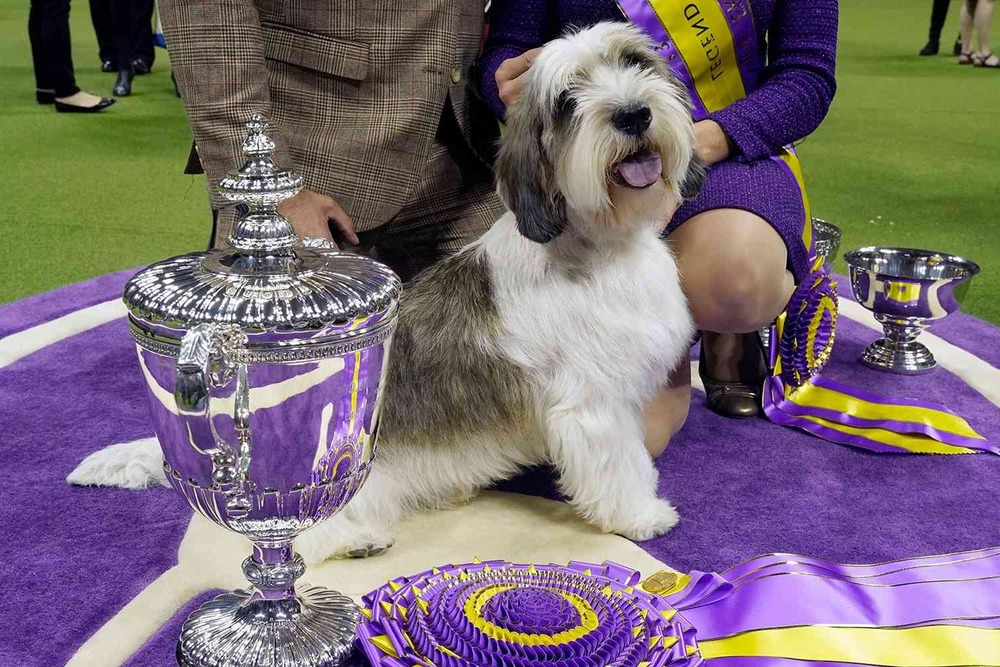
Australian dog showing grew alongside agricultural exhibitions and organised kennel clubs, with major show societies helping formalise classes, records, and judging over time.1, 2 In practical terms, that history matters because it explains why so many dog shows still sit within long-running public events, and why the language of “competition schedules”, classes, and stewarding is so consistent from state to state.
Modern pedigree showing in Australia is coordinated through Dogs Australia, formerly known as the Australian National Kennel Council (ANKC).3 State and territory canine bodies (for example Dogs NSW, Dogs ACT, Dogs SA) run most local events, set entry conditions, and apply national rules.
Over time, dog shows have been used to compare dogs against written breed standards, and to reward dogs that best represent those standards on the day. Done well, this can encourage careful breeding choices. Done carelessly, it can drift towards valuing appearance over soundness. Good showing is meant to be about fitness and type, not just a pretty outline.
The main types of dog show events you will see
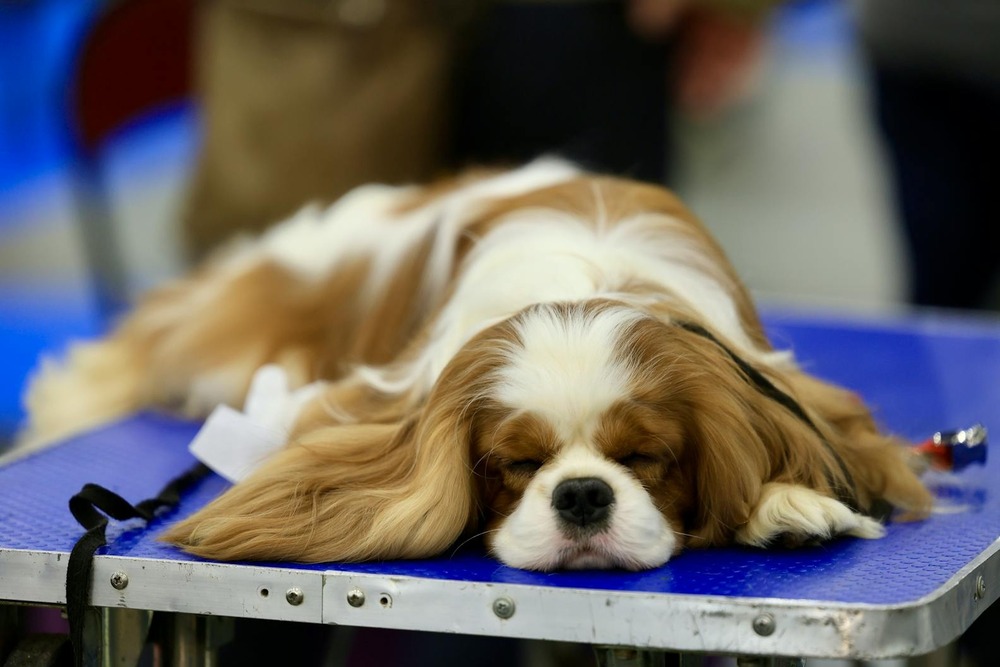
In everyday conversation, “dog show” often means conformation showing, where the dog is assessed against the breed standard. In reality, Australian events commonly include multiple disciplines across the same weekend or festival setting, including obedience and agility.1
Conformation (breed) shows
Conformation is where a judge assesses how closely a dog matches the written standard for its breed, including structure, movement, coat (where relevant), and general breed type. You will often hear people describe it as judging the dog’s suitability as breeding stock, rather than judging a pet’s value. That idea is useful, even if it is not the whole story.
Most shows run through breed judging first (Best of Breed), then group judging (Best in Group), and finally General Specials (Best in Show). The exact flow can vary by state body and show level, but the broad structure is consistent.4
Obedience and other performance sports
Obedience trials focus on training, teamwork, and reliability around distractions. Many show societies now also host rally obedience, scent work, tracking, and other sports depending on the club and schedule.1 These events can suit dogs who enjoy clear tasks and steady routines, and they tend to be welcoming for owners who are less interested in coat work and ring presentation.
Agility
Agility is fast and technical, with dogs running courses of jumps, tunnels, and contact equipment. What stands out, when you watch closely, is how much of the performance is about timing, handling choices, and the dog’s ability to stay connected to the handler under pressure. Many larger show programs include agility trials as part of a broader dog sports festival.1
What judges are actually assessing
It is tempting to think judges simply pick the “best looking” dog. In conformation, the intent is more specific: dogs are compared to the breed standard, and to how well their structure and movement reflect that standard. In performance sports, judging is tied to rules and scoring, and the emphasis shifts to accuracy and execution.
Conformation: breed standard, balance, and movement
In a conformation ring, judges typically look at overall balance, correct breed features, and soundness. Movement matters because it can reveal structural strengths and weaknesses that are not obvious when a dog is standing still. A dog may look impressive stacked, but appear inefficient or uncomfortable once it moves.
One detail that surprises newcomers is how much a judge is assessing the handler’s ability to present the dog calmly and clearly. A well-handled dog is not “showing off”, it is simply easy to assess, which is a practical advantage on a busy day.
Performance events: rules, precision, and suitability
Obedience and agility are less about appearance and more about skill and steadiness. Dogs may still need to meet eligibility and entry rules, and there are often restrictions around judging conflicts and who can handle under a judge in a given ring.5
Preparing your dog for a first show

Preparation is rarely about pushing a dog to “perform”. It is more about teaching them that the show environment is predictable: strange dogs nearby, people moving briskly, clapping, PA systems, tents flapping, and long stretches of waiting. Comfort is the foundation, then skills can sit on top.
Start with the experience, not the ribbon
Before you worry about results, build the basics that make a day out manageable:
- Ring manners: walking on a loose lead, standing still briefly, being touched by a stranger.
- Neutral socialisation: being calm around other dogs without needing to greet them.
- Settling: resting in a crate or on a mat between classes.
Grooming and presentation
Grooming expectations depend heavily on breed and coat type. Even in short-coated breeds, judges will notice basic care such as clean ears, trimmed nails, healthy skin, and overall condition. For coated breeds, the work is often about coat health and correct styling, not dramatic transformation.
If grooming is new to you, watching experienced exhibitors and asking respectful questions goes a long way. Some larger shows also feature dedicated grooming competitions that make the craft side of the community more visible.6
First-timer practicalities
A first show day runs smoother if you keep it simple:
- Attend as a spectator first, so you can watch the pace of the rings and how people queue.
- Bring water, shade, and a plan for heat. Many showgrounds can get hot even when the air feels mild.
- Have a short checklist: lead, bait or rewards (if appropriate), cleaning supplies, paperwork, crate or mat.
The role of breeders, owners, and handlers
Behind most successful show dogs is a small team, sometimes one person doing multiple jobs, sometimes a true partnership. Breeders may be focused on long-term breed stewardship, owners may be learning the ropes with a single dog, and handlers may bring specialist ringcraft and experience across many breeds.
Breeders
In the best cases, breeders use showing as one piece of feedback among many. They are weighing type and quality, but also health screening, temperament, and how dogs mature over time. Dog shows can help breeders compare dogs to peers in a consistent environment, but they should not be the only measure of a dog’s worth or welfare.
Handlers
Handlers are skilled at presenting a dog so its structure and movement can be seen clearly. A good handler does not “manufacture” quality. They help the dog feel settled, move at the right speed, and stand in a way that reflects its natural balance. For some owners, hiring a handler is also a practical choice when they are new, physically limited, or showing multiple dogs.
Working within the rules
Australian show rules cover eligibility, conflicts of interest, and what is permitted in different disciplines. For example, in some jurisdictions desexed dogs may be ineligible for conformation unless a specific neuter class is offered, while they may still be eligible for sports like obedience and agility.5 It is worth checking your state body’s current rules and the schedule for each event.
Health and welfare: what matters on show day
Most exhibitors care deeply about their dogs, but dog shows still create predictable welfare pressure points. Long days, travel, unfamiliar environments, noise, and heat can affect any dog. Some breeds also have known health risks that deserve thoughtful handling, especially in warm weather or crowded spaces.
Heat stress and sensible prevention
Heat-related illness can develop quickly, particularly in flat-faced breeds, older dogs, overweight dogs, and dogs with darker coats or underlying medical conditions. Early signs can include heavy panting, drooling, seeking shade, vomiting or diarrhoea, and wobbliness or collapse. If you suspect heat stress, begin cooling and seek urgent veterinary care.7
On show days, the practical protections are unglamorous but effective: shade, airflow, regular water, avoiding hot cars, and skipping rings if conditions are not suitable for your dog. Scratching from the schedule is sometimes the best decision.
Travel, hygiene, and disease risk
Like any event where many dogs gather, shows require sensible hygiene. Keep vaccinations current, avoid nose-to-nose contact with unknown dogs if your dog is vulnerable, and be mindful around shared water bowls or high-traffic areas. If your dog is unwell, staying home protects both your dog and the community.
The dog show community in Australia
Dog shows can look intimidating, but much of the community is built on quiet routines: people helping each other find rings, lending a brush, holding a dog while someone runs to the toilet, or giving a newcomer a quick explanation of how classes run. If you are polite and patient, you will usually find your way.
Larger events, such as Sydney Royal, make it obvious how broad the community can be. Conformation sits alongside multiple dog sports, junior handling, grooming, and public education, all running under a shared set of schedules and rules.1
There is also an ongoing conversation inside dog showing about what should be rewarded, particularly where breed extremes may compromise function. If you are new, you do not need to pick a side immediately. It is enough to watch carefully and ask, “Does this dog look comfortable doing dog things?” That question tends to lead to better learning than arguments about taste.
Final thoughts
Dog shows in Australia are not just about trophies. At their best, they are a public meeting point for people who care about dogs, and a structured way to compare dogs against written standards and clear rules. They also invite scrutiny, and that is healthy, because dogs live with the consequences of what humans reward.
If you are curious, start by attending a local show and watching with a softer focus. Notice the dogs that move easily, recover quickly after excitement, and settle when nothing is happening. Those details often tell you more than the glamour moments in the ring. With time, you may find a corner of the show world that fits you and your dog, whether that is conformation, obedience, agility, or simply being part of a community that enjoys learning together.
References
- Royal Agricultural Society of NSW: Dog (Sydney Royal Dog Show information)
- Royal Agricultural Society of NSW Archives: Competition histories (Dogs)
- Dogs Australia (official website)
- Dogs SA: Conformation (showing your dog)
- Dogs ACT: Rules for showing
- Royal Agricultural Society of NSW: Dogs NSW Canine Grooming Championship Show
- American Veterinary Medical Association: Preventing dogs from overheating
- RSPCA Australia Knowledgebase: Signs of heat stroke in dogs
- Australian Veterinary Association (official website)