

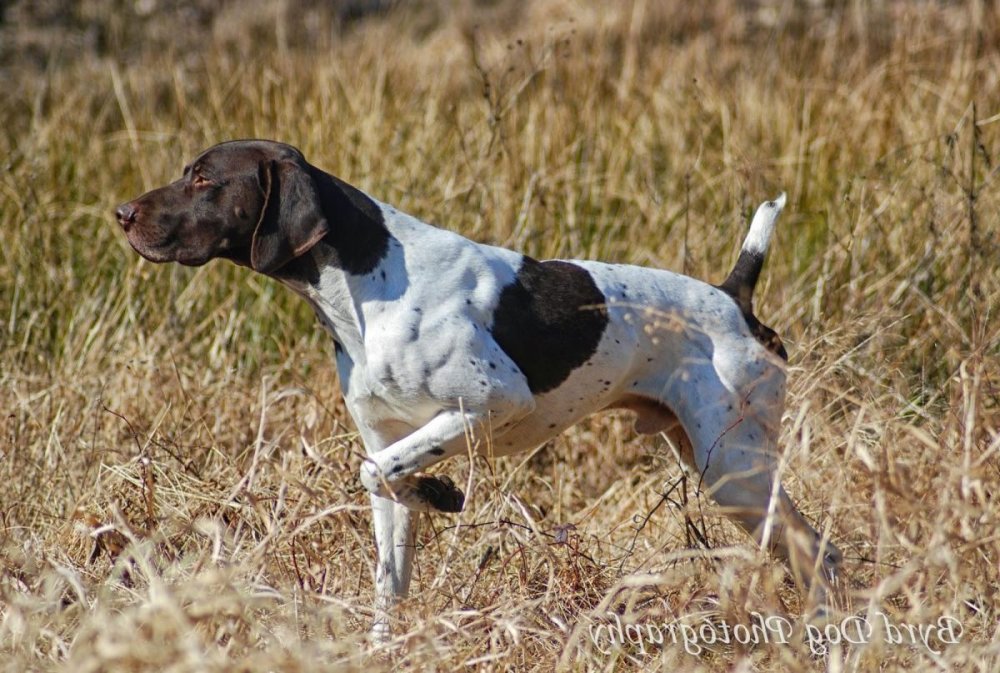
People usually start thinking about gun dogs after noticing a particular kind of dog in real life, the Labrador who never seems to tire of fetch, the spaniel that works a paddock edge as if it is reading a map, or the pointer that suddenly goes still and seems to “lock on” to scent. Even if you have never hunted, those patterns can be hard to miss once you have seen them.
It is tempting to assume these dogs are simply high energy, or that they “need a job” in a vague way. In practice, what you are often seeing is purpose-bred behaviour shaped over generations: retrieving, quartering, pointing, tracking, and the ability to stay connected with a handler while working at speed. That history matters, because it explains why some homes find gundogs wonderfully easy to live with, and why other homes feel as if they are constantly managing motion.
Understanding gun dogs (also called gundogs) is less about romantic ideas of the field and more about day-to-day fit. The right match can look like a calm companion after a good run and some training. The wrong match can look like frustration on both sides, even in a loving home.
Where gundogs came from, and what they were built to do
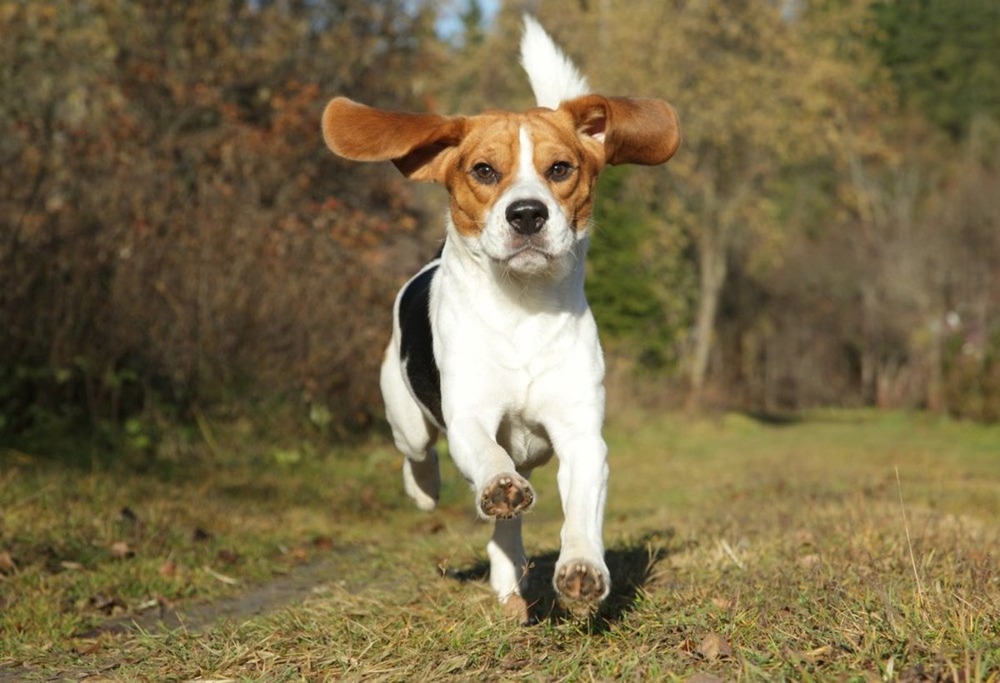
Gun dogs developed alongside human hunting methods, particularly as firearms changed how people searched for and retrieved game. Over time, distinct “types” emerged because different jobs needed different bodies and brains: dogs that find and indicate birds, dogs that flush birds into flight, and dogs that retrieve cleanly from land and water.
Modern kennel clubs still reflect this working history in how they group breeds. In Australia, Dogs Australia (formerly the Australian National Kennel Council) recognises a dedicated Gundog Group, with breed standards that describe temperament and structure in terms of “fit for function”.1
Retrievers, flushers, pointers, and setters
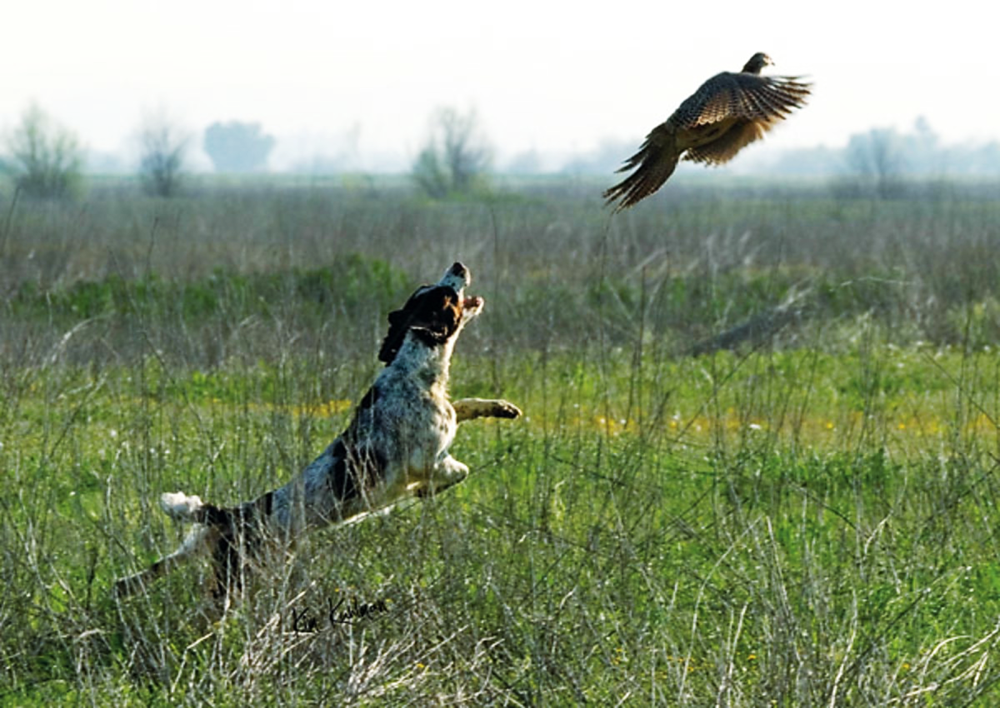
These categories are not just labels. Retrievers are typically selected for carrying game gently, swimming ability, and persistence. Spaniels and other flushing dogs often excel at working closer and pushing birds out of cover in a controlled pattern. Pointers and setters are bred to locate birds by scent and “indicate” position by stillness, giving the handler time to approach.
There is overlap, and many individuals enjoy all sorts of games and sports. Still, knowing the traditional role helps you predict what a dog will practise on their own if they are bored, under-exercised, or simply young.
Gundogs in Australia, and a common misconception
Gundogs have long been part of Australian sporting and trialling culture, and you will see the familiar names (retrievers, spaniels, setters, pointers) across state-based clubs and events. Dogs Australia’s Gundog Group list is a useful starting point if you want to see which breeds are formally classified as gundogs here.2
One gentle correction that helps: the Australian Cattle Dog is a brilliant working dog, but it is primarily a herding breed, not a gundog. Some individuals may enjoy scent games and retrieving, yet their core “default settings” are different, and that difference shows up in everyday training and household life.
Physical traits that support the work
Gundogs vary widely in size, from smaller spaniels through to larger retrievers and athletic pointers. What they share is a tendency towards stamina and practicality, bodies made to keep moving, and often a structure that supports repeated bursts of speed, turning, and carrying.
Coats, ears, and why “low maintenance” is not always low effort
Many retrieving breeds have double coats designed to shed water and insulate in cold conditions. Short-coated pointing breeds may be quicker to towel off, but they can still track mud and burrs into the house, and they often need protection from heat and sun on long outings.
Floppy ears are common in several gundog breeds, and they can predispose some dogs to ear problems, particularly if the ears stay moist after swimming or frequent baths. A simple, steady routine helps: dry ears after water work, check for redness or odour, and talk with your vet about safe cleaning if your dog is prone to issues.3
Temperament and behaviour in the real world
Most gundogs were selected to work closely with people, which often shows up as sociability, responsiveness, and a strong desire to engage. Many are also adolescent for a long time in behavioural terms, which can be delightful if you like a playful dog, and tiring if you were hoping for an instantly “settled” pet.
A useful way to think about it is this: gundogs commonly bring high motivation to movement, scent, and carrying. Those are not “naughty behaviours”. They are normal behaviours that need outlets and boundaries.
Family life, visitors, and other animals
As family dogs, gundogs often do well when their needs are met. They are frequently people-oriented and enjoy routines. That said, their enthusiasm can be a lot for toddlers or frail visitors, and their interest in movement can be challenging around cats, poultry, or pet rabbits.
Early socialisation and thoughtful management matter, but so does recognising the limits of training alone. In some households, baby gates, pens, leads, and structured down time are not “failure”. They are sensible ways to help everyone share space safely while the dog matures.
Training, exercise, and giving that brain a job
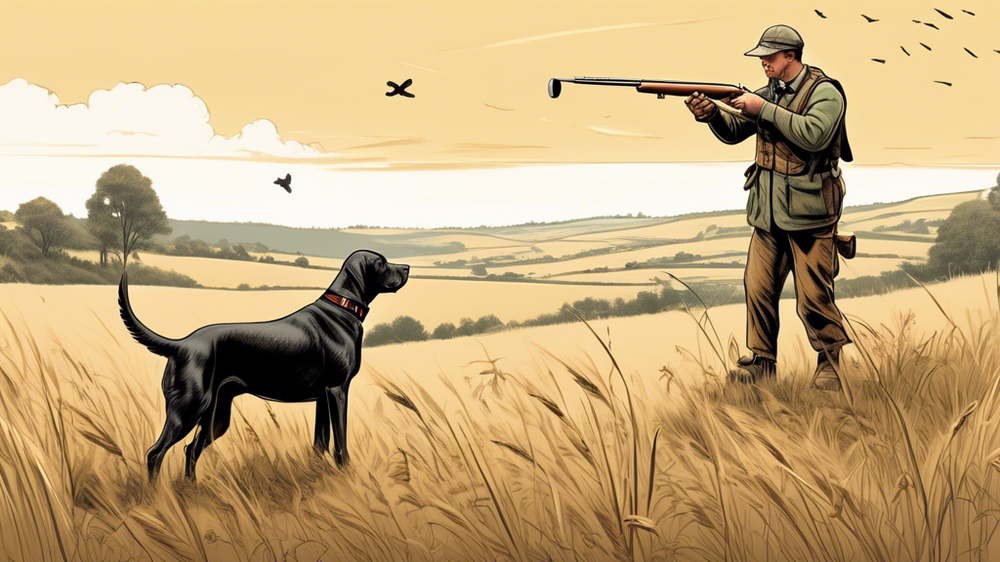
Gundogs are usually quick to learn, but they are also quick to rehearse whatever works. If chasing birds is thrilling, they will chase birds. If grabbing socks gets a reaction, they will grab socks. The goal is not to suppress instincts, but to build skills that let the dog succeed in human environments.
Reward-based training and clear structure
For most gun dogs, reward-based training is a practical choice because it builds focus without adding conflict to an already energetic temperament. The RSPCA recommends positive reinforcement approaches and advises against aversive tools and punishment-based methods, which can have welfare impacts and can create new behaviour problems in some dogs.4
Short sessions, repeated often, tend to work better than long drills. Many gundogs thrive on “everyday cues” done well, like recall, loose lead walking, waiting at doors, and swapping items calmly.
Exercise is not just kilometres
These dogs generally need more than a lap of the block. Still, constant physical exercise without mental work can create a very fit dog who has learnt to expect hours of stimulation. A better blend is usually:
- Sniffing and exploration on walks (not constant heelwork)
- Retrieving games with rules (start, stop, drop, rest)
- Basic scent games or food searches in grass
- Training that teaches calm (settle on a mat, relax behind a gate)
Children and safe interactions
Many gundogs are tolerant, but no dog should be expected to cope with rough handling, hugging, or being disturbed while eating or resting. The RSPCA’s guidance on introducing dogs to children emphasises calm, controlled, supervised interactions, allowing the dog to approach at their own pace, and watching for signs of discomfort such as yawning, lip licking, or avoidance.5
Health and lifespan, plus what owners can influence
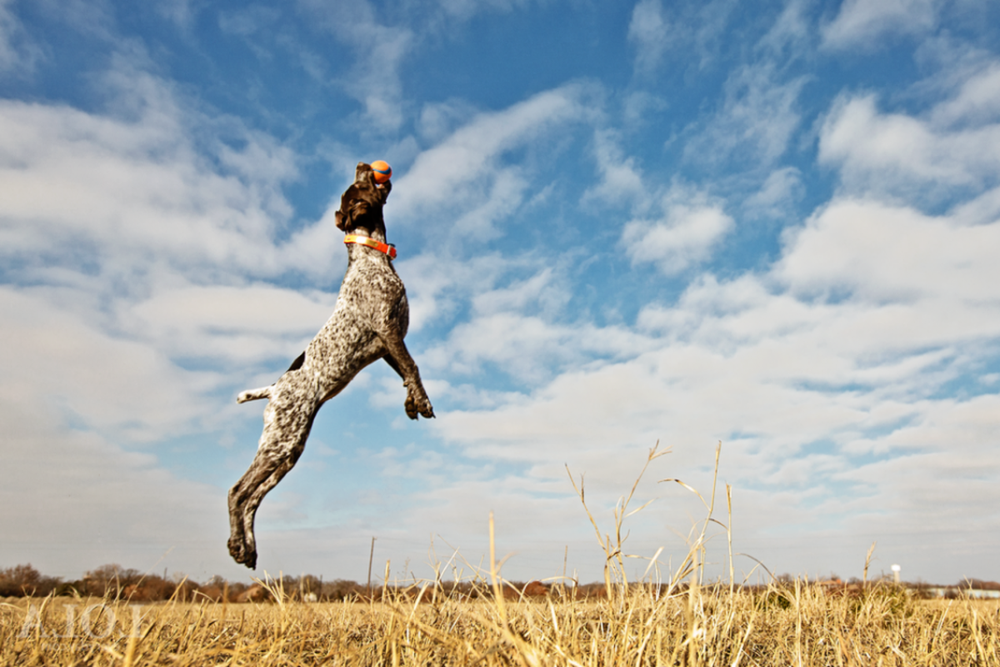
Lifespan varies by breed and individual, but many gundogs live well into their teens with good care. Genetics matter, and so do the everyday basics that owners can control: sensible weight, appropriate exercise, and regular veterinary checks.
Joint issues and weight management
Hip dysplasia is seen more often in larger dogs, and rapid growth or excessive weight can make joint problems harder to manage. If your dog is reluctant to jump, slow to rise, or “bunny hopping” behind, it is worth discussing with your vet rather than assuming it is laziness.6
Keeping a gundog lean is one of the kindest long-term choices you can make. The RSPCA suggests using body condition scoring cues such as being able to feel ribs with light fat covering and seeing a waist from above, and recommends consulting your vet if you are unsure.7
Ears, skin, and the practical checks
For dogs that swim or work in wet grass, ear care and skin checks are part of normal maintenance. If you notice repeated ear irritation, head shaking, odour, or discharge, skip home “experiments” and ask your vet for a plan. Early treatment usually prevents a small problem becoming a chronic one.3
Grooming and maintenance that actually suits the dog
Grooming needs are breed-specific, but most gun dogs benefit from a routine that is calm and predictable. Think of it as handling practice as much as coat care.
Even short-coated dogs can bring home grass seeds, ticks, and small scratches after runs through scrub. A quick once-over after exercise, plus regular nail trims, can prevent many “mystery” discomforts.
Seasonal shedding and coat care
Double-coated retrievers often shed heavily with seasonal changes. Brushing more often during those periods is not about aesthetics, it helps keep the skin healthy and reduces matting and hot spots. For feathered breeds, small tangles behind ears and in armpits can turn into painful mats if they are ignored.
Diet and nutrition for active dogs
Feeding a gundog well is less about chasing trends and more about meeting individual needs. Two dogs of the same breed can require very different portions depending on age, desexing status, daily activity, and how efficiently they hold weight.
The World Small Animal Veterinary Association (WSAVA) Global Nutrition Guidelines encourage individual nutritional assessment, and they provide tools for evaluating diet history, body condition, and how to choose suitable foods based on evidence rather than marketing claims.8
Portions, treats, and the “soft” ways weight creeps up
Many working-line gundogs will happily eat more than they need. Treats, chews, and table scraps are often where weight creeps up quietly. If your dog is gaining, it is usually easier to adjust early than to manage obesity later. The RSPCA notes that exercise and portion control are central to preventing obesity, and that weight issues can affect quality of life and contribute to other health problems.9
Final thoughts: choosing a gundog for the life you actually live
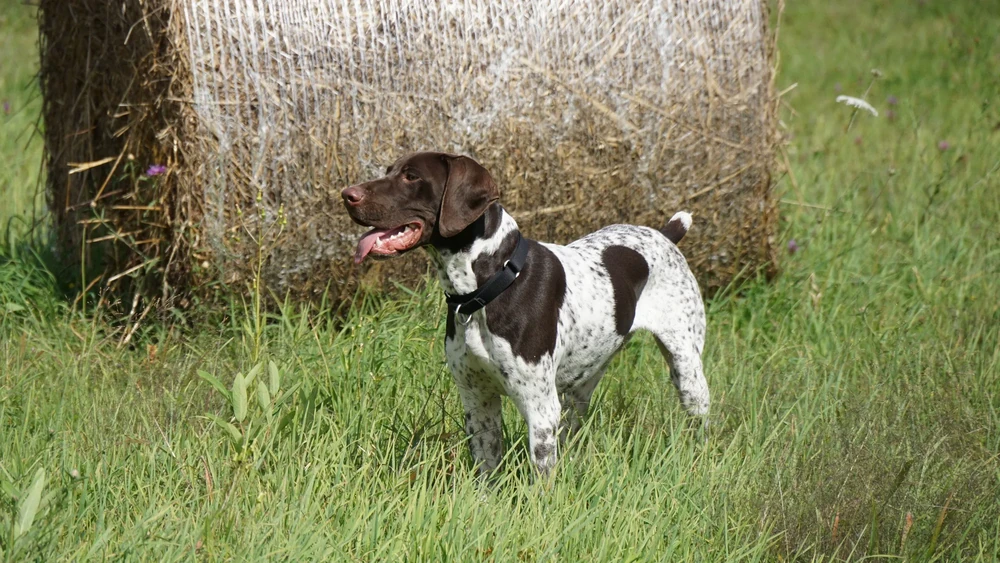
A good gundog is not defined only by hunting. Many thrive as companions when they have consistent training, daily movement, and something meaningful to do with their senses. The most important choice is not “which breed is best”, but which needs you can meet without resentment, week after week.
If you are drawn to gundogs, it helps to watch them in action: at obedience, retrieving, scent work, or field events. You start to see what is instinct, what is training, and what is simply a dog enjoying being useful alongside people. That clarity makes it easier to build a life that suits both of you.
References
- Dogs Australia (ANKC): Breed standards index
- Dogs Australia (ANKC): Group 3 (Gundogs) breed standards list
- American Veterinary Medical Association (AVMA): Ear infections in dogs
- RSPCA Knowledgebase: What sort of training is recommended?
- RSPCA Knowledgebase: Introducing a new dog or puppy to children
- American College of Veterinary Surgeons (ACVS): Canine hip dysplasia
- RSPCA Knowledgebase: How to tell if your dog is overweight
- WSAVA: Global Nutrition Guidelines
- RSPCA Australia: Ways to avoid obesity in your dog