

You might meet an Australian Cattle Dog at the park and feel a bit thrown by the mix of qualities. They can look compact and no-nonsense, then move with startling speed and focus. At home, many people notice the same thing in a smaller space: the dog is clever, watchful, and always ready to do something, whether or not you have a job lined up.
A common assumption is that a “tired dog” is simply one that has had a long walk. With cattle dogs, that idea often falls short. They were shaped for long, repetitive work that required both stamina and independent decision-making, so many of them need not only exercise, but purposeful daily engagement to settle well in modern households.7, 8
Understanding where that intensity comes from can make the breed far easier to live with. It also helps you see the dog in front of you, rather than the stereotype of a “Blue Heeler” who should automatically cope with anything.
Early development and life on cattle stations
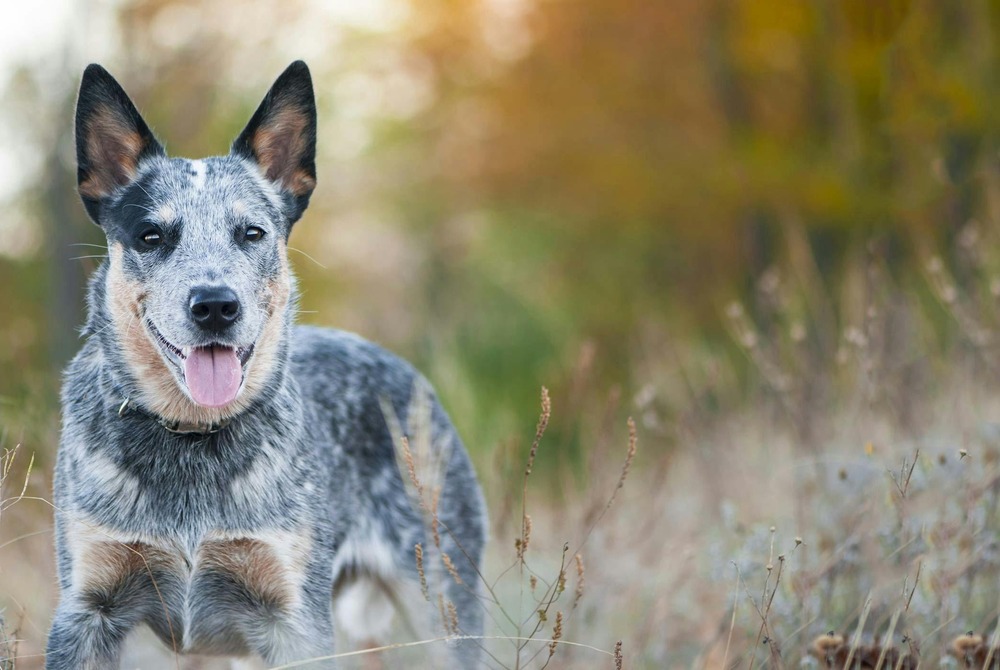
The Australian Cattle Dog was developed in Australia to move cattle across rough ground and long distances, work that demanded endurance, sound structure, and a coat that could cope with heat, cold, and scrub.1, 2
One of the best-known early influences is Thomas Simpson Hall, who bred working dogs in the 1800s and produced the “Hall’s Heelers”, dogs widely discussed as foundation stock for today’s Australian Cattle Dog.2
It is worth keeping a little nuance here. Many popular summaries of breed history simplify the story into a single deliberate “dingo cross”. In reality, early cattle dogs likely came from multiple working lines and practical station decisions over time, not a neat one-off recipe.2
What the breed looks like, and why it matters
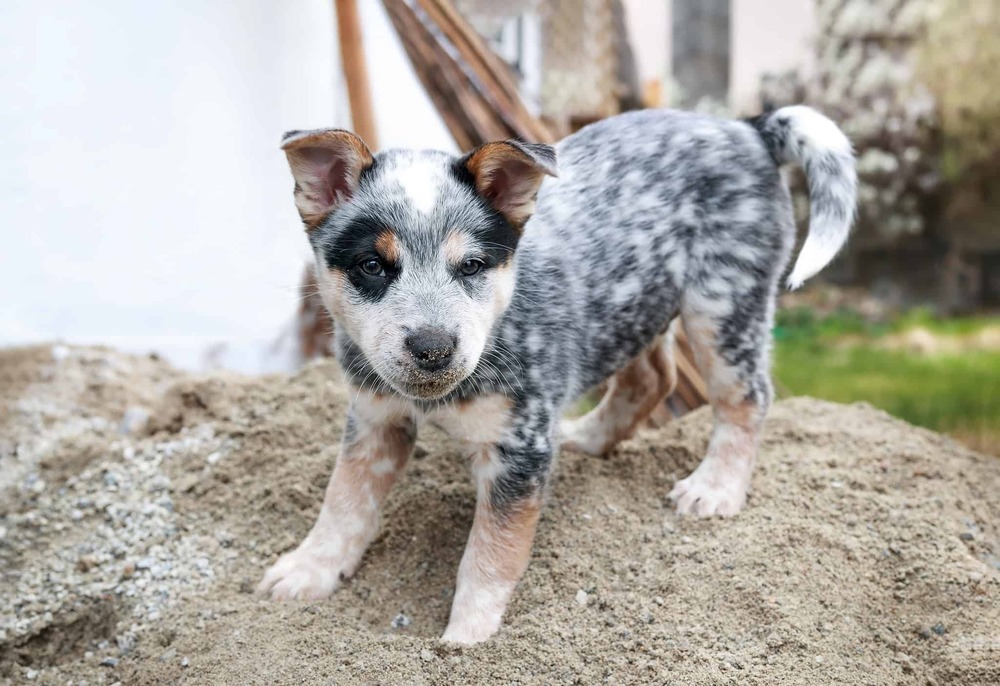
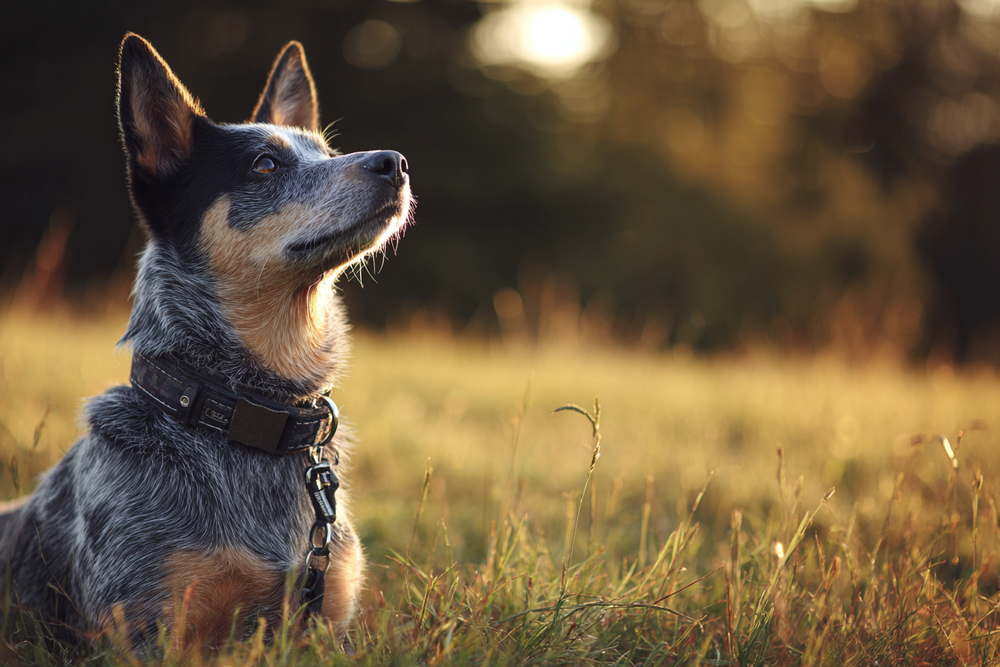
Australian Cattle Dogs are medium-sized, strong, compact, and built to be agile rather than heavy.1
The classic coat colours are blue (including mottled or speckled) and red speckle. The coat itself is short and dense, the practical sort of double coat you see in many working herding breeds.1
Those details are not just for show talk. A well-made cattle dog tends to move efficiently and recover well from activity, while dogs that are overbuilt, under-muscled, or carrying too much weight can struggle with the everyday demands owners often place on them, like running beside a bike or doing repetitive ball games.
Temperament, instincts, and suitability for home life
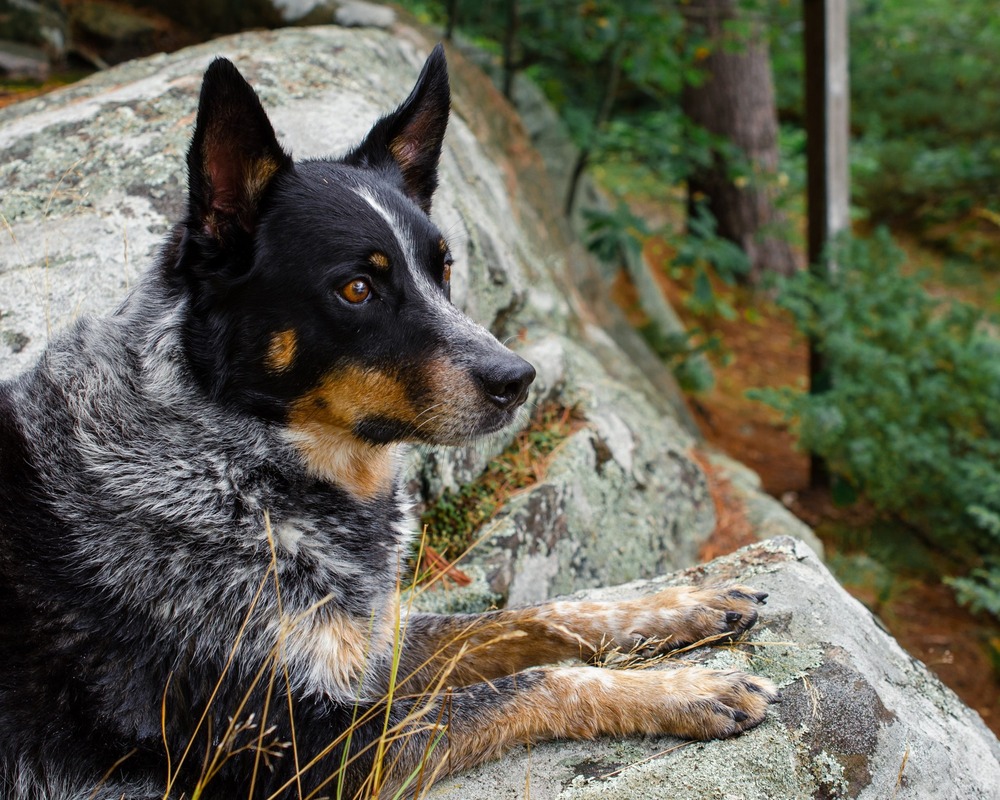
Most Australian Cattle Dogs are alert, quick to learn, and inclined to watch their world closely. They are also commonly described as loyal and protective, and can be naturally cautious with strangers, which can look like “standoffishness” if you expect an instantly social dog.5
Where families sometimes get caught out is assuming this breed is a simple “active dog” who just wants more running. Many cattle dogs do best when their day includes training with clear rules, problem-solving, and structured games that teach them how to switch off, not only how to rev up.7, 8
In multi-pet homes, their herding instincts can show up as chasing, body-blocking, or nipping at heels, especially with fast-moving children or pets. It is not “naughtiness” so much as a behaviour pattern that needs early guidance, thoughtful management, and plenty of rehearsal of calmer alternatives.
Training and socialisation that actually helps
With a cattle dog, early training is not about creating a “perfect” puppy. It is about building habits that keep everyone safe and relaxed once the dog is strong, fast, and confident. Aim for lots of small, successful repetitions: short sessions, frequent rewards, and a clear plan for what the dog should do instead of chasing, barking, or grabbing clothing.
Positive reinforcement training is a good fit for this breed because it makes learning clear and motivating, especially when you are asking for control around movement and excitement.7
Socialisation is often misunderstood as “meet everyone”. For many cattle dogs, the most helpful version is learning to stay composed around people, dogs, bikes, and kids without needing to engage. Calm exposure at a distance, paired with rewards, can be more valuable than lots of close greetings.
- Teach a settle on a mat or bed, practise it daily in different rooms.
- Reward check-ins on walks, so the dog learns to look back to you, not fixate on movement.
- Use management early: leads, gates, and planned routines that prevent rehearsing chasing or nipping.
Exercise and enrichment: more than just a big walk
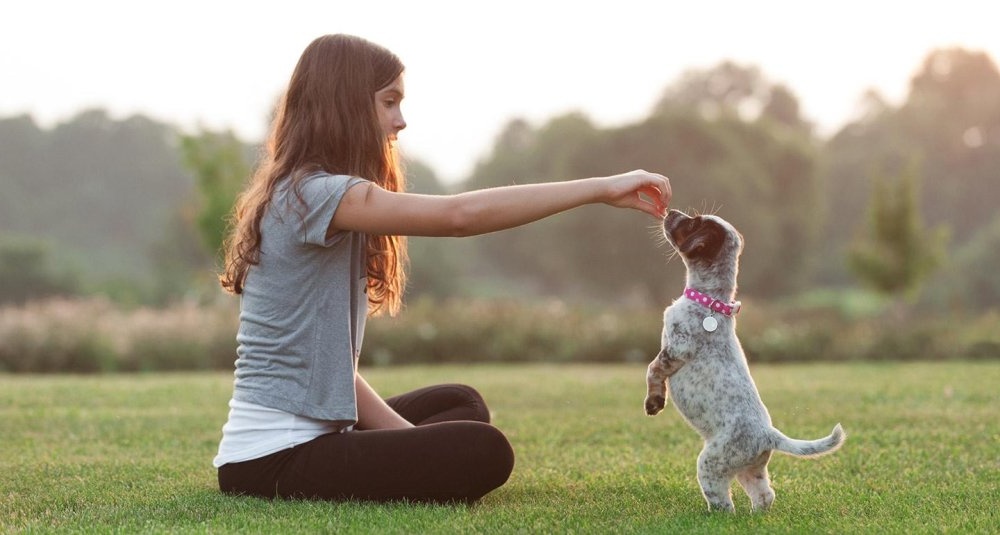
Australian Cattle Dogs usually need substantial daily activity, but the most settled dogs often have a blend of physical exercise and mental work. This can include obedience, scent games, trick training, controlled tug, or sport foundations such as agility skills taught carefully and progressively.
It can help to think in terms of “load” rather than kilometres. Long, high-arousal fetch sessions can build a very fit dog who still struggles to relax. Adding decompression time, sniffing, and predictable training can create a calmer, more manageable companion over time.7, 8
If you are choosing a dog, it is sensible to be honest about your routine and space. Herding types are commonly intelligent and trainable, but they often need a lot of stimulation, and that need does not vanish because they live in a suburban backyard.8
Common health issues and lifespan
Australian Cattle Dogs are often described as hardy, but “hardy” does not mean immune to inherited conditions. In this breed, congenital hereditary deafness is a well-documented concern, and BAER hearing testing is commonly used because unilateral deafness can be difficult to spot at home.6
Progressive retinal atrophy (including prcd forms in dogs) is another condition owners may hear about. It involves gradual retinal degeneration, and responsible breeders may use ophthalmic exams and DNA testing relevant to their lines, alongside veterinary guidance.9
Orthopaedic issues, including hip dysplasia, are also part of the broader health conversation in cattle dogs. Keeping dogs lean and well-muscled, and choosing breeders who health screen, can meaningfully reduce risk over a lifetime.10
Lifespan is often quoted around the low to mid teens, but it varies with genetics, diet, injury history, and day-to-day management. A regular veterinary relationship matters here, not just for vaccines, but for dental care, weight monitoring, and early investigation of subtle changes in movement or vision.
Coat care and everyday grooming
The short double coat is usually straightforward to maintain. Weekly brushing suits many dogs, with extra help during seasonal shedding. Bathing is typically occasional, as needed, rather than frequent.
Routine checks often matter more than the bath itself. Ears, nails, and teeth can quietly become issues in active dogs who otherwise look “fine”, so it helps to build simple handling habits early, with rewards, so grooming stays easy and low-stress.
Feeding for steady energy and healthy joints
Most cattle dogs thrive on a balanced diet matched to their life stage and workload. If your dog is very active, the goal is not endless calories, it is steady condition, good muscle, and recovery between activities.
Portion size is best adjusted by body condition, not by what is printed on a bag. You should be able to feel ribs under a light layer, see a waist from above, and notice an abdominal tuck from the side. For dogs with a family history of joint concerns, staying lean can be one of the most practical choices you make day to day.
If you are unsure, ask your vet for a simple body condition score check and a feeding plan that suits your dog’s actual activity, rather than their imagined one.
Small details people tend to notice
Australian Cattle Dogs are often called Blue Heelers or Red Heelers, a nod to both coat colour and their working style of moving stock by controlled nipping at heels.2, 3
They are also sometimes described as being “born white”, with their adult colouring developing later. This trait is often linked to Dalmatian influence in the breed’s development, although the exact mix of early contributions is not always presented consistently across sources.5
If you live with one, you will probably notice how quickly they learn patterns. That can feel like a superpower when you are training, and like a nuisance when the dog has rehearsed unhelpful routines. The difference is usually not intelligence, it is what they practise each day.
Final thoughts
The Australian Cattle Dog makes sense when you see them as a working dog first, even if they have never set paw on a station. Their best qualities, focus, stamina, resilience, are closely tied to the parts that can challenge owners, like intensity, vigilance, and a tendency to make their own decisions.
When their day includes training that teaches calm, exercise that is varied and appropriate, and a home setup that prevents constant rehearsal of chasing or nipping, many cattle dogs become deeply enjoyable companions. Not because their nature has been “fixed”, but because it has been given somewhere sensible to go.
References
- The Kennel Club: Australian Cattle Dog breed standard
- Wikipedia: Australian Cattle Dog (history and overview)
- Wikipedia: Hall’s Heeler (background and influence)
- Australian Cattle Dog Club of America: Breed standard
- United Kennel Club: Australian Cattle Dog breed standard
- BMC Veterinary Research: Prevalence of congenital hereditary sensorineural deafness in Australian Cattle Dogs
- RSPCA Australia Knowledgebase: How do I train my dog?
- RSPCA Pet Insurance: Considerations when choosing a dog (exercise and suitability)
- American Kennel Club: Australian Cattle Dog (overview and health notes)
- Australian Cattle Dog Club of America: 2007 health issues survey summary