

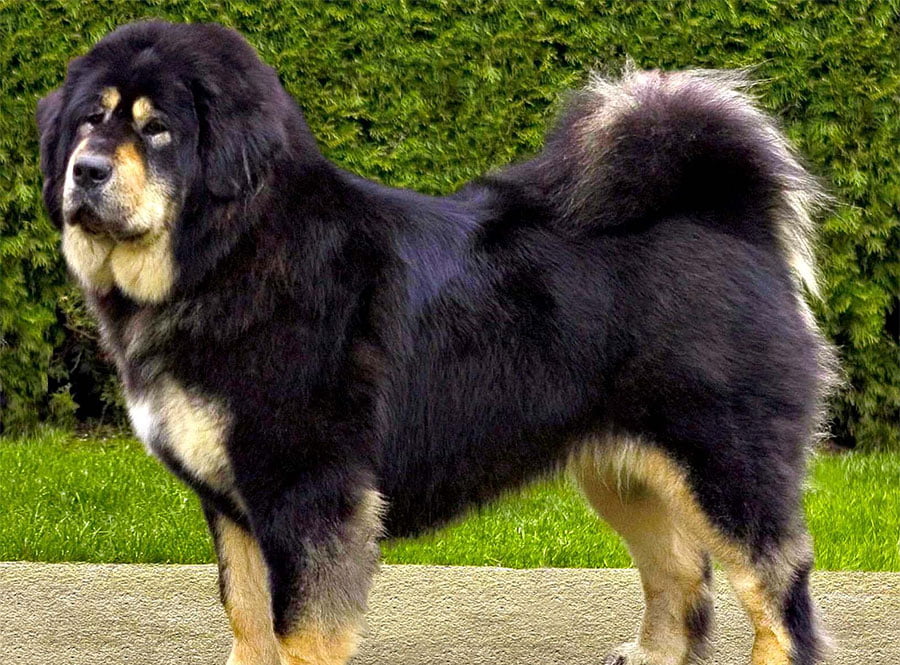
You might notice a Tibetan Mastiff for the first time in a photo and assume it is simply a very large, fluffy dog. Then you hear the stories: night barking, a fence-line patrol, a pup who seems to decide for themselves whether “sit” is worth doing. Suddenly it feels less like a big pet, and more like a dog shaped by a particular kind of work.
That is the practical thing to understand about Tibetan Mastiffs. Their size and coat are easy to spot, but their real “breed type” lives in their instincts: watchfulness, independence, and a tendency to take responsibility for what they consider their territory. In the right setting, those traits can be steady and reassuring. In the wrong one, they can become hard to live with.
If you are considering one, or living with a young dog who is starting to guard the house, it helps to look past the romance of an ancient guardian and focus on the everyday: space, socialisation, boundaries, grooming, and health screening. Those details matter more than most people expect.
- Breed category: Working (recognised in the AKC Working Group)
- Origin: Tibetan Plateau
- Typical height: At least 66 cm (dogs), 61 cm (bitches) in many breed standards1, 2
- Typical weight: Often around 40 to 70 kg (males) and 30 to 55 kg (females), with variation3
- Life expectancy: Commonly cited at around 10 to 12 years3
- Coat: Thick double coat, heavier seasonally1, 2
- Temperament: Independently minded, aloof with strangers, protective1, 2
- Best suited to: Homes with secure space, confident management, and realistic expectations
The Tibetan Mastiff as a working guardian

The Tibetan Mastiff is often described as “ancient”, and that is not just poetic language. For generations, dogs of this type were kept to guard livestock and property in harsh conditions, which rewards a dog who can make decisions without constant direction from a person. That history still shows up in the modern dog as independence under pressure, not automatic obedience.
People sometimes assume a guardian breed is like a large, friendly family dog who also barks at strangers. In practice, many Tibetan Mastiffs are more selective. They may watch quietly, assess, and only escalate if they think it is necessary. That can be an asset, but it means management matters, especially around visitors, tradies, and unfamiliar dogs.
It also helps to remember that “protective” does not mean “safe without training”. A powerful dog who feels responsible for the home needs clear routines, calm handling, and consistent limits, so their guarding stays thoughtful rather than reactive.
Temperament in real homes
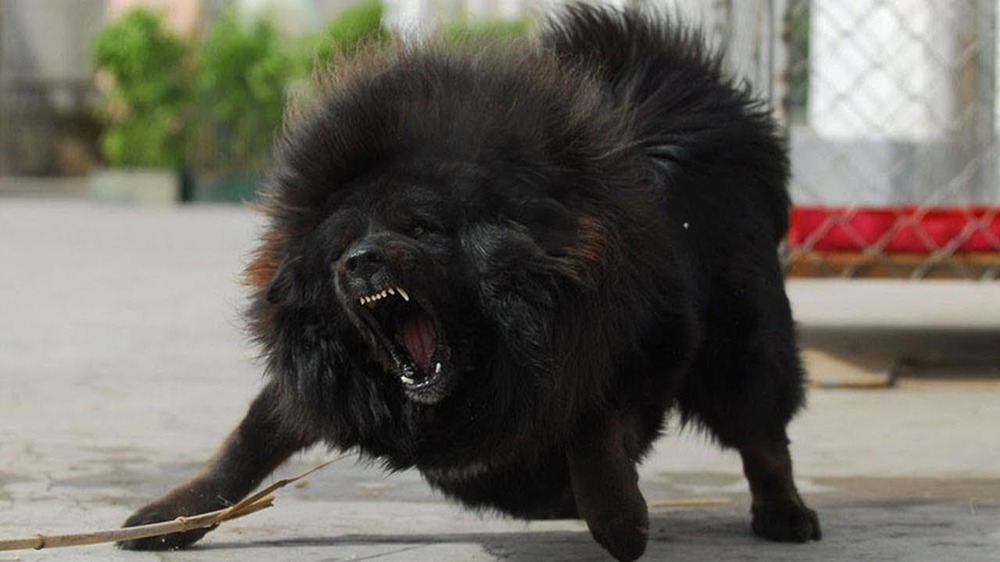
Tibetan Mastiffs are often loyal to their own people, but they can be reserved with strangers. Many are naturally territorial, and some are more comfortable observing from a distance than being approached for pats. Breed standards commonly describe them as aloof and protective, and that lines up with what many owners and trainers see day to day.1, 2
With children, the biggest issue is usually not “aggression”, it is scale and judgement. A large, slow-to-mature adolescent dog can bowl over a small child without meaning to. Supervision, calm introductions, and teaching children how to give a dog space are still essential, even when the dog seems gentle.
With other animals, early socialisation and careful management make a difference, but they do not erase genetics. Some individuals live peacefully with other pets, particularly if raised together. Others remain selective, especially on their property.
Training and socialisation that actually fits the breed
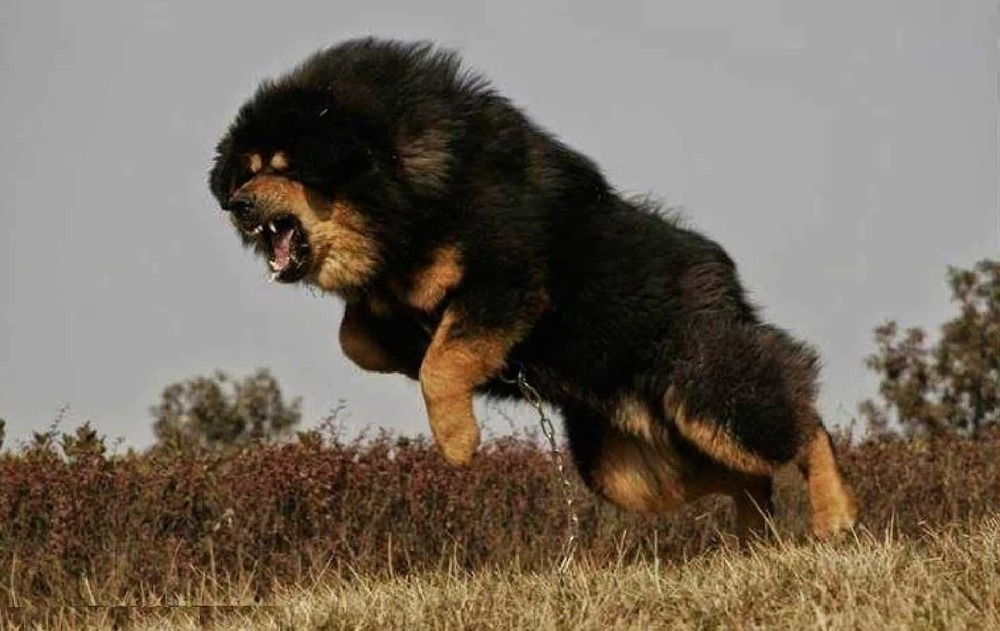
Training a Tibetan Mastiff is less about drilling commands and more about building cooperation. If you approach them as a dog who should comply instantly, you can end up in a standoff. If you treat them as a dog who benefits from clarity, repetition, and fair consequences, they often become steadier and easier to live with.
Early socialisation is not just meeting lots of people. It is structured exposure to the real situations your dog will face: the postie at the gate, visitors entering the house, kids on scooters, other dogs behind fences, and being calmly handled for grooming and vet checks.
Many owners find it helpful to work with a qualified trainer early, not because the dog is “bad”, but because prevention is easier than undoing a guarding habit once it has become the dog’s job.
- Prioritise boundaries: teach where the dog rests, how guests enter, and what happens at the fence line.
- Reinforce calm: reward quiet observation, not only barking.
- Keep sessions short: end while the dog is still engaged.
Exercise and daily rhythm
Tibetan Mastiffs are not usually endurance athletes, but they do need a stable routine. A couple of steady walks, some sniffing time, and brief training or enrichment at home suits many adults. Over-exercising a growing giant-breed pup is not a badge of honour. It can be counterproductive if it pushes an immature body too hard.
They often have a stronger “patrol” instinct than a “fetch” instinct. Secure space matters, and so does the habit of coming back inside and settling, rather than spending every evening escalating at the fence.
Night-time alertness is commonly reported in guardian breeds. If barking is becoming a pattern, it is worth looking at management first: visual barriers at the fence, bringing the dog inside earlier, and reinforcing quiet behaviour. In some situations, a trainer can help you separate normal watchfulness from a learned habit.
Health considerations and screening
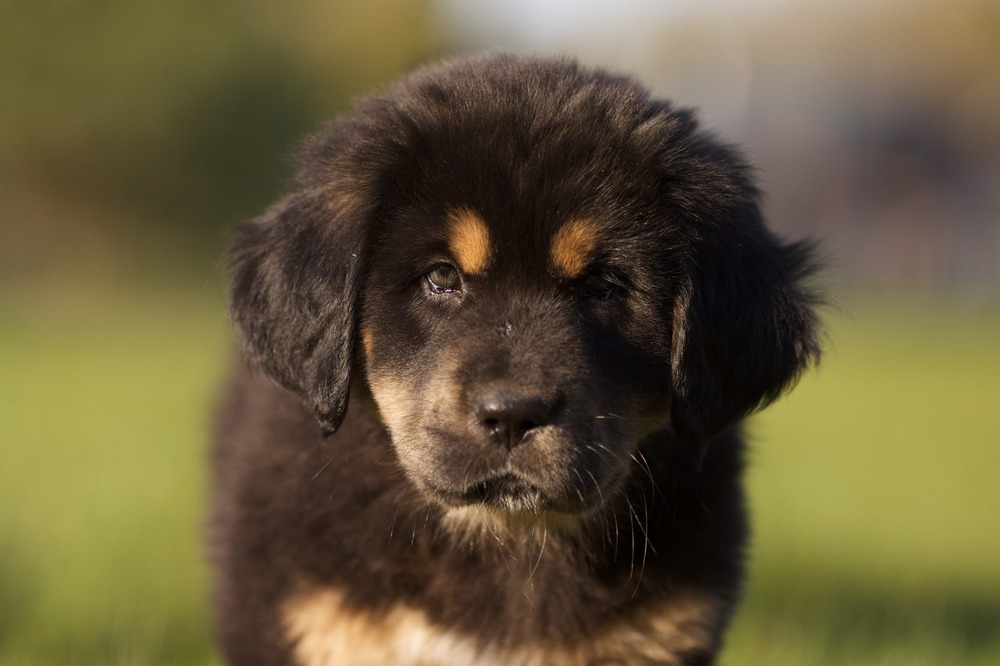
No breed is “problem free”, and large breeds come with predictable themes. Hip dysplasia is a well-known concern across many large dogs, and thyroid disease is also discussed in Tibetan Mastiff health circles. The practical step is to ask what health testing the breeder has actually done, and whether results are independently recorded.4
If you are buying a puppy, look for breeders who can show evidence of appropriate screening. If you already own a Tibetan Mastiff, regular vet checks and keeping your dog at a lean, athletic weight are two of the most useful, unglamorous ways to support long-term comfort.
It is also worth holding the lifespan expectation lightly. Many sources cite around 10 to 12 years, but individuals vary, and longevity often reflects genetics, body condition, and day-to-day management as much as luck.3
Coat care and grooming, including seasonal shedding
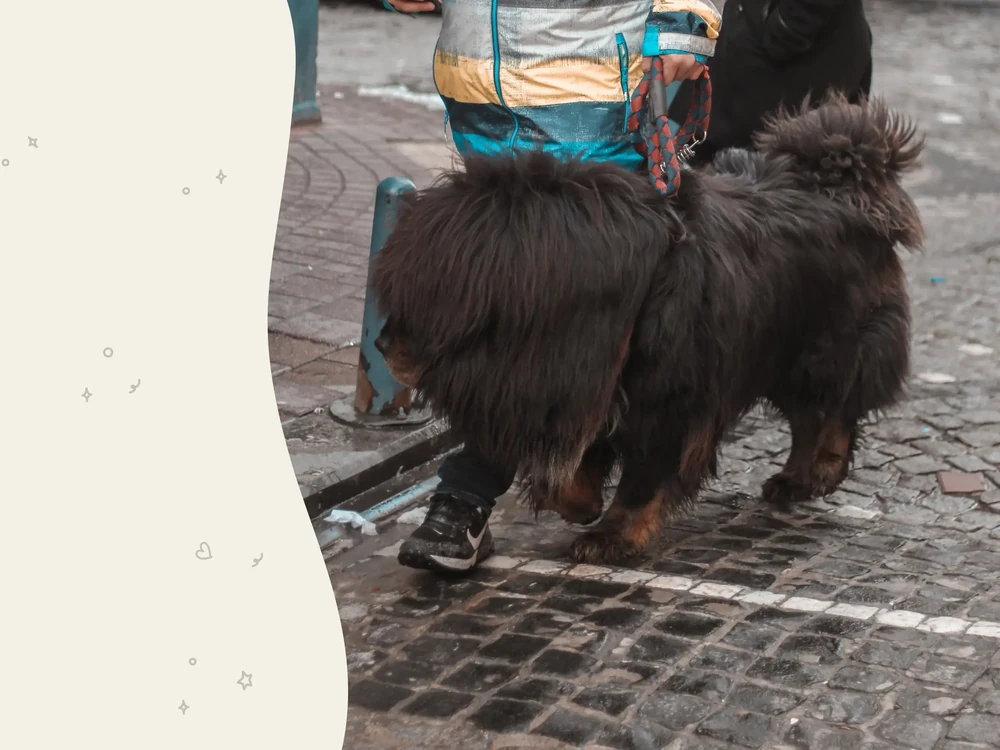
That big coat is not just decorative. Breed standards describe a dense coat with a heavier undercoat in cold weather and a lighter coat in warmer months, which is one reason seasonal shedding can be intense.1, 2
For many homes, weekly brushing is the baseline, with more frequent sessions when the coat “blows”. Focus on friction areas first: behind the ears, feathering, under the collar, and around the hindquarters. A grooming routine is also a behaviour project. Teach the dog to stand, be handled, and take breaks, especially as adolescents can be surprisingly opinionated about being brushed.
Bathing is usually occasional rather than constant. The bigger win is staying on top of tangles before they turn into mats, because mats are uncomfortable and can lead to skin problems hidden under the coat.
Feeding and nutrition, without the myths
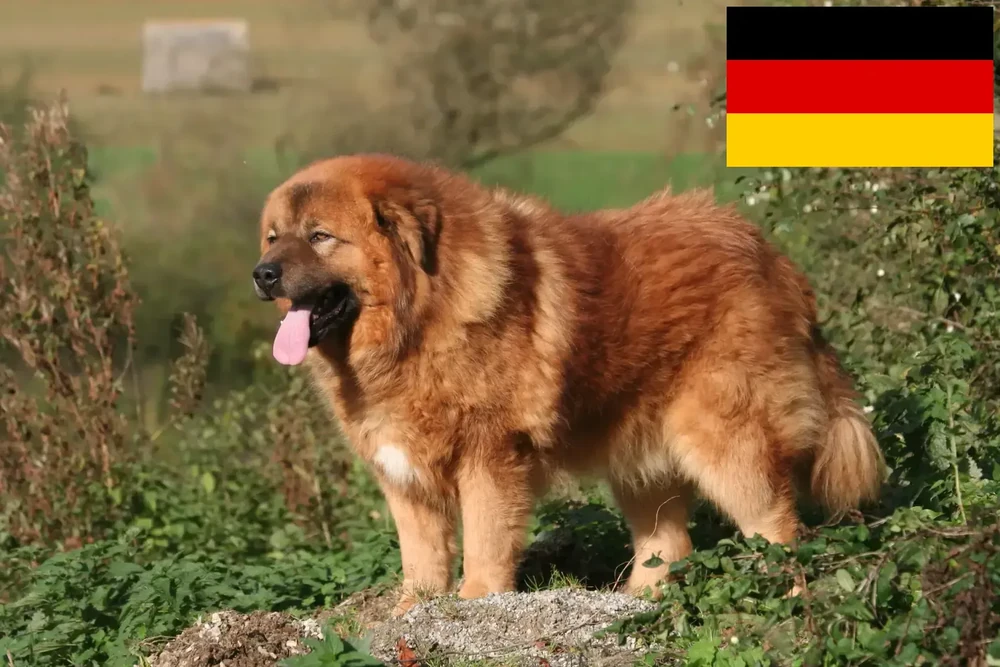
With a giant breed, nutrition is not just about “premium ingredients”. It is about whether the diet is complete and balanced, appropriate for life stage, and whether you can maintain a healthy body condition over time. The WSAVA Global Nutrition Committee encourages owners to look beyond the ingredient list and use more meaningful markers of quality, including manufacturer transparency and nutritional adequacy statements.5, 6
Some owners hear that Tibetan Mastiffs have a “special metabolism” and need unusually little food. In practice, appetites vary. What matters is monitoring your dog’s condition, adjusting portions, and getting veterinary advice if your dog is consistently not eating, losing weight, or showing gastrointestinal signs.
If you are considering a raw meat based diet, be cautious. Veterinary organisations such as AAHA do not recommend raw protein diets due to contamination risks and potential health impacts for pets and people, particularly in households with higher-risk individuals.7
Is a Tibetan Mastiff a good fit?
“Right breed” is often less about admiration and more about logistics. Tibetan Mastiffs tend to do best with owners who enjoy a steady routine, can manage visitors thoughtfully, and have the space and fencing to support a dog who takes territory seriously.
A Tibetan Mastiff is rarely a good match for someone who wants a highly social dog who loves everyone, or for a household where there is constant foot traffic through the home without a plan. It is also not an ideal breed for apartment living, not because they cannot relax indoors, but because noise and territorial triggers are harder to manage closely around neighbours.
In the right environment, they can be deeply steady dogs, calm with their family, and impressive in their quiet competence. The aim is not to “change” them into something else. It is to build a life that suits the dog you actually have.
References
- Dogs Queensland (ANKC affiliate): Tibetan Mastiff breed standard
- The Kennel Club (UK): Tibetan Mastiff breed standard
- American Kennel Club: Tibetan Mastiff breed information
- Orthopedic Foundation for Animals (OFA): CHIC requirements for Tibetan Mastiff
- WSAVA: Global Nutrition Guidelines
- WSAVA: Selecting a pet food (Global Nutrition Toolkit PDF)
- American Animal Hospital Association (AAHA): Position statement on raw protein diets
- American Kennel Club: Press release on Tibetan Mastiff eligibility and Working Group competition dates
- WSAVA: Global Nutrition Committee