

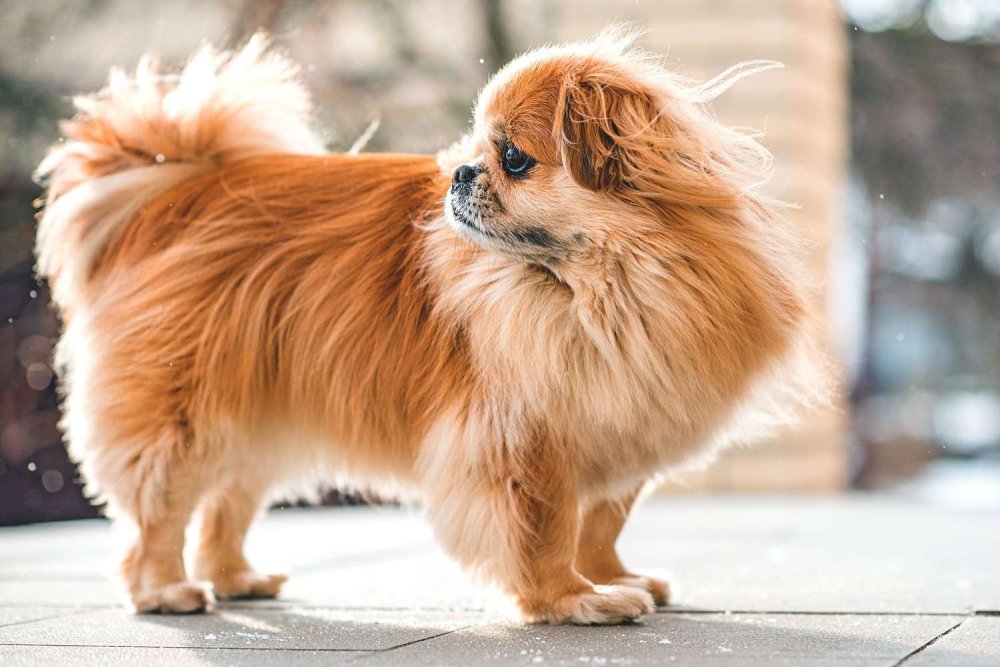
- Breed category: Companion dog
- Country of origin: Tibet
- Average height: About 25 cm
- Average weight: About 4 to 7 kg
- Typical lifespan: About 12 to 15 years
- Coat: Silky double coat
- Shedding: Moderate
- Temperament (typical): Alert, independent, affectionate
- Exercise needs: Moderate, daily
- Grooming: Regular brushing
- Apartment friendly: Often, yes
A lot of people meet the Tibetan Spaniel in a familiar way: a small dog hops up to get a better view, watches the room like it is taking notes, then decides whether you are worth greeting. It is easy to assume a dog that size is mainly a lap companion, but with this breed, that is only part of the picture.
Living with a Tibetan Spaniel often feels like sharing space with a bright, observant little creature that likes to keep one eye on the household and the other on the world outside. They can be affectionate and very attached to their people, but they are not always eager to perform on cue. That combination is exactly what many owners love, and what can catch others off guard.
Understanding where the Tibetan Spaniel comes from, and what its instincts were shaped to do, makes day-to-day care simpler. It also helps you make sense of common quirks such as perching up high, sounding the alarm at the door, or deciding a “sit” is negotiable.
The Tibetan Spaniel’s background, and why it still shows
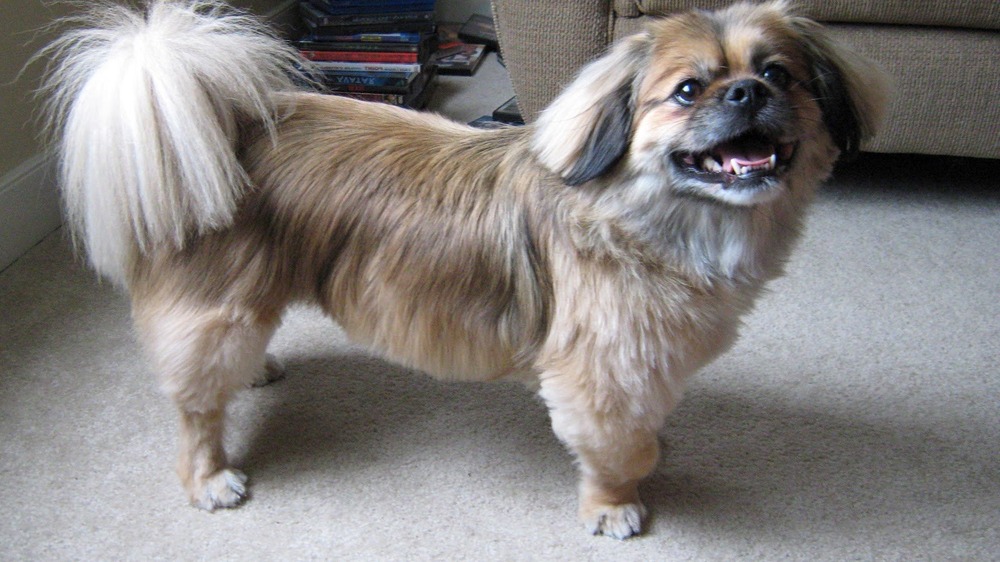
The Tibetan Spaniel is widely described as an ancient companion breed from Tibet, traditionally kept by Buddhist monks in monasteries. Rather than working as a hunting spaniel (the name is a historical quirk), they were valued as watchful companions and lookouts, often positioned up high where they could see and hear approaching visitors and raise the alarm.1, 2
That “lookout” role helps explain a lot of modern behaviour. Many Tibetan Spaniels still prefer an elevated vantage point, the back of the lounge, a window seat, the top step. It is not dominance in any meaningful sense, it is simply a sensible place for a dog that has been rewarded for noticing things early.
What they look like (and what is normal)
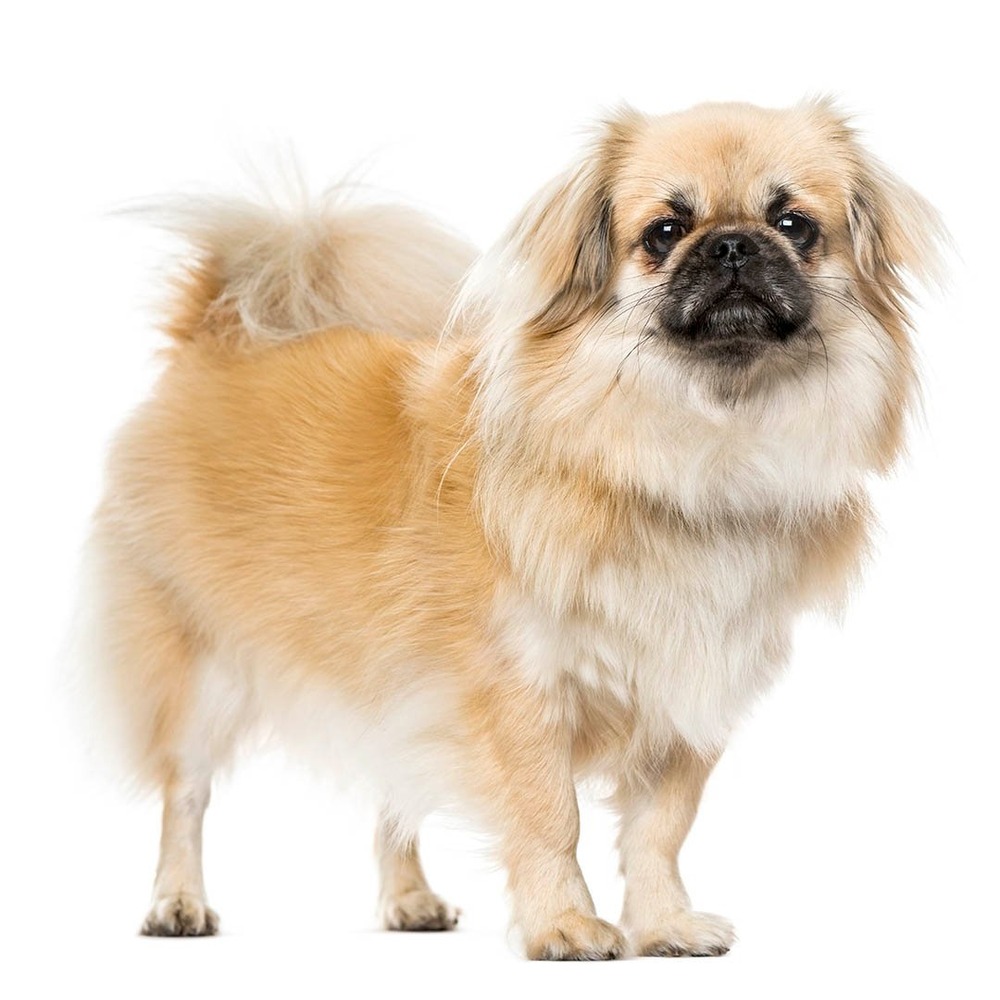
They are small, well-balanced dogs, commonly around 25 cm at the shoulder and roughly 4 to 7 kg. The coat is a double coat with a softer undercoat and a silky outer layer, and many dogs have a noticeable ruff that can read as a little “lion” mane, especially on males.1
People sometimes worry that a Tibetan Spaniel’s face looks a bit flatter than expected. Most are not as short-muzzled as classic brachycephalic breeds, but individuals vary. What matters is how your dog breathes and copes in warm weather, not the label.
Temperament, family life, and the gentle art of expectations
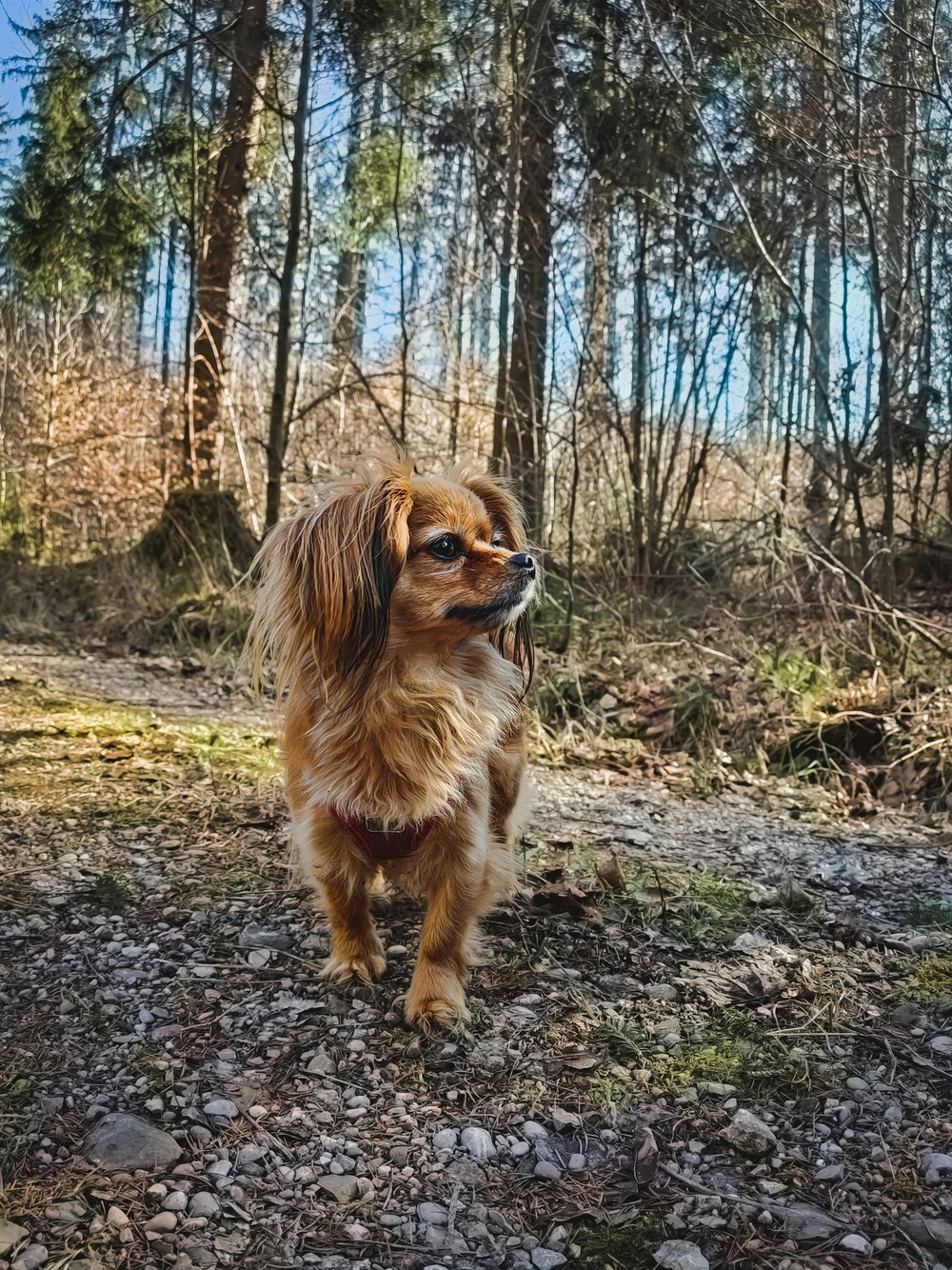
Tibetan Spaniels are often described as intelligent, alert, affectionate with their own people, and a bit independent. Many are reserved with strangers at first, then warm up once they have had a chance to observe and decide things are safe.3 In a home, that can look like a dog that is happy to be close, but not constantly handled.
If you are hoping for a small dog that greets every visitor like a long-lost mate, you may find the Tibetan Spaniel a touch more discerning. If you like a companion who feels emotionally present but not clingy, the breed’s quiet confidence can be a lovely fit.
Children and other pets
With children, temperament tends to shine when the household has calm boundaries. Tibetan Spaniels usually do best with kids who can read a dog’s signals and allow space when the dog disengages. Early, low-pressure socialisation helps, especially if the dog is likely to share the home with cats or other dogs.
As with any breed, the goal is not forced friendliness. It is building predictable, safe routines where the dog learns what to expect, and the humans learn what the dog is comfortable with.
Training and exercise, keeping it light and consistent
Tibetan Spaniels are typically quick learners, but that does not always translate to eager obedience. They often respond best to short sessions, clear cues, and rewards that genuinely matter to them. In practice, positive reinforcement tends to outperform firmness with this breed, because you are working with a dog that notices patterns and remembers how interactions feel.4
Daily movement matters, but it does not need to be intense. A couple of gentle walks, a sniffy wander, and some indoor games are often enough. They also benefit from mental enrichment, such as food puzzles or a “find it” game, because an observant dog can invent its own entertainment if nothing is on offer.
Barking and “being on duty”
Many Tibetan Spaniels will bark when they notice changes, footsteps, the lift dinging in an apartment block, or a new car pulling up. It helps to treat this as information rather than misbehaviour. Thank them, cue a simple alternative (like going to a mat), then reward calm. Over time, you are teaching the dog that alerting is allowed, but staying “on duty” is not required.
Health considerations, what to watch for over a lifetime
No breed is free of health risk, and a sensible approach is to stay aware without becoming anxious. Tibetan Spaniels are often described as generally robust, with a typical lifespan in the low-to-mid teens, but there are known inherited issues that turn up often enough to be worth discussing with your vet and breeder.3
Eyes: progressive retinal atrophy (PRA)
Progressive retinal atrophy (PRA) is a degenerative retinal disease that ultimately leads to vision loss. In many forms, it first shows up as difficulty seeing in dim light, then progresses over time. PRA is inherited, which is why responsible breeding and appropriate screening matter.5
Knees: patellar luxation
Small breeds can be prone to patellar luxation, where the kneecap intermittently slips out of position. Signs can be subtle at first, such as a brief “skip” in the gait, or a reluctance to jump down. Your vet can assess knees during routine exams, and breeders may use formal certification schemes in some countries.6
Heat and warm weather care
Even if your Tibetan Spaniel is not truly flat-faced, small dogs with heavier coats can struggle in hot, humid weather. Plan walks for cooler parts of the day, provide shade and ventilation, and take panting seriously. If you suspect heat stress or heatstroke, start cooling with tepid or cool water and airflow (not ice), and contact a vet promptly.7, 8
- Choose cooler walk times, early morning or later evening.
- Check the ground temperature with your hand before walking on pavements.8
- Keep fresh water available, indoors and out.
- Never leave any dog in a parked car, even briefly.7
Coat care, grooming, and the practical reality of fluff

The Tibetan Spaniel coat is usually easier than it looks, provided you keep up with it. A regular brush helps prevent tangles in feathering behind the ears, along the legs, and around the ruff. Most owners find a once or twice weekly routine realistic, with a little extra effort during seasonal shedding.
Try to think of grooming as quiet handling practice as much as maintenance. Done gently and consistently, it becomes one of the ways a dog learns that being touched is predictable and safe.
Simple grooming checklist
- Brush through the feathering and check for small mats.
- Look inside ears for redness or wax build-up.
- Trim nails as needed, especially if they do not wear down naturally.
- Keep teeth in mind, small dogs can be prone to dental disease, so ask your vet what home care is appropriate.9
Feeding and weight, small bodies and big consequences
Tibetan Spaniels do well on a complete and balanced diet suited to their life stage. The bigger challenge is often not choosing a food, but keeping treats and extras in proportion. In a small dog, even modest overfeeding can show up quickly on the scales.
If you are unsure whether your dog is a healthy size, your vet can help you assess body condition and set a realistic target. Keeping weight steady is one of the more practical ways to reduce strain on joints and support long-term comfort.10
Closing thoughts, the dog in front of you
The Tibetan Spaniel tends to suit people who appreciate a companion with opinions. They can be affectionate and deeply connected to the household, while still keeping that monastery lookout habit of noticing everything. If you meet them with patience, clear routines, and calm, consistent handling, they often repay that effort with a steady, engaging kind of companionship.
If you are considering the breed, spend time with a few adults, not just puppies. The more you can see the full personality, the easier it is to recognise whether their particular mix of independence and closeness matches your everyday life.
References
- Tibetan Spaniel Club of America: About the Breed
- American Kennel Club: Dog Breeds Beloved by Monks (includes Tibetan Spaniel)
- PDSA: Tibetan Spaniel
- American Veterinary Society of Animal Behavior (AVSAB): Position Statements (training and behaviour)
- American College of Veterinary Ophthalmologists (ACVO): Progressive Retinal Atrophy (PRA)
- Orthopedic Foundation for Animals (OFA): Patellar Luxation
- RSPCA Australia: Warm weather worries, protect pets from heatstroke
- RSPCA Australia: Keeping your pet safe during the heat
- RSPCA Knowledgebase: Why is dental care important for my pet?
- World Small Animal Veterinary Association (WSAVA): Global Nutrition Guidelines