

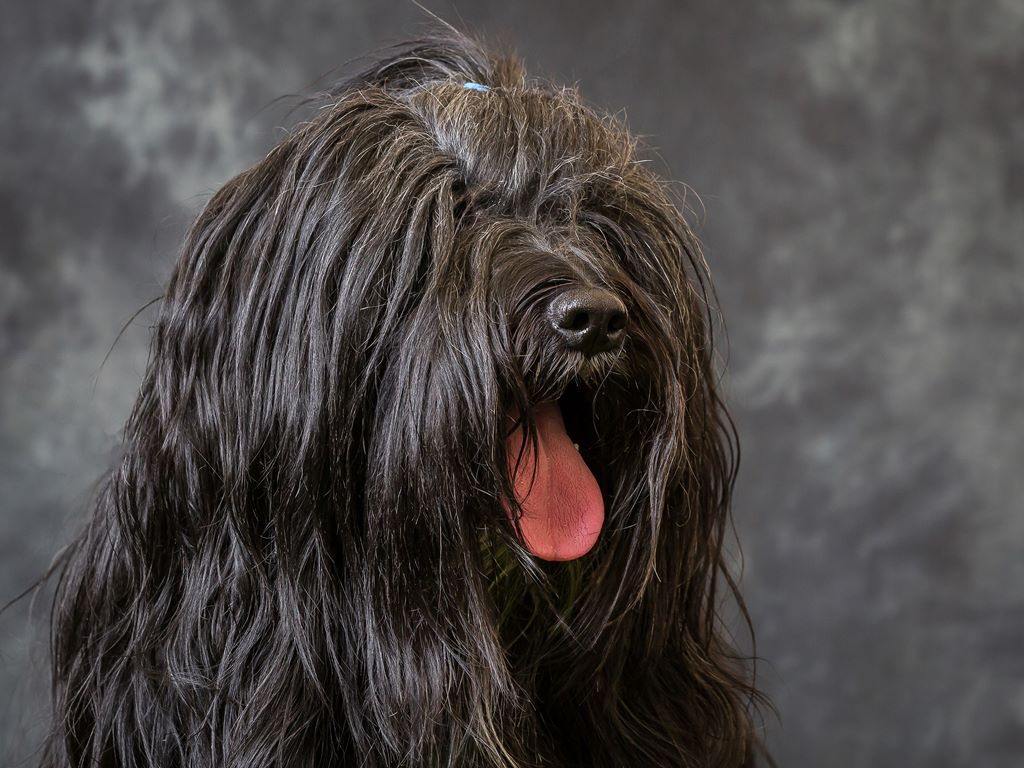
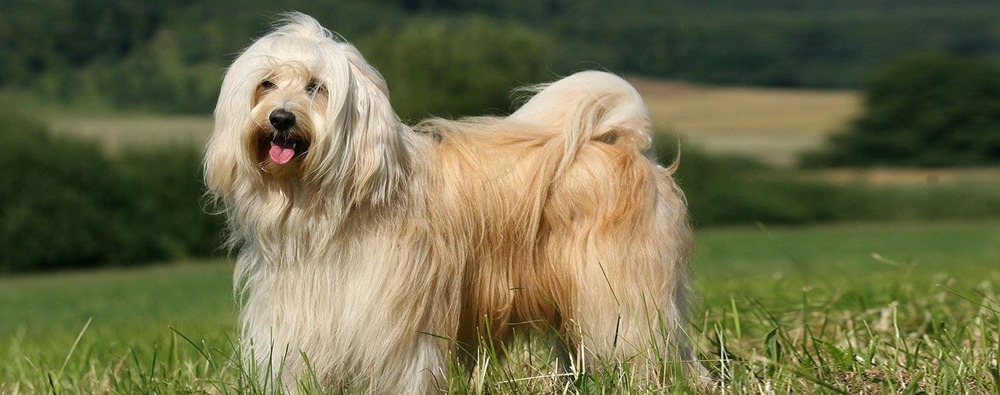
You might first notice a Tibetan Terrier because of the coat. It has that distinctive, shaggy fall of hair that makes people assume the dog is either “high maintenance” or “non-shedding”, depending on who you ask. Then you meet one, and the picture gets a bit more interesting. Many Tibetan Terriers are alert, observant dogs that like to be near their people, without necessarily being clingy.
The name can throw people too. Despite “terrier” being right there on the tin, this is not a typical terrier type in temperament or history. The Tibetan Terrier developed in a very different context, and it tends to show in the way the breed moves, thinks, and settles into home life.
What matters in practice is fit. A Tibetan Terrier can suit an apartment or a busy family, but only if you genuinely enjoy the day to day realities: coat care, steady training, and a dog that pays attention to the world around them.
- Breed group (Australia): Group 7 (Non Sporting)1
- Height: 36 to 41 cm at the shoulder (bitches slightly smaller)1
- Coat: Long, double coat, straight or waved, not curly1
- Typical lifespan: Commonly around 12 to 15+ years (varies by line and care)4, 8
- Exercise needs: Moderate, most do best with daily walks and play4, 7
- Maintenance: Regular grooming to prevent mats in the coat4, 8
The Tibetan Terrier’s background, and why the name is misleading
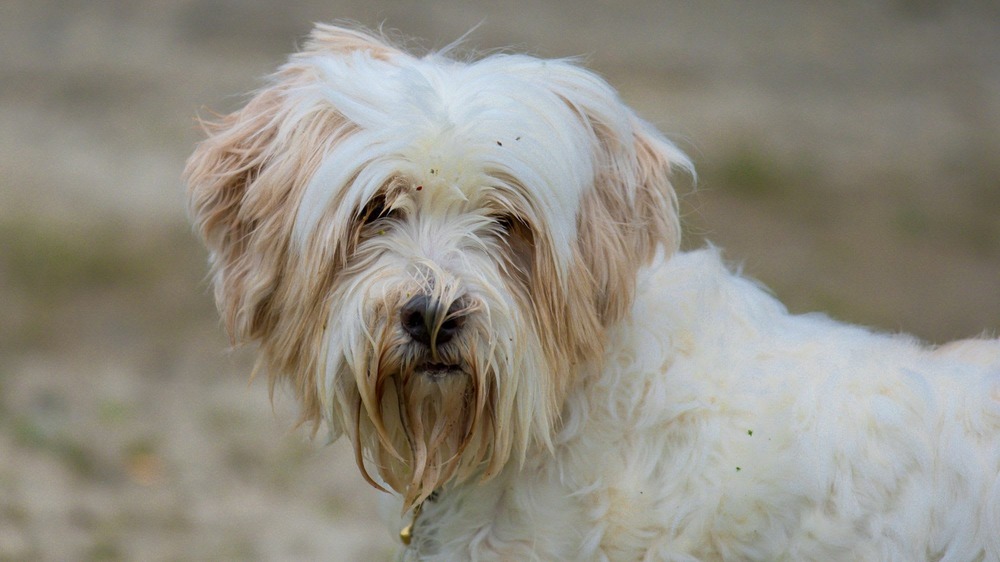
In Australia, the Tibetan Terrier is recognised in the Non Sporting group, and the breed standard describes a sturdy, medium-sized dog with a long coat and a generally square outline.1 That standard matters because it explains the breed’s “why”: this is a dog built to move efficiently across uneven ground, with feet that are large and well furnished with hair between toes and pads.1
The “terrier” label is historical rather than functional. Tibetan Terriers were not developed as earth-working hunting dogs in the way many terriers were. If you expect a hard-charging, independent dog that lives to chase and dig, you may misread what you are seeing. Many Tibetan Terriers are lively and game, but they are often more measured in the way they approach new situations, especially with strangers.1, 4
It is also worth remembering that “Tibet” here speaks to geographic origin and cultural story, not a guarantee of cold-weather toughness in every home. Their coat can help in cooler conditions, but a thick coat can become a burden in humid heat if the dog cannot rest in a cool, well-ventilated space.
Temperament and what they are like to live with
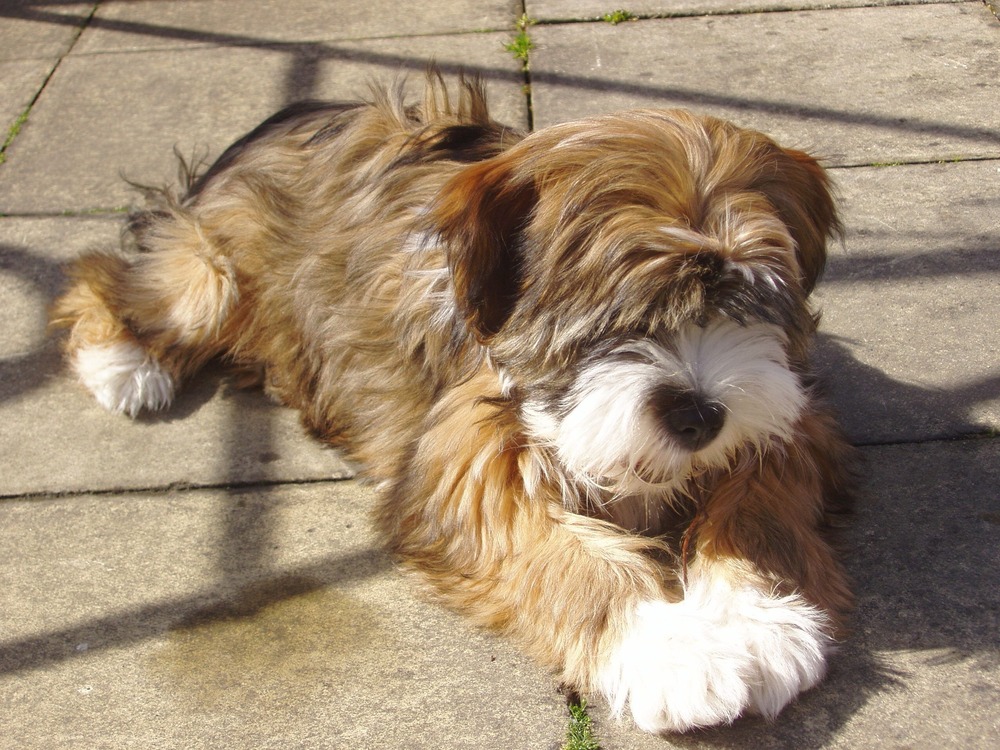
At their best, Tibetan Terriers are alert companions who like being part of the household routine. The breed standard describes them as good natured and loyal, and also notes they can be sparing of affection with strangers, which is a helpful way of saying: some will take their time before they decide someone is “in”.1
This can look like shyness if the dog has not been socialised well, or if people push for contact too quickly. A calmer, more respectful approach often suits the breed: letting the dog observe, offering choice, and rewarding confident curiosity rather than forcing a greeting.
With children, many Tibetan Terriers do well when kids are old enough to follow a few simple handling rules. As with any breed, it is sensible to supervise play, keep games low-pressure, and teach children not to grab at coat, feet, or tail. With other pets, early introductions and ongoing management usually matter more than breed stereotypes.
Training and daily exercise, keeping the brain engaged
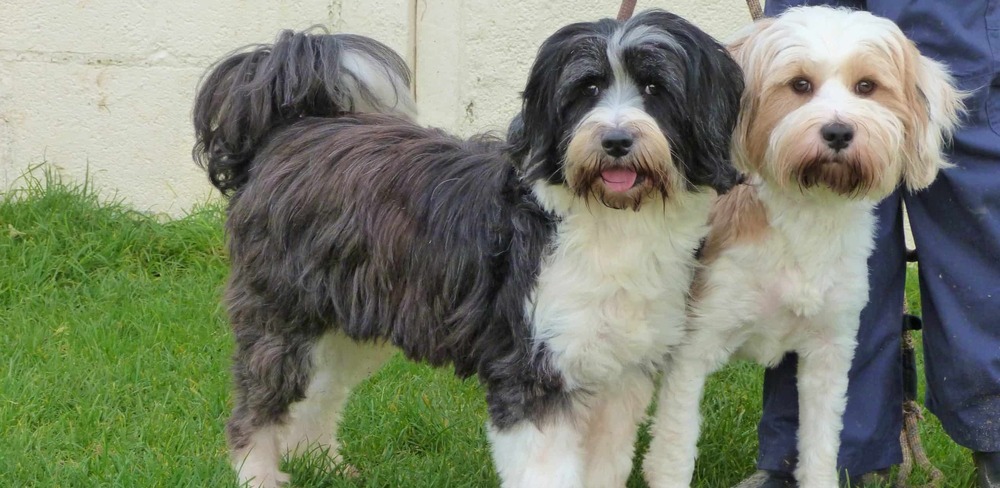
Tibetan Terriers often respond well to training that is consistent, reward-based, and not too repetitive. They can be clever problem-solvers, and they may switch off if sessions feel like drilling. Think of training as a series of short conversations across the day, not one long lesson.
For exercise, many do well with a daily walk plus a little play and sniffing time. Some sources suggest aiming for around 30 to 60 minutes a day, while acknowledging that individuals vary by age, health, and temperament.7 A young dog will usually need more structure than an older one, and a dog with joint concerns may need gentler, more frequent outings rather than big bursts.
If you are choosing activities, it helps to mix physical movement with mental work. For example:
- Loose-lead walking with permission to sniff
- Food puzzles and scatter feeds in the yard or on a snuffle mat
- Basic agility-style skills at home (low impact, no big jumps)
- Recall games in a secure area
Health considerations, what to screen for and watch over time
Tibetan Terriers are often described as a hardy, long-lived breed, but “hardy” does not mean “issue-free”. Reputable breed health resources commonly mention inherited concerns that include hip dysplasia and a range of eye conditions (such as progressive retinal atrophy, cataracts, and primary lens luxation).4, 8
The most practical takeaway is not to become anxious about every symptom. It is to choose breeders who can explain what health testing they do, and to keep up with routine veterinary care so subtle changes are noticed earlier rather than later. Eye changes, hesitancy on stairs, or a dog that is less keen on walks can all be worth a calm check-in with your vet.
Lifespan figures vary across sources and lines. It is commonly cited around the low-to-mid teens, with some dogs living longer with good care and good luck.4, 8
Coat care and grooming, the reality behind the “low-shedding” talk
A Tibetan Terrier’s coat can be a joy, but it asks for your time. The coat is double, with a woolly undercoat and a profuse top coat, and the standard notes it should be long, straight or waved, and not curly.1
Some people describe the breed as low-shedding, and it is true that many Tibetan Terriers do not leave the same level of hair around the house as some double-coated breeds. Still, hair that does not drop out easily can tangle and mat instead. In day-to-day terms, that usually means brushing several times a week, and being especially attentive behind the ears, under the legs, and anywhere a harness rubs.4
If grooming becomes a battle, it is often because the dog has learnt that brushing predicts discomfort. Going slowly, using the right tools, rewarding calm handling, and keeping the coat at a manageable length can make a huge difference. A good groomer can help you choose a practical trim that still respects the breed’s look.
Heat, thick coats, and staying safe in Australian summers
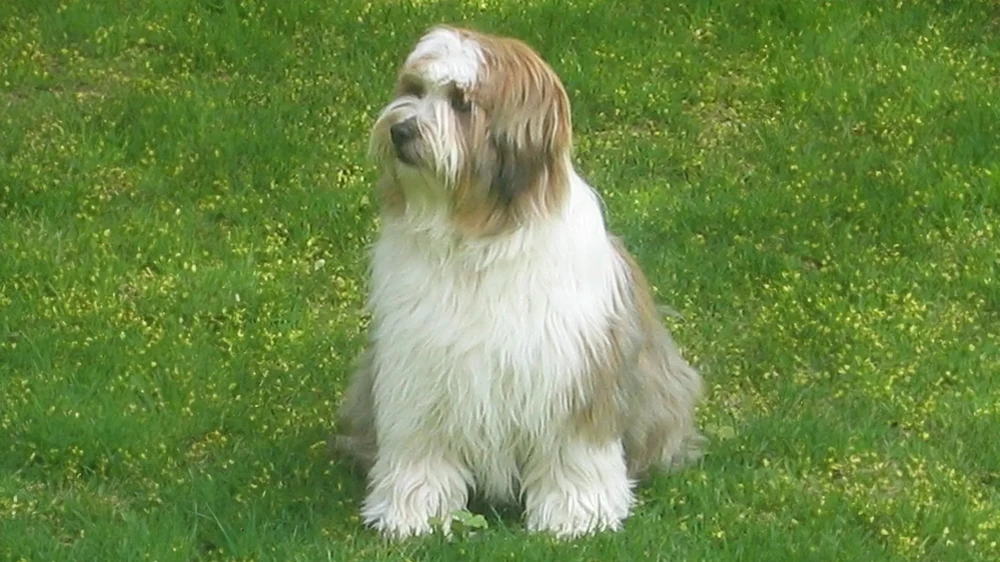
A long coat can trap heat, especially when humidity is up or the dog is exercising. It helps to treat summer management as part of normal care, not a special event. Provide shade and ventilation, avoid hard exercise in the hottest part of the day, and keep water easy to access.5
It is also worth knowing the signs of heat stress in dogs, which can include persistent panting, drooling, agitation, red or pale gums, vomiting or diarrhoea, weakness, and collapse. Heatstroke is a veterinary emergency, and quick action matters.5, 6
If you are ever unsure, err on the side of caution. Move your dog to a cooler area, start gentle cooling with cool or tepid water and airflow, and contact your vet promptly for advice.5, 6
Feeding and weight, keeping things simple and steady
Tibetan Terriers do best on a complete, balanced diet that suits their life stage and activity level. In practice, the biggest nutrition issue many pet dogs face is not the brand of food, but slow, gradual weight gain that goes unnoticed until joints and stamina start to suffer.
Using a measuring cup, adjusting portions when activity changes, and keeping treats modest are boring habits that genuinely help. If you are trying to work out whether your dog is at a healthy weight, ask your vet to show you how to use a body condition score and what “fit” looks like on your individual dog.9
Choosing a Tibetan Terrier, what tends to make ownership go well
When Tibetan Terriers slot neatly into a home, it is usually because people enjoy the same things the dog needs: companionship, a bit of training as part of daily life, and a willingness to maintain the coat. The breed can adapt to different households, but it rarely thrives when left socially isolated or when grooming is treated as an occasional chore.
If you are meeting breeders or rescues, it can help to ask practical questions rather than chasing a perfect description. Ask what the dog is like with handling and grooming, how they are around visitors, what exercise they are used to, and what health screening has been done in the line.8
The Tibetan Terrier is not a dog for everyone, and that is fine. For the right person, though, it can be a deeply satisfying companion: attentive, quirky, sturdy, and often surprisingly graceful once you see past all that hair.
References
- Dogs NSW: Tibetan Terrier breed standard
- American Kennel Club (AKC): Tibetan Terrier
- The Kennel Club (UK): Tibetan Terrier breed information
- PetMD: Tibetan Terrier (health and care)
- RSPCA Australia: Protect pets from heatstroke
- RSPCA Australia: Keeping your pet safe during the heat
- WSAVA: Global Nutrition Guidelines (PDF)
- Tibetan Terrier Club of America: Breed health
- Cornell University: Body condition scoring