

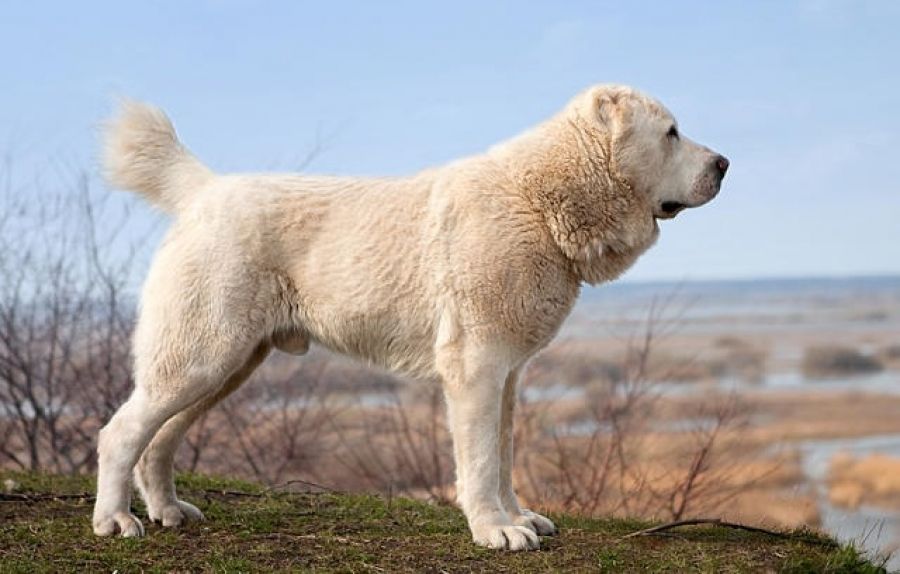
It often starts with something small. You notice a big, watchful dog in a rural yard, calm until something changes, then suddenly very present. Or you meet someone who wants a “guardian breed” because they live on acreage, keep stock, or simply want to feel safer at home, and they land on the name “Torkuz”.
What people usually discover next is that this isn’t a “large dog” in the casual sense. The Torkuz is commonly used as another name for the Central Asian Shepherd Dog, a livestock guardian type shaped by work, terrain, and time. Dogs like this tend to be steady and self-directed, and that can feel reassuring, or challenging, depending on the household.
Understanding the breed is less about hype and more about fit. Space, fencing, socialisation, and a realistic plan for training and care matter here, because a guardian dog’s strengths can become difficult to live with if they’re placed in the wrong setting.
- Breed category: Livestock guardian, working type
- Often also called: Central Asian Shepherd Dog, Alabai
- Origins: Central Asia (regional landrace type)
- Typical size: Very large, males generally larger than females
- Coat: Double coat, can be short or longer, weather resistant
- Exercise needs: Moderate to high, depends on age and management
- Temperament: Loyal to family, reserved with strangers, independent
- Common health concerns: Hip and elbow dysplasia risk in large breeds
Where the “Torkuz” name sits, and what this dog was built to do

In many English-language contexts, “Torkuz” is used to refer to the Central Asian Shepherd Dog, a broad livestock guardian type that developed across a wide geographic region rather than a single, tightly controlled breeding program. Traditionally, these dogs were expected to make decisions at a distance from people, hold territory, and discourage predators and intruders, often in harsh conditions.1, 2
That background explains a lot of what owners notice at home. Many lines are naturally alert and selective with their trust. They can be quiet day to day, then switch to a strong defensive response if something appears “wrong” in their environment. This is not a flaw. It is the job description, and it is why thoughtful management matters.
If you are choosing this breed because you want a dog that “protects”, it helps to be specific about what you mean. A well-managed guardian dog can offer deterrence and boundary awareness. A poorly managed one can become a liability, especially in suburban streets, around visitors, or in households that cannot control access and movement.
Size, coat, and the physical traits that affect day-to-day care

These are imposing dogs, and the numbers matter because they have practical consequences for handling, transport, feeding costs, and injury risk. In the FCI standard for the Central Asian Shepherd Dog, the minimum height is 70 cm for males and 65 cm for females, with minimum weights of 50 kg and 40 kg respectively.1, 2
Coat is another commonly misunderstood detail. Many people expect a “short and dense” coat only, but the recognised description allows both shorter and longer coat types, always with a well-developed undercoat. That undercoat is protective in cold and wind, but it also means seasonal shedding can be substantial even when grooming feels “low maintenance”.2, 3
Because the breed is built for endurance rather than sprinting games, owners often do best with steady routines: long sniffy walks on lead, time in a secure yard, and structured “jobs” like boundary walks, calm obedience, or controlled carrying and tug (when appropriate).
Temperament, family life, and what “protective” looks like at home
Good Central Asian Shepherd types tend to be calm in familiar settings and serious about their space. They often settle well when their daily pattern is predictable, and when the household makes it clear who controls the doors, gates, and greetings.
With children, the key variable is not whether the dog is “nice”, but whether the adults can set up safe interactions and keep them consistent. A large guardian dog may tolerate family noise, but can still be overwhelmed by unpredictable movement, visiting friends, or rough play. The safest approach is to think in terms of supervision and structure, not “trust”.
With other pets, some individuals live peacefully with animals they have grown up with, especially when introductions are slow and managed. Others remain selective, particularly with unfamiliar dogs entering their territory. If you have multiple animals, plan for separated spaces and controlled feeding, and assume you will need management even if things start smoothly.
Training and socialisation that respects the breed’s instincts
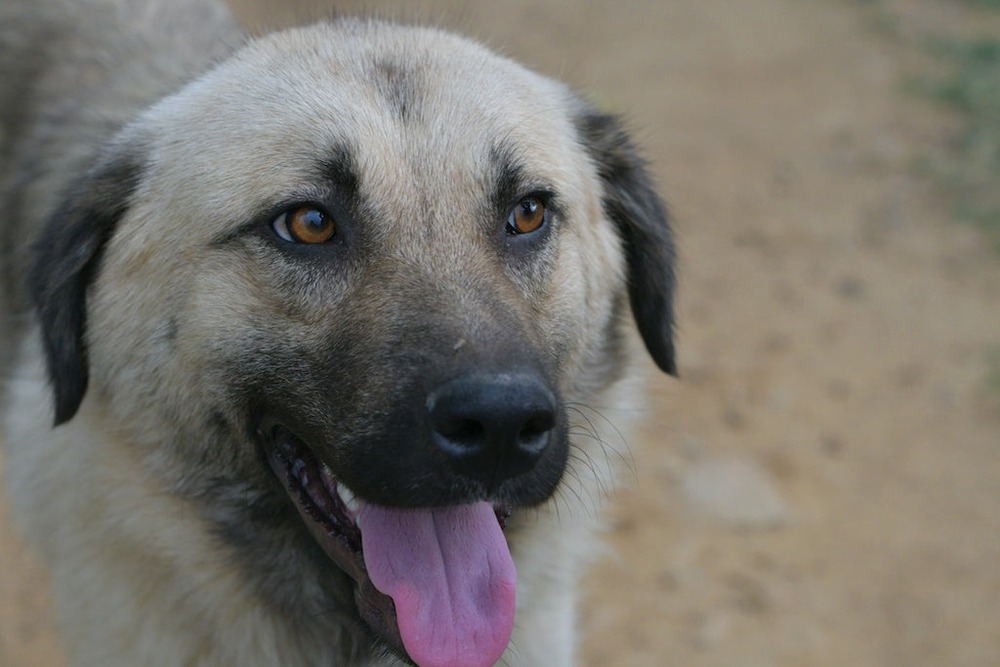
Early training matters here, but not in the “tricks and titles” sense. You are teaching a powerful, independent dog how to live safely in a human world: how to pause at gates, how to settle when visitors arrive, how to walk past other dogs, and how to be handled calmly for vet care.
Reward-based methods are strongly supported by animal welfare guidance. The RSPCA recommends training based on positive reinforcement and advises against punishment-based or aversive techniques and equipment, which can increase risks for both dogs and people and can worsen behaviour problems over time.4
For many households, the most useful training priorities are:
- Door and gate routines, no rushing past you, no rehearsing guarding at the threshold.
- Calm greeting skills, place or mat training, and planned visitor setups.
- Lead manners that rely on reinforcement and distance, not physical correction.
- Handling and restraint practice for brushing, nails, ears, and vet exams.
If you are not experienced with guardian breeds, working with a qualified trainer who understands large, protective dogs can save a lot of stress. It is also fair on the dog, because confusion and conflict tend to show up as reactivity or resistance in breeds that prefer to make their own decisions.
Exercise, fencing, and daily management in suburban and rural homes
These dogs usually need more than a short stroll, but not necessarily endless high-intensity running. What they often need is purposeful movement paired with clear boundaries. A secure fence is not optional, because roaming is both dangerous and self-reinforcing for a territorial breed.
In rural homes, many owners find boundary walks and predictable chores suit the dog’s instincts. In suburban homes, management can be harder. Neighbours, deliveries, visitors, and passing dogs can become daily triggers unless the household has strong routines and is willing to control access to windows, gates, and front fences.
Be cautious in hot weather. Heavier, thick-coated dogs can overheat quickly, especially with humidity, poor airflow, or exercise in the heat of the day. RSPCA guidance on heat stress and heatstroke includes practical prevention (shade, ventilation, fresh water, avoiding hot-day exercise) and clear warning signs such as relentless panting, drooling, weakness, vomiting, and collapse, with advice to seek veterinary help urgently.5, 6
Health considerations, lifespan, and sensible prevention

Large breeds can live long, healthy lives, but they do carry predictable risks. Hip dysplasia is a well-known issue in many large dogs. The American College of Veterinary Surgeons describes canine hip dysplasia as a condition that begins during growth, involves hip joint laxity, and can lead to pain, lameness, and progressive arthritic change over time.7
If you are buying a puppy, ask what screening is done in that breeding program, and ask to see evidence rather than relying on verbal reassurance. Screening approaches vary by country and registry, but reputable programs generally use veterinary radiographs and structured evaluation. The Orthopedic Foundation for Animals outlines hip dysplasia screening principles and the role of properly positioned radiographs, often under chemical restraint for adequate relaxation.8
Day to day, the most effective prevention is often unglamorous: keeping your dog lean, building muscle gradually, and avoiding repetitive high-impact exercise in a fast-growing youngster. It also means seeing your vet early if you notice stiffness, reluctance to jump, “bunny hopping”, or uneven hindlimb gait, because early support can make a meaningful difference.
Feeding and body condition, focusing on the dog in front of you
Because these dogs are so large, small feeding errors add up. The goal is steady growth in puppies, and a fit, athletic body condition in adults. Overfeeding can contribute to rapid weight gain, which can complicate joint stress in predisposed dogs.
Rather than chasing a single “best food”, use your vet as the anchor, and track what your dog’s body is doing. The World Small Animal Veterinary Association (WSAVA) provides global nutrition guidance and practical tools for veterinary teams, including diet history and body condition resources, with an emphasis on an individually tailored nutrition plan rather than one-size-fits-all rules.9
In practice, that usually means:
- Choose a complete diet appropriate for life stage, and adjust portions based on body condition, not the packet alone.
- Keep treats and extras honest, especially in training-heavy phases.
- Weigh regularly, because “looks fine” is unreliable under a thick coat.
Final thoughts on living with a guardian breed
A Torkuz, or Central Asian Shepherd Dog type, suits people who respect what the dog is: a capable guardian with its own judgement, not a blank slate. If you have the space, the fencing, and the willingness to train with consistency and care, you can end up with a dog that is steady, devoted, and quietly impressive.
If you are hoping for an easygoing social butterfly, or if your home has constant visitor traffic, shared driveways, or limited ability to control greetings, it may be kinder to choose a different breed. With guardian dogs, the right match is the difference between a calm companion and a daily management problem.
References
- FCI breeds nomenclature: Central Asia Shepherd Dog (No. 335)
- FCI standard text (via Dogs Global): Central Asian Shepherd
- United Kennel Club (UKC) breed standard: Central Asian Shepherd Dog
- RSPCA Knowledgebase: Reward-based training and why it matters
- RSPCA Australia: Keeping your pet safe during the heat
- RSPCA Pet Insurance: Heatstroke (hyperthermia) guide for cats and dogs
- American College of Veterinary Surgeons (ACVS): Canine Hip Dysplasia
- Orthopedic Foundation for Animals (OFA): Hip dysplasia information and screening
- WSAVA: Global Nutrition Guidelines