

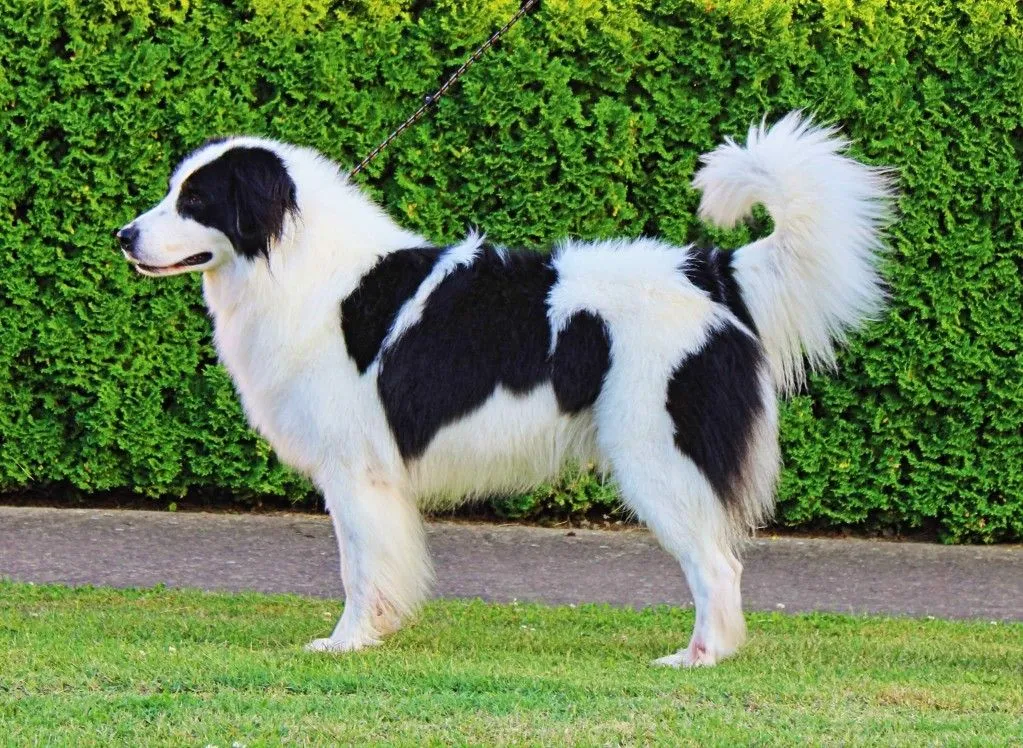
- Breed category: Working group (livestock guardian type)
- Country of origin: Bosnia and Herzegovina and Croatia1
- Average height: Males 65 to 70 cm, females 60 to 65 cm (varies by line and standard)
- Average weight: Males 35 to 50 kg, females 28 to 40 kg (varies by condition and genetics)
- Life span: About 12 to 14 years
- Coat: Dense, long and thick, double-coated
- Exercise needs: High, daily physical activity plus mental work
- Grooming: Moderate, regular brushing, heavier during seasonal sheds
- Temperament: Calm, loyal, watchful, naturally protective
- Best suited for: Rural or suburban homes with space and secure fencing
People usually come across the Tornjak because they have noticed a big, striking white-and-patch dog in a photo, at a show, or on a farm, and they cannot quite place what it is. It looks friendly at a glance, but the posture and the watchfulness suggest something more serious than a typical companion breed.
It is tempting to assume that a calm dog is an easy dog, or that a fluffy, family-looking coat means a soft temperament. With livestock guardian breeds, those shortcuts do not hold up for long. The Tornjak was shaped for steady, independent work in close proximity to animals and people, and that history still shows in the way many individuals move through a home and yard.
If you are considering one, or you already share your place with a young Tornjak, the practical questions tend to be the same: how much space is enough, what sort of training actually helps, and how do you keep a heavy-coated guardian comfortable in an Australian summer. Getting those basics right is what turns “impressive dog” into a settled, safe companion.
The Tornjak’s background and what it was bred to do
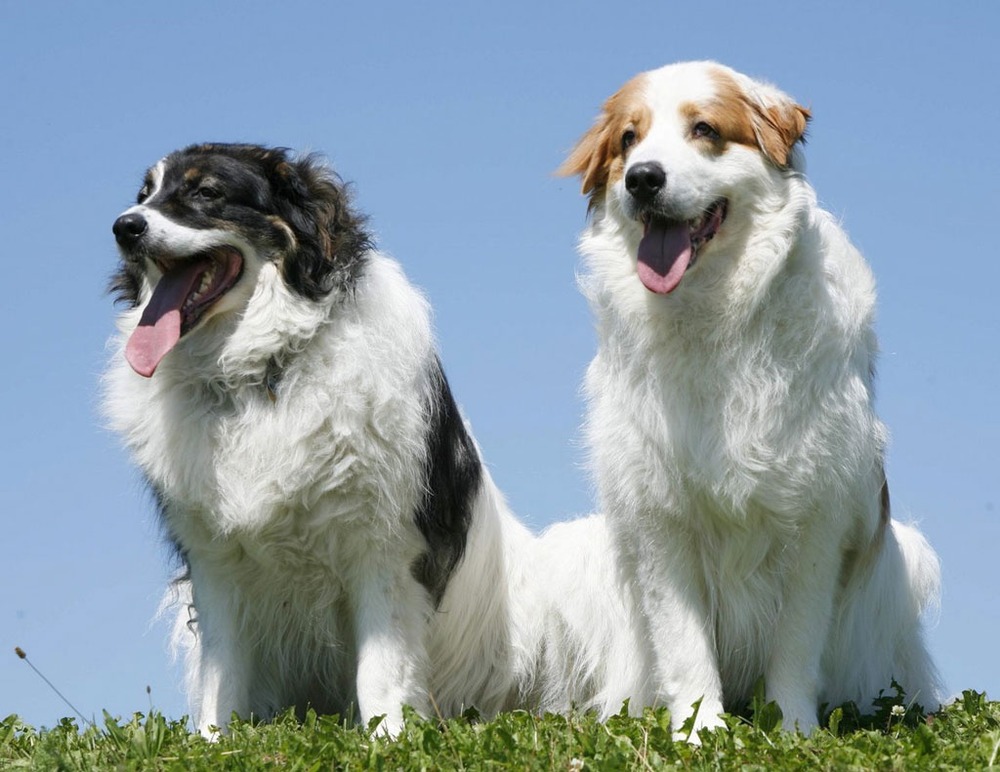
The Tornjak (FCI Standard No. 355) is recognised as a breed of Bosnia and Herzegovina and Croatia, historically used for herding and protection of livestock and as a farmyard guard dog.1, 2 In other words, it comes from working landscapes where dogs needed to cope with distance, weather, predators, and the everyday movement of stock.
That work rewarded dogs that could hold a line without constant instruction. In practice, this often shows up as a dog that is observant and self-possessed, and sometimes slow to treat strangers as “friends” until it has had time to assess the situation. This is not the same thing as aggression, but it does mean owners should plan for structured social exposure, not just casual meet-and-greets.
It is also worth noting that some popular summaries describe the Tornjak as originating only from Bosnia and Herzegovina. The official FCI classification recognises Bosnia and Herzegovina and Croatia as the countries of origin, and many breed standard pages reflect that shared heritage.1, 2
Appearance, coat, and the “guardian look”
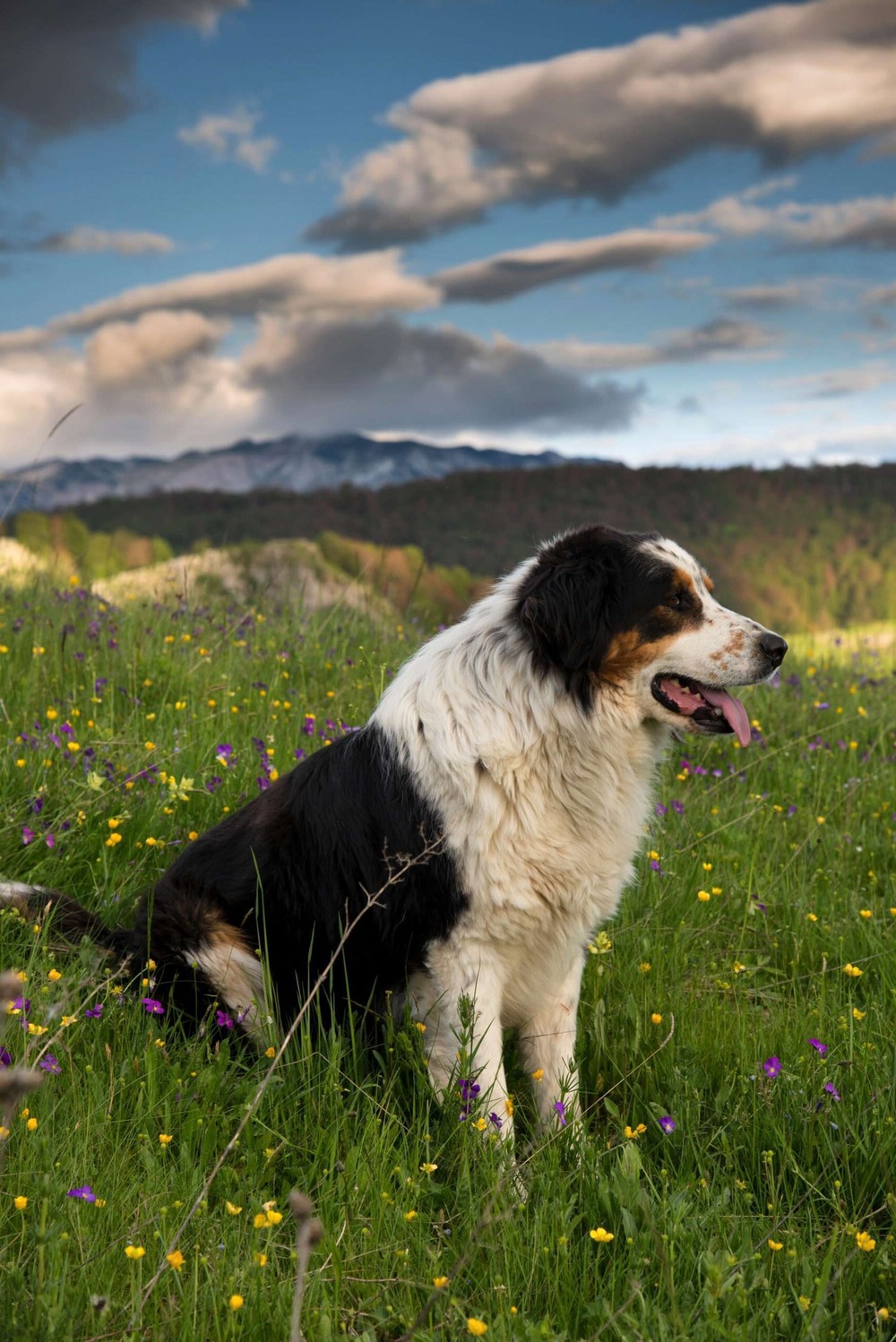
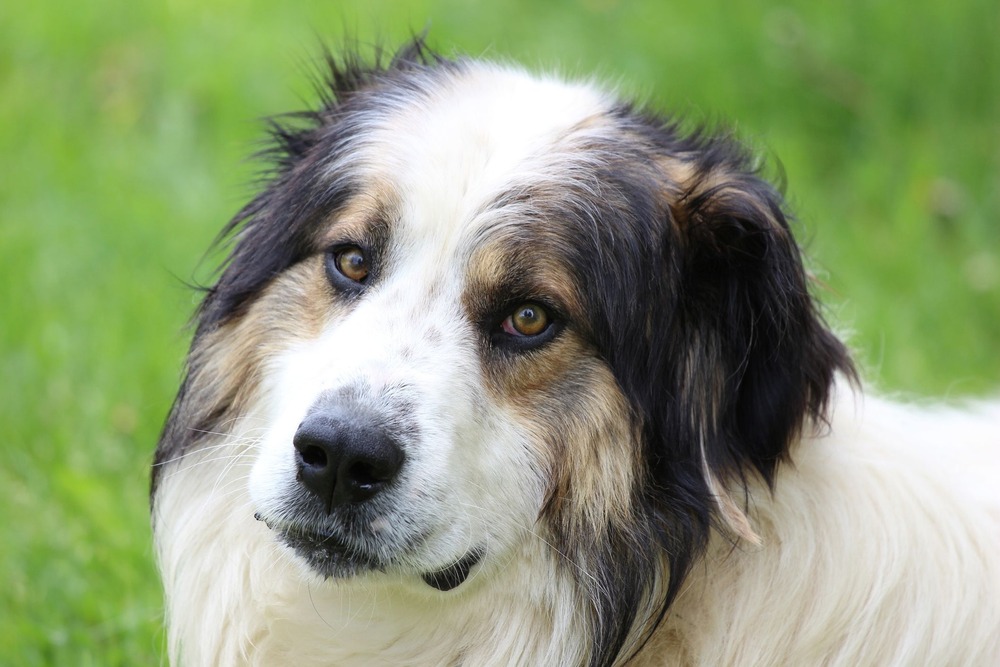
Tornjaks are large, solidly built dogs with a dense double coat. Common colours are white with darker markings, often black, brown, or grey. The coat is not decorative. It is part of the breed’s working equipment, offering protection from cold and rough terrain, and it can also trap heat if the dog is pushed hard in warm weather.
Expect seasonal shedding and plenty of coat on collars, behind the ears, and around the tail. A good routine is less about frequent bathing and more about thorough brushing that reaches the undercoat. For most households, this is the difference between “manageable” and “matted and miserable”.
Because the Tornjak can look plush and approachable, visitors may assume it wants pats and close contact. Many will accept that, especially with good early socialisation, but it is wise to give the dog choice and space, particularly when it is on its own property.
Temperament in real homes: calm does not mean passive
Well-bred, well-raised Tornjaks are often described as calm and steady. In day-to-day life that can be a gift, particularly in a busy household, because the dog is less likely to be constantly “on”. At the same time, calm guardians can still be quick to respond if they think something is out of place.
Many owners notice that their Tornjak positions itself where it can see entrances or movement, and may vocalise if it is unsure about a noise or a person approaching. This is normal watchdog behaviour in a guarding breed. The goal is not to remove it, but to shape it into something predictable with clear routines and boundaries.
With children, the broad pattern is that many Tornjaks are tolerant and gentle, but supervision still matters. A large dog that is calm can still knock a toddler over, and a dog that is protective can misread fast, squealing play if it has not been carefully introduced to those situations.
Training and socialisation that respects the breed
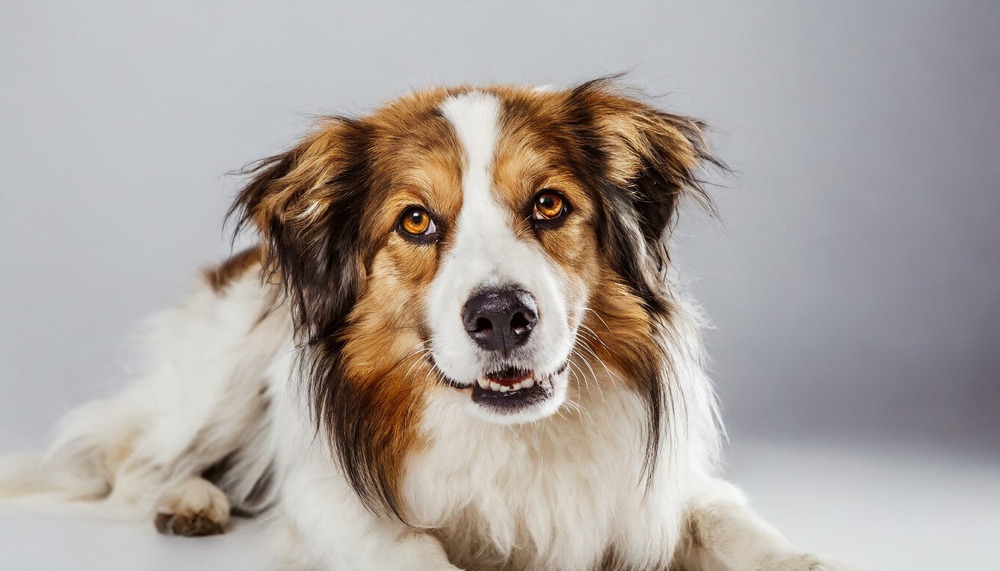
Training a Tornjak is rarely about teaching clever tricks. It is more often about helping a big, independent dog learn what is normal in your world. That includes visitors arriving, tradies coming through gates, kids’ friends running about, other dogs on walks, and the simple reality that you, not the dog, decide what needs attention.
Early, thoughtful socialisation is particularly important for guardian breeds. It works best when it is gradual and positive, and when the pup can observe without being overwhelmed. Too much too fast can produce a dog that looks “fine” in the moment, then becomes more wary as it matures.
- Reward calm checking-in (looking to you after noticing something).
- Practise “place” or mat settles when people enter the home.
- Build comfort with handling: ears, paws, brushing, and vet-style holds.
- Introduce livestock, poultry, and smaller pets slowly and safely if relevant.
Positive reinforcement methods are generally effective, but consistency matters. A Tornjak that learns rules are optional will often make its own decisions, and that is exactly what it was bred to do.
Exercise and enrichment for a working mind
Tornjaks tend to do best with daily exercise that is steady rather than frantic. Long walks, hiking, and supervised free movement in a securely fenced area usually suit them more than repetitive ball throwing. Many enjoy having “jobs” at home: carrying a pack on walks, scent games, or learning calm routines around gates and boundaries.
Heat is the main caveat. In Australia, a heavy-coated large dog can overheat quickly if exercised at the wrong time of day. Plan walks for early morning or evening in hot weather, keep water available, and be cautious with intense play on warm days.3, 4
If you see heavy panting that does not settle, excessive drooling, weakness, vomiting, confusion, or collapse, treat it as urgent. Move the dog to a cool place, apply cool (not ice-cold) water, increase airflow, and contact a vet straight away.3, 4
Health considerations and preventative care
No breed is “immune” to health problems, and large breeds commonly raise questions about joints. Hip dysplasia is multifactorial, with genetic predisposition and environmental influences (including body condition and muscle fitness) affecting how it shows up over time.5 Screening breeding stock with appropriate radiographs is one of the best tools available for reducing risk in lines, and your vet can advise what makes sense for your dog’s age and situation.5
In daily care, the most useful focus points tend to be simple:
- Keep them lean, extra weight loads growing joints.
- Maintain regular, moderate exercise to build supporting muscle.
- Use parasite prevention, dental care, and routine vet checks.
If you are buying a puppy, ask what health screening the parents have had, and request documentation. It is a practical conversation, not an awkward one, and good breeders expect it.
Grooming that keeps the coat functional
A Tornjak’s coat is designed to protect, and it generally does that well when it is looked after. Brushing a few times a week is a common baseline, with more frequent grooming during seasonal sheds. Aim to brush down to the undercoat, not just skim the top.
Avoid shaving the coat unless your veterinarian recommends it for a specific medical reason. Double coats can be slow to regrow and may not return to the same protective structure. For most dogs, the better approach is remove loose undercoat, keep the skin healthy, and manage exercise and shade in hot weather.
Build grooming into normal life from puppyhood. A large adult dog that tolerates brushing, nail trims, and ear checks without stress is much easier to care for, and more comfortable in its own body.
Feeding and nutrition: what “good food” really means
Tornjaks need a balanced diet that suits a large, active dog, and the right amount matters as much as the brand. Many owners get pulled into ingredient-list debates, but ingredient lists can be misleading when you are trying to judge overall quality.6
WSAVA’s nutrition guidance encourages owners to look for evidence of quality control and nutritional expertise behind the food, and to use practical questions to assess manufacturers, rather than relying on marketing claims.6 Your vet can help you pick an appropriate diet for growth, activity level, and any medical needs.
As a simple habit, monitor body condition regularly. If ribs are hard to feel, or the waist disappears, it is time to adjust portions. For large breeds, steady growth and steady weight are usually the long game.
Is a Tornjak right for you?
The Tornjak can be a wonderful companion for the right home, but it tends not to thrive as a “just fit in” dog. Space matters, secure fencing matters, and it helps if the household enjoys a dog that is present and watchful, rather than instantly social with everyone.
They often suit people who like calm structure: predictable routines, gentle training, and enough daily movement to keep a big body comfortable. Apartment living is rarely ideal, not because the dog cannot settle indoors, but because a guardian breed needs room to move, to decompress, and to manage visitors and shared spaces safely.
If you are drawn to the Tornjak, consider meeting adults, not just puppies. The adult dog shows you the shape of the temperament you will live with for years, including how it responds to strangers, how it rests, and how it handles boundaries.
Final thoughts
The Tornjak is a livestock guardian at heart: steady, capable, and built to notice what others miss. In a modern home, that can look like a calm dog who prefers to observe before engaging, and who takes its role seriously even when you would rather it switched off.
When owners lean into what the breed is, and meet it with training, space, and realistic expectations, the Tornjak often becomes a quietly impressive companion that is both affectionate and dependable.
References
- FCI: Tornjak (Standard No. 355) breed information
- Dogs Australia: Tornjak breed standard (FCI Standard No. 355)
- RSPCA NSW: Heat stress in pets (signs and first aid)
- RSPCA Australia: Keeping your pet safe during hot weather
- UC Davis School of Veterinary Medicine: Canine hip dysplasia overview
- WSAVA: Global Nutrition Guidelines