

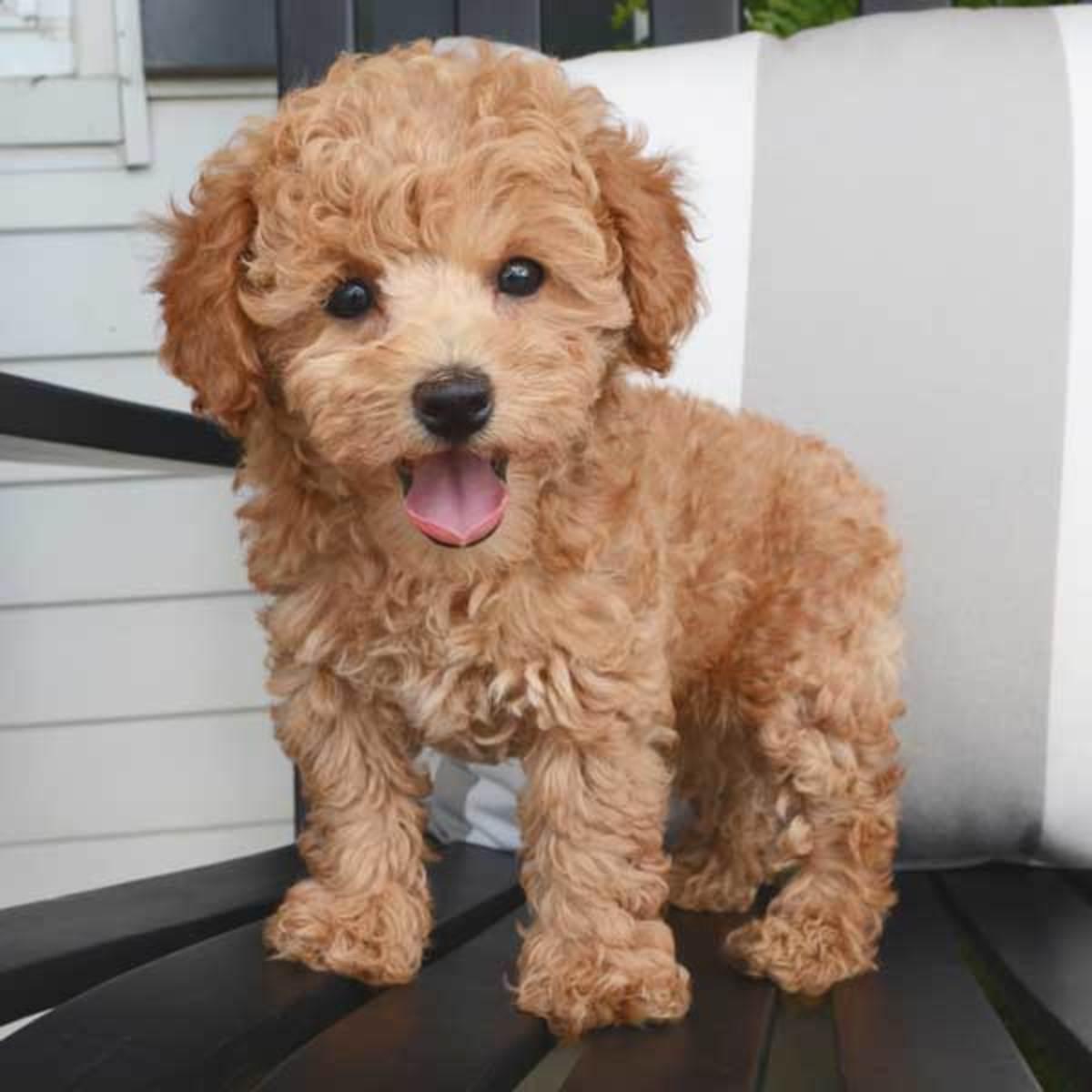
You might notice it in small ways at first. A little dog who seems perfectly confident on the footpath, then hesitates at a kerb. A bark that sounds far bigger than the body that produces it. Or the way some toy breeds seem happiest when they can be close, tucked beside you on the couch rather than racing around the backyard.
Toy dogs can look easy because they are small. It is tempting to assume they need less training, less exercise, and less fuss overall. In practice, their size simply changes the details. The same basic needs apply, but a missed dental routine can matter more, a rough hug can cause an injury, and a poorly fitting collar can trigger coughing.
Handled thoughtfully, toy breeds are often excellent companions for city life and quieter households. They bring a lot of presence to a small space, and they tend to form strong day-to-day habits with the people around them. Understanding what sits underneath that “tiny dog” label helps you choose well, and care well, for the dog in front of you.
Where toy breeds came from, and why it still matters
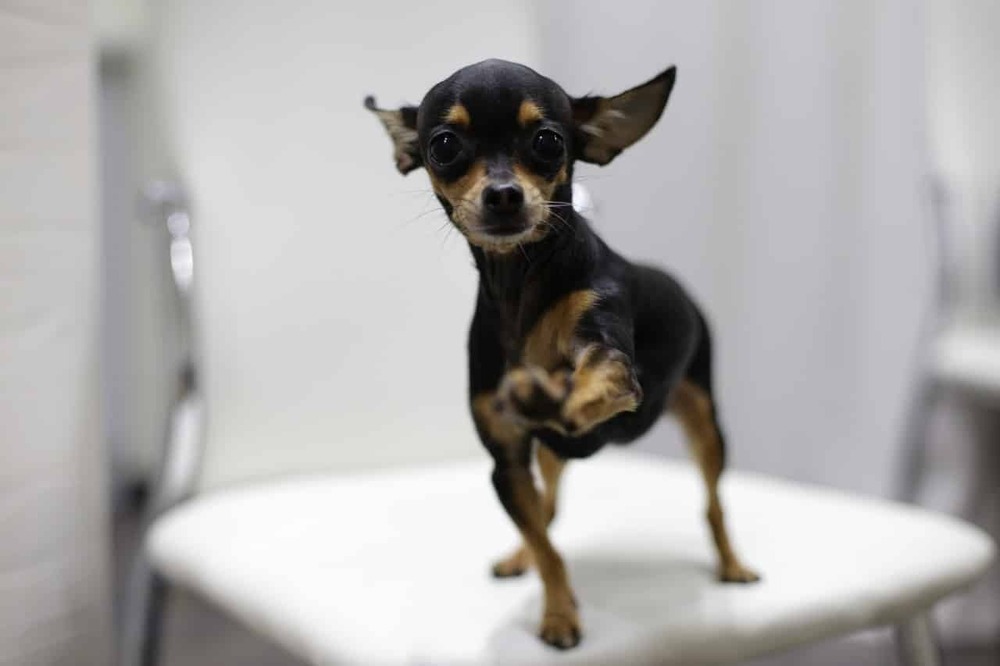
Most toy breeds were shaped primarily for companionship and close living. That history shows up today in their tolerance for indoor life and their interest in following people from room to room. Many were also kept as prestige pets, which is part of why certain breeds became closely associated with royalty and court life.
It is still worth remembering that “companion dog” does not mean “ornament”. A small dog can be bright, persistent, and quick to learn patterns, both helpful ones and unhelpful ones. When a toy dog develops nuisance barking, clinginess, or reactivity, it is often because their environment and handling have unintentionally taught them those responses.
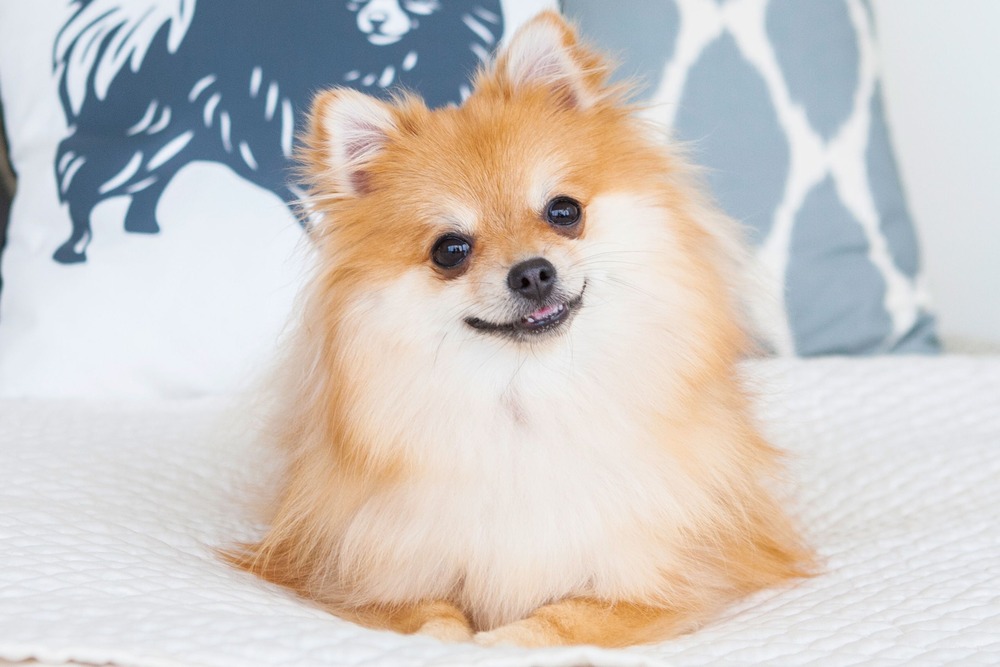
Breed clubs and kennel organisations document the development of toy breeds, including how some lines were selected smaller over time (for example, the Pomeranian’s shift in size and fashion in the Victorian era).8 That selection has benefits, but it can also come with trade-offs, especially around teeth, knees, airways, and fragility.
What “toy breed” really means in day-to-day life
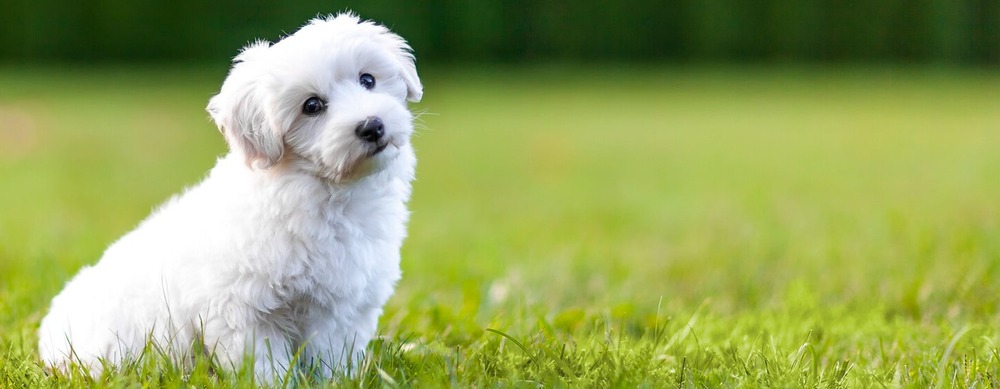
Toy breeds are generally small enough that people can lift them easily, and many adults are under about 5 kg. Size influences almost everything: how easily they get chilled, how much food they need, how quickly they can be injured by a jump from a chair, and how careful visitors need to be around them.
Coats vary widely. Some toy breeds have heavy, insulating coats that need regular brushing to prevent matting, while others have fine coats and more exposed skin. Eye prominence, shorter muzzles, and compact jaws are also common in the group, which is part of why gentle handling and good hygiene matter so much.
If you are choosing a breed, it is useful to look beyond “small” and consider structure. A robust little dog with a sensible muzzle and good legs may cope better with everyday life than a dog selected for extreme features.
Temperament, behaviour, and the small-dog misunderstanding
Toy dogs are often described as affectionate, alert, and lively. Many are bred to pay close attention to people, which can make them enjoyable to train and easy to include in daily routines. It can also mean they notice a lot, including sounds in the hallway and changes in your mood or movement.
A common misunderstanding is that a toy dog is “yappy” by nature. Some individuals do vocalise more, but barking is also a practical response to uncertainty or overstimulation. A dog who is frequently picked up without warning, approached quickly by children, or carried through busy places can learn that noise makes the world back off.
With families, the most important ingredient is usually management. Supervised, gentle handling prevents accidents and helps children learn how to interact safely. When toy dogs live with larger dogs, it helps to have separate rest spaces and to avoid high-energy play that involves body slams or chasing in tight areas.
Training and exercise that suits a small body
Toy breeds benefit from the same foundations as any other dog: clear routines, sensible boundaries, and calm exposure to everyday life. What changes is the scale. A short, well-planned session repeated often usually works better than a long training block that leaves a small dog tired or overwhelmed.
Reward-based training is particularly well suited to toy breeds. It tends to build confidence and cooperation without the fallout that can come from intimidation or physical corrections.3 Many small dogs are sensitive to handling, so it helps to teach “chin rest”, “paws up”, and “touch” style behaviours that make grooming and vet visits easier.
Exercise needs are often modest but not optional. A few short walks, gentle play, and brain work usually do more than one long outing. Useful activities include:
- Slow sniff walks in quiet streets or parks
- Indoor scatter feeding or simple food puzzles
- Short trick sessions that end while the dog is still keen
If your dog coughs when excited, struggles on walks, or seems reluctant to jump, treat that as information. Reduce intensity and check in with your vet, especially in breeds predisposed to airway or joint issues.
Health considerations that come up often in toy breeds
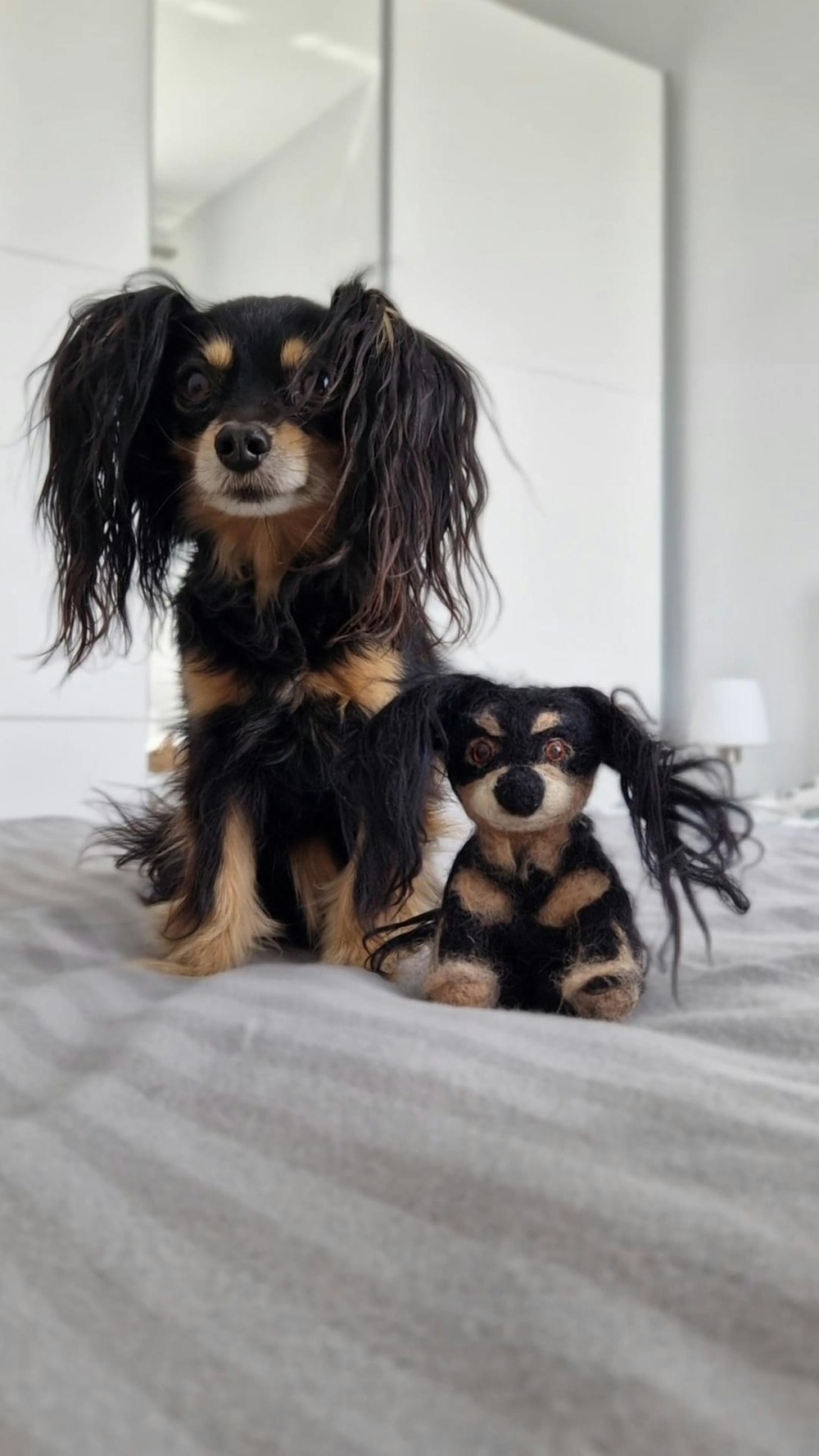
Toy breeds often live long lives, but they are over-represented in a few specific problems. Two that vets see regularly are patellar luxation (a kneecap that slips out of position) and tracheal collapse (weakening of the windpipe, often associated with a characteristic honking cough).5, 6
Dental disease is another big one. Crowded teeth in a small jaw can trap plaque, and many toy dogs need a more deliberate routine than people expect. Daily tooth brushing is considered the gold standard for reducing plaque, and professional dental care generally requires anaesthesia for thorough assessment and cleaning below the gumline.7
Prevention, with toy dogs, tends to look like a collection of small habits rather than one grand solution:
- Use a harness if your dog coughs on collar pressure
- Build a simple dental routine early, even if it starts with brief mouth handling
- Keep them lean, since extra weight can worsen joint and breathing issues6
- Reduce fall risks, for example by adding steps or a ramp to the couch or bed
Grooming and handling, especially for fragile little bodies
Grooming needs depend heavily on coat type, but almost all toy dogs benefit from regular, gentle checks. Brushing is not only about appearance. It is often how owners spot early signs of skin irritation, ear discharge, sore paws, or a new lump.
Handling matters just as much as tools. Support the chest and hindquarters when lifting. Avoid letting a toy dog leap from height repeatedly, even if they seem keen, because the risk adds up over time. If your dog is wary of grooming, aim for short, calm repetitions and pair them with a predictable reward.
If you use a groomer, choose someone who is comfortable with small dogs and who allows breaks. Many toy dogs do best with more frequent, shorter appointments rather than an occasional long session.
Diet and nutrition for small dogs with fast metabolisms
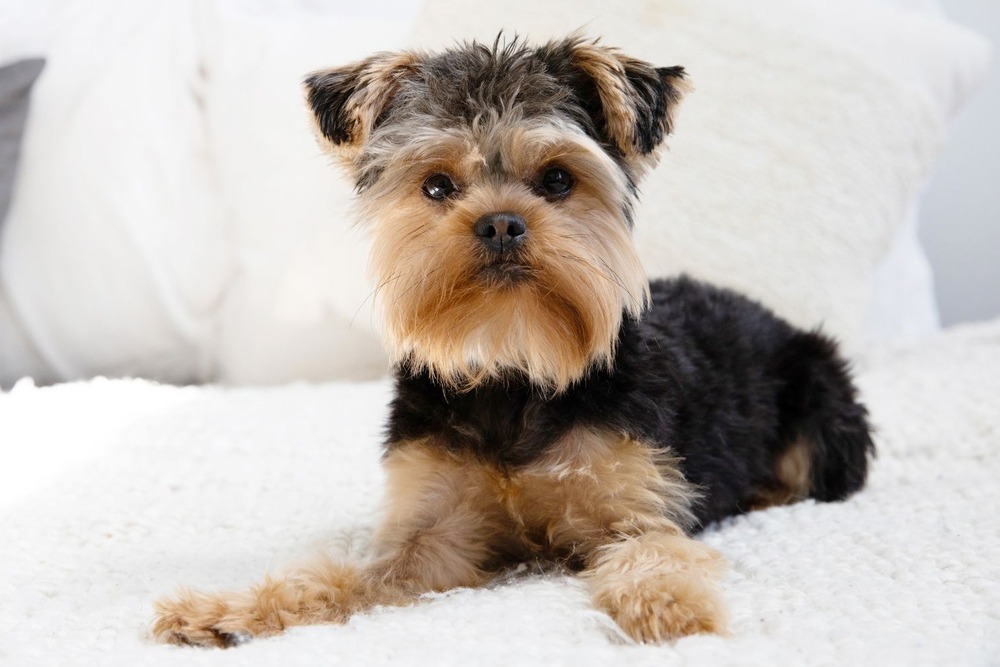
Small dogs often burn energy quickly, but that does not mean they should graze all day. A consistent routine helps appetite regulation and toilet habits, and it makes it easier to notice changes that might signal illness.
For puppies, many veterinary references recommend feeding three meals per day up to around six months of age, then moving towards two meals daily as they mature.4 Adult dogs often do well on two meals a day, adjusted for health, activity, and veterinary advice.
Be careful with “just a taste” of human food. Several everyday items can be dangerous for dogs, including chocolate, grapes and raisins, onions and other alliums, cooked bones, alcohol, and caffeine.1, 2 If you want to share, stick to vet-approved treats and keep portions small enough that treats do not crowd out balanced meals.
Living well with a toy dog
Toy dogs often thrive when life is predictable and their needs are met without fuss. They usually enjoy being close, but they also do best when they have the option to rest undisturbed. A small bed in a quiet spot, a few minutes of training each day, and gentle outings that match their confidence can make a noticeable difference.
When people say toy breeds have “big personalities”, they are often noticing how clearly these dogs communicate. If you listen to what the body is telling you, and adjust the environment rather than forcing the dog to cope, you usually end up with a companion who is steady, sociable, and surprisingly capable.
References
- RSPCA Australia: Household dangers to your pet
- Agriculture Victoria: Human foods to avoid for cats and dogs
- RSPCA ACT: Reward-based dog training (positive reinforcement)
- Merck Veterinary Manual: Feeding practices in small animals
- American College of Veterinary Surgeons: Patellar luxations (knee cap dislocation)
- American College of Veterinary Surgeons: Tracheal collapse
- American Animal Hospital Association (AAHA): Your pet’s dental care
- Encyclopaedia Britannica: Pomeranian