

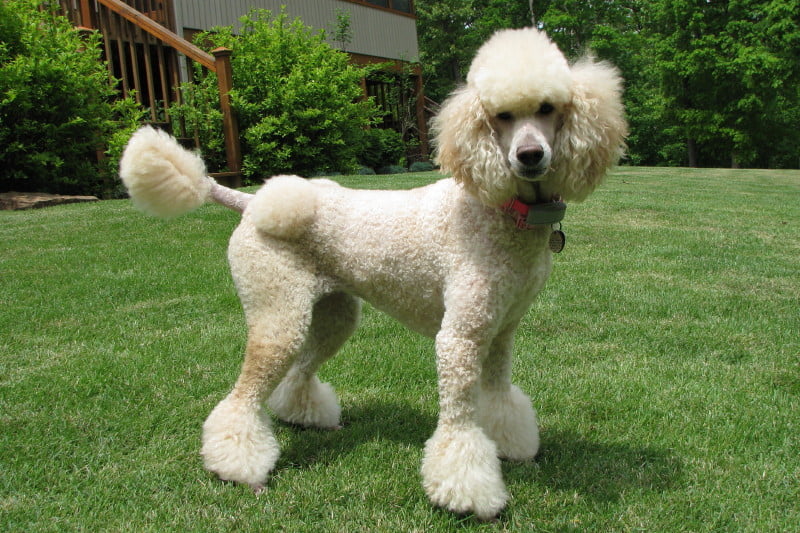
- Breed category: Toy group
- Country of origin (modern breed development): France (with earlier roots in continental Europe)
- Typical height: under 28 cm at the shoulder (breed standard guidance)1, 2
- Typical adult weight: often around 2 to 5 kg (varies by individual and line)
- Average life span: around 12 to 15 years
- Grooming requirements: High, regular brushing and routine clipping
- Exercise requirements: Moderate, with daily walks and play
- Coat type: Curly, dense single coat
- Shedding level: Low
- Temperament: Bright, alert, people-focused
- Barking tendency: Often moderate, can become high if under-stimulated
- Apartment friendly: Yes, if their mind and body needs are met
- Common health considerations: Dental disease risk (small dogs), luxating patella, some inherited eye conditions
- Overall maintenance level: High
People usually end up looking into Toy Poodles after noticing a pattern: the small dog that seems unusually switched on. One that learns routines quickly, watches everything, and can be both delightful and, at times, a little intense if their day is underdone.
It is also common to assume that a tiny dog must be an “easy” dog. In practice, Toy Poodles often ask for more, not less. They tend to cope best when their brains get regular work, their bodies get steady movement, and their coat and teeth are treated as everyday care, not occasional extras.
If you are considering living with one, or you already share your home with a Toy Poodle, it helps to understand what sits underneath the pretty haircut: a capable, athletic little companion with real needs and strong preferences about how life should run.
History and origin
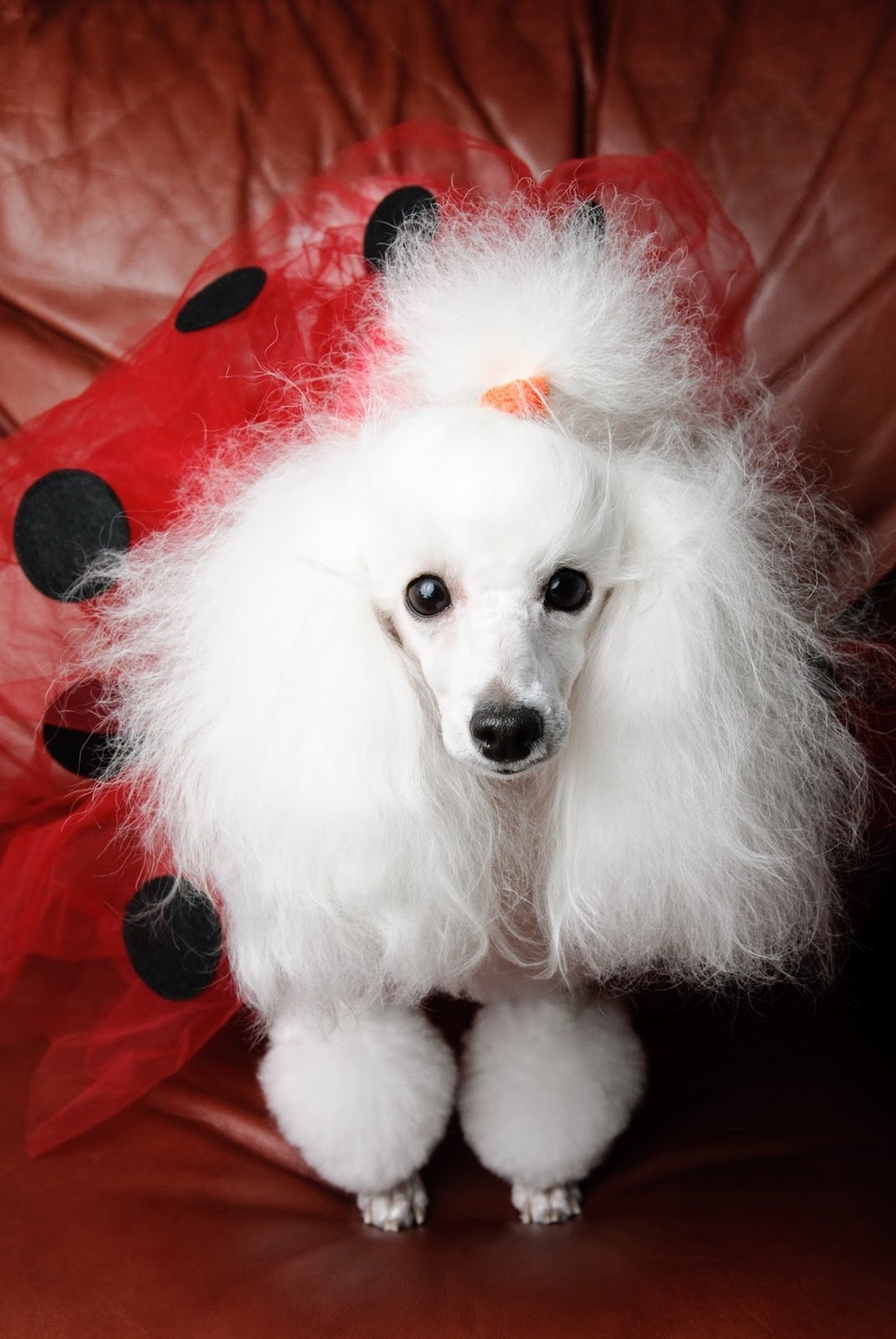
Poodles are an old type of dog, developed for work as well as companionship. While many people associate them with France, the breed’s deeper roots sit in continental Europe, where water-dog types were valued for retrieving and trainability. Over time, different sizes were bred, with the Toy Poodle emerging as the smallest variety.
In Europe, small Poodles became fashionable companions, and their appeal was not only appearance. A dog that could learn quickly, settle into indoor life, and travel easily had real practical value in busy households.
Modern kennel clubs describe Toy Poodles primarily by height, rather than weight. In UK and Australian aligned standards, the Toy is under 28 cm at the shoulder.1, 2 That detail matters because it helps cut through marketing terms that suggest a separate “extra tiny” variety.
What a Toy Poodle looks like in everyday life
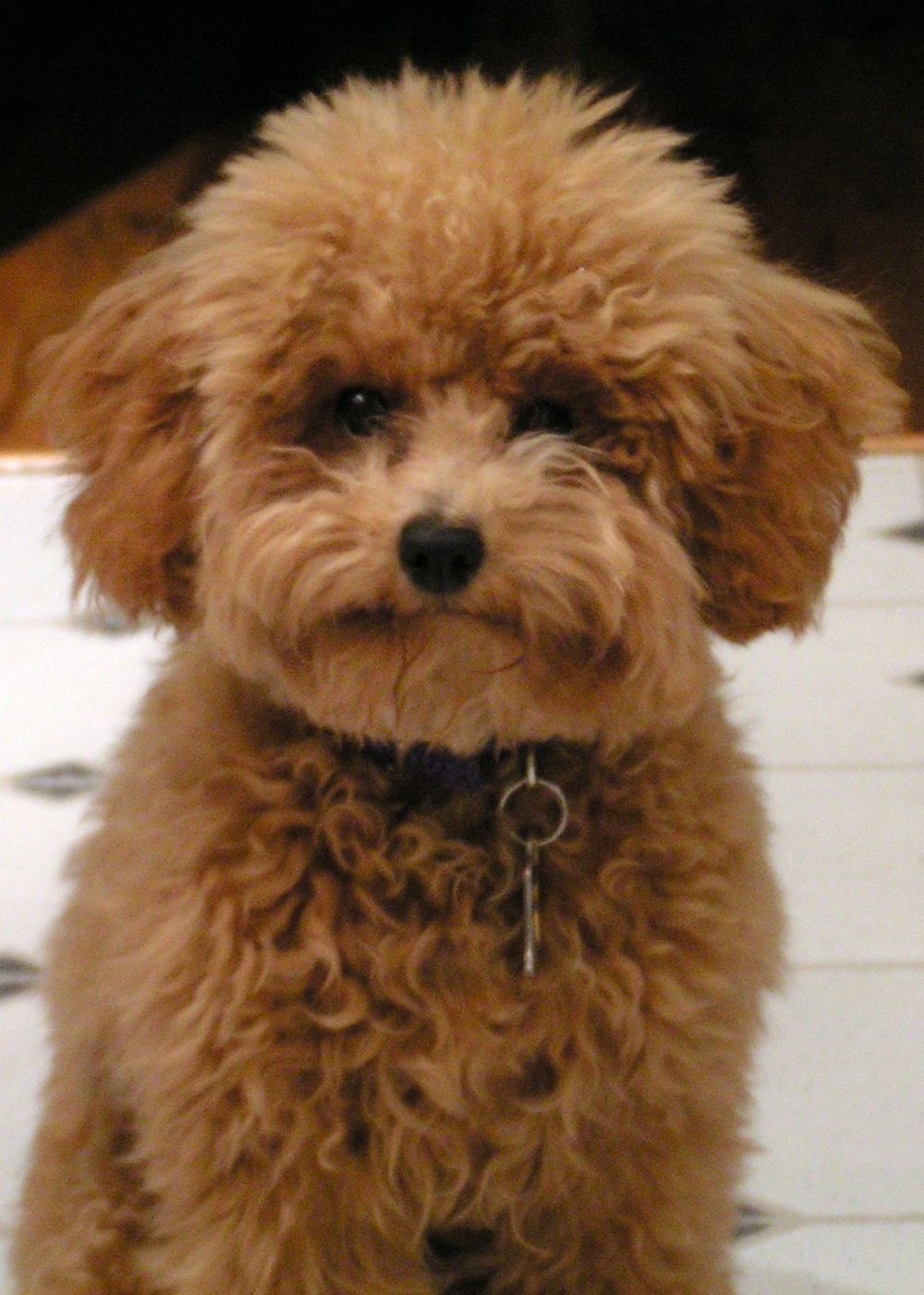
Toy Poodles are small, compact dogs with a characteristic curly coat and a surprisingly athletic way of moving. They tend to look refined even when they are doing something entirely unrefined, like sprinting after a ball in the hallway.
Their coat is often described as low-shedding, and many people seek them out for allergy reasons. It is worth holding that idea gently. Low shedding is not the same as allergy-proof. Some people do very well with Poodles, others still react, and it can be hard to predict without spending time around the individual dog.
Breed standards focus on height rather than weight, and adult weights can vary depending on build, conditioning, and breeding lines. If someone is advertising a Toy Poodle primarily by being extremely small, it is reasonable to ask careful questions about health, feeding, and how they are being raised.
Temperament and behaviour
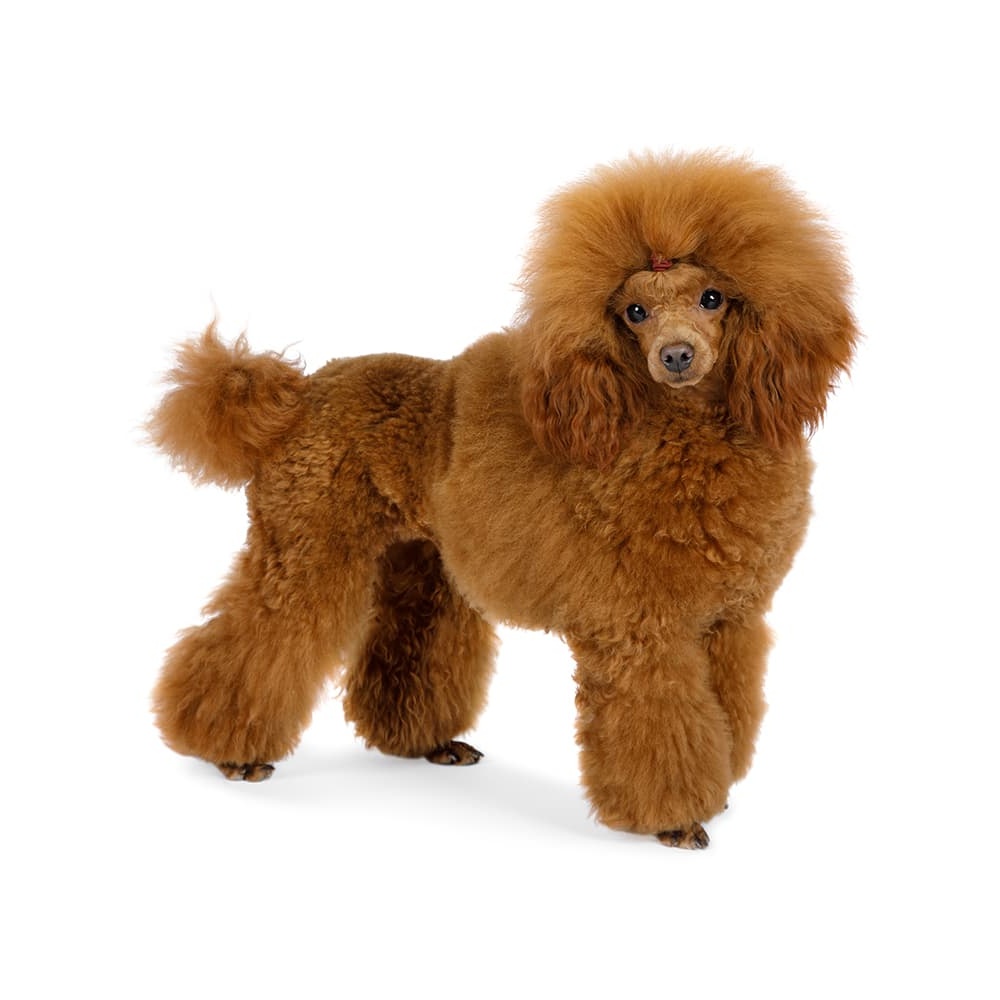
Toy Poodles are often described as intelligent and people-focused, which is broadly true. They tend to learn patterns fast, including the ones you did not intend to teach. If they discover that barking brings attention, or that jumping gets them picked up, those behaviours can become habits surprisingly quickly.
Many Toy Poodles enjoy being close to their person and can struggle if left without a plan for the day. This does not mean they are “needy” in a human sense, it often means they are highly social dogs that do best with predictable routines and enrichment.
With children, supervision matters. Toy Poodles are small enough to be injured by accidental rough handling, and children can be startled by quick barking or darting movements. Gentle games, calm introductions, and a safe “no-kids” resting spot usually set everyone up for success.
Training and exercise, without overdoing it
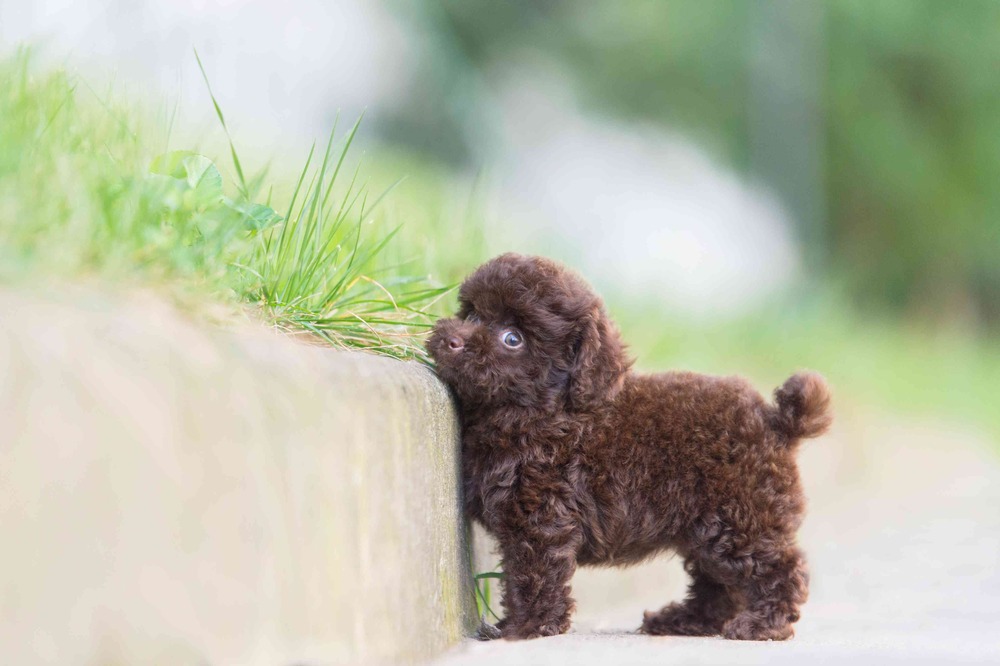
Toy Poodles typically respond best to training that is clear, kind, and consistent. Reward-based training, built on positive reinforcement, is widely recommended by animal welfare organisations because it helps dogs learn without fear or pain, and it supports a safer relationship over time.3
For a Toy Poodle, the aim is not “drill”. It is communication. Short sessions, a calm voice, and rewards that genuinely matter to your dog (tiny treats, a toy, permission to sniff) often work better than repeating cues until everyone is irritated.
Exercise needs are usually moderate, but mental work is just as important. A good day might include:
- a relaxed walk with sniffing time
- a brief training session (one or two skills)
- a food puzzle or scatter-feed in the grass
- a little play that ends while the dog is still enjoying it
Early socialisation also makes a difference, especially when it is done thoughtfully. The RSPCA describes a critical socialisation window in puppyhood where positive experiences can shape later behaviour and resilience.4 “Positive” is the key word here. Flooding a puppy with too much, too fast can backfire.
Health and lifespan
Toy Poodles commonly live into their teens, and many reach 12 to 15 years with steady care. The bigger influences tend to be the unglamorous basics: weight management, dental care, sensible exercise, and early attention to changes in mobility, sight, or comfort.
Small dogs are often at higher risk of dental disease, and Toy Poodles are not an exception. The most helpful approach is usually a combination of regular veterinary checks and daily home care where possible. Veterinary dental organisations describe brushing as the gold standard for plaque control, and products with evidence behind them can help as part of an overall plan.5, 6
Other issues that can occur in the breed include luxating patella (kneecap instability) and some inherited eye conditions. A good breeder should be able to explain what health testing they do and why, and a good vet will help you tailor prevention and screening to your individual dog.
Grooming and maintenance
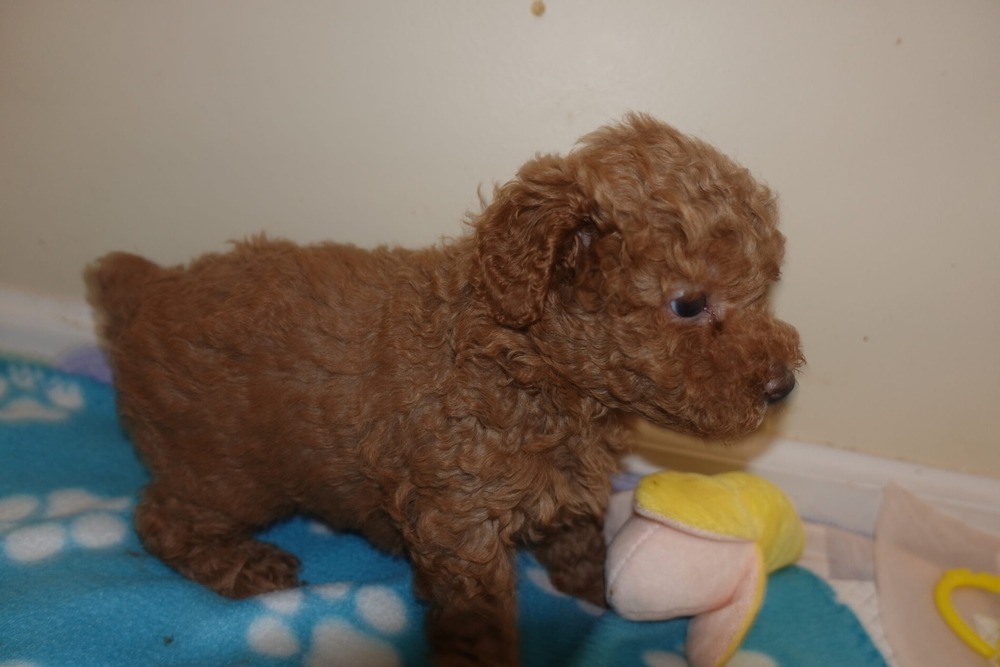
The Toy Poodle coat is beautiful, but it is not self-managing. Because the coat tends to hold loose hair rather than drop it, it can mat close to the skin if brushing is irregular. Once matting starts, it can pull and irritate, and it can hide skin problems that would otherwise be easy to spot.
Most owners do best with a simple rhythm: regular brushing at home, plus professional grooming every few weeks depending on coat length and lifestyle. Keeping hair shorter can make day-to-day care kinder for both the dog and the human, especially if anyone is new to coat maintenance.
Ears and nails also matter. Hair around the ears can trap moisture, and overlong nails can change foot posture over time. If you are unsure what “normal” looks like, ask your groomer or vet to show you, then keep it simple and consistent.
Diet and nutrition that suits a small, bright dog
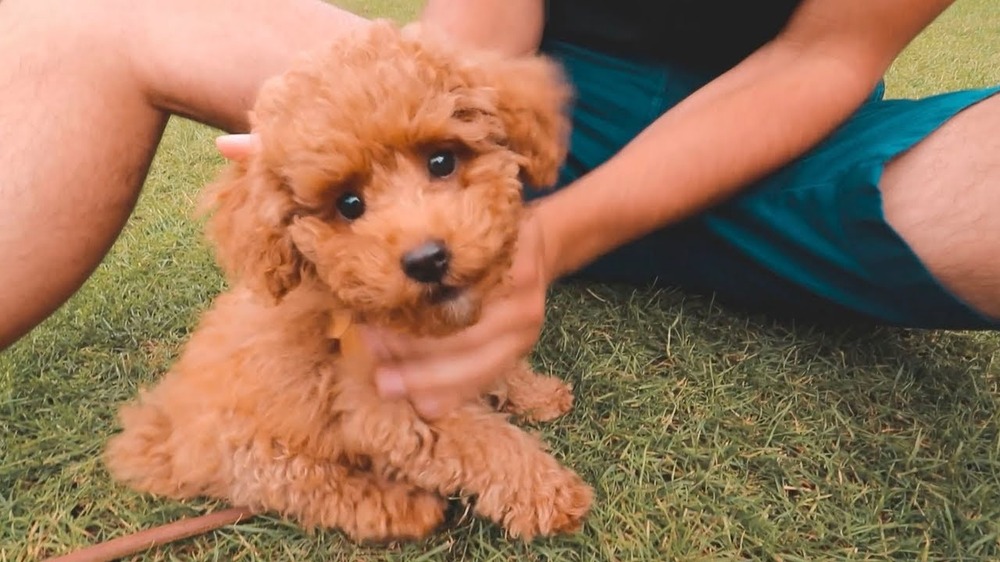
Toy Poodles do best on a complete and balanced diet appropriate for their life stage. Because they are small, portion accuracy matters. A little extra, day after day, can quietly add up.
If you are choosing a commercial food, it can help to look beyond marketing claims on the front of the bag. The World Small Animal Veterinary Association (WSAVA) provides guidance and tools that focus on practical indicators of a responsible manufacturer and appropriate nutrition, rather than assumptions based only on ingredient lists.7
Treats are not a problem on their own, but they are easy to overuse with clever dogs. Keeping treats tiny, and sometimes using part of the daily kibble allowance for training, can help maintain a steady weight without taking the joy out of teaching.
Choosing a Toy Poodle, and avoiding “teacup” traps
One of the most persistent bits of confusion around Toy Poodles is the idea of “teacup” as a separate, recognised type. Breed clubs and Poodle organisations repeatedly note that this is a marketing term, not an official variety, and that pushing for extreme smallness can come with welfare costs.2, 8
If you are buying a puppy, it is reasonable to ask calm, practical questions, such as:
- What health testing have the parents had, and can you show documentation?
- How were the puppies socialised during the early weeks?
- What grooming and dental care have they been introduced to?
- What support do you offer after the puppy goes home?
Responsible breeders tend to welcome these questions because they are thinking about the dog’s whole life, not just the handover day.
Final thoughts
A Toy Poodle can be a deeply satisfying companion for the right household: small enough for apartment living, bright enough to enjoy training, and engaged enough to feel like a true partner in the day. The trade-off is that they are rarely a “set and forget” dog.
If you meet their needs consistently, especially coat care, dental care, and mental enrichment, most Toy Poodles repay that effort with an easy closeness that feels natural rather than forced.
References
- The Kennel Club (UK): Poodle (Toy) breed standard
- The Poodle Club of Victoria: Puppy buyers (Toy Poodle size and “teacup” note)
- RSPCA Knowledgebase: Training recommendations and reward-based methods
- RSPCA Knowledgebase: Puppy socialisation and critical period
- Veterinary Oral Health Council (VOHC): Oral health guidance and VOHC Seal overview
- Greencross Vets: Dental home care for pets (brushing and prevention)
- WSAVA: Global Nutrition Guidelines and pet owner tools
- Toy Poodle Society of Victoria: Buying guidance and “teacup” clarification