

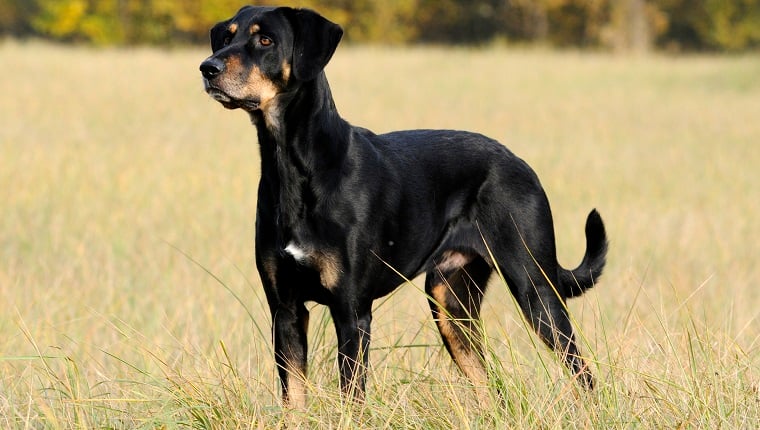
People often notice the Transylvanian Hound in a photo or a short clip, a black-and-tan hound with a steady, workmanlike way of moving, and assume it must be “just another coonhound type”. Then they look a little closer and realise the name points to a whole corner of Europe, and a hunting tradition most of us have only heard about in passing.
It is also a breed that can confuse expectations. Yes, it is a scent hound, and yes, it is built to follow a trail with focus. But in day-to-day life, what matters is how that heritage shows up in a modern home: the need for purposeful exercise, the way the nose can take over mid-walk, and the quiet practicality of a short coat paired with floppy ears that need a bit of routine care.
If you are considering one, or you have met one and wondered what makes it different, it helps to start with the breed’s original job and then work forward into what that means for training, health, and living arrangements.
Transylvanian Hound at a glance
- FCI group: Group 6 (Scent hounds and related breeds)1
- Typical height: About 55 to 65 cm at the withers (males), 50 to 60 cm (females), depending on type and line
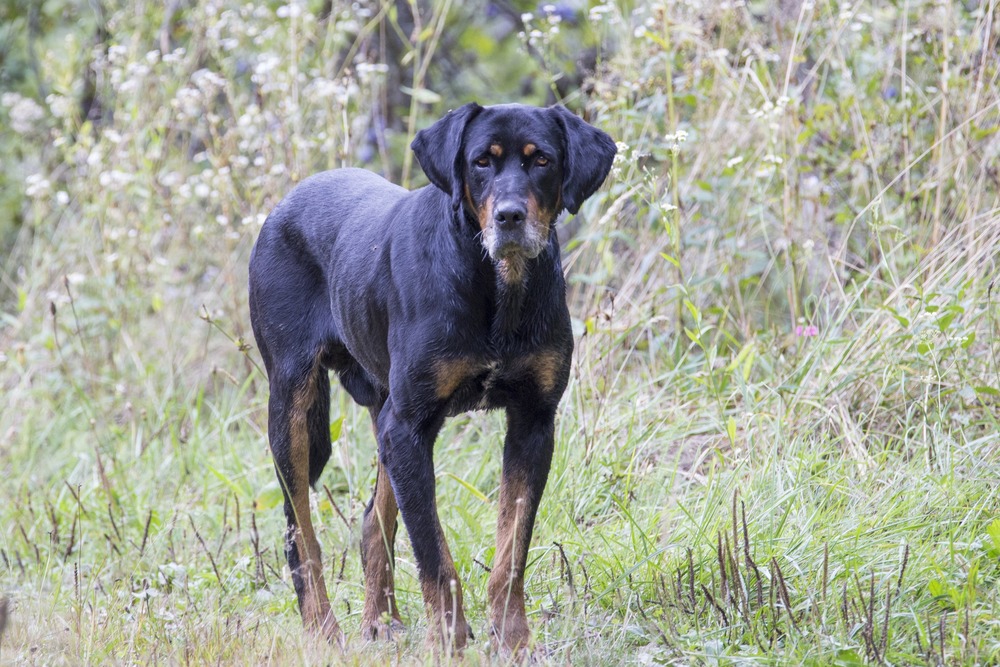
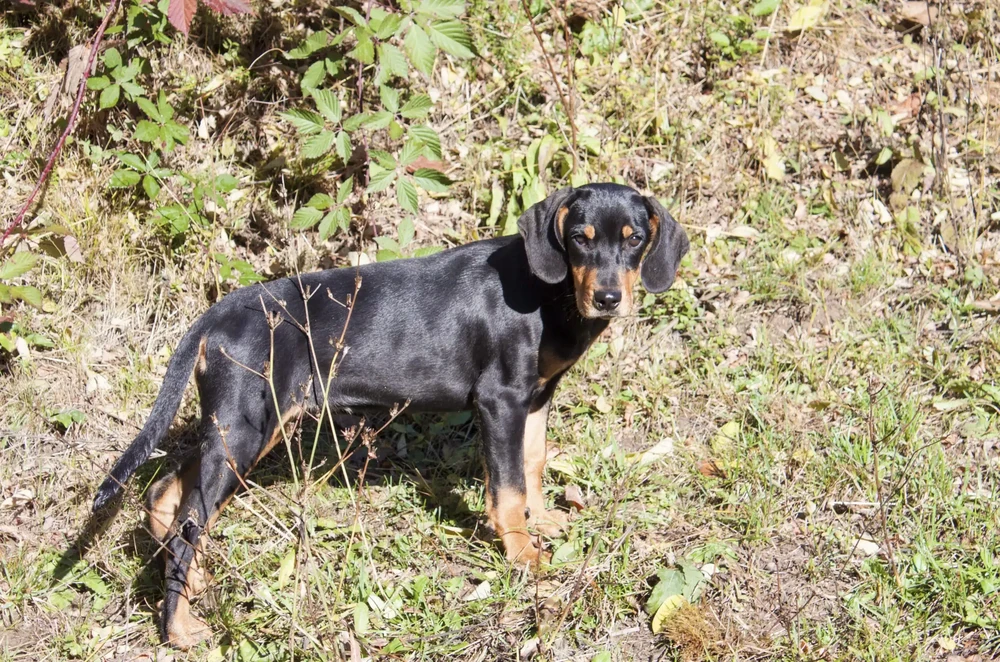
- Coat and colour: Short coat, typically black with tan markings
- Exercise needs: High, best with daily, structured activity
- Life expectancy: Often quoted around 10 to 14 years (individual variation applies)
- Best suited to: Homes that enjoy the outdoors and can provide secure space and consistent training
Small but important note: in kennel club literature you will often see the breed listed as the “Hungarian Hound, Transylvanian Scent Hound”, with Hungary recorded as the country of origin in the FCI nomenclature.1 In everyday conversation, you will also hear it described as closely tied to Transylvania and present-day Romania, which reflects the region and the breed’s history more broadly.2
Origins and what the breed was made to do
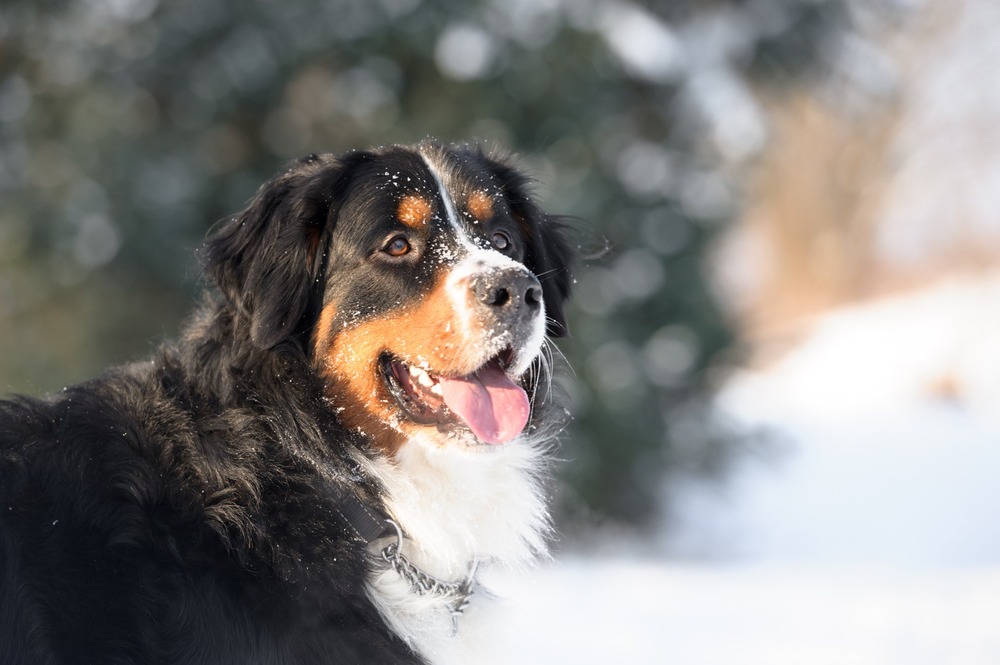
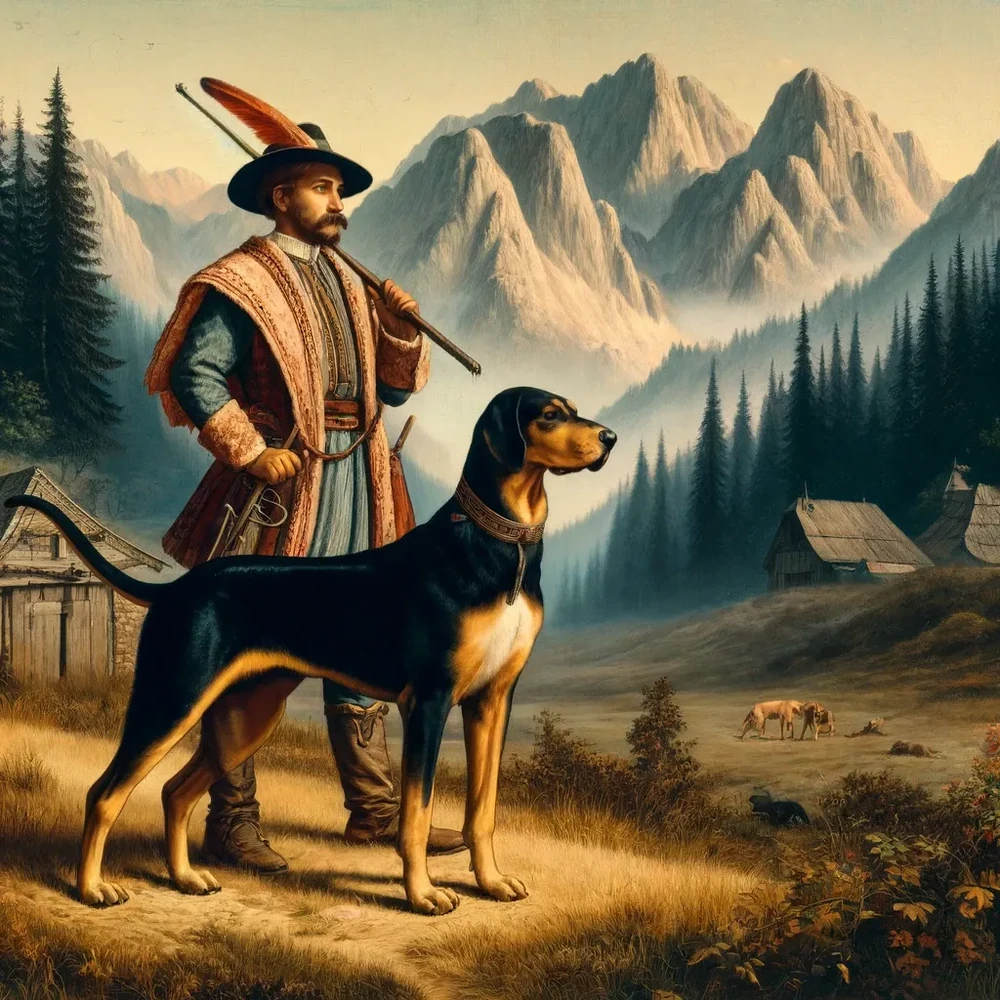
The Transylvanian Hound is a traditional Central and Eastern European scent hound type, developed for hunting in challenging terrain. In the modern FCI breed summary, it is described as a hunting dog able to work independently at distance, using scent to find and pursue a trail and giving voice on scent during the hunt.3
That working description matters because it explains so much of what owners notice today. A dog bred to range out, pick up scent, and keep going is likely to be nose-led and persistent. This is not “naughtiness”, it is a deeply practised behaviour pattern. It is also why reliable recall can take longer than people expect, even with good training.
On the historical side, the breed’s definitive acceptance by the FCI is dated to 30 March 1963, which is why 1963 is often quoted as its year of recognition in breed summaries.1
Temperament, instincts, and suitability in a home
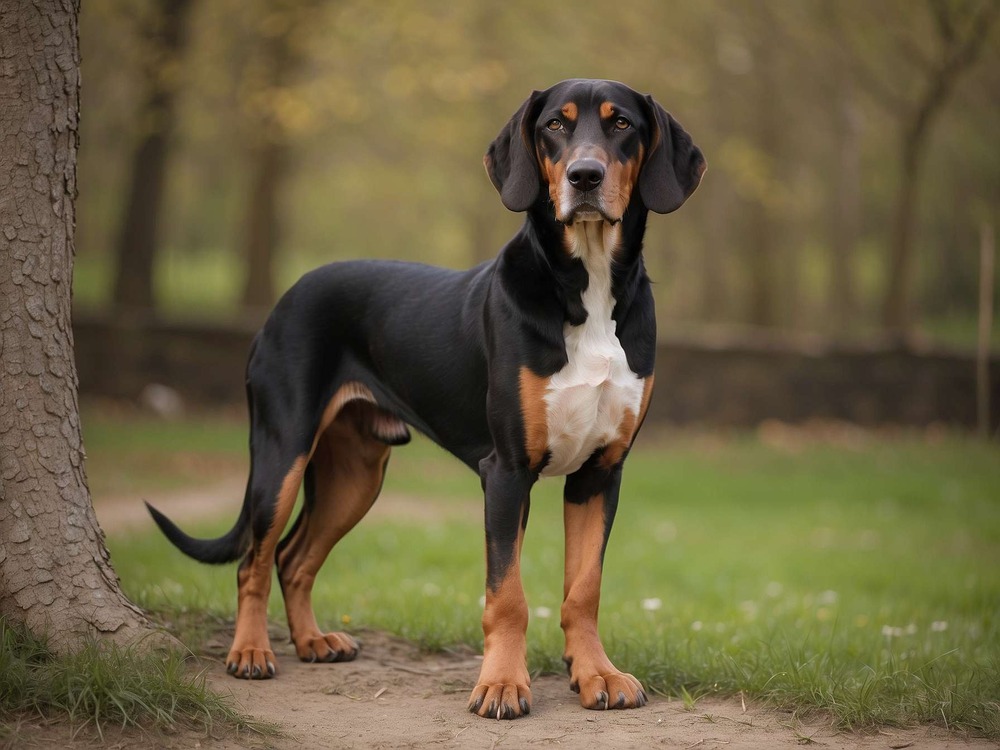
A well-socialised Transylvanian Hound is often described as steady, people-oriented with its own family, and capable of working with focus. Like many hounds, it can also show a practical independence, especially when scent takes priority.
For the right household, that combination is appealing. For others, it can feel like the dog is “not listening”, when in fact the environment is simply more compelling than the cue. Management and training go together with this breed: secure fencing, a long line for practice, and a plan for enrichment that does not rely on the dog being naturally biddable.
With children and other pets, outcomes tend to hinge on early exposure, supervision, and the individual dog. It is sensible to assume there may be some chase interest toward small, fast animals, because that is consistent with the role of a scent hound and the way many hounds respond to movement.
Training that respects the hound brain
Transylvanian Hounds tend to do best when training feels relevant and consistent, rather than repetitive. Reward-based methods are a good fit for most dogs, but with hounds, it is especially useful to make rewards meaningful and the sessions short enough that the dog stays engaged.
In practice, it often helps to rotate between:
- Pattern games and lead skills for everyday walks (loose lead, check-ins, calm starts)
- Scent-based enrichment, such as scatter feeding, simple tracking games, or “find it” searches in the yard
- Real-world proofing using a long line before expecting off-lead reliability
If you are working on recall, set it up so the dog is likely to succeed. Calling once, then paying well, is usually more effective than repeated calling that teaches the dog the cue is optional.
Exercise needs and heat-aware routines
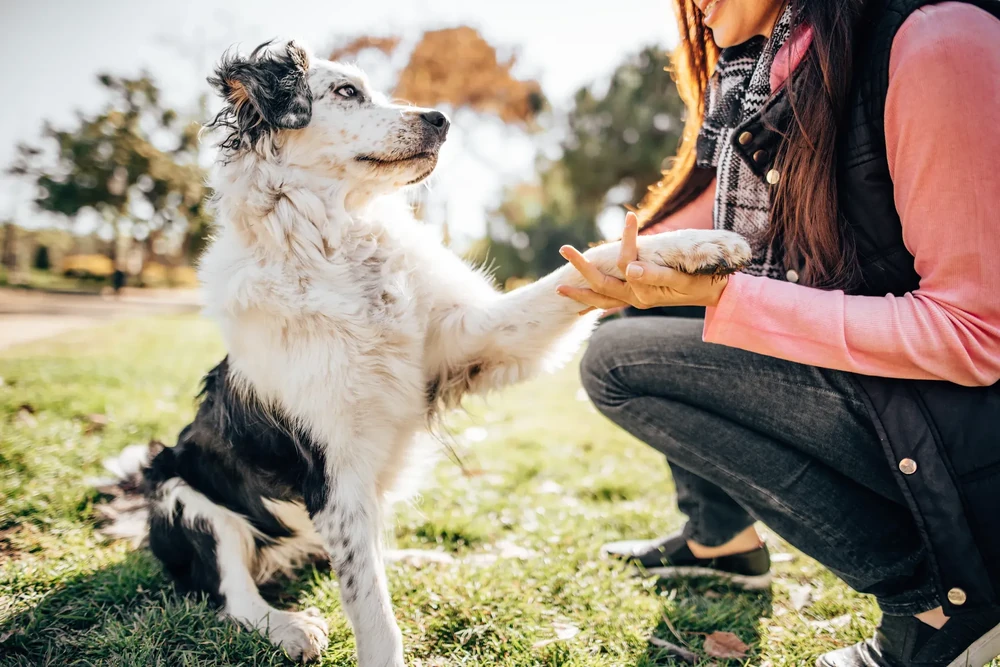
This is an active breed that generally needs daily exercise and enough mental work to prevent boredom. Long, sniffy walks, hikes on a long line, and structured play can all suit, as long as the dog has time to decompress and use its nose.
In Australia, it is also worth being deliberate about heat. Even dogs with short coats can struggle in hot or humid weather, particularly when exercise is intense or the ground holds heat. RSPCA guidance emphasises walking early morning or later evening on hot days, and using the “five second” pavement test to reduce the risk of burnt paws and overheating.4
If you suspect heatstroke, treat it as an emergency. RSPCA advice includes starting first aid by applying tepid or cool water and fanning (not ice cold water), and getting veterinary help as soon as possible.5
Health considerations to keep on your radar
No breed is completely free of health issues, and in rarer breeds, the quality of breeding decisions and early rearing can have an outsized impact. Two practical topics that come up often for medium to large, active dogs with floppy ears are joints and ears.
Hip dysplasia is a developmental condition of the hip joint that can contribute to arthritis and pain over time. Severity and symptoms vary widely, and both genetics and environmental factors can influence how it shows up in an individual dog.6 If you are buying a puppy, ask what hip screening has been done in the line, and what the breeder is aiming for.
Ear health is another area where simple routines help. Floppy ears can create a warm, less ventilated space, which can increase the chance of problems for some dogs. Cornell’s guidance on ear cleaning stresses wiping only as far as a finger can comfortably reach and avoiding cotton swabs in the ear canal, which can push debris deeper and irritate the ear.7
Grooming, coat care, and the everyday checks
The short coat is usually straightforward. A weekly brush is often enough to pick up loose hair and keep the coat looking tidy, with more brushing during heavier shedding periods.
What tends to matter more than coat styling is the steady rhythm of basic care. Many owners find it useful to build a simple weekly check that includes:
- Ears: look, sniff, and clean only if needed, especially after swimming or baths7
- Nails and paws: check for cracks, grass seeds, and overgrown nails
- Teeth: regular dental care as advised by your vet
If an ear looks red, has discharge, smells unpleasant, or your dog seems uncomfortable, it is a reason to book a vet visit rather than trying to scrub it “clean”.7
Feeding and keeping a healthy body condition
For active hounds, feeding is not only about “good ingredients”, it is about the dog’s body condition and how the diet fits their life stage and workload. The World Small Animal Veterinary Association (WSAVA) Global Nutrition Guidelines emphasise nutritional assessment and tailoring diet plans to the individual, including monitoring for overweight and adjusting as needed.8
If you are unsure whether your dog is carrying extra weight, your vet can help you score body condition and set a practical target. Keeping a hound lean is one of the quiet, unglamorous ways to support long-term joint comfort and stamina.
Living setup, space, and the “hound-proof” basics
The Transylvanian Hound is often happiest with room to move and a predictable routine. That does not automatically rule out smaller homes, but it does mean you need a plan that goes beyond a quick stroll around the block.
In most households, the make-or-break details are simple:
- Secure fencing, because scent trails can override good intentions
- Lead and long-line skills for safe freedom while training reliability
- Quiet rest after exercise, so the dog learns to switch off
If you enjoy training, walking, and spending time outdoors, a hound like this can be deeply satisfying. If you prefer a dog that naturally stays close and checks in frequently without much practice, you may find the breed’s independence harder to live with.
Closing thoughts
The Transylvanian Hound makes the most sense when you see it as a working scent hound first, and a companion second. That is not a warning, it is a useful lens. It explains the athletic build, the strong tracking focus, and the need for daily outlets that feel meaningful to the dog.
In the right home, with patient training and sensible management, this is a capable, distinctive breed with a calm, practical presence. The goal is not to train the hound out of the hound, but to give those instincts a safe place to land.
References
- FCI Nomenclature: Hungarian Hound, Transylvanian Scent Hound (Erdélyi Kopó), No. 241
- Wikipedia: Transylvanian Hound (overview and history summary)
- Dogs Global: Transylvanian Hound (FCI standard summary text)
- RSPCA Australia: Let’s TALK about WALKS (heat and hot pavement guidance)
- RSPCA Australia: Keeping your pet safe during the heat (heatstroke first aid and prevention)
- Orthopedic Foundation for Animals (OFA): Hip Dysplasia (overview and screening notes)
- Cornell University College of Veterinary Medicine: How to Clean Your Dog’s Ears
- WSAVA: Global Nutrition Guidelines