

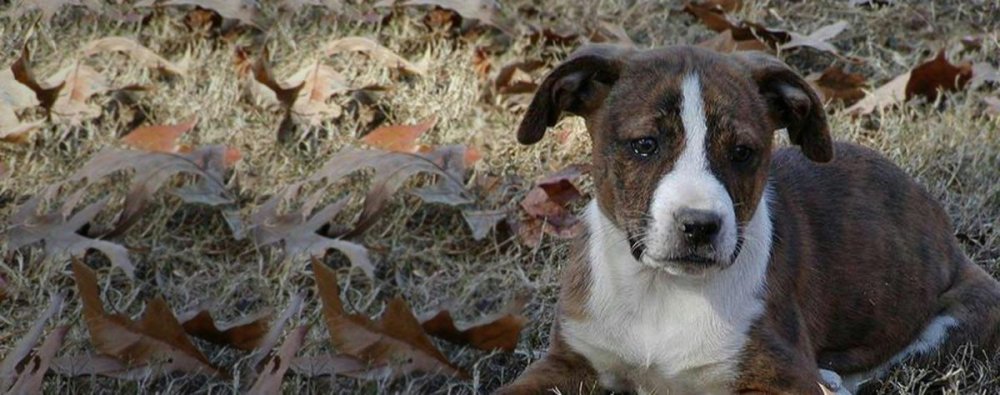
People often come across Treeing Curs through a particular kind of problem. They have met a lean, athletic dog with a loud, carrying bark and a mind that never quite switches off, and they are trying to work out whether that is “just high energy” or something more specific.
The Treeing Cur is very much a purpose-built dog. When they are under-stimulated, they can look restless, vocal, and sometimes a bit “busy” around the home. When they are living the sort of life they were bred for, with scent, movement, training, and time outdoors, they tend to settle into a steady, capable rhythm that makes a lot more sense.
Understanding this breed matters in practical ways. It helps you plan the daily exercise that actually satisfies them, choose training approaches that fit a smart working dog, and set up a home environment that reduces frustration for everyone.
At a glance: Treeing Cur traits
Breed type: Cur type hunting and working dog, developed in the United States.1
- Size: typically medium, about 46 to 61 cm (18 to 24 inches) and 14 to 27 kg (30 to 60 pounds), proportionate to height.1
- Coat: short to medium outer coat with a dense undercoat, close-fitting and practical for field work.1
- Colours: any colour, pattern, or combination is acceptable in the UKC standard.1
- Energy: high, usually needs substantial daily movement and mental work.
- Typical lifespan: often around 10 to 13 years for dogs of this general size and working background, with individual variation.6
History and origin
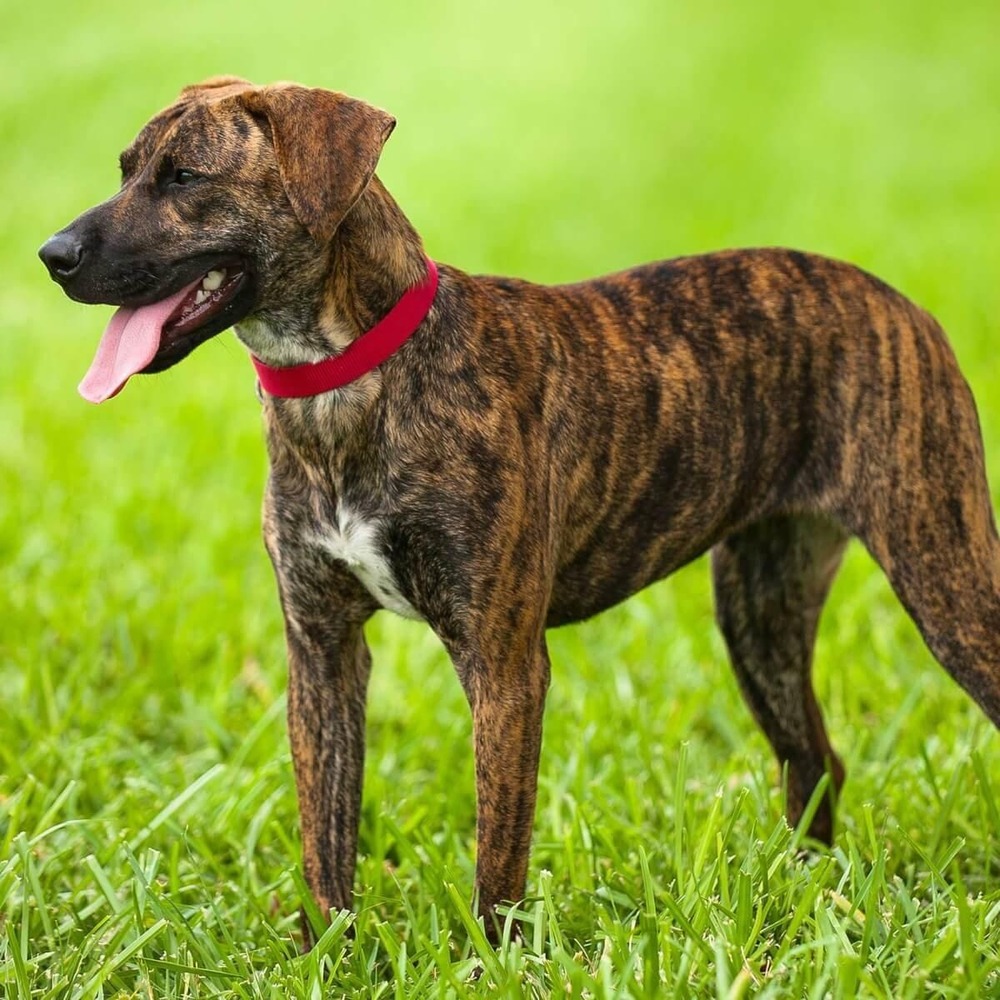
Treeing Curs come from the broader “cur” tradition in rural parts of the United States, where people valued function over uniform looks. The dogs needed to do more than one job, including hunting, guarding, and general farm work, and breeding choices tended to follow performance in the field.1
In the United Kennel Club (UKC), the Treeing Cur has been recognised since 1 November 1998. That matters mostly because it provides a written standard and a registry history, but the breed itself is older than paperwork and is closely tied to regional working-dog culture.1
It is also worth being clear about “recognition” more generally. The Treeing Cur is recognised by the UKC, and it is not among fully recognised American Kennel Club (AKC) breeds. Some breeds sit within the AKC Foundation Stock Service (FSS) as they develop records, but FSS is not the same as full AKC recognition.1, 2
What “treeing” means
Treeing refers to a hunting style where a dog tracks game and then “holds” it at a tree, typically by staying on site and vocalising so a handler can find them. In the UKC standard, Treeing Curs may be open, semi-open, or silent on track, with a clear change at the tree.1
Physical characteristics
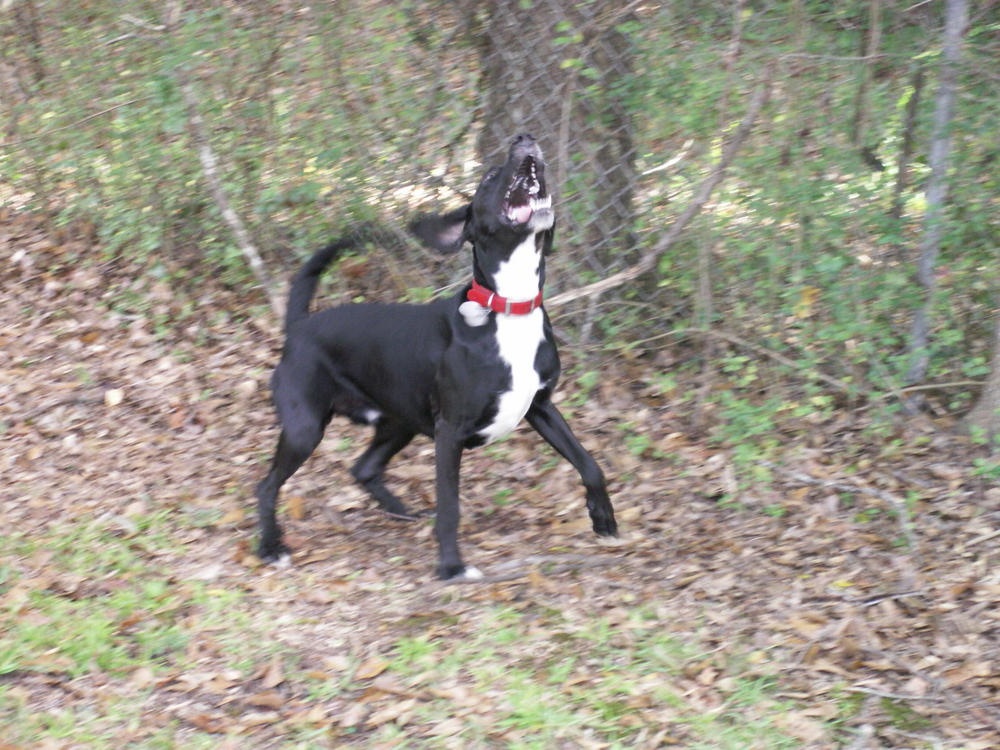
The Treeing Cur is described as a powerful, agile tree dog of small to medium size. Their build is functional rather than decorative, with enough leg length to move quickly over rough ground and enough muscle to work for extended periods.1
Coats are dense and close-fitting, with short to medium outer coat length. Ears are drop ears in the UKC standard, and tails can be any length, including natural bob tails. These details are not trivia. They reflect the sort of dog that is meant to push through scrub, manage weather changes, and keep going when the terrain is not kind.1
If you have only seen one Treeing Cur, you might assume they all look similar. In reality, the breed can be quite varied in appearance, which is consistent with its working-first background.1
Temperament and behaviour
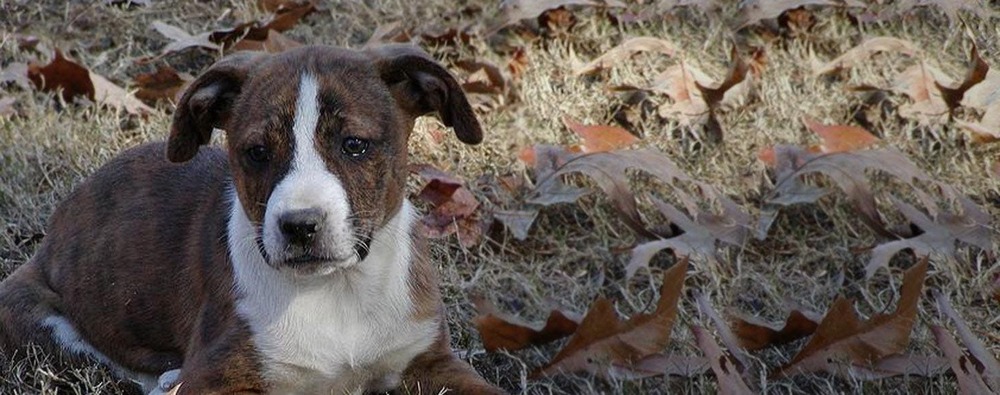
Treeing Curs are commonly described as alert and trainable, with strong hunting drive and the confidence to work at a distance from their handler. They are not built for a quiet, ornamental life, and many of their “quirks” make more sense when you remember they were selected for persistence and problem-solving outdoors.1
In a family setting, many Treeing Curs can be steady companions when their needs are met. In the same way, many can become noisy, restless, or pushy if their day is mostly waiting. Under-exercised working breeds often look like “behaviour problems” when they are really showing you a lifestyle mismatch.
Children, visitors, and other pets
As with most active hunting breeds, early socialisation and ongoing management matter. Some Treeing Curs live well with children and other dogs, especially when they are raised with them and have clear household routines. Smaller pets may be more complicated because the breed is designed to notice movement and follow scent.
If you are introducing a Treeing Cur to smaller animals, it helps to think in terms of safety systems rather than hope. Use barriers and structured introductions, and do not assume that a friendly dog automatically has low prey drive.
Training and exercise needs
Training a Treeing Cur often goes best when you treat it as a daily practice rather than a one-off puppy class. These dogs can learn quickly, but they also notice patterns quickly, including the ones you did not intend to teach.
Positive reinforcement methods are widely recommended in modern dog training because they support learning without relying on intimidation or pain. In the Australian context, the RSPCA promotes reward-based training approaches as part of humane, effective handling.5
Exercise needs are usually significant. For many Treeing Curs, a slow sniffy walk is a good start, not the whole plan. A more realistic day often includes:
- Movement with purpose, such as jogging, hiking, structured retrieving, or agility-style games.
- Scent work, including scatter feeding in grass, tracking-style games, or hide-and-seek with toys.
- Short training sessions that build impulse control, recalls, and calm settling.
Because these dogs may range further when excited, a reliable recall and safe containment are not optional extras. They are what make freedom possible.
Health and lifespan
No breed is “problem free”, but working types are often bred with soundness in mind. The most useful approach as an owner is to watch for issues that are common in active, medium-sized dogs, and to build good preventive habits.
Hip dysplasia is a condition seen across many breeds, and responsible breeders may use screening programs and registries to reduce risk over time. The Orthopedic Foundation for Animals (OFA) provides an overview of canine hip dysplasia and how it is evaluated.3
Ear issues are another practical consideration. Drop ears can reduce airflow, and a dog that spends time in water, mud, or long grass may be more prone to irritation. If your dog is prone to recurring ear problems, it is worth discussing an evidence-based cleaning plan with your vet. Guidance on otitis externa and maintenance care is covered in veterinary references such as the Merck Veterinary Manual.4
For lifespan, many dogs in this general size range live into their early teens, with variation based on genetics, injuries, body condition, and day-to-day care.6
Grooming and maintenance
The Treeing Cur coat is usually straightforward. A weekly brush is often enough to lift loose hair and dirt, and it gives you a regular moment to check skin, paws, and any small cuts picked up outdoors.
Routine ear checks are a good habit, particularly after swimming or wet weather. The goal is not constant cleaning. It is noticing changes early, such as odour, redness, head shaking, or increased scratching, and getting proper advice before a minor irritation becomes a painful infection.4
Nails, teeth, and parasite prevention matter just as much as coat care, especially for a dog that spends time on rough ground where small injuries can be easy to miss.
Diet and nutrition
For a high-energy working dog, food is not just “fuel”. It is one of the main levers you have for body condition, muscle maintenance, recovery, and long-term health. Many owners focus heavily on ingredients lists, but that is not always the most reliable way to judge suitability.
The World Small Animal Veterinary Association (WSAVA) Global Nutrition Guidelines emphasise nutritional assessment and choosing diets that are appropriate for the individual dog, ideally with veterinary input.7
In practical terms, aim for a diet that is complete and balanced for your dog’s life stage, and then adjust portions based on body condition and workload. If you are changing diets, do it gradually, and if you are considering a home-prepared diet, it is wise to seek professional formulation support rather than guessing.
Living with a Treeing Cur: who they suit best
Treeing Curs tend to suit people who genuinely enjoy training and daily outdoor time, not just as an occasional weekend plan. They often thrive where they have room to run safely and where their brains get a job, even if that “job” is structured games and skill-building rather than hunting.
Apartment living can work for some individuals, but it is usually harder. Not because the dog cannot be polite indoors, but because you need a realistic outlet for their drive, voice, and stamina.
If you are choosing this breed, it helps to think beyond the first six months. Ask yourself what your average weekday looks like in winter, not just what you would like it to look like in theory.
Final thoughts
The Treeing Cur makes the most sense when you see them as a working dog first, even if they live as a pet. They are typically clever, physical, and capable, and they can be deeply rewarding companions for people who like an engaged dog with plenty of opinions.
When problems show up, they are often practical ones: not enough exercise, not enough mental work, inconsistent boundaries, or a home setup that does not match a dog built for distance and determination. A thoughtful routine, good training, and basic health care go a long way with this breed.
References
- United Kennel Club (UKC): Treeing Cur breed standard
- American Kennel Club (AKC): Foundation Stock Service overview
- Orthopedic Foundation for Animals (OFA): Hip dysplasia in dogs
- Merck Veterinary Manual: Otitis externa in animals
- RSPCA Australia: How do I train my dog?
- VCA Animal Hospitals: Caring for your senior dog
- WSAVA: Global Nutrition Guidelines
- American Veterinary Medical Association (AVMA): Choosing the right food for your dog
- American Animal Hospital Association (AAHA): Nutrition and weight management guidelines