

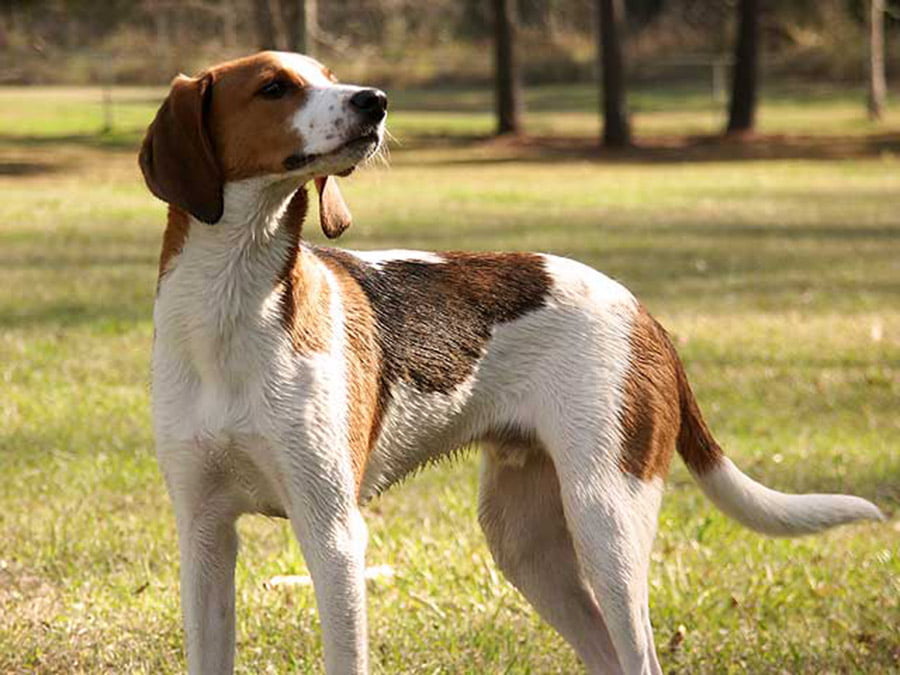
People usually meet a Treeing Walker Coonhound in a few, very real ways: you hear that carrying bay somewhere down the street, you see a lean tri-coloured hound on a lead that seems to be reading the ground like a newspaper, or you start wondering why your dog is suddenly far more interested in scents than snacks.
It is easy to assume this is just a “high-energy dog” thing. With Treeing Walkers, the bigger story is that they are built, physically and mentally, to follow information that most of us cannot even detect. If that instinct is given a healthy outlet, they can be warm, companionable dogs. If it is not, you often see restlessness, selective hearing, and a lot of vocalising.
Understanding what the breed was designed to do helps with the practical questions owners actually face: how much exercise is “enough”, why recall can feel fragile, and what daily life looks like when your dog’s nose is always switched on.
Breed snapshot: what a Treeing Walker Coonhound is
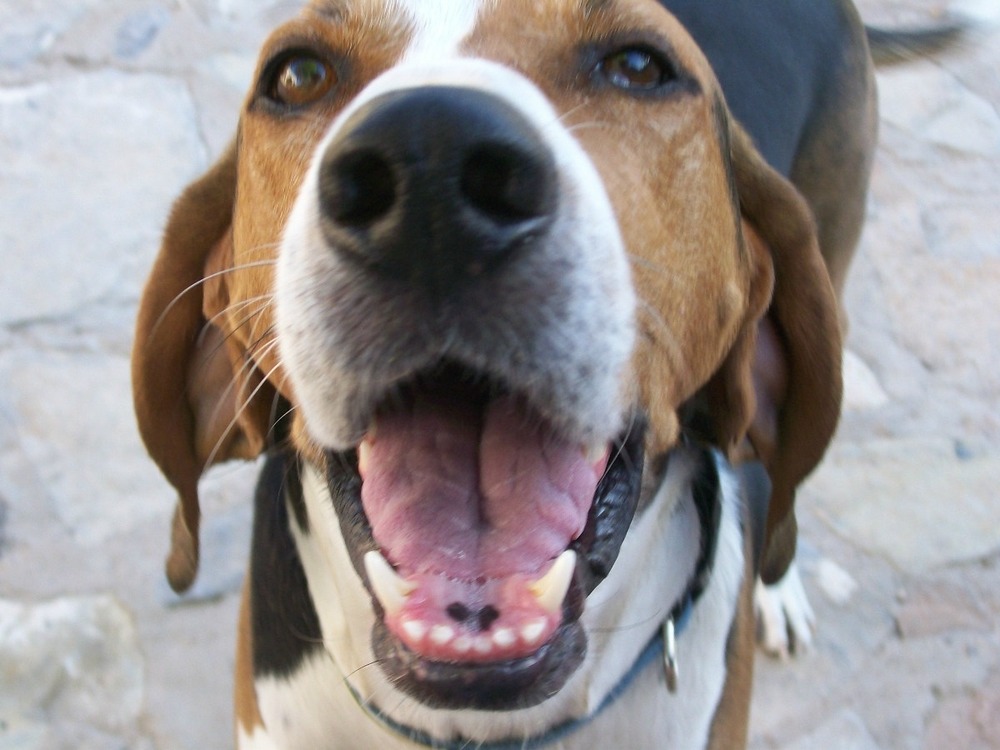
The Treeing Walker Coonhound is an American scent hound developed for tracking and treeing game, especially raccoon.1, 2 They are athletic, social dogs with a strong drive to follow scent, plus a distinctive voice that was useful to hunters working at distance.2, 3
- Group: Hound (scent hound)
- Height: About 56 to 69 cm for males, 51 to 64 cm for females (22 to 27 inches, 20 to 25 inches).1
- Coat: Short, dense, low-fuss
- Typical colours: Tri-coloured (white, black, tan) is common.1
- Life expectancy: Commonly around 12 to 13 years (individuals vary).3
If you are choosing this breed as a companion rather than a working dog, it helps to treat “hound” as more than a label. It describes a set of instincts that will show up on walks, at the fence line, and often in the way they settle (or do not) at home.
Where the breed came from, and why it still matters
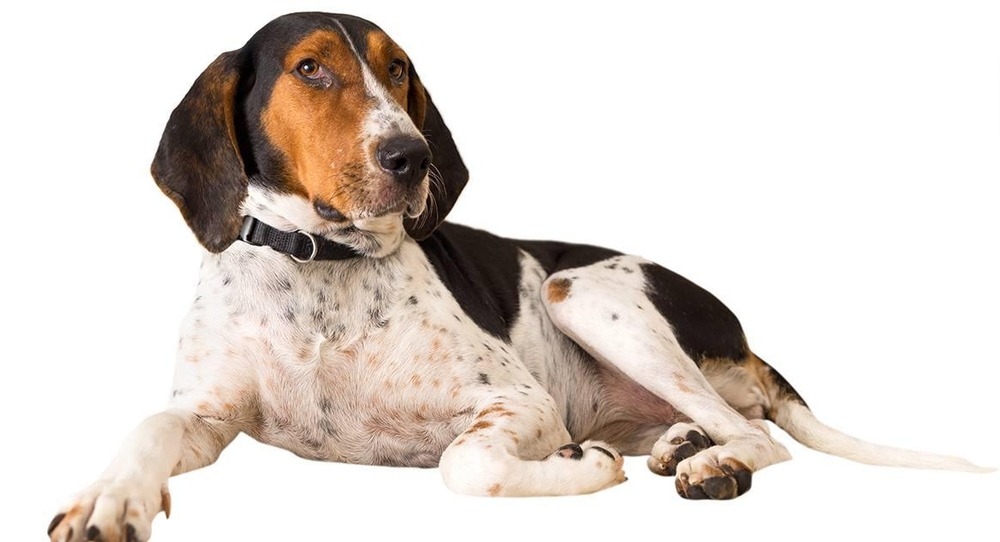
The Treeing Walker Coonhound developed in the United States from foxhound stock, with hunters selecting for speed, stamina, and a nose that could follow a trail and then “tree” the animal at the end of the chase.1, 2
This background is not just trivia. It explains why many Treeing Walkers move through the world as if they are on a mission. When a scent hits, the dog’s brain often prioritises that information over your voice, even with solid training. In practice, owners do best when they plan for this and set up safe outlets, rather than expecting the dog to behave like a breed bred for close handler focus.
Kennel club dates can also be confusing because different organisations recognised the breed at different times. The United Kennel Club began registering Treeing Walkers as a separate breed in 1945, while the American Kennel Club granted full recognition much later, in January 2012.1, 2
Temperament and everyday suitability
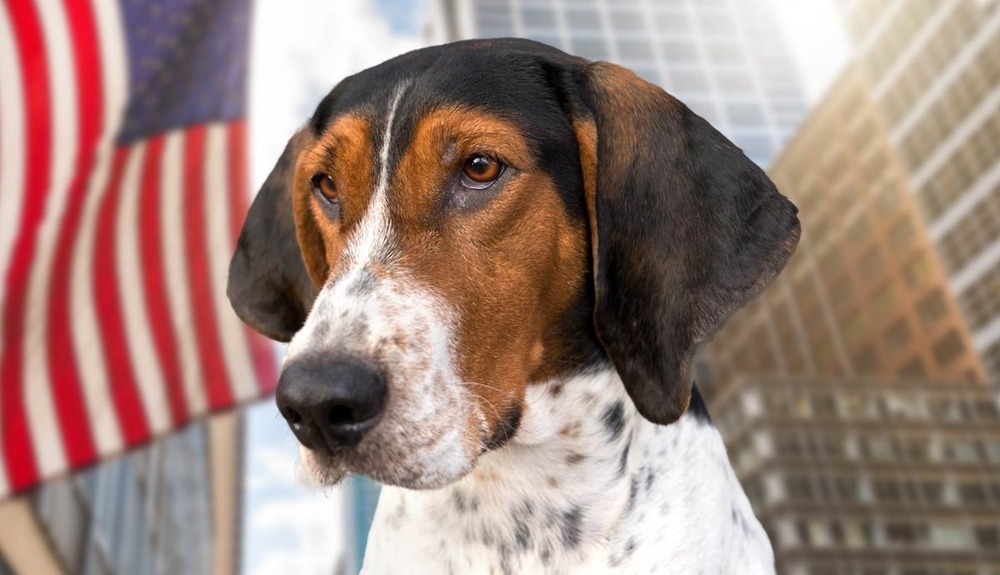
Many Treeing Walker Coonhounds are friendly, people-oriented dogs, and they often enjoy the company of other dogs.3, 4 That social side can make them lovely to live with, provided their needs are met.
What can catch families out is the combination of high drive and high voice. Coonhounds were bred to be heard, and the Treeing Walker’s baying can be part of daily life, not an occasional quirk.2
They can suit active households that enjoy long, interesting walks and have the time to do training properly. They are often less comfortable in homes where exercise is brief and repetitive, or where neighbours are close and sound carries.
Children and other pets
With sensible introductions and supervision, many individuals do well with children and enjoy being included in family routines.3, 4 With other dogs, they often thrive, especially if they are socialised early and regularly.
With smaller pets, it is worth being cautious. A strong interest in movement and scent does not automatically mean trouble, but it does mean you should plan for management and training, not hope the instinct will disappear.
Training that works with a hound brain
Treeing Walkers are intelligent and can learn quickly, but their original job rewarded independent decision-making. That can look like stubbornness, when it is really a dog following the most reinforcing option in front of them.
Positive reinforcement tends to suit this breed well, especially when the rewards are meaningful and the sessions are short enough to stay engaging.5 Many owners find that food helps, but access to sniffing can be just as powerful. Instead of trying to eliminate sniffing on walks, you can use it strategically: ask for a behaviour, then release the dog back to the scent as the reward.
- Start recall early, and practise on a long line before you trust it off lead.
- Train in low-distraction places first, then gradually add difficulty.
- Use the environment, sniff breaks, and play as rewards, not only treats.
If you have ever felt your hound “ignores” you outdoors, it can help to reframe it. The dog is not trying to be rude. Their brain is often doing exactly what it was built to do, and your job is to make listening worth it, consistently and safely.
Exercise and enrichment: more than just kilometres
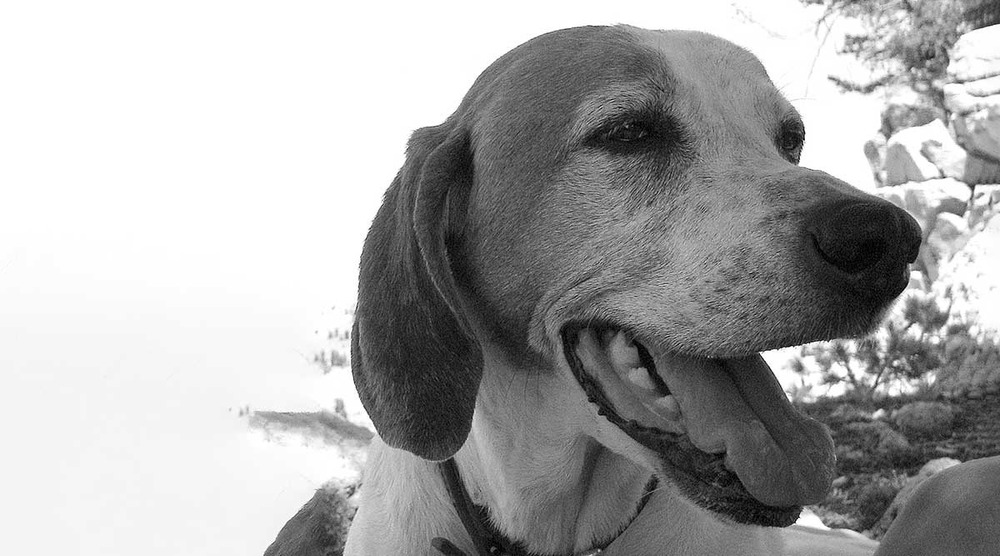
This is a high-energy breed, but the most effective tiredness is usually a blend of movement and thinking. Long walks help, but so do activities that let them use their nose and problem-solve.6
Good options often include:
- Scent-based games at home, such as scattering food in the grass, simple hide-and-seek with treats, or snuffle mats.7
- Structured training that builds impulse control, like “wait”, “leave it”, and calm lead walking.
- Safe off-lead running only in secure areas, if your dog’s recall is reliable (many owners use long lines for a long time).
Enrichment is helpful, but it needs to be done thoughtfully. Overdoing food-based enrichment can creep into overfeeding, and some toys can be unsafe if your dog is likely to chew and swallow pieces.6
Health considerations and preventative care
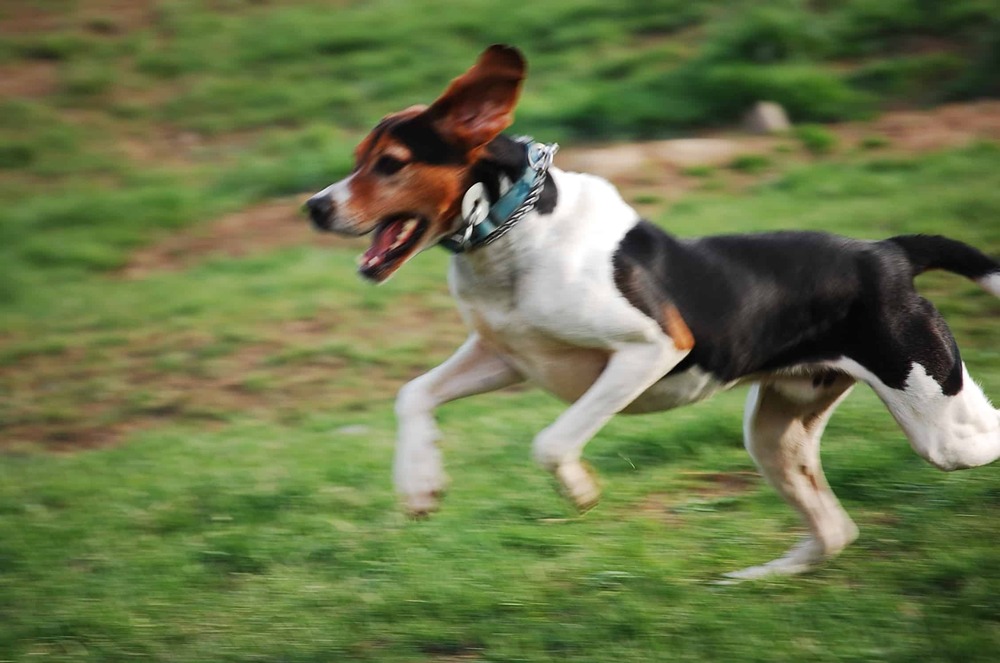
Treeing Walker Coonhounds are often robust dogs, but they are not immune to common canine issues. Two practical areas owners frequently manage are joints and ears.
Hips and mobility
Hip dysplasia is a condition where the hip joint develops abnormally, which can contribute to arthritis and discomfort over time. Severity varies widely, and environment and body condition can influence how much it affects an individual dog.8
If you are buying a puppy, ask what health screening is done in the breeding lines. If you are caring for an adult, keep a close eye on weight, fitness, and any changes in gait or willingness to jump and climb.
Ears and skin
Long, floppy ears can create a warm, moist environment that makes some dogs more prone to otitis externa (outer ear infections), especially if allergies, swimming, or trapped debris are also in the picture.9
Practical prevention usually means regular checks, drying the ears after water play, and getting veterinary guidance before you start using ear cleaners routinely. Persistent head shaking, rubbing, odour, discharge, or redness are reasons to book a vet visit sooner rather than later.
Grooming and day-to-day maintenance
The short coat is one of the easier parts of living with this breed. A weekly brush or grooming mitt is often enough to remove loose hair and keep the coat in good condition. Nails, teeth, and ears tend to be the areas that benefit most from a steady routine.
If shedding seems to spike, it is not always a grooming failure. Seasonal changes, indoor heating, and general health can all influence coat turnover. The goal is not perfection, it is keeping the dog comfortable and your home manageable.
Feeding, weight, and making nutrition less confusing
Active hounds can look naturally lean, and many owners worry they are underfeeding. Others discover the opposite, that treats, chews, and enrichment toys quietly add up. A body condition check with your vet is one of the simplest ways to avoid guessing.
The World Small Animal Veterinary Association (WSAVA) recommends nutrition be tailored to the individual pet, with regular assessment and monitoring, rather than relying on marketing claims or a single label detail.10
- Choose a complete and balanced diet appropriate for your dog’s life stage and activity.
- Measure meals for a few weeks if weight is drifting up or down.
- Use treats strategically for training, and count them as part of daily intake.
- Always keep fresh water available.
Living well with a Treeing Walker Coonhound
At their best, Treeing Walker Coonhounds are bright, companionable dogs who bring a sense of momentum to everyday life. They notice the world intensely, especially through scent, and they often want to share it with you, even if that sharing looks like pausing at every interesting patch of grass.
The most successful homes tend to be the ones that accept the breed’s core traits and build routines around them: safe freedom to sniff, consistent training, and enough activity to settle afterwards. When those pieces are in place, the famous voice, the big ears, and the tireless nose all start to feel less like challenges and more like the shape of the dog you chose.
References
- United Kennel Club (UKC): Breed Standards, Treeing Walker Coonhound
- American Kennel Club (AKC): Press release on Treeing Walker Coonhound joining the AKC (recognition January 2012)
- American Kennel Club (AKC): Facts about the Treeing Walker Coonhound
- Westminster Kennel Club: Treeing Walker Coonhound breed overview
- RSPCA Australia Knowledgebase: Positive reinforcement training
- RSPCA Australia: The importance of enrichment for dogs
- RSPCA NSW: DIY dog enrichment projects
- Orthopedic Foundation for Animals (OFA): Hip dysplasia overview
- Animal Medical Center: Ear infections in pets (otitis externa), causes and risk factors
- WSAVA: Global Nutrition Guidelines