

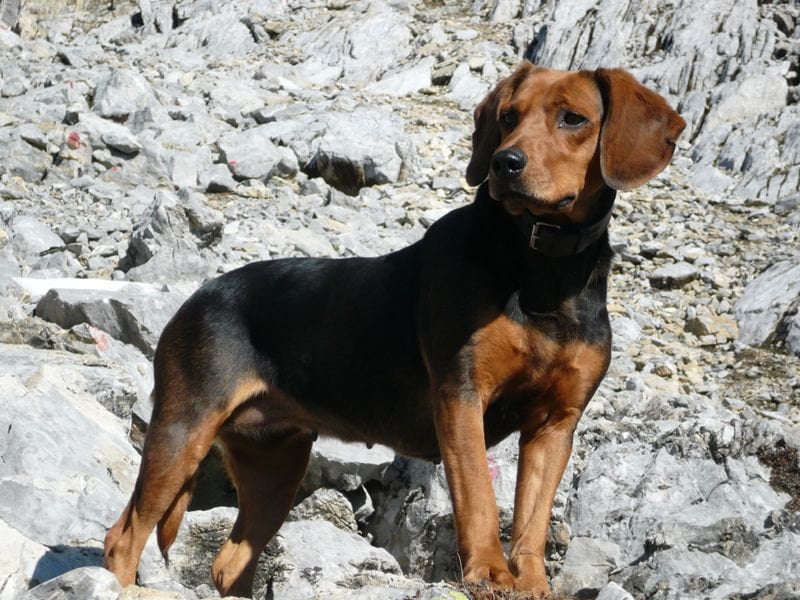
You might come across the Tyrolean Hound after noticing a certain type of dog on a bushwalk, athletic, nose down, unbothered by rough ground, and seemingly built for long hours outside. Or you may be weighing up a hound and wondering why some hounds cope beautifully in busy homes, while others struggle without a real job.
The Tyrolean Hound (also called the Tiroler Bracke) sits firmly in the working end of the hound world. People often assume a medium-sized dog with a short coat will be easy in an ordinary suburban routine. With this breed, the coat is easy, but the daily life needs are the real story. It is a scent hound first, and that shapes everything from exercise to training.
When a Tyrolean Hound is well matched to its environment, it can be a steady, capable companion. When it is under-exercised or under-stimulated, you tend to see the familiar hound patterns, wandering, selective hearing, and a strong pull towards smells that matter more than your recall cue.
Quick profile
- Breed group: Scent hound (FCI Group 6)1
- Country of origin: Austria1
- Height: Males 44 to 50 cm, females 42 to 48 cm1
- Typical build: Medium-sized, athletic, endurance-focused hound1
- Coat: Short, dense, weather-resistant, moderate shedding1
- Colours: Red shades, or black with tan markings, white markings may occur1
- Best suited to: Active people who enjoy daily outdoor time and can provide secure containment
History and origin
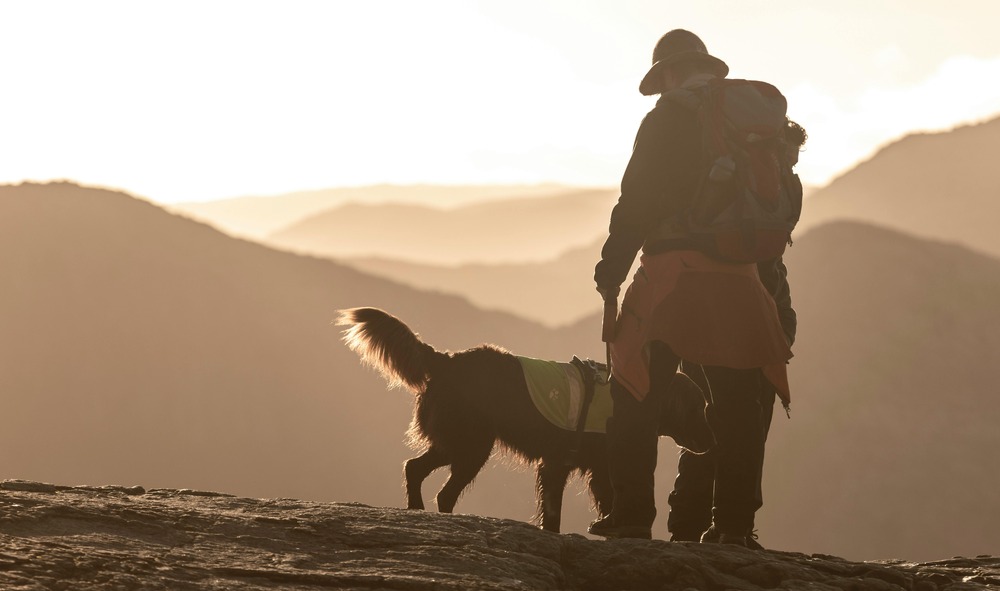
The Tyrolean Hound comes from Austria’s Tyrol region and is closely tied to mountain hunting traditions. It is recognised by the Federation Cynologique Internationale (FCI) as the Tiroler Bracke (standard number 68).1
Breed histories are often told in a tidy, linear way, but in practice these dogs were shaped by what worked: soundness, stamina, scenting ability, and the sort of movement that holds up in steep country. That working emphasis is still visible in the modern dog, even when it lives as a companion rather than a hunting partner.
If you are researching the breed because you are considering a puppy, it is worth noting that some Tyrolean Hound breed clubs place strong emphasis on hunting homes and working suitability, which tells you something about how the breed is managed and why it may be uncommon outside its home region.2
Physical characteristics that matter in daily life
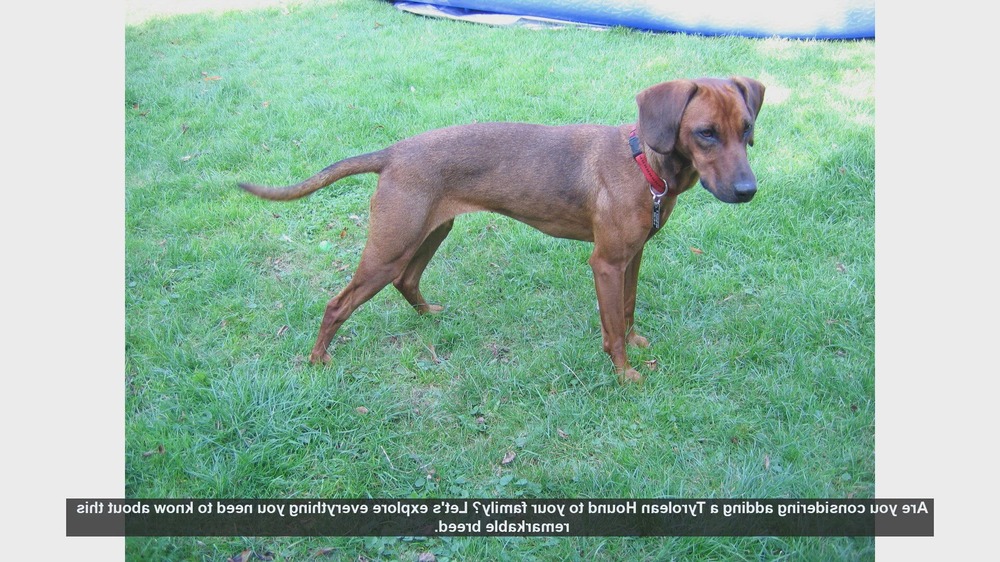
The basics are straightforward: a medium-sized hound with a short, dense coat and a practical build. The FCI standard sets height at 44 to 50 cm for males and 42 to 48 cm for females, with an overall impression of a capable, endurance-oriented dog rather than a heavy, slow-moving hound.1
Two features tend to shape ownership experience more than people expect:
- The nose, which makes scent work deeply rewarding and makes off-lead reliability harder than it looks on paper.
- The ears, which are part of typical hound anatomy and can contribute to ear trouble if moisture and debris are allowed to linger.3, 4
Temperament and behaviour
Tyrolean Hounds are commonly described as loyal, energetic, and independent. The independence is not “stubbornness” in a human sense. It is more accurate to see it as a dog that has been selected to make decisions while following scent, often at distance from the handler.
In a home setting, that can look like:
- strong interest in scent trails, including wildlife scent
- busy behaviour if exercise is repetitive and does not include sniffing or problem-solving
- greater success with training when rewards are meaningful and sessions stay varied
With children and other pets, outcomes tend to depend on the individual dog, early experiences, and management. Many hounds live well with families, but prey drive is a practical consideration, particularly around small animals, and it is best assumed rather than dismissed.
Training and exercise needs
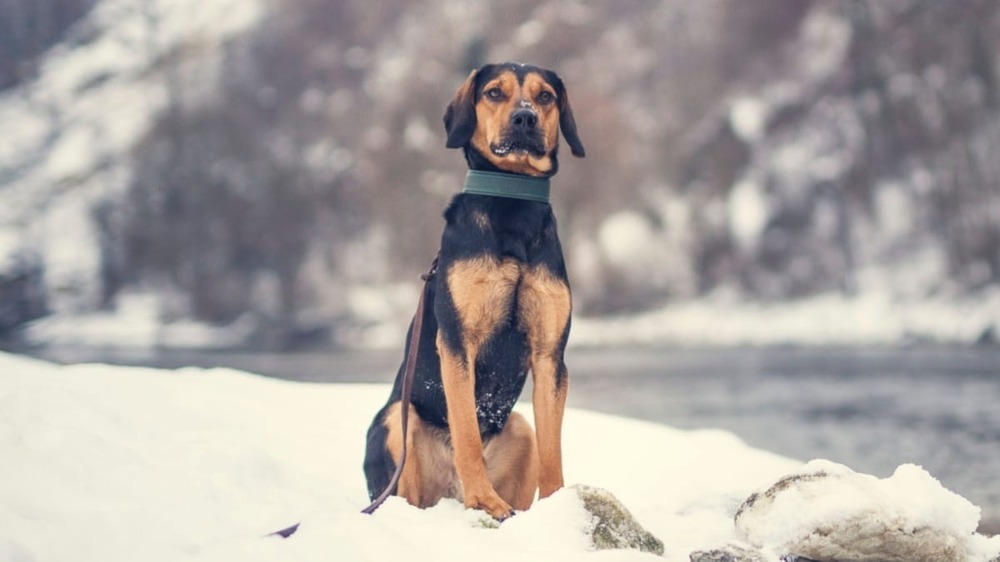
For a scent hound, “exercise” is not only about kilometres. A long, brisk walk on a short lead can still leave a hound under-satisfied if it never gets to use its nose. Most owners find life improves when they plan for both movement and sniffing.
Training tends to work best when you lean into what the dog is built to do. That might mean:
- reward-based training with high-value reinforcement, especially for recall and loose-lead walking
- structured sniffing opportunities, such as scent games, tracking-style activities, or scatter feeding in safe areas
- secure, well-maintained fencing and a thoughtful approach to off-lead time, particularly near wildlife or livestock
When socialisation is done well, the breed can be steady in everyday environments. The key is not overwhelming exposure, but calm, repeated experiences that teach the dog how to settle, watch, and move on.
Health and lifespan
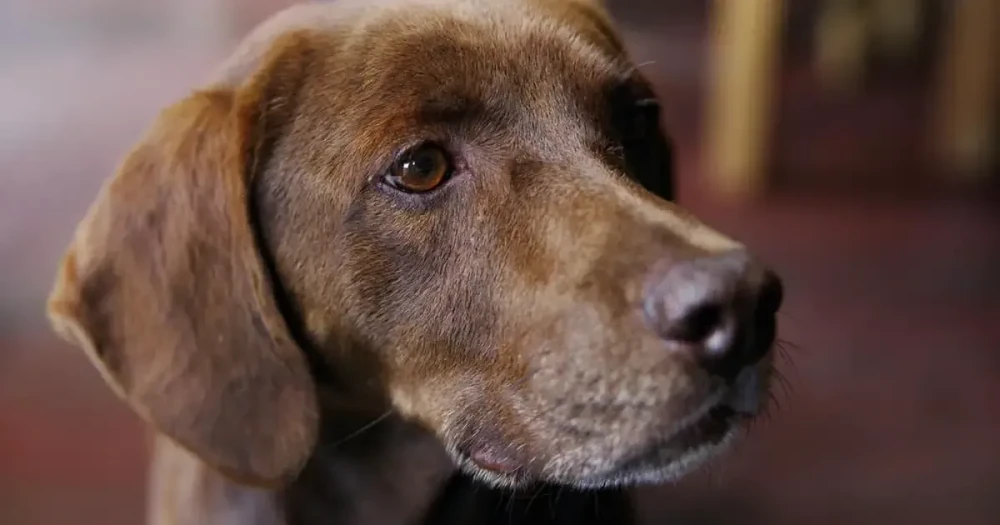
Most medium-sized working hounds are relatively robust when bred and managed well, but no breed is free of common issues. For Tyrolean Hounds, owners and vets often keep an eye on joint soundness and ear health.
Ear infections (otitis externa) are common across many breeds, and dogs with floppy ears can be at higher risk because reduced airflow and trapped moisture can encourage inflammation and secondary infection.3, 4
Practical prevention is usually simple, not aggressive:
- check ears routinely for odour, redness, excess wax, or discharge
- dry ears after swimming and baths
- use a vet-recommended cleaner if your dog is prone to ear trouble, and avoid putting cotton buds into the ear canal4, 5
For any persistent head shaking, pain, strong smell, or discharge, it is sensible to see your vet rather than trying repeated home cleaning. Ear infections can have underlying drivers such as allergies, foreign material, or yeast and bacterial overgrowth, and treatment is most effective when the cause is identified.3
Grooming and maintenance
The coat is one of the easier parts of Tyrolean Hound ownership. A weekly brush is usually enough to remove loose hair and keep the coat in good condition, with extra brushing during seasonal shedding.
Maintenance is less about styling and more about field-ready care: checking paws after long walks, scanning for grass seeds, and keeping nails at a sensible length so the dog can move comfortably on mixed terrain.
Diet and nutrition
Active hounds do best on a consistent, balanced diet that supports lean muscle and steady energy. In Australia, many owners use a complete and balanced commercial food, or a carefully formulated alternative plan designed with veterinary guidance.
Two practical habits make a noticeable difference:
- keep an eye on body condition, rather than relying on the number on the scales alone
- adjust portions with seasons and workload, since a working, running dog needs different fuel from a dog doing shorter suburban walks
If you are changing diets, do it gradually. If your dog has recurrent ear issues or itchiness, discuss allergy investigation with your vet, as skin disease can contribute to ear inflammation in some dogs.3
Is a Tyrolean Hound a good fit?
This is a breed that tends to shine when its life is spacious enough, not necessarily in land size alone, but in routine. If you enjoy getting outside daily, can offer secure containment, and are willing to train patiently with a hound mindset, a Tyrolean Hound can be deeply satisfying to live with.
If you are hoping for a low-effort dog because the grooming is easy, it may be worth pausing. Low grooming is not low needs. With scent hounds, the quality of daily engagement matters at least as much as the quantity of exercise.
References
- FCI: Tiroler Bracke (Tyrolean Hound), Standard No. 68
- Österreichischer Klub Tirolerbracke: Puppy placement information
- Animal Medical Center: Ear infections in pets, causes and treatments
- American Kennel Club: Tips for preventing dog ear infections
- Preventive Vet: Ear infections in dogs, prevention and ear cleaning guidance
- FCI: Group 6, Scent hounds and related breeds
- Wikipedia: Tyrolean Hound (overview)
- Wikipedia (German): Tiroler Bracke (overview)