

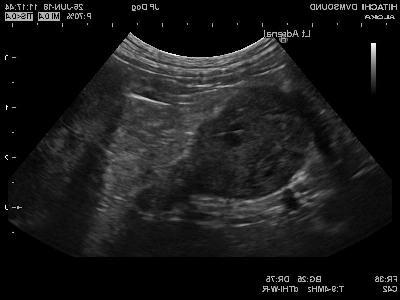
Most people do not go looking for “autoimmune haemolytic anaemia” out of curiosity. They land here after noticing something that does not quite add up, a dog who is suddenly flat on walks, gums that look paler than usual, or breathing that seems a bit too quick for a quiet afternoon. Sometimes it follows a recent illness. Sometimes there is no obvious lead at all.
Anaemia can sound like a simple shortage, as if a good meal or a few days of rest might sort it out. With autoimmune haemolytic anaemia, the problem is different. The body is losing red blood cells faster than it can replace them, because the immune system has started targeting those cells as if they do not belong.1
That is why this condition matters in practice. It can move quickly, it can look like other illnesses at first, and it often needs treatment that is both urgent and carefully monitored.
Understanding autoimmune haemolytic anaemia (AIHA) in dogs

Autoimmune haemolytic anaemia is often described clinically as immune-mediated haemolytic anaemia (IMHA). Both terms refer to the same core problem: immune-driven red blood cell destruction. Red blood cells carry oxygen around the body, so when their numbers fall, organs and muscles start running on less fuel than they need.1
In some dogs, red blood cells are destroyed mainly in the spleen and liver (extravascular haemolysis). In others, destruction occurs within blood vessels (intravascular haemolysis), which can be associated with darker urine due to haemoglobin being filtered by the kidneys.4
AIHA can be described as primary (idiopathic), where no trigger is found, or secondary, where an underlying factor is suspected. Possible triggers include some infections, drugs, inflammatory disease, and cancers, although in many cases a clear starting point is never identified.1
Dogs who are more at risk
Any dog can develop AIHA, but some breeds appear over-represented in clinical reports. This does not mean it is inevitable, only that genetic background may play a part in susceptibility.2
What AIHA can look like at home
The early signs are often ordinary enough to be dismissed for a day or two. A dog may sleep more, lag behind on walks, or feel “not quite themselves”. As anaemia worsens, the clues tend to become more physical and easier to see.
Common signs owners notice
- Lethargy and exercise intolerance
- Pale gums or inner eyelids (mucous membranes)
- Fast breathing or panting at rest
- Fast heart rate, weakness, or collapse
- Reduced appetite
- Yellow-tinged gums, skin, or whites of the eyes (jaundice) in some cases
- Dark urine (sometimes described as red-brown) in some cases
These signs are consistent with moderate to severe anaemia and haemolysis, but they are not unique to AIHA. That is one reason veterinary assessment and testing matter early, especially if gums look pale or yellow, or if a dog is weak at rest.4
When it can feel confusing
AIHA can arrive alongside fever, enlarged lymph nodes, or a raised white cell count on bloodwork. It is easy to assume “infection” first. Sometimes infection is part of the story, but inflammation can also be a consequence of immune-mediated red blood cell destruction itself.4
How vets diagnose AIHA
Diagnosis is usually a combination of pattern recognition and proof. A complete blood count and a careful look at a blood smear help show whether a dog is anaemic and whether the bone marrow appears to be responding (regeneration often takes several days).4, 6
On a smear, vets and clinical pathologists look for changes that support immune destruction. One of the most useful findings in dogs is the presence of spherocytes, red blood cells that have lost their normal shape. In context, spherocytes are strongly supportive of immune-mediated haemolysis.3, 6
Tests commonly used
- Complete blood count (including haematocrit or packed cell volume)
- Reticulocyte count (to assess regeneration)
- Blood smear evaluation for spherocytes and agglutination
- Biochemistry for bilirubin and organ function (jaundice can correlate with raised bilirubin)
- In-saline agglutination test in some cases
- Direct antiglobulin (Coombs) test, which can help, but is not perfect
The Coombs test can be useful when suspicion is high but agglutination is not seen. Results need careful interpretation because both false negatives and false positives occur, and it does not identify whether the condition is primary or secondary on its own.7
Looking for an underlying trigger
Many work-ups include screening for infectious disease and imaging (such as chest or abdominal imaging) to check for tumours, inflammatory disease, or other trigger factors. This step matters because treating the trigger can change the outcome, and because immunosuppressive drugs can make some infections harder to control.7
Treatment, stabilisation, and what “supportive care” really means
Treatment usually has two parallel aims: support oxygen delivery now, and reduce immune destruction going forward. The exact plan depends on severity, whether haemolysis is ongoing, and whether complications are present.
Immunosuppression
Corticosteroids such as prednisolone are commonly used early because they can reduce immune attack on red blood cells. If response is inadequate or side effects are a concern, additional immunosuppressive drugs may be considered by the treating vet (for example, azathioprine or ciclosporin).2, 8
Because immunosuppressive medications can have significant side effects, good care includes planning for monitoring, dose adjustments, and infection risk. In other words, the goal is the lowest effective dose for the individual dog, for as long as needed.
Blood transfusions
When anaemia is severe, transfusion can be lifesaving. It does not “fix” the immune problem, but it can buy time while medications begin to work and the body starts producing new red blood cells.2
Watching for complications
AIHA carries a risk of serious complications, including blood clots in the lungs (pulmonary thromboembolism). Vets monitor closely for changes in breathing, oxygenation, and overall stability, especially in the early phase of treatment.4
Living with AIHA, monitoring, relapse, and the long view
After the initial crisis, life tends to become quieter but not hands-off. Follow-up blood tests help confirm that red blood cell numbers are improving, that regeneration is appropriate, and that treatment is not tipping into avoidable side effects.
Some dogs do very well long term, but relapse is possible, including months or years later. One long-term study of dogs that survived beyond the early period reported relapses occurring in a minority of cases, sometimes after extended time on reduced or discontinued medication. This is why your vet may recommend ongoing check-ins even after a dog seems “back to normal”.9
Practical home considerations
Day to day care is often simple, but it benefits from steady attention rather than big interventions. Many owners find it helps to:
- Keep exercise gentle and self-paced during recovery.
- Give medications exactly as prescribed, and never stop steroids suddenly unless a vet has advised a taper.
- Note changes in gum colour, breathing effort, appetite, and urine colour, and report them early.
- Ask for a clear monitoring plan (what to watch at home, and when the next blood test is due).
Prevention and sensible risk reduction
There is no reliable way to prevent primary AIHA. It is not something an owner causes by being “too careful” or “not careful enough”. That said, there are sensible steps that can reduce avoidable risks and help catch problems early.
Health care that supports early detection
Regular veterinary checks make it more likely that subtle changes, including mild anaemia or early signs of systemic illness, are picked up before a dog becomes seriously unwell.
Vaccination decisions, balanced and individual
Vaccination protects dogs from serious infectious diseases, and major veterinary bodies recommend that core vaccines be given to all dogs, while non-core vaccines are based on lifestyle and local risk. If a dog has had immune-mediated disease, vets often individualise timing and product choices, weighing infection risk against the dog’s history and current health status.10
If you are worried about vaccines as a possible trigger, it is worth discussing calmly with your vet. The goal is usually not “never vaccinate”, but vaccinate thoughtfully, with a plan that suits the dog in front of you.
References
- Merck Veterinary Manual: Hypersensitivity diseases in animals (includes immune-mediated haemolytic anaemia overview)
- Royal Veterinary College (RVC): Tackling IMHA, most common autoimmune disease in dogs (overview, signs, treatment examples)
- Merck Veterinary Manual: Clinical haematology (blood smear findings including spherocytes)
- Today’s Veterinary Practice: Immune-mediated haemolytic anaemia (clinical signs and complications)
- RVC Research News: Immune-mediated haemolytic anaemia (breed predisposition and outcomes context)
- Today’s Veterinary Practice: Diagnosis of immune-mediated haemolytic anaemia (CBC, smear, regeneration timing)
- dvm360: IMHA, diagnosing and treating a complex disease (Coombs test limitations, imaging considerations)
- PubMed: Primary immune-mediated haemolytic anaemia, a retrospective long-term study in 61 dogs
- World Small Animal Veterinary Association (WSAVA): Global vaccination guidelines
- AAHA: 2022 canine vaccination guidelines (2024 update)