

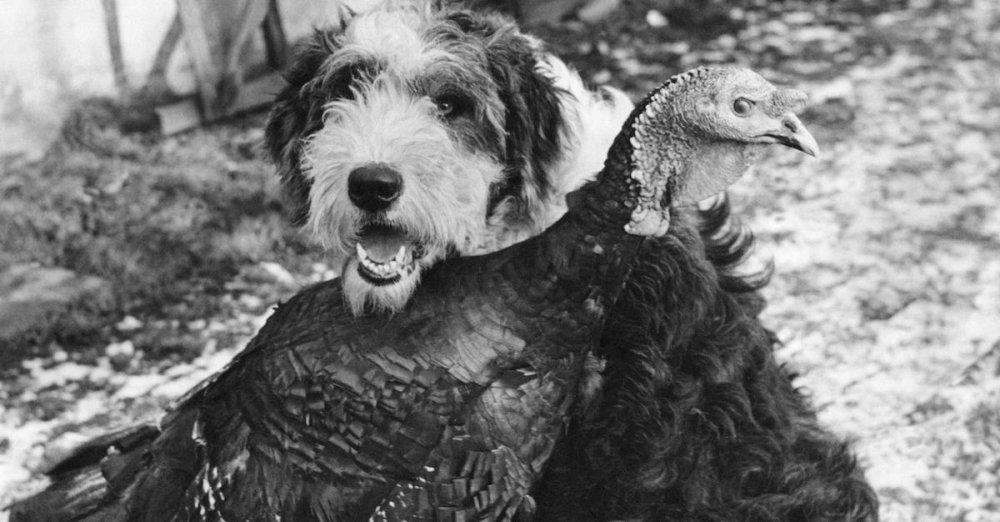
Most people start wondering about bird flu and dogs in a fairly ordinary way: you hear about an outbreak in poultry, you notice a cluster of dead wild birds near a creek, or your dog develops a cough after a weekend where they were very interested in ducks and droppings.
It is tempting to assume avian influenza is strictly a “bird problem”. In practice, influenza A viruses are better thought of as a family of viruses that mostly circulate in birds, but can occasionally spill over into other animals when the conditions line up. That spillover is still uncommon in dogs, yet it matters because the situations that create risk, such as scavenging, hunting, and access to carcasses, are exactly the sorts of things many dogs are drawn to.
It also matters because the signs you might see in a dog are not unique. A dog with bird flu can look like a dog with kennel cough, pneumonia, or a rough viral week. So the question is rarely “is it bird flu?”, it is “what has my dog been exposed to, and what should I do next?”
Understanding bird flu (avian influenza)
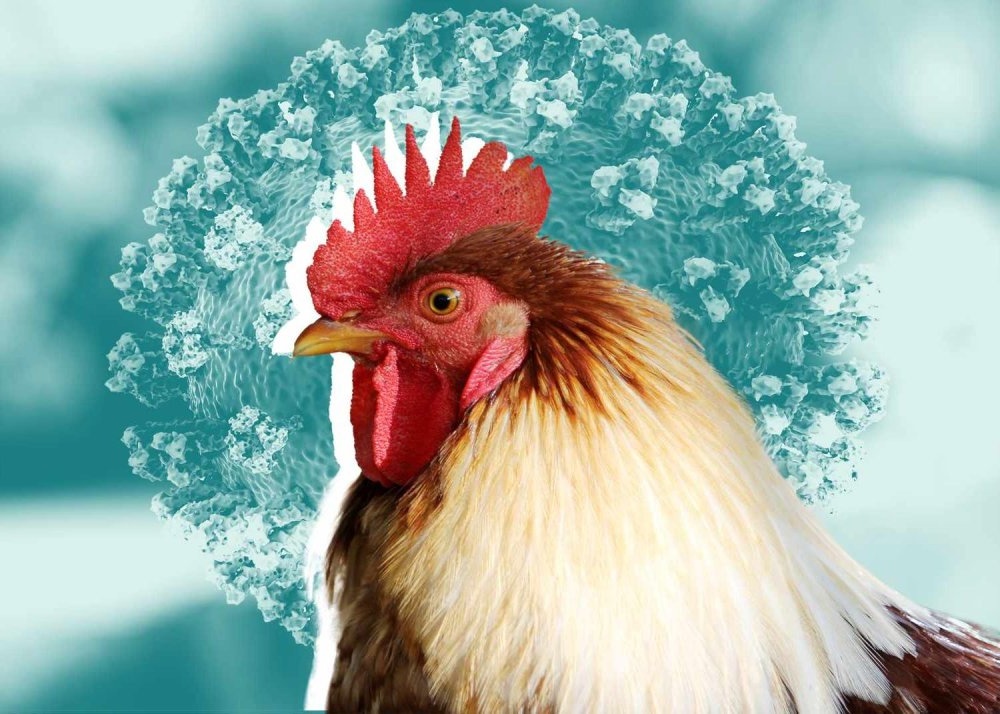
Bird flu, also called avian influenza, is caused by influenza A viruses that are adapted to birds. Some strains circulate quietly in wild birds, while others cause severe disease outbreaks in poultry (often described as highly pathogenic avian influenza, or HPAI).1
Birds can shed virus in saliva, respiratory secretions, and droppings. That is why outbreaks are often discussed in terms of contaminated environments, not just direct bird-to-bird contact. For dogs, the higher risk scenarios tend to involve eating or mouthing infected birds or carcasses, or getting into contaminated material in places where wild birds congregate.2, 3
Can dogs get bird flu?
Dogs can become infected with avian influenza viruses, but it appears to be uncommon and is not something most pet dogs will ever encounter. Where infections have been documented in different countries, exposure has often involved close contact with infected birds, scavenging, or living in environments where infected wildlife or poultry are present.2
In Australia, government advice consistently frames illness in dogs as rare and most relevant when a pet eats or interacts with infected animals. The practical takeaway for owners is not to panic, but to keep scavenging opportunities low, especially around wetlands and wildlife areas, and to take unusual illness more seriously if there has been relevant exposure.3, 4
What signs might you notice in a dog?
When avian influenza is discussed in pets, it is easy to focus only on coughing and sneezing. Respiratory signs do matter, but guidance for pets also includes broader, more general illness signs such as fever, low appetite, fatigue, eye inflammation or discharge, and in some cases neurologic signs (for example tremors, seizures, or unsteadiness).2
This overlap is exactly what makes home “diagnosis” unreliable. A mild cough after daycare is common. A cough plus lethargy after your dog has had access to sick or dead birds, or has been roaming around bird carcasses, is a different story. Exposure history helps your vet decide what to test for, and how urgently.2, 3
Diagnosis and treatment (what your vet may do)
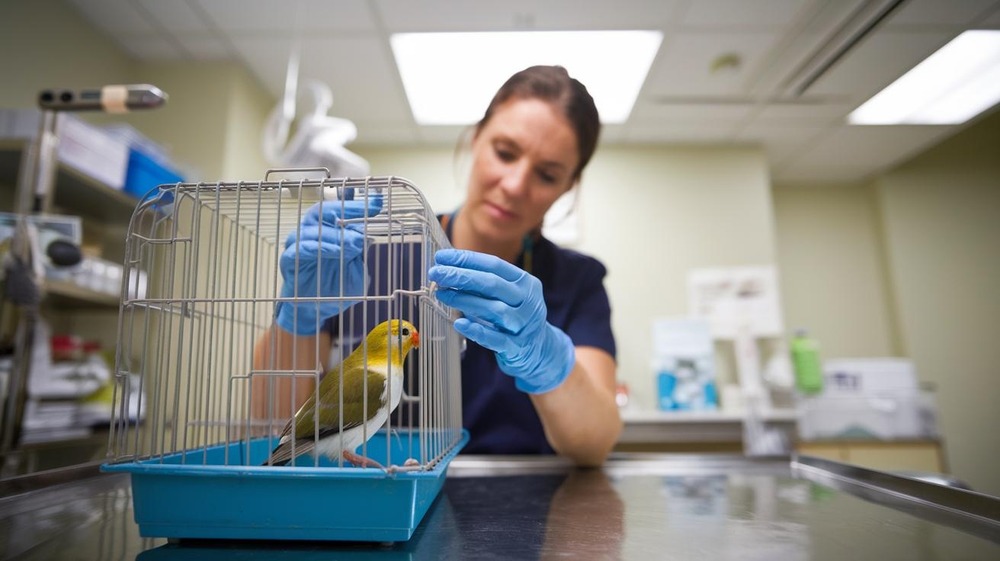
If avian influenza is a concern, veterinarians generally start with the same basics they would for any significant respiratory or systemic illness: a physical examination, careful history, and tests guided by clinical signs. Where H5N1 or other avian influenza strains are suspected based on signs and exposure, testing pathways can involve coordination with animal health and public health authorities, depending on local requirements and laboratory access.5
Treatment for influenza in dogs is typically supportive care, which may include managing fever, maintaining hydration, supporting breathing, and monitoring for complications like pneumonia. The details depend on severity and the individual dog. The important point for owners is that early veterinary assessment is worthwhile when a dog is unwell and there has been credible exposure, because supportive care is most effective when started promptly.
Reducing risk in everyday life
Risk reduction is mostly about removing the specific opportunities that allow spillover. You do not need a sterile lifestyle. You do need to assume that a determined dog will investigate whatever you do not manage.
Simple habits that make a real difference include:
- Keep dogs on a lead in wildlife areas, especially around waterbirds.
- Do not allow pets to eat, carry, or mouth sick or dead birds, or any unknown carcass.3, 6
- Prevent wild birds from accessing your pet’s food and water bowls outdoors.3, 6
- If you have handled sick or dead birds (or been in a heavily contaminated area), shower and change clothes before close contact with your pets.3
Food choices also matter. Overseas investigations have linked H5N1 infection in pets, particularly cats, to unpasteurised milk and raw or undercooked meat products. For households choosing raw feeding, it is worth weighing that risk carefully, especially during periods of heightened avian influenza activity in animals.2, 7
What about other pets, and people in the household?
Bird flu is not only a dog question. Cats are considered more susceptible to severe outcomes with H5N1 than dogs, and a household that includes both should be especially careful about hunting, scavenging, and raw animal products.7
For people, public health agencies describe the overall risk as low for the general community, with most human infections associated with close, often unprotected contact with infected animals. It is still sensible hygiene to wash hands after handling animals, avoid contact with sick or dead birds, and follow official instructions during outbreaks.2, 4
What to do if you suspect bird flu exposure
If your dog is unwell and has plausibly been exposed, treat it as a “vet today” situation, not because bird flu is the most likely explanation, but because the combination of respiratory signs and high risk exposure can worsen quickly with several different diseases.
While you organise care:
- Limit contact with other animals until your dog has been assessed.
- Keep your dog away from children and immunocompromised people until you have veterinary advice, particularly if there are eye symptoms, heavy nasal discharge, or breathing difficulty.3, 5
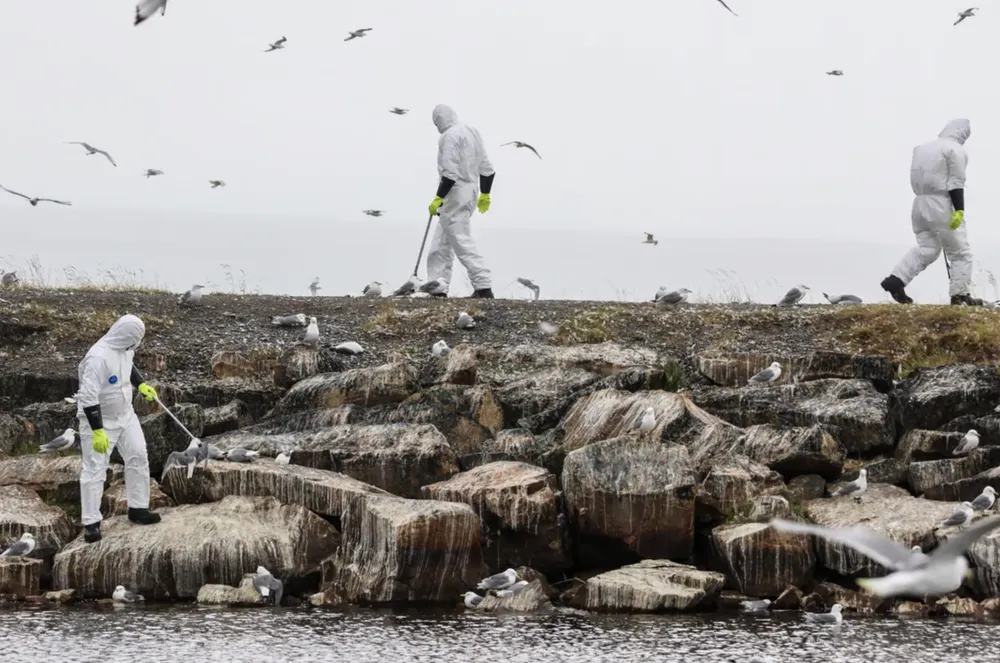
- If you have found multiple sick or dead birds or other animals in the area, do not touch them. Record the location and report it to the Emergency Animal Disease Hotline on 1800 675 888.3, 6
Final thoughts
Bird flu in dogs sits in an awkward space. It is not common, but it is not imaginary either. Most of the time, the best protection looks very ordinary: a lead in the right places, less scavenging, and a calm, timely call to your vet when a dog is genuinely unwell after a risky encounter.
If there is one guiding principle, it is this: focus on exposure prevention and on sharing a clear exposure history with your veterinarian. That is what turns a worrying headline into practical, everyday safety.
References
- World Organisation for Animal Health (WOAH): Avian influenza
- CDC: Bird Flu in Pets and Other Animals
- Australian Government Department of Agriculture, Fisheries and Forestry (DAFF): Help protect against bird flu
- Australian Centre for Disease Control: Bird flu (avian influenza)
- CDC: Managing Cats and Captive Wild Animals Exposed to Bird Flu (H5N1)
- Australian Government DCCEEW: Prepare pets and wildlife for H5 bird flu
- US Food and Drug Administration (FDA): Ways to reduce risk of HPAI (H5N1) in cats (notes on dogs and raw products)
- NT Health: Avian influenza