

You might first notice it as a soft snore that seems to come from nowhere, or a noisy pant after a short stroll that does not quite match the effort. With some flat-faced dogs, those sounds can be so common that they start to feel “normal for the breed”.
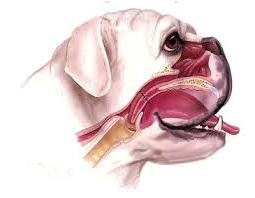
But breathing noise is not just a quirk of personality. In many brachycephalic dogs, the head shape that gives the short muzzle also leaves less room for airway tissue, so air has to squeeze through a narrower, more crowded passage.1, 2
Understanding brachycephalic obstructive airway syndrome (often shortened to BOAS, and sometimes called brachycephalic airway syndrome) helps you make better day-to-day choices, from exercise and heat management to when to push for a proper airway check, not just reassurance.
What BOAS is, and why it happens
BOAS is a collection of anatomical changes that restrict airflow in the upper airway. The best known contributors include narrow nostrils (stenotic nares), an elongated or thickened soft palate, and changes around the larynx that can worsen over time as the dog works harder to breathe.2, 3
It is not simply “small airways”. It is more accurate to think of it as a mismatch: a shortened skull, with soft tissues that have not reduced to the same degree. That mismatch creates resistance, turbulent airflow, and more effort with every breath, especially during exercise, excitement, stress, or warm weather.2, 4
Causes and risk factors owners can actually influence
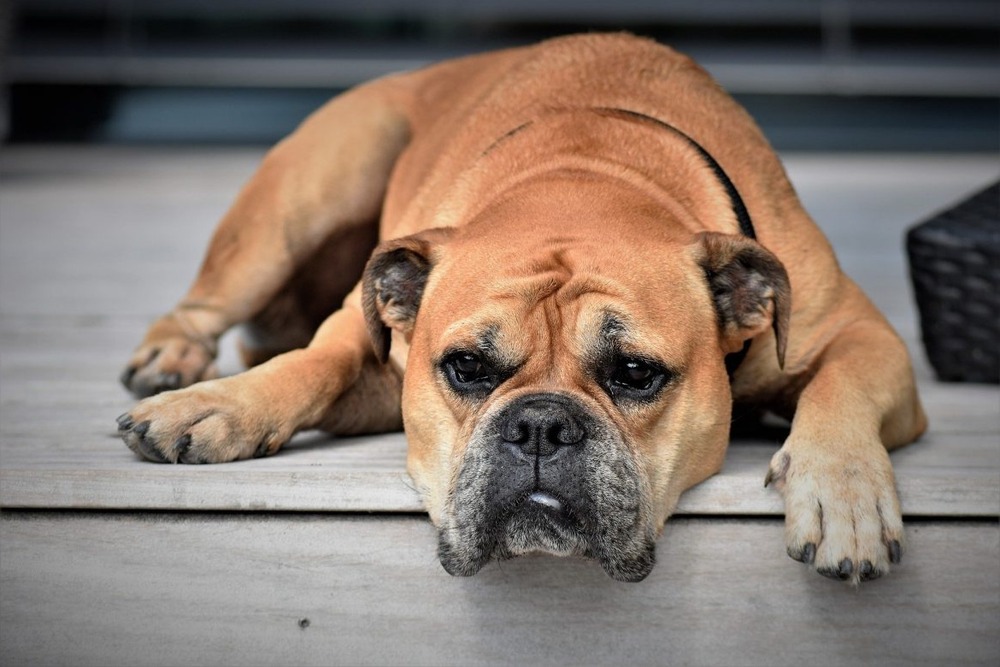
Some risk sits firmly in genetics and conformation. The shorter and more extreme the muzzle, the more likely a dog is to struggle with airflow and cooling. This is why welfare organisations and veterinary bodies keep emphasising moderation in breeding and clearer public expectations of what “healthy” looks like.1, 5
Other risk factors are more changeable, and they matter because even a small reduction in breathing effort can shift a dog from “coping” to “comfortable”. Common contributors include:
- Body condition, extra weight increases the work of breathing and heat load.2, 4
- Heat and humidity, brachycephalic dogs cool less efficiently by panting, so warm conditions can tip them into distress quickly.6
- High arousal situations, visitors, vigorous play, barking, and car trips can all increase airflow demand.
- Neck pressure, collars that pull can add resistance, a harness is often more comfortable.2
Signs that suggest more than “cute snoring”
Many owners first pick up BOAS as noise: snorting, snuffling, or a raspy sound when the dog breathes in. Noise alone does not tell you severity, but it is worth treating as information, not decoration.2
Common signs vets associate with BOAS include:
- Noisy breathing at rest or with mild activity (snoring, stertor, stridor).2
- Exercise intolerance, stopping, sitting down, lagging behind, or taking a long time to recover.4
- Heat intolerance, heavy panting that does not settle, restlessness in warm rooms, difficulty cooling down.6
- Gagging, retching, regurgitation, or “reverse sneezing”, especially after meals or excitement.4
Some signs are urgent. If you see blue or pale gums, collapse, severe breathing effort, or a dog that cannot settle even after rest and cooling, treat it as an emergency and seek veterinary care immediately.4
How BOAS is diagnosed (and what that appointment can look like)
Diagnosis usually starts with a careful history and observation, ideally including what your dog does at home, not just in the clinic. Many vets will listen to breathing, look at nostril size, assess body condition, and discuss heat and exercise tolerance.2
To properly assess internal structures, vets may recommend imaging and a sedated airway examination. Sedation and anaesthesia can carry extra risk in brachycephalic dogs, so it is sensible to talk through safety planning, monitoring, and aftercare, rather than avoiding the investigation altogether.2
Treatment options that make day-to-day life easier
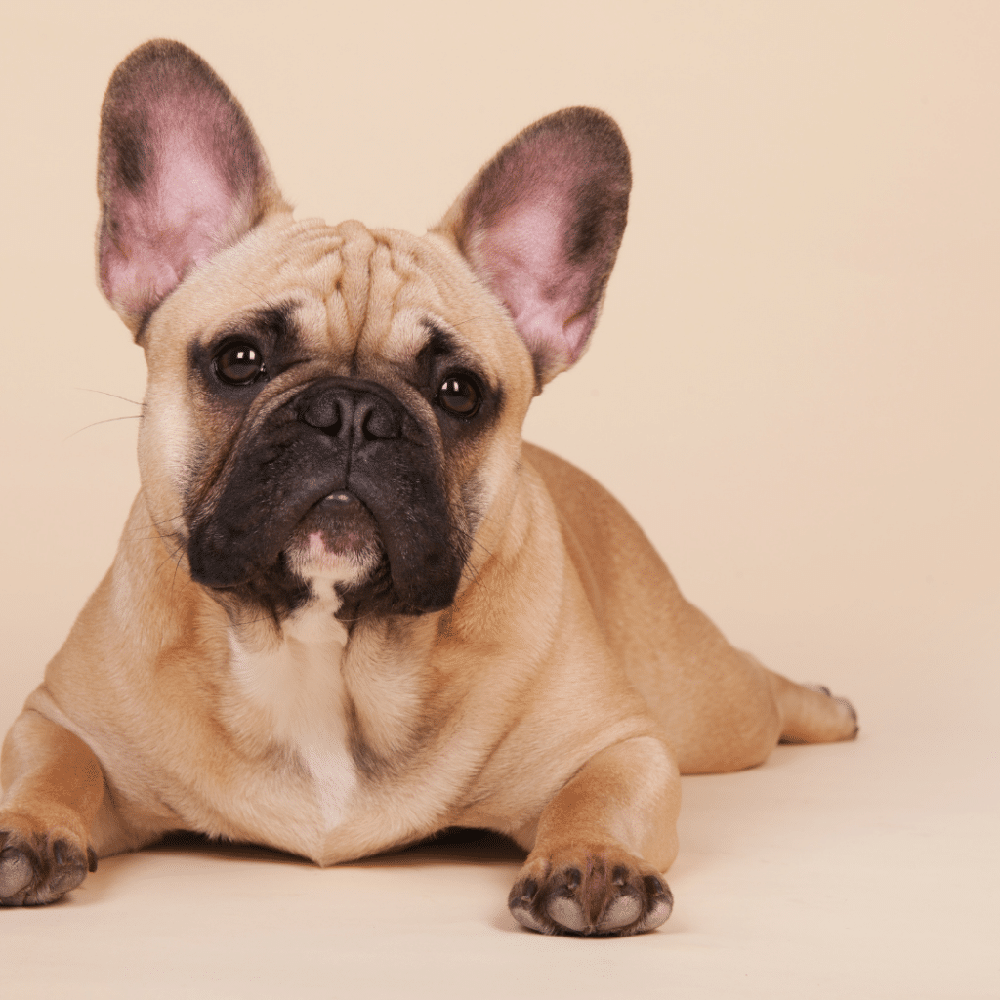
Treatment is usually a blend of management changes and, for many dogs, surgery to reduce obstruction. It helps to think in terms of reducing breathing effort and preventing secondary changes that occur when a dog has been working hard to breathe for years.
Surgical treatment
Common procedures include widening the nostrils and shortening or thinning the soft palate. Some dogs may also need other corrections depending on what is found at examination. Surgery often improves airflow and comfort, but it is not always a complete fix, especially in more advanced cases.1, 2
Severity matters. In dogs presented for BOAS surgery, higher stages of laryngeal collapse have been associated with a higher risk of post-operative complications, which is part of why early, realistic assessment is useful.7
Non-surgical management
Even when surgery is planned, everyday management still counts. For dogs with mild signs, it may be the main approach. Strategies often include:
- Keeping your dog lean and fit, with gentle, steady conditioning rather than bursts of intense exercise.2, 4
- Walking at cooler times, avoiding humid days, and building in recovery breaks.6
- Using a harness instead of a collar, especially for dogs that pull.2, 4
- Discussing reflux or gastrointestinal signs with your vet, as these can sit alongside airway disease.4
Living with BOAS, comfort, routines, and quality of life
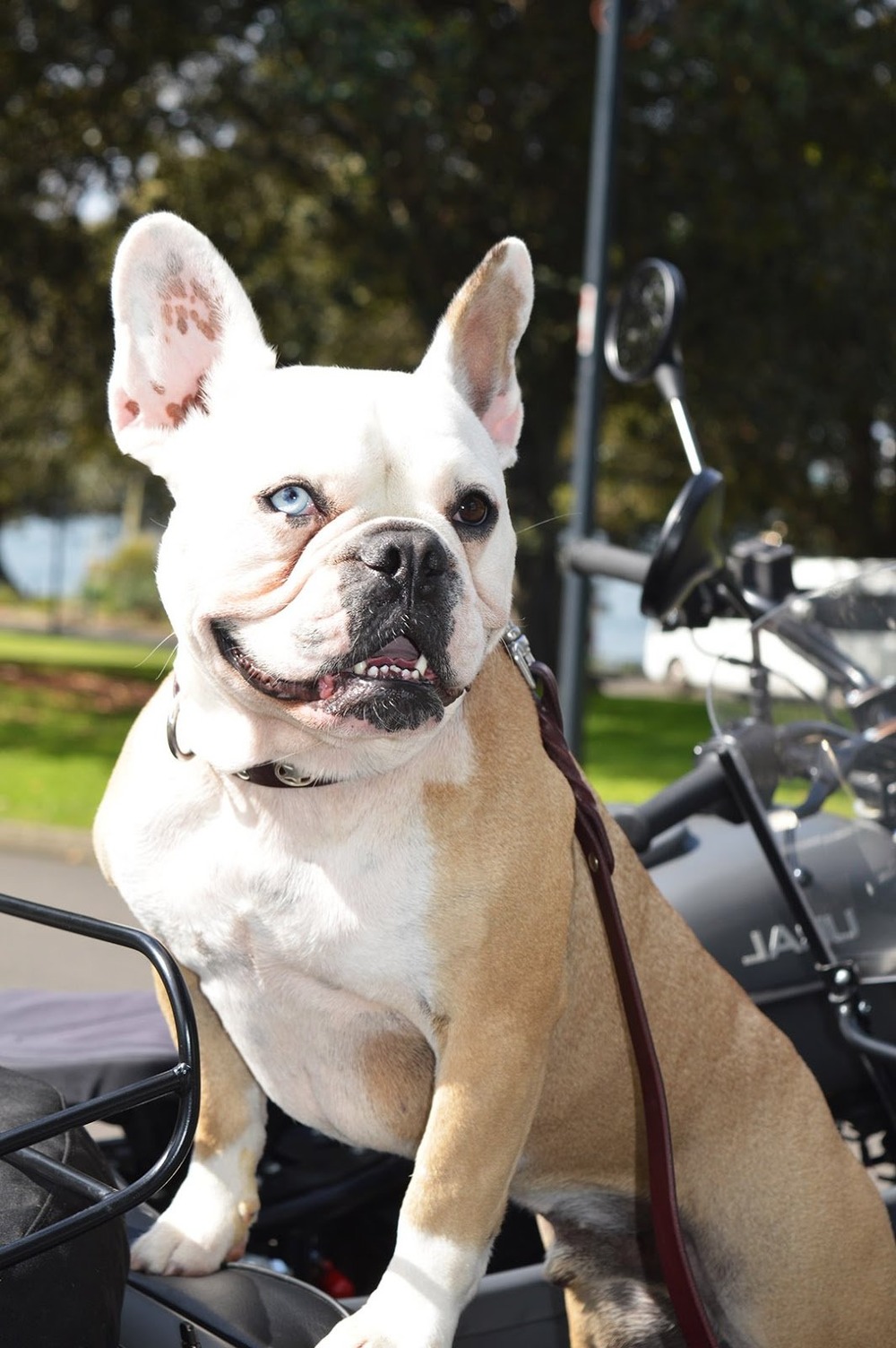
BOAS affects more than walks. It can shape how a dog sleeps, how quickly they overheat, and whether they can play in the way you might expect from their age and personality. Owners often describe a pattern of “small limits” that become more obvious over time: choosing the shade, avoiding stairs, tiring quickly, or needing long recovery after excitement.2
It also helps to be honest about trade-offs. A dog may still enjoy life with good care, but they may need an environment that supports breathing, cool indoor spaces in summer, and a routine that avoids big spikes in exertion. Those are not failures of training or fitness, they are practical adaptations to anatomy.
Breeds commonly affected, and what varies between individuals
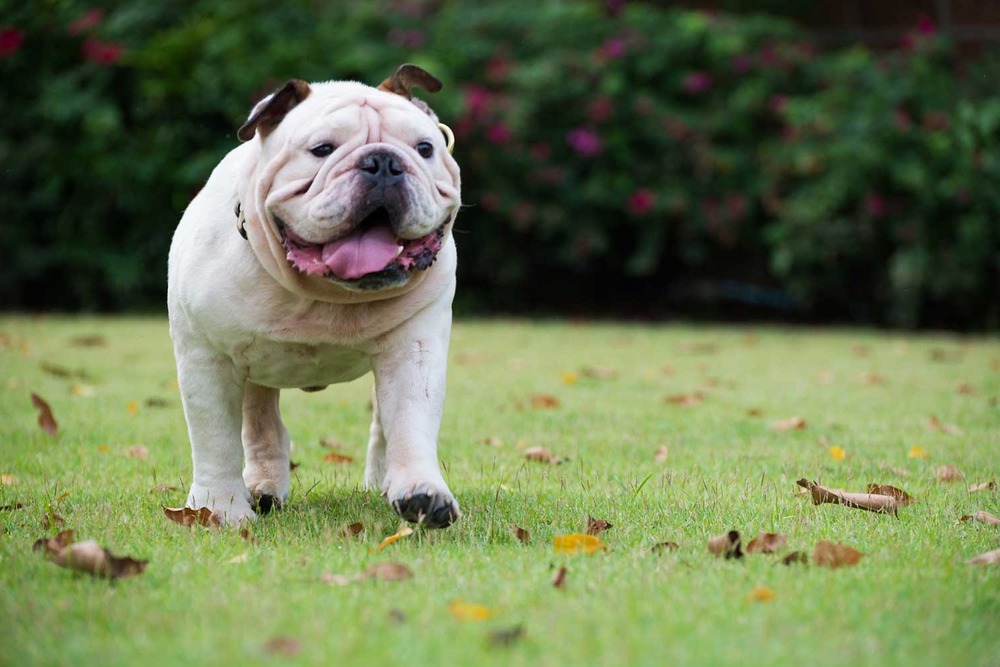
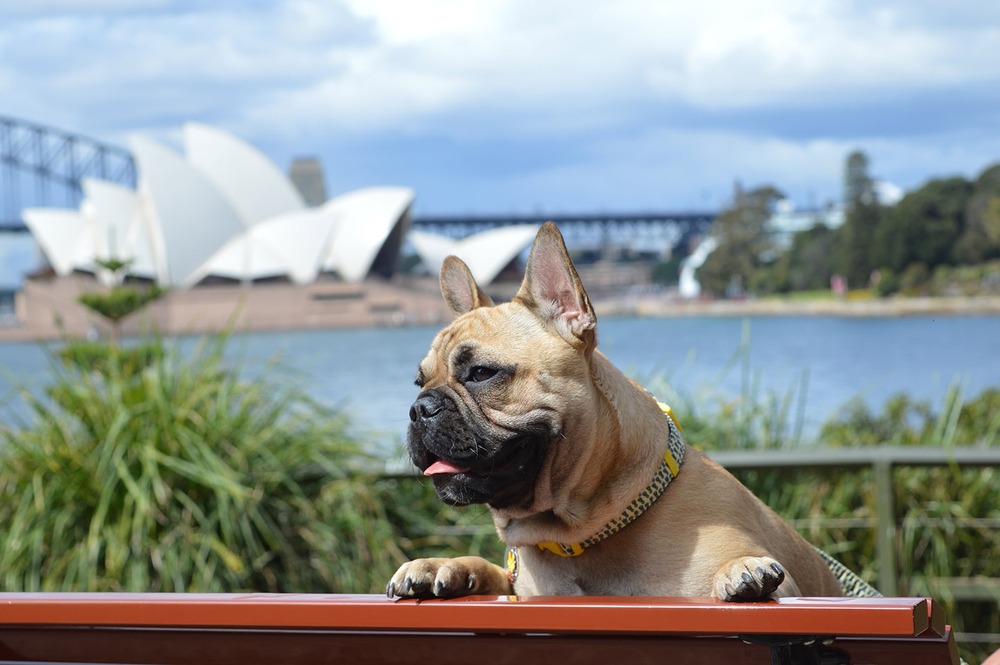
BOAS is most closely associated with dogs bred for a short muzzle and broad skull. Commonly affected breeds include French Bulldogs, Pugs, British Bulldogs (English Bulldogs), and Boston Terriers, with other brachycephalic breeds also at risk.2
Even within one breed, dogs can differ a lot. Conformation, nostril openness, body condition, and heat exposure all influence how a dog copes. Research has also linked specific conformational features and body condition with BOAS risk and severity in popular brachycephalic breeds, which is part of why choosing healthier, more moderate examples matters.3
Prevention and sensible planning (including future pets)
For current owners, prevention usually means preventing flare-ups and preventing progression where possible. The most reliable steps are unglamorous but effective: keep a lean body condition, manage heat, avoid overexertion, and bring breathing concerns to your vet early, rather than waiting for a crisis.2, 6
For people choosing a dog, it is worth looking past popularity and focusing on functional health signs. Welfare groups recommend selecting dogs with more open nostrils, a less extreme muzzle, and breeders who prioritise health testing and transparent conversation about breathing and heat tolerance.1, 5
References
- RSPCA Australia: The conversation we need to be having about brachycephalic dog breeds
- RSPCA Knowledgebase: What do I need to know about brachycephalic dogs?
- PLOS ONE (via PMC): Conformational risk factors of BOAS in pugs, French bulldogs, and bulldogs
- Vets on Crown: Brachycephalic Airway Obstruction Syndrome (BAOS), a short guide for pet owners
- WSAVA: WSAVA warns of ‘canine welfare crisis’ among short-nosed breeds
- RSPCA NSW: Heat stress
- Frontiers in Veterinary Science (via PMC): Prevalence and severity of laryngeal collapse in dogs undergoing surgery for BOAS (2018 to 2022)