

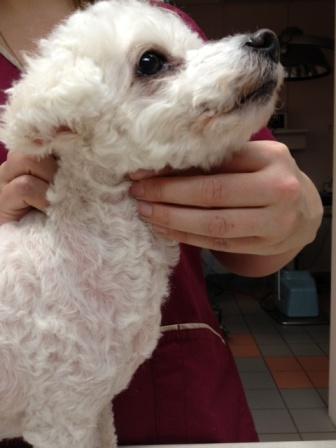
You notice it when the house is quiet. Your dog coughs in that dry, repetitive way that does not sound like choking, but also does not sound “normal”. Maybe it happens after a burst of excitement, when they pull on the lead, or in the evening when they finally settle.
A cough like that can be surprisingly hard to place. Many people assume bronchitis is just a canine version of a human chest cold. Sometimes it is short-lived and linked to an infection, but in dogs “bronchitis” can also describe ongoing airway inflammation that lingers for weeks to months, and flares when the air is dry, smoky, dusty, or full of perfume and cleaning sprays.1, 2
What matters in practice is not picking the perfect label at home. It is noticing the pattern, taking breathing changes seriously, and getting the right checks so that coughs caused by heart disease, pneumonia, collapsing trachea, or other problems are not missed.
What “bronchitis” means in dogs

Bronchitis describes inflammation of the bronchi, the tubes that carry air into the lungs. In dogs, vets often talk about two broad scenarios:
- Acute infectious tracheobronchitis (often grouped under “kennel cough”), which can cause a harsh cough that typically improves with time and supportive care.1
- Chronic bronchitis, where a cough has persisted for a long period (often discussed as weeks to months), and a veterinarian works through other possible causes before settling on chronic inflammatory airway disease.2, 3
The distinction matters because treatment goals differ. Acute cases focus on rest, monitoring, and reducing spread if infection is suspected. Chronic cases focus on long-term control of inflammation, reducing irritants, and managing flare-ups.
Causes and risk factors

Sometimes there is a clear trigger, sometimes there is not. In general, bronchitis is linked to a mix of infectious causes, inhaled irritants, and underlying airway sensitivity.1, 3
Infections and contagious exposure
Dogs can develop coughing and airway inflammation after exposure to other coughing dogs, especially in high-contact settings such as boarding, grooming, dog parks, and group training. This is the classic setting for infectious tracheobronchitis (kennel cough).1
Irritants in the air
Airways do not need much encouragement to get reactive. Tobacco smoke is a well-recognised irritant for animals, and both second-hand and residue exposure (sometimes called third-hand smoke) can contribute to airway problems.4, 5
In Australia, seasonal bushfire smoke can also worsen respiratory signs. If your dog’s cough suddenly worsens during smoky periods, it is worth treating that as a clue, even if it is not the whole story.6
Body shape, size, and other health factors
Small and toy breeds appear more commonly represented among dogs diagnosed with chronic bronchitis, and middle-aged to older dogs are often affected.3
Flat-faced (brachycephalic) breeds can have additional breathing limitations due to anatomy, which can make any airway inflammation harder to cope with. Separately, excess weight can worsen breathing effort and exercise tolerance in dogs with chronic airway disease.2, 3
What you might notice at home
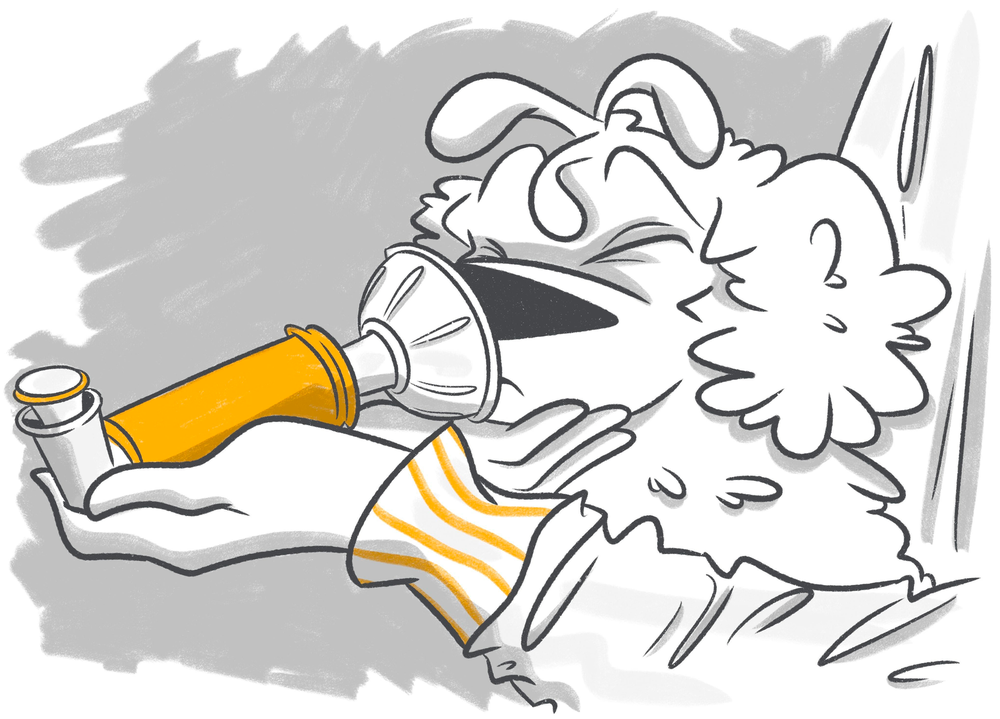
The headline sign is cough, but the detail around it is what helps your vet. A cough linked to bronchitis is often described as dry, harsh, or hacking. It may come in bouts, sometimes with gagging afterwards.2, 3
Other signs that can travel alongside a chronic cough include:
- Wheezing or noisy breathing, especially on breathing out3
- Reduced stamina, reluctance to exercise, or needing more breaks on walks3
- Coughing that flares with excitement, pulling on the lead, strong smells, cold air, or smoke2
Why it can be confused with other problems
Dogs cough for many reasons. A single word like “bronchitis” can accidentally narrow your thinking when the better approach is to keep a wider differential in mind until a vet has examined your dog.
A persistent cough can overlap with infections, pneumonia, heart disease, airway collapse, parasites, and more. Vets often describe chronic bronchitis as a diagnosis reached after other causes of long-term cough have been considered and ruled out as far as practical.2
How vets diagnose bronchitis

A consultation usually starts with a careful history and a chest examination. It often helps to bring a short video of the cough, plus notes about when it happens, how long it has been going on, and whether exercise, smoke, or excitement makes it worse.
Common next steps can include chest radiographs (x-rays) to look for changes in the lungs and to help rule out other causes of coughing. Depending on the case, a vet may recommend additional tests such as airway sampling, bronchoscopy, or heart assessment.1, 2
If your dog has had a cough for weeks, or if the cough is worsening rather than settling, early assessment is worthwhile. It can shorten the time your dog spends uncomfortable, and it reduces the risk of missing a more serious condition.
Treatment options that are commonly used
Treatment depends on the cause and the severity. Some dogs need only supportive care and time. Others need a longer plan that balances symptom relief with minimising side effects.
Reducing airway inflammation
For chronic inflammatory airway disease, veterinarians may use corticosteroids to reduce inflammation. In some cases, inhaled steroids are preferred because they can target the airways with fewer whole-body effects compared with long-term oral steroids.7, 8
Opening the airways and easing cough
Bronchodilators may be used to help open narrowed airways. Cough suppressants may be considered for some dogs, but they need to be chosen carefully, especially if there is a productive cough where mucus clearance matters.7
Antibiotics are not automatic
Antibiotics may be appropriate when there is evidence of bacterial infection, but they are not a default for every cough. Many coughing syndromes in dogs are viral or inflammatory rather than bacterial, and your vet will decide based on the overall picture and test results.1, 8
Supportive care at home
Small changes often make a noticeable difference, especially for chronic cases:
- Keep the home as smoke-free as possible, including avoiding vaping and indoor smoking.4, 5
- Avoid strong aerosols, incense, perfumes, and harsh cleaning fumes.
- Use a harness instead of a collar if lead pressure triggers coughing.
- During dry weather or flare-ups, your vet may suggest humidification or nebulisation strategies to help loosen mucus.7
- If your dog is overweight, a gradual, vet-supported weight plan can reduce breathing workload over time.3
Prevention and reducing flare-ups
You cannot prevent every cough, but you can reduce avoidable triggers and make flare-ups less frequent.
Vaccination and exposure management
For infectious coughing syndromes, vaccination and sensible management of high-risk exposure settings can help. Your vet can advise which vaccines suit your dog’s lifestyle and local risk.1
Air quality, especially during smoke events
If bushfire smoke is affecting your area, it is reasonable to limit strenuous exercise and keep pets indoors with cleaner air where possible. Watch closely for breathing difficulty, persistent coughing, or lethargy, and seek veterinary advice if signs develop.6
When to see a vet, and when it is urgent
A mild cough that lasts a day or two can still be worth monitoring calmly, but a pattern of coughing that persists, intensifies, or starts to affect breathing should move you towards a veterinary appointment.
Seek prompt veterinary help if you notice any of the following:
- Laboured breathing, fast breathing at rest, or breathing that looks effortful
- Blue or grey gums, fainting, or collapse
- Marked lethargy, fever, refusal to eat, or a cough that sounds wet and unwell
- Breathing distress during smoke exposure events
These signs do not confirm bronchitis, but they do suggest your dog needs assessment quickly.6
Living well with a dog who has chronic bronchitis
For dogs with chronic bronchitis, the goal is usually management rather than a one-off cure. Many dogs do well when triggers are reduced and medication is adjusted thoughtfully, with the lowest effective dose and regular rechecks.7, 8
It can help to think in seasons rather than days. Keep notes about what preceded flare-ups, talk to your vet about a plan for smoky weeks or winter dry air, and treat a returning cough as information, not as a personal failure. The steady, observant approach is often what gives these dogs the most comfortable life.
References
- Merck Veterinary Manual (Dog Owners): Tracheobronchitis (Bronchitis) in Dogs
- American Kennel Club: What Is Dog Bronchitis (Signs, Symptoms, and Treatments)
- VCA Animal Hospitals: Chronic Bronchitis in Dogs (COPD)
- RSPCA Knowledgebase: Is it risky to smoke or vape around companion animals?
- US FDA: Secondhand (and Third-Hand) Smoke May Be Making Your Pet Sick
- RSPCA NSW: Health risks for animals following bushfire, flood or drought (Smoke exposure)
- VCA Animal Hospitals: Allergic Bronchitis in Dogs
- Merck Veterinary Manual: Systemic Treatment of Inflammatory Airway Disease in Animals