

Most people do not go looking for “diabetes insipidus” until something in the house changes. The water bowl is suddenly empty again. Your dog starts asking to go out at odd hours, or has accidents despite being toilet trained. It can feel like a behavioural problem at first, or simply “they must be thirsty”.
Sometimes it is that simple. Hot weather, more exercise, salty treats, or a new medication can all lift water intake for a while. What tends to stand out with diabetes insipidus is the combination of very large volumes of very dilute urine, plus a thirst that seems out of proportion to the day’s routine.6, 7
Diabetes insipidus (DI) is uncommon, and it is not the same thing as diabetes mellitus (the blood sugar condition). Still, it matters in practice because dogs with DI can dehydrate quickly if water is restricted, and because the same “drinking and peeing more” picture can also come from kidney disease, Cushing’s disease, infection, or other treatable problems.1, 8
Understanding diabetes insipidus
Diabetes insipidus is a disorder of water balance. The body either does not produce enough antidiuretic hormone (ADH), also called arginine vasopressin, or the kidneys do not respond to it properly. The result is urine that stays very dilute, even when the dog should be able to conserve water.1, 2
In everyday terms, DI is a problem with concentrating urine. Dogs often drink more to keep up with what they are losing, so they may seem well in themselves right up until they cannot access water for a period of time (for example overnight, during travel, or if a bowl is accidentally missed).1, 7
What DI is, and what it is not
It helps to separate the name from the mechanism. Diabetes mellitus involves insulin and blood glucose. Diabetes insipidus does not involve sugar. The “diabetes” part refers to increased urination, while “insipidus” historically refers to urine that is not sweet.1, 3
If your dog is drinking and urinating more, your vet will usually think broadly at first. DI is one possibility, but it sits on a longer list that includes chronic kidney disease, diabetes mellitus, hyperadrenocorticism (Cushing’s), liver disease, uterine infection in entire females (pyometra), and others.8, 9
Types and causes in dogs
Veterinary texts usually group DI into two main types, based on where the water regulation system breaks down: central DI and nephrogenic DI.1
Central diabetes insipidus (a hormone supply problem)
Central DI occurs when there is decreased secretion of ADH from the hypothalamus and posterior pituitary system. It can be congenital (present from birth) or acquired later in life.1
Acquired causes described in dogs include head trauma and lesions affecting the pituitary region, such as pituitary tumours or cysts, and occasionally inflammatory or infectious processes. In some cases, a clear cause is not identified.1
Nephrogenic diabetes insipidus (a kidney response problem)
Nephrogenic DI occurs when the kidneys do not respond adequately to ADH. It can be congenital, due to receptor or signalling defects, or acquired secondary to other disease processes that interfere with normal renal concentrating mechanisms.1, 2
Secondary nephrogenic DI can be associated with certain drugs and with underlying conditions, including some electrolyte disturbances and kidney infections. Because the “kidney response” pathway is more complicated, the management often focuses on finding and treating the underlying cause wherever possible.1
What it looks like at home
The classic signs of DI are polydipsia (increased thirst) and polyuria (increased urination). Owners often describe the urine as looking very pale, and the volume can be surprisingly large for the dog’s size.1, 8
Depending on the household, the first “symptom” you notice may be practical rather than medical: empty water bowls, waking in the night to be let out, or a dog that struggles to hold on as long as they used to. Dogs may also develop dehydration if water access is limited, even briefly.1
It is also worth holding the idea lightly at first. Increased drinking can be driven by very ordinary factors, and it can also be a side effect of medicines such as corticosteroids. A vet visit is particularly important when the change is sudden, lasts more than a day or two, or comes with other changes such as weight loss, vomiting, reduced appetite, weakness, fever, or disorientation.6, 7
How vets diagnose it, and why it is done carefully
Diagnosis starts with the basics: a good history, physical exam, and routine tests such as bloodwork and urinalysis. These help to rule in or rule out more common causes of drinking and urinating more, and they also help your vet assess whether it is safe to pursue DI-specific testing.8
A dog with DI typically produces very dilute urine. Urine specific gravity (USG) is one simple way vets look at concentration. Interpreting USG always needs context, because other conditions can also cause dilute urine, and partial forms of DI can be less clear-cut than the textbook version.8
Water deprivation testing and safer alternatives
The traditional “water deprivation test” checks whether a dog can concentrate urine when water is withheld under strict veterinary supervision, with careful monitoring for weight loss and dehydration. It can provide useful information, but it is not appropriate for every dog, particularly if kidney function is uncertain or the dog is already dehydrated.1, 10
In some situations, vets may use a desmopressin response trial as part of the diagnostic approach, because it can reduce the risks linked with dehydration testing. The right approach depends on the individual dog, the severity of signs, and what has already been ruled out.1, 4
Treatment and day-to-day management
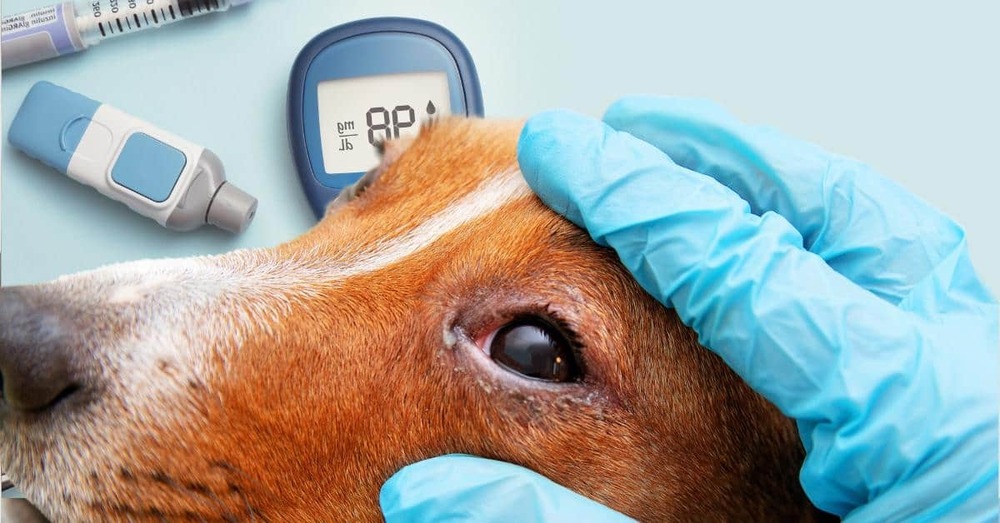
Treatment depends on whether the DI is central or nephrogenic, and on how disruptive the signs are for the dog and the household.
Central DI: replacing the missing signal
For central DI, desmopressin acetate (DDAVP), a synthetic analogue of ADH, is commonly used to reduce excessive urination and thirst. Your vet will advise the form and dose, and will usually aim for the lowest effective dose that keeps symptoms manageable.1, 2
Even when a dog is treated, management still includes practical planning around water and toileting. Some dogs may not need medication if they have free access to water and the polyuria is not creating welfare or household problems, but this is a decision to make with your veterinarian, not a default assumption.1
Nephrogenic DI: addressing the reason the kidneys are not responding
With nephrogenic DI, the priority is identifying and treating any underlying cause where possible. Thiazide diuretics are sometimes used to reduce urine volume in either form of DI, but they are not a substitute for a thorough work-up, and they need veterinary oversight because electrolyte and hydration balance still matters.1, 2
What not to do at home
The most important caution is simple: do not restrict water unless your vet has given clear, case-specific instructions. In dogs with DI, water restriction can lead to dangerous dehydration and rising blood sodium levels, and it can happen faster than many owners expect.1
Living well with a dog who has DI
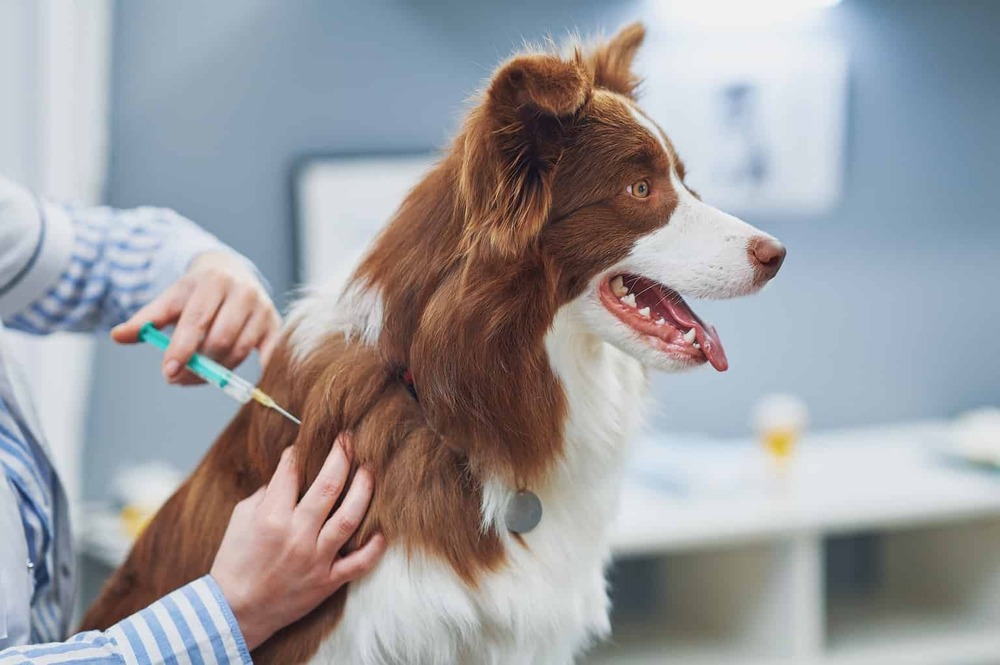
Most of the “living with DI” work is quiet, practical, and routine-based. Dogs tend to do best when their environment makes it easy to meet their needs, rather than asking them to cope with long stretches without a drink or a toilet break.
Helpful habits often include:
- Keeping fresh water available in the places your dog spends time (and a travel bowl for car trips).1
- Planning for more frequent toileting, especially for older dogs or dogs who sleep indoors.
- Tracking water intake and toileting for a few days if you are adjusting medication, changing diets, or trying to work out what “normal” now looks like.
- Booking regular check-ups, since the bigger picture is often about ruling out, or managing alongside, other causes of polyuria and polydipsia.8
If your dog is diagnosed with DI, it can take a little time to find the right management rhythm. The goal is not perfection. It is a day-to-day setup that supports hydration, reduces disruption, and keeps your vet informed if anything shifts.
References
- Merck Veterinary Manual: Diabetes Insipidus in Animals
- Merck Veterinary Manual: Pharmacotherapeutics in Diabetes Insipidus in Animals
- NCBI Bookshelf (StatPearls): Diabetes Insipidus
- dvm360: Desmopressin is safer than water deprivation to identify the cause of polyuria and polydipsia in dogs
- VIN (WSAVA 2009): Logical Approach to Polyuria and Polydipsia
- RSPCA Australia Knowledgebase: Why is my dog drinking so much water?
- VetCompass: Polydipsia in dogs
- American College of Veterinary Internal Medicine (ACVIM): Polyuria and Polydipsia (client information)
- MSD Veterinary Manual: Pyometra in Small Animals
- Veterinary Clinical Pathology: An Introduction (University of Saskatchewan): Diabetes Insipidus