

You might notice it as a small thing at first: your dog hesitating at a doorway, seeming a bit “not quite themselves”, or having an odd episode that passes as quickly as it arrived. Because dogs cannot tell us what they are experiencing, it is easy to assume it is just ageing, stubbornness, or an off day.
Sometimes it is. Sometimes it is something happening in the nervous system, and the earlier you spot patterns, the more options you and your vet tend to have. Brain and neurological conditions in dogs are not one single problem, they are a broad group of disorders that can look surprisingly similar on the surface.
What helps in practice is learning the difference between a one-off wobble and a repeatable sign, knowing what details matter (timing, triggers, recovery), and having a plan for what to do if it happens again.
Common brain and neurological diseases in dogs
“Brain disease” is often used as a catch-all, but in veterinary medicine it usually means conditions affecting the brain and its coverings, plus disorders of brain function such as seizure conditions. Some are inherited, some are inflammatory or infectious, and some appear later in life.
Epilepsy and recurrent seizures
Epilepsy is a common long-term neurological disorder in dogs, characterised by recurring epileptic seizures. In many dogs, especially younger adults, seizures can be “idiopathic”, meaning no structural cause is found even after appropriate testing, and genetics can be part of the picture in some breeds.1
In real households, the hard part is often the uncertainty: a dog may be completely normal between seizures, then suddenly have an episode that is frightening to watch. With veterinary support, many dogs can be managed well with anti-seizure medication and careful monitoring, although it can take time to find the best fit for the individual dog.2, 3
Brain tumours
Brain tumours can be primary (starting in the brain) or secondary (spread from elsewhere). Signs vary depending on the tumour’s location and growth, but can include seizures, changes in behaviour or responsiveness, circling, altered vision, and balance problems.4, 5
They are more often diagnosed in middle-aged and older dogs, partly because some tumour types develop slowly and signs can be subtle early on. Treatment may include medication to reduce swelling and manage signs, and in selected cases, surgery and radiation therapy are considered through specialist referral.4, 5
Encephalitis and meningoencephalitis
Encephalitis means inflammation of the brain. It can be caused by infections, or by immune-mediated inflammation (often grouped under terms such as meningoencephalitis of unknown origin, depending on findings and region).6
Dogs may show a mix of signs including fever, neck pain, altered mentation, wobbliness, head tilt, weakness, or seizures. These cases matter because they can progress quickly, and treatment decisions often rely on early imaging and cerebrospinal fluid testing to narrow down the likely cause.6
What owners usually notice first
Neurological signs are not always dramatic. Many people first notice a change in “how” their dog does everyday things, rather than a new behaviour.
Common early signs that are worth writing down and discussing with your vet include:
- Seizures, tremors, or sudden episodes of collapse
- Unsteadiness, falling, head tilt, circling, or knuckling over on a paw
- New confusion in familiar places, getting stuck behind furniture, or struggling with doorways
- Changes in sleep-wake patterns, especially restlessness at night
- Noticeable changes in responsiveness, vision, or interaction with family
- New anxiety-like behaviours, pacing, or agitation that does not fit the usual context
These signs can also be caused by problems outside the brain, including pain, hormone disease, toxins, hearing loss, and metabolic issues. That is one reason a careful veterinary work-up is so valuable.
How vets diagnose brain and neurological conditions
Diagnosis usually starts with the basics done well: a history, a physical exam, and a neurological exam. The way signs began, how long they last, and how your dog behaves afterwards can be just as important as what happened during the episode.
From there, your vet may recommend tests to rule out common systemic causes (such as blood glucose disturbances, liver disease, kidney problems, or infection), and then consider imaging and specialist assessment if needed.
Advanced diagnostics often include:
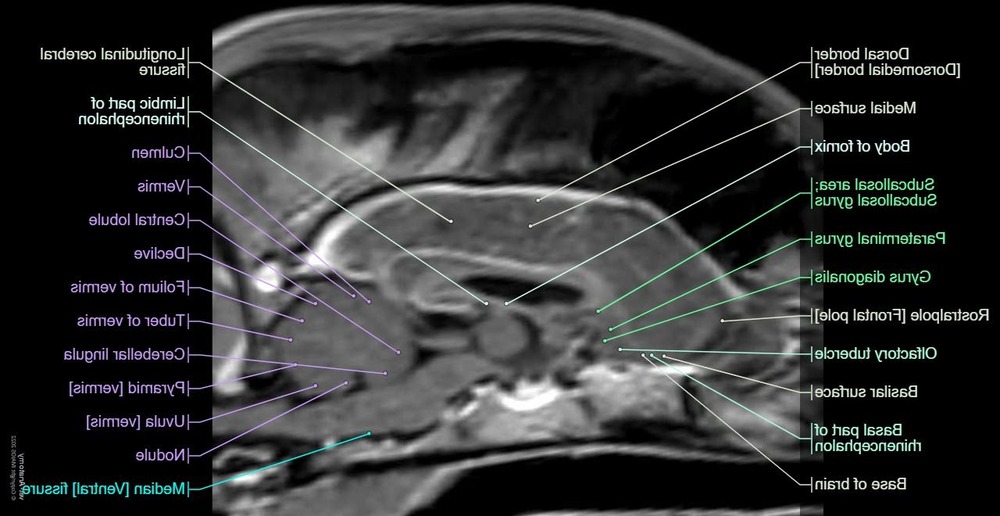
- MRI or CT to look for structural disease such as tumours, strokes, inflammatory changes, or malformations7, 5
- Cerebrospinal fluid (CSF) analysis when inflammation or infection is suspected6
- Therapeutic drug monitoring and bloodwork for dogs on long-term anti-seizure medication3
If you can safely take a short video of an episode, it often helps your vet interpret what you are seeing at home. Safety comes first, so do not put your hands near your dog’s mouth during a seizure.
Causes and risk factors
Brain and neurological conditions are rarely about one single risk factor. More often it is a mix of genetics, age-related change, immune system behaviour, and exposure to injury or toxins.
Genetics and breed patterns
Some forms of epilepsy have a suspected genetic component, and epilepsy is common enough across the dog population that many general practices see it regularly. Still, breed is only one part of the story, and crossbred dogs can be affected too.1
For tumours and inflammatory disease, breed associations exist for some conditions, but the bigger clinical point is this: any dog can develop neurological disease, so changes from that dog’s normal baseline deserve attention.
Age, environment, and overall health
Increasing age raises the likelihood of certain problems, including brain tumours and cognitive decline. Meanwhile, exposure to toxins, head trauma, and some infections can affect the brain at any age, and chronic disease elsewhere in the body can change brain function indirectly.
The practical approach is to keep risk low where you can: prevent access to poisons, keep up parasite control, and work with your vet on long-term conditions that may contribute to episodes of weakness, confusion, or collapse.
Treatment and day-to-day management
Treatment depends on the underlying cause, but in most households, management comes down to two goals: reducing the frequency and severity of episodes, and supporting your dog’s comfort and function in daily life.
Medication for seizure control
Anti-seizure medications are commonly used to reduce seizure frequency and severity. Phenobarbital and potassium bromide are well-established options, and other drugs may be added depending on response and side effects. Because dosing and monitoring are individual, it is normal for plans to be adjusted over time.2, 3
If your dog is prescribed anti-seizure medication, ask your vet what to watch for at home (sedation, wobbly gait, increased thirst and appetite), and what blood tests or drug levels are recommended. Do not stop these medicines suddenly unless your vet instructs you to, as abrupt changes can increase seizure risk.3
Surgery, radiation, and specialist care
Some dogs with brain tumours may be candidates for surgery or radiation therapy, usually through a specialist referral centre. Even when a cure is not possible, targeted treatment can sometimes reduce signs and improve quality of life for a meaningful period.4, 5
Supportive care that actually helps
Supportive care is not an “extra”, it is often what makes the biggest day-to-day difference. This might include keeping routines predictable, reducing slipping hazards on floors, using ramps, and adjusting walks to match stamina and balance.
For dogs with cognitive changes, gentle enrichment and consistency usually help more than constant novelty. Think short, achievable training refreshers, sniff walks, and food puzzles that do not frustrate the dog.
Prevention and early action
Not every neurological condition can be prevented, but you can put yourself in a better position by noticing patterns early and reducing avoidable risks.
Practical prevention steps include:
- Keep household and garden toxins securely out of reach
- Maintain routine veterinary checks, especially as dogs age
- Keep diet and weight steady, and discuss supplements with your vet before starting them
- Provide regular, calm mental stimulation and physical activity suited to your dog
If your dog has had a seizure, ask your vet what constitutes an emergency for your particular dog. As a general guide, seizures lasting longer than a few minutes, repeated seizures close together (cluster seizures), or poor recovery afterwards warrant urgent veterinary advice.2
Quality of life and what “good management” looks like
Living with a dog with a neurological diagnosis can change your routines, but it does not automatically mean a poor life for the dog. Many dogs have long stretches of normality between episodes, especially once treatment is stabilised.
It helps to measure quality of life using simple, observable markers: appetite, mobility, sleep, interest in usual activities, comfort, and recovery after episodes. Keeping a diary of events, including timing and possible triggers, can make follow-up appointments far more useful than memory alone.
Ageing brains and cognitive decline
Older dogs can develop canine cognitive dysfunction, which may look like disorientation, altered sleep patterns, changes in social interaction, pacing, or house soiling. These changes can overlap with pain, sensory loss, and medical disease, so it is worth treating them as a health check prompt rather than a behavioural label.8
Sometimes the best next step is not a dramatic intervention, but a thoughtful plan: rule out treatable illness, adjust the home environment, and use enrichment that supports confidence rather than pushing the dog beyond what they can manage.
References
- BMC Veterinary Research: International Veterinary Epilepsy Task Force consensus reports (editorial and prevalence context)
- MSD Veterinary Manual: Epilepsy in small animals
- Vet Oracle: Anti-epileptic drugs factsheet (monitoring and side effects)
- MSD Veterinary Manual: Brain tumours in animals
- Cornell University College of Veterinary Medicine: Brain tumours in dogs
- MSD Veterinary Manual: Encephalitis in animals
- BMC Veterinary Research: IVETF recommendations for a veterinary epilepsy-specific MRI protocol
- RSPCA Knowledgebase: Cognitive dysfunction in dogs