

You notice it first in small, ordinary ways. A dog that used to sprint for the ball now stops early. A cough that hangs around after exercise. A tiredness that does not quite fit the day you have had. It is easy to assume it is age, weather, or a passing bug.
Heartworm can sit quietly behind those vague changes. It is spread by mosquitoes, and it does not care much about breed, lifestyle, or whether your dog mostly lives indoors. What makes it tricky is that many dogs look fine for months after infection, while the parasite continues its slow, damaging work in the blood vessels of the lungs and heart.
In practice, heartworm is a disease where routine prevention and testing matters far more than trying to “watch for symptoms”. By the time signs are obvious, there may already be lasting strain on the heart and lungs.
Understanding heartworm disease in dogs

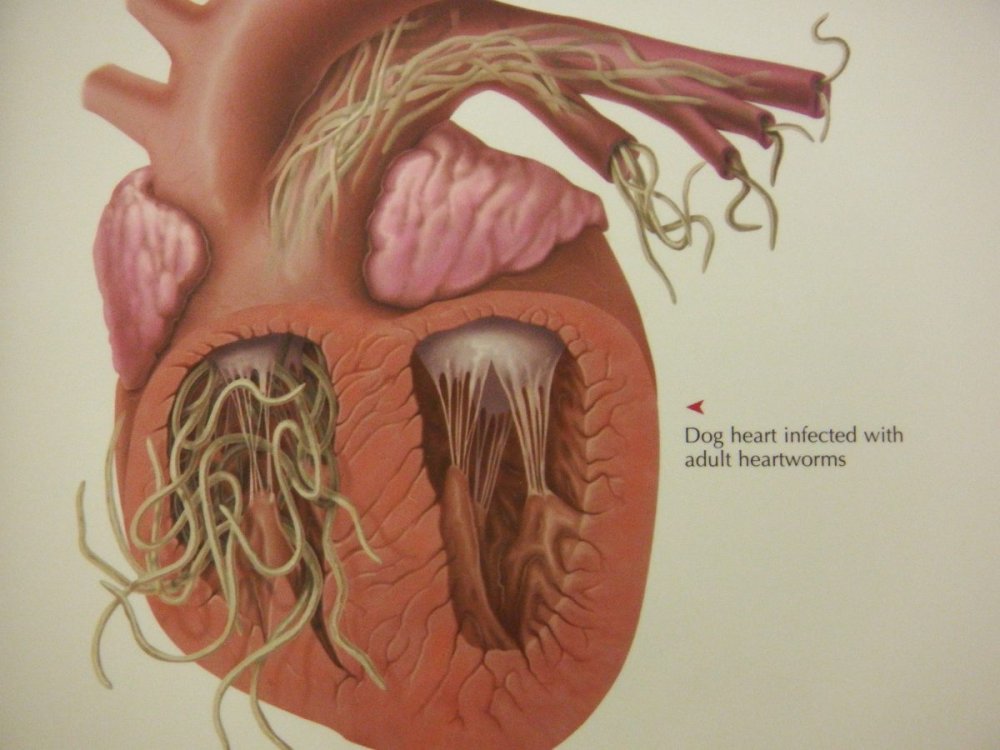
Heartworm disease is caused by the parasite Dirofilaria immitis. Adult worms live mainly in the pulmonary arteries, and sometimes the right side of the heart when worm numbers are high. The disease is not spread by direct contact between dogs. It requires mosquitoes as the go-between.1, 2
The part that catches many people out is the timeline. After an infected mosquito bite, it typically takes about six to seven months before larvae mature into adult worms that can be reliably detected on standard tests. That means a dog can look well for quite a while, even as the infection is establishing itself.1, 3
Inside the body, the worms and the inflammation they trigger can gradually change the structure and function of lung blood vessels. Over time, this can contribute to coughing, reduced exercise tolerance, and in advanced cases, heart failure.
How mosquitoes fit into the lifecycle
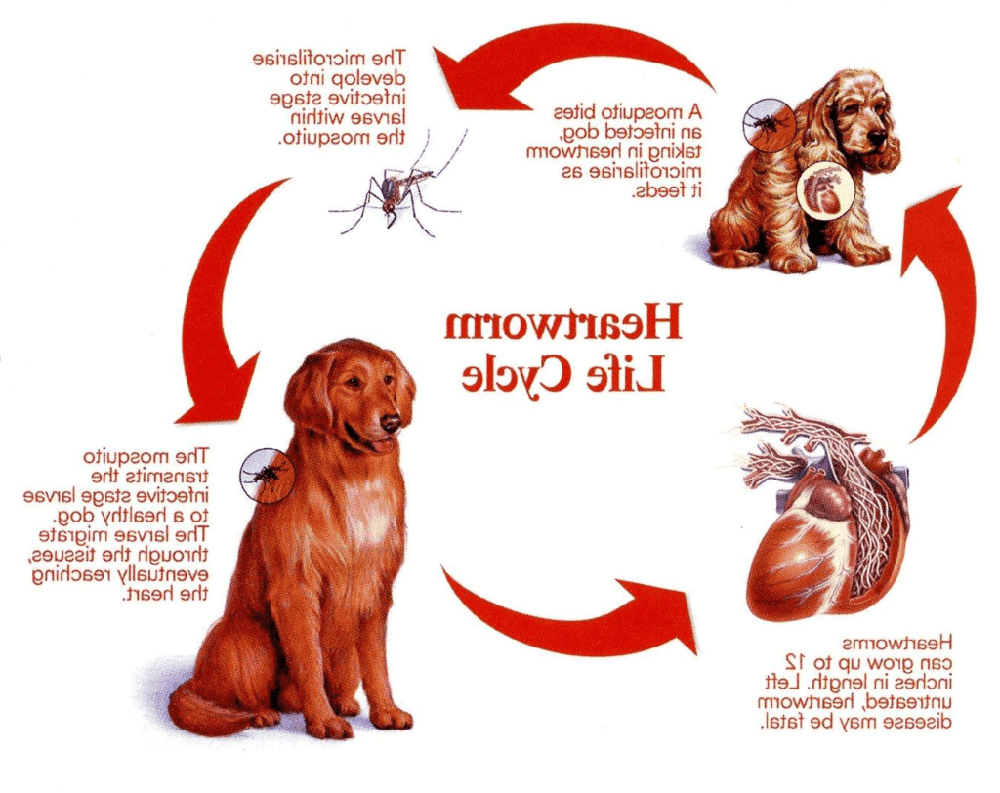
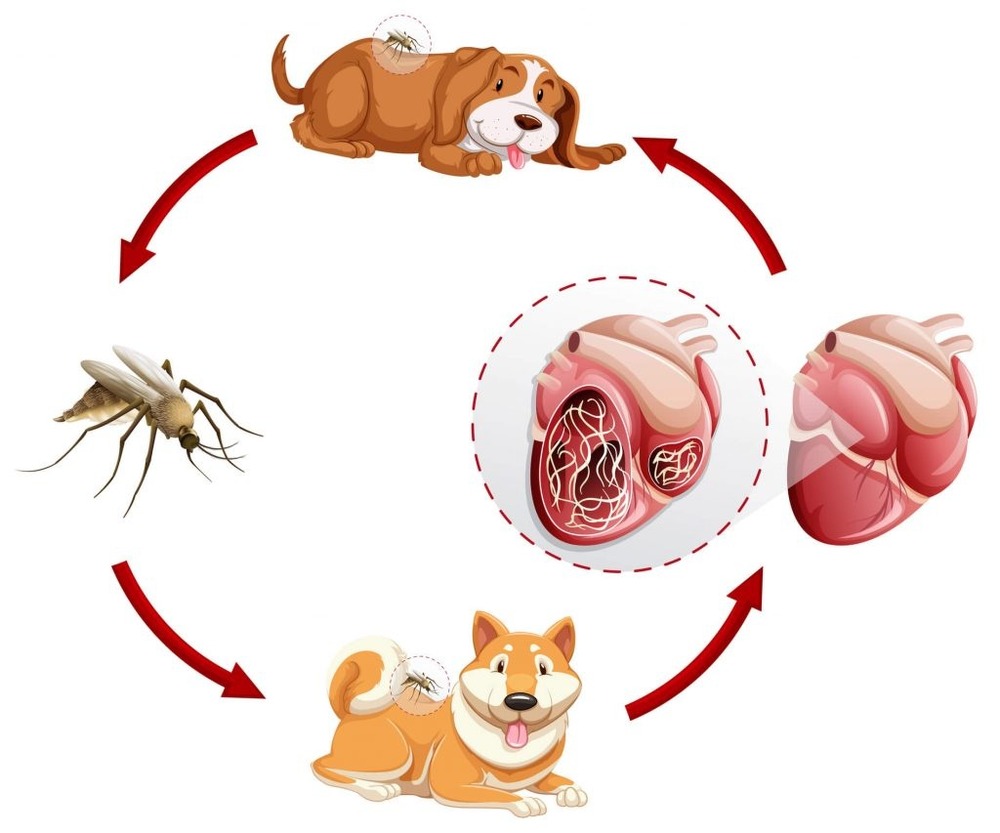
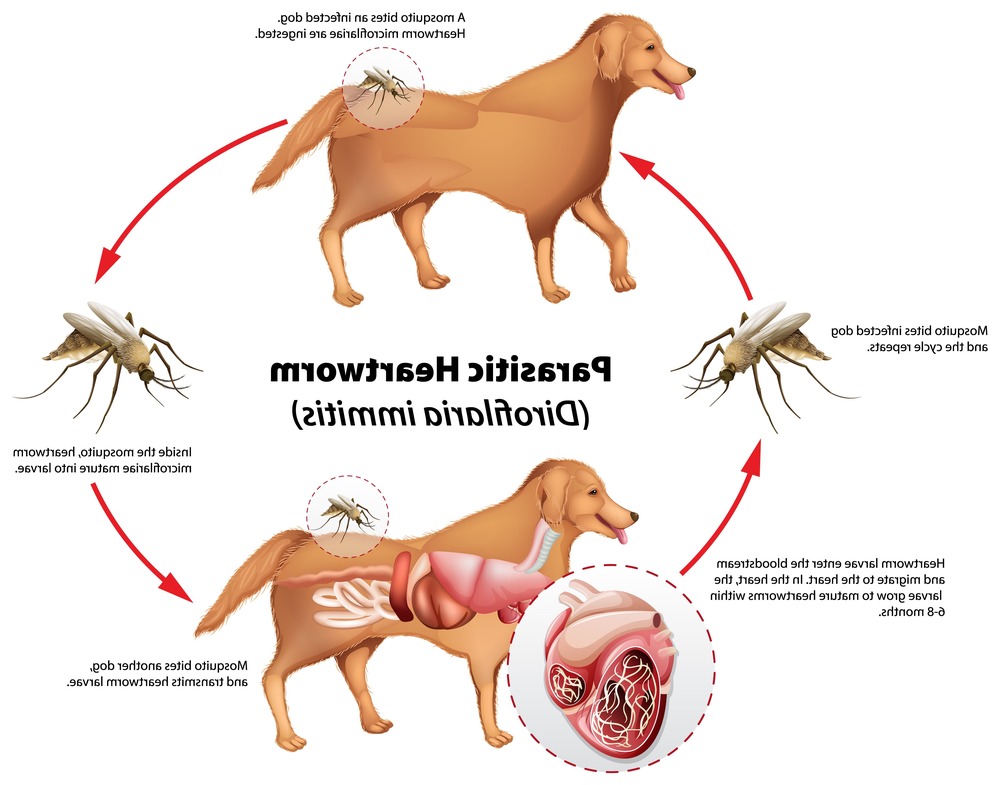
Mosquitoes become infected when they bite an animal with circulating microfilariae (baby heartworms). Those develop within the mosquito over roughly 10 to 14 days under suitable conditions. When that mosquito bites another dog, infective larvae enter through the bite site and begin their migration and development in the new host.1, 2
Symptoms you might notice, and why they can be subtle

Heartworm signs often start as everyday, easy-to-miss changes. Many overlap with far more common problems, including airway irritation, arthritis, weight gain, or simple deconditioning. That is why vets lean so heavily on testing, not guesswork based on symptoms alone.1, 3
Early or mild signs
- Soft, persistent cough, especially after activity
- Reduced stamina on walks, slower recovery after play
- General lethargy, “not quite themselves” behaviour
- Reduced appetite or gradual weight loss in some dogs
More advanced signs and complications
As worm numbers rise and lung vessels become more affected, you might see heavier breathing, pronounced exercise intolerance, weight loss, or a pot-bellied appearance from fluid build-up. Severe disease can progress to heart failure. In a small number of dogs with a heavy worm burden, life-threatening collapse can occur and requires urgent veterinary care.1, 4
How heartworm is diagnosed (and why timing matters)
Most routine screening is done with a blood antigen test that detects proteins from adult female heartworms. These tests are widely used because they are practical and generally very accurate, but they are limited by the biology. If a dog was infected recently, the test may be negative because adult females are not present yet.3, 5
Vets may also check for microfilariae in the blood, and use imaging such as chest X-rays or ultrasound to understand how much the heart and lungs have been affected.3
Annual testing and “missed doses”
Even with preventatives, many veterinary guidelines recommend regular (often annual) testing, because missed doses, vomiting after a tablet, delays between doses, or starting prevention late can all create gaps in protection. If prevention has lapsed, your vet will advise on the safest way to restart and when to test, based on the product used and the time since exposure.2, 3
Treatment, what it involves, and why rest is not optional
Heartworm treatment is very effective in many cases, but it is not a quick fix. Standard treatment typically involves medication to address immature stages and reduce complications, followed by adulticide injections to kill adult worms. Your vet will also manage inflammation and risk factors specific to your dog’s condition.3
The difficult part, for many households, is that strict exercise restriction is a genuine safety measure, not a suggestion. As adult worms die, they can break down and contribute to blockages in the lung blood vessels. Keeping your dog calm reduces the risk of serious complications during recovery.3
Side effects and risks to discuss with your vet
Some dogs experience soreness at injection sites, lethargy, or a mild fever. More serious complications are less common, but they are the reason vets monitor closely and insist on rest, follow-up visits, and careful timing of medications.3
Prevention that actually holds up in real life
Heartworm prevention is usually straightforward, but it rewards consistency. Most preventatives work by killing larval stages acquired in the previous month, before they mature. This is why late doses, skipped months, or stretching the interval can matter more than people expect.2
Depending on your dog and your location, options can include monthly tablets, monthly spot-ons, or longer-acting injections given by a vet. The “best” choice is often the one you can reliably keep on schedule, and that suits any other parasite risks your dog faces.
Practical ways to reduce missed protection
- Link dosing to a regular monthly event (rent day, bin day, a calendar reminder)
- Ask your clinic about text reminders or app-based prompts
- If your dog vomits soon after a dose, ring your vet for advice on whether to re-dose
Heartworm in Australia, and why “low risk” can still be risk
In Australia, heartworm risk is shaped by mosquitoes, climate, and movement of dogs between regions. Northern and coastal areas often have more sustained mosquito activity, but cases can still occur elsewhere, particularly in warmer months or after travel.
Some metro areas report relatively low prevalence now, which is good news, but it can also lead to complacency. Sydney University’s veterinary hospital notes that while local prevalence is low, they still occasionally diagnose heartworm in dogs that have not travelled to tropical areas, and they recommend ongoing protection to prevent resurgence.6
Tailoring prevention to where you live
If you are unsure whether your dog needs year-round prevention, ask a local vet what they see in your area. In many parts of Australia, vets recommend continuing prevention through all seasons because mosquito activity can be surprisingly persistent, and because year-round routines are easier to keep consistent than “seasonal” plans that shift each year.
Myths and misconceptions worth gently retiring
Heartworm myths tend to grow in the gaps between what we can see and what is happening inside the body. A few ideas come up often in clinics and dog parks, and they are worth unpacking without judgement.
“My dog is indoors, so they are safe.”
Mosquitoes get indoors. Indoor dogs can still be bitten, particularly around dusk and dawn when mosquitoes are often more active. Indoor living may reduce exposure, but it does not remove it.7
“If there are no symptoms, there is no heartworm.”
This is one of the most misleading assumptions. Many dogs have no obvious signs early on, and the standard tests rely on the infection reaching a detectable stage. That is why prevention and properly timed testing are the backbone of control.2, 3
“Heartworm spreads from dog to dog.”
Heartworm is not contagious through casual contact. Transmission requires a mosquito to pick up microfilariae from an infected animal, then later bite another dog.1, 2
Final thoughts
Heartworm sits in that uncomfortable category of diseases that can be serious, but preventable. The most helpful mindset is not to wait for convincing symptoms, and not to rely on a single “good mozzie season” as proof your dog is safe.
If you have missed doses, moved house, adopted a dog with an unknown history, or you are simply not sure what protection is in place, your vet can help you reset the plan. A calm, consistent routine, plus regular heartworm testing, is usually what keeps this parasite from becoming part of your dog’s story.2, 3
References
- American Heartworm Society: Heartworm Basics
- US FDA: Keep the Worms Out of Your Pet’s Heart, the Facts about Heartworm Disease
- Merck Veterinary Manual: Heartworm Disease in Dogs, Cats, and Ferrets
- Cornell University College of Veterinary Medicine: Heartworm Disease
- Merck Veterinary Manual: Serologic Test Kits (Heartworm Antigen Testing)
- University Veterinary Teaching Hospital Sydney: Parasites (Heartworm guidance)
- ABC News (Australia): Protecting dogs and cats from mosquitoes and heartworm
- University Veterinary Teaching Hospital Sydney: Heartworm (New puppy care)
- Paroo Shire Council (Queensland): Dog owners urged to protect their pets from deadly heartworm