

You do not always notice blood sugar until it drops. A dog that was fine on a walk can suddenly go wobbly, seem “not quite there”, or even collapse on the kitchen floor. It can look like tiredness, overheating, or a funny turn, which is why hypoglycaemia often catches people off guard.
Low blood glucose is not a diagnosis on its own. It is a sign that something has tipped your dog’s fuel balance, sometimes briefly (a missed meal in a tiny puppy), sometimes because there is an underlying illness or a medication problem. What matters in practice is recognising the pattern early and knowing when home first aid is reasonable, and when it is time to get straight to a vet.
This is also one of those topics where common advice can be half-right. Sugar can help in the moment, but it is not “the fix”. Hypoglycaemia is a clinical emergency until you know why it happened and how to stop it happening again.
Causes of hypoglycaemia in dogs

Hypoglycaemia happens when glucose is used up faster than it is coming in, or when the body cannot release stored energy properly. In dogs, it is most often linked to either a management issue (particularly in diabetic dogs) or a medical condition that changes metabolism. 1, 2
Diabetes and insulin mishaps
For dogs being treated with insulin, low blood sugar is a known risk. It can occur if a dog receives too much insulin, is accidentally double-dosed, vomits a meal after an injection, or does not eat enough for the insulin given. 2, 8
Not enough intake, or too much demand
Very small dogs and young puppies have limited energy reserves. If they miss meals, get chilled, have vomiting or diarrhoea, or are stressed and not eating normally, they can run low quickly. Heavy exercise in an underfed dog can do something similar, especially in working or hunting contexts. 2
Illnesses that affect glucose control
Some diseases interfere with the liver’s role in storing and releasing glucose, or increase the body’s demands during severe illness. Your vet might consider problems such as severe infection (sepsis), liver disease, portosystemic shunts, some cancers, and endocrine disease as part of the work-up. 2
Xylitol and other toxins
Xylitol (a sweetener found in some sugar-free gums, lollies, baked goods, dental products, and some peanut butters) can trigger a rapid insulin release in dogs, leading to profound hypoglycaemia and, in some cases, liver injury. If xylitol exposure is possible, treat it as urgent and contact a vet or poison helpline immediately. 3, 4
What hypoglycaemia looks like at home
The tricky thing about low blood sugar is that it can start subtly. Some dogs simply look “flat” or uncoordinated. Others deteriorate quickly. It helps to think in terms of early signs versus red-flag signs. 1, 2
Early signs people often miss
You might notice your dog is weak or wobbly, unusually quiet, slow to respond, or reluctant to get up. Some dogs tremble, seem glassy-eyed, or act a little disoriented, as if they are not processing familiar cues properly. 1, 2
When it becomes an emergency
Seizures, collapse, inability to stand, extreme confusion, or unconsciousness are all emergency signs. At that point, home care is only a bridge while you arrange urgent veterinary treatment. Do not wait for it to pass. 1, 2
Behaviour changes can be part of the picture
Some dogs become restless, pace, vocalise, or appear unsettled. These signs are not specific to hypoglycaemia, but if they appear alongside weakness, tremors, or known risk factors (such as insulin treatment), they are worth treating seriously. 1, 6
How vets confirm hypoglycaemia, and why the “why” matters
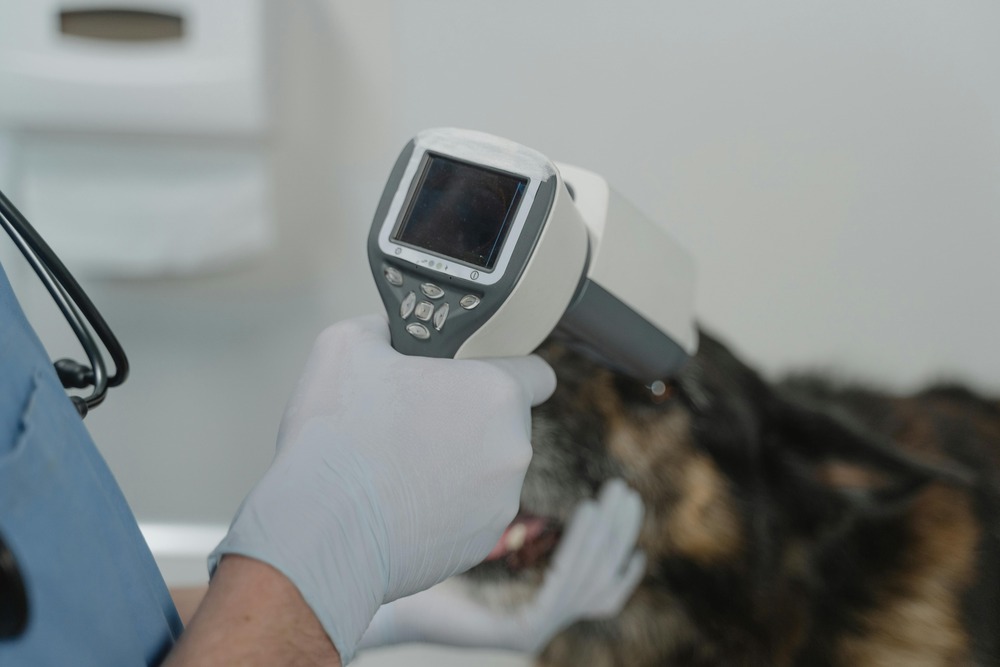
A low blood glucose reading confirms hypoglycaemia, but the bigger question is what caused it. Two dogs can have the same number on a glucometer for completely different reasons, and the long-term plan depends on the story behind it. 2
Tests you may be offered
Alongside a blood glucose measurement, vets often run baseline blood and urine tests to look for infection, liver or kidney issues, inflammation, and other metabolic changes. Imaging (such as an abdominal ultrasound) may be suggested if there is concern about liver abnormalities, insulin-secreting tumours (insulinoma), or other internal disease. 2
History is not “just admin”
The details you bring matter, particularly for diabetic dogs. Tell your vet the insulin type and dose, timing of injections and meals, whether your dog ate normally, any vomiting or diarrhoea, recent weight change, changes in exercise, and whether xylitol exposure is possible. This helps your vet separate a one-off mismatch from a deeper medical problem. 6, 8
First aid at home, and what not to do

If you suspect hypoglycaemia and your dog is awake enough to swallow safely, fast-acting sugar can help buy time. The goal is a short-term lift in glucose so you can get veterinary advice and prevent recurrence. 1, 7
If your dog is conscious and can swallow
- Offer a small meal if they are willing to eat.
- If they will not eat, rub a small amount of honey or corn syrup onto the gums for a quick glucose boost. 1, 7
- Contact your vet promptly for next steps, even if your dog seems to improve, especially if insulin is involved or this is not the first episode. 7, 8
If your dog is having a seizure, is unconscious, or cannot swallow
This is an emergency. You can rub sugar syrup onto the gums, but do not pour liquid into the mouth because it can be inhaled into the lungs. Arrange immediate transport to an emergency vet. 1, 7
Why sugar is only a temporary tool
Simple sugars wear off quickly, and the blood glucose can drop again, sometimes worse than before. Dogs with diabetes may need an insulin dose adjustment, and dogs with non-diabetic hypoglycaemia need the cause identified. If you are reaching for honey more than once, it is a strong sign that your dog needs urgent veterinary assessment. 6, 8
Long-term management and prevention
Once the immediate crisis is handled, the focus shifts to steadiness. Preventing hypoglycaemia is usually about routines, monitoring, and addressing the underlying driver rather than “adding sugar” to the diet.
For diabetic dogs
Consistency matters: meals, insulin timing, and dose accuracy. Many veterinary guidelines favour home blood glucose monitoring and structured blood glucose curves over one-off spot checks, because a single reading can be misleading and stress can push glucose up. Monitoring is how hypoglycaemia is found. 5
For dogs prone to low blood sugar for other reasons
Your vet may recommend smaller, more frequent meals, especially for small dogs, puppies, or dogs with conditions affecting the liver. The exact diet depends on the cause, and broad claims such as “high protein, low carb fixes it” do not suit every dog. If liver disease or a shunt is involved, for example, nutritional advice can be quite specific. 2
Practical prevention habits
- Keep meals predictable, and avoid long fasting periods in at-risk dogs.
- Double-check insulin concentration and syringe type if your dog is diabetic.
- Store xylitol-containing products where dogs cannot access them, including handbags and bedside drawers. 3, 4
- Keep a simple log of meals, exercise, insulin (if relevant), and any odd episodes to share with your vet. 5
Puppies and toy breeds: a slightly different risk profile
With puppies and toy breeds, hypoglycaemia is often about narrow margins. They have small glycogen stores, burn energy quickly, and can be knocked off course by a missed meal, a long play session, a cold night, or a mild stomach upset. That does not mean something is “wrong” with the puppy, but it does mean management needs to be more deliberate. 2
What helps most in day-to-day care
Regular meals spaced through the day, warmth, and careful observation after big bursts of activity go a long way. In very small puppies, your vet may recommend a tailored feeding schedule and clear instructions on what to do if appetite drops. Do not assume they will “bounce back” if they are weak or unsteady. 2
Signs worth acting on early
Trembling, weakness, unsteadiness, unusual sleepiness, or seeming mentally “foggy” are all reasons to offer food, consider a small glucose rub if they will not eat, and call your vet for advice. If symptoms escalate to collapse or seizures, treat it as an emergency. 1, 2
Final thoughts
Hypoglycaemia can look dramatic, but it often starts with small clues that something is off. The most useful mindset is practical rather than fearful: know your dog’s risk factors, recognise the early signs, and have a plan for what you will do in the first few minutes.
If your dog is diabetic, or if low blood sugar has happened before, ask your vet to help you write a simple “if X, do Y” plan and to review how you are monitoring. For everyone else, the key point still stands: treat hypoglycaemia as urgent, then work with your vet to understand why it happened.
References
- American Red Cross: Low Blood Sugar (Hypoglycemia) in Dogs
- PetMD: Hypoglycemia in Dogs
- Merck Veterinary Manual: Xylitol Toxicosis in Dogs
- UC Davis Veterinary Medicine: Xylitol Poisoning in Dogs
- AAHA: Diabetes Management Guideline Monitoring Principles (Dogs and Cats)
- Merck Animal Health: Handling a Diabetes Emergency
- Merck Animal Health: Emergencies and Dogs With Diabetes
- Merck Veterinary Manual: Diabetes Mellitus in Dogs and Cats