

Most people do not start out looking for information about leukaemia in dogs. They notice something small first: a dog who is quieter on walks, eating a bit less, bruising more easily, or picking up infections that take longer to clear. Often, it is a routine blood test that raises the first real question.
It can be tempting to assume that blood cancers always look dramatic and progress quickly. In dogs, the picture is more mixed. Some forms move fast and cause obvious illness, while others develop slowly and can sit in the background for months before anyone has a clear reason to worry.4, 8
What matters in practice is recognising the pattern, getting the right tests done, and making decisions that balance treatment benefit with day to day comfort. For many families, the goal is not perfection. It is more good days, with a plan that makes sense for the dog in front of you.
What leukaemia means in dogs
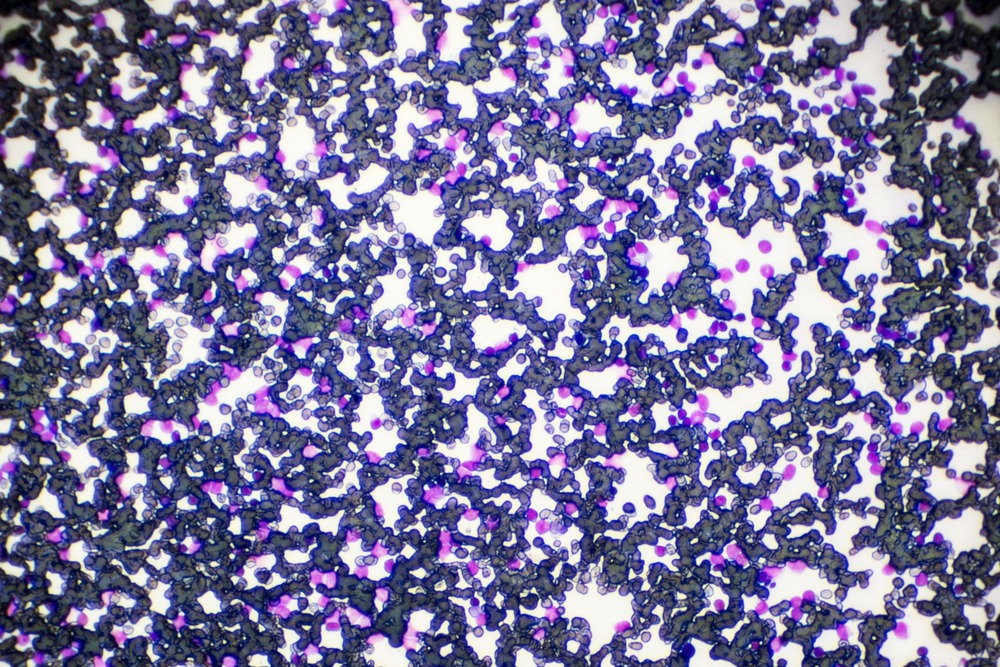
Leukaemia is a cancer of the blood forming tissues, most often involving the bone marrow and circulating white blood cells. Instead of producing a healthy mix of blood cells, the body produces abnormal cells that can crowd out normal ones and interfere with immune function, oxygen delivery, and clotting.8, 9
There is not one single “leukaemia” in dogs. Vets use a few overlapping labels to describe what is happening, how fast it is likely to progress, and which blood cell line is involved. Those details shape both treatment options and prognosis.
Acute vs chronic
Acute leukaemia tends to progress quickly and involves very immature cells (often called blasts). Dogs are usually unwell when they present, and the condition can become serious over a short period of time.8
Chronic leukaemia often develops more slowly. Some dogs feel normal for quite a while, and the condition is sometimes found on routine blood work before there are any clear symptoms at home.4, 8
Lymphocytic vs myeloid
Leukaemias are also described by the cell line involved:
- Lymphocytic leukaemias involve lymphocytes, a key part of immune function.
- Myeloid (myelogenous) leukaemias involve cells from the myeloid line, which includes precursors to red blood cells, platelets, and some types of white blood cells.8
These categories can sound technical, but they are useful shorthand for your veterinary team. They help guide which additional tests are most informative, and what treatments are more likely to help.
Signs you might notice at home
Leukaemia can look like many other common problems, especially early on. Some dogs show vague changes that are easy to chalk up to ageing, a minor tummy upset, or a quieter week.
Signs that commonly raise suspicion include:
- low energy and reduced stamina
- reduced appetite and weight loss
- fever, or recurrent infections that keep coming back
- pale gums (often linked with anaemia)
- unusual bruising, small skin bleeds, or nosebleeds (can reflect low platelets)
- increased drinking and urination
- enlarged lymph nodes, or a larger belly due to an enlarged liver or spleen4, 8
If your dog is clearly unwell, rapidly worsening, or struggling to breathe, that is an “on the day” vet visit. With blood disorders, small shifts can sometimes become big ones quickly.
Why early detection can be quietly valuable
When chronic leukaemia is found on routine blood work, owners sometimes feel blindsided because their dog seemed fine. That does not necessarily mean anyone missed something. Chronic disease can sit below the surface until the body’s reserves start to thin.
Early detection can allow for a steadier pace: confirming the diagnosis carefully, monitoring trends, and starting treatment when it is likely to improve comfort or prevent complications, rather than reacting in a crisis.4, 6
How vets diagnose canine leukaemia

Diagnosis usually begins with a physical exam and blood tests, particularly a complete blood count (CBC). A CBC can show abnormal white blood cell numbers, anaemia, and platelet changes, but it rarely tells the whole story on its own.8
Because other illnesses can also cause unusual white blood cell counts, vets often take a stepwise approach. That might include repeat testing, blood smear review by an experienced laboratory, and targeted tests to rule out other causes of persistent changes.9
Confirmatory tests you may hear about
- Bone marrow aspirate or biopsy, which looks directly at blood cell production and can help confirm leukaemia and its subtype.8
- Sampling of enlarged organs or lymph nodes (when relevant), sometimes paired with laboratory interpretation.
- PARR testing in some suspected chronic lymphocytic leukaemia cases, to assess whether lymphocytes are clonal (more consistent with cancer) or mixed (more consistent with reactive causes).4
If you are referred to a specialist, it is usually because interpretation and staging can get complex, not because your regular vet has “run out of options”. Oncology and internal medicine teams can be particularly helpful when results are borderline, conflicting, or when treatment choices are finely balanced.
Treatment options, and what they are trying to achieve

Treatment depends on the leukaemia type, how unwell the dog is, and what the blood counts are doing over time. In veterinary oncology, the aim is often quality of life first, then length of life, rather than pursuing the most aggressive approach at any cost.1
Common components of care
Chemotherapy is used for many canine leukaemias, especially when abnormal cells are causing clinical problems. Protocols vary, and response can vary too. Some chronic leukaemias are managed with oral medications and monitoring rather than frequent hospital visits.4, 8
Supportive care matters just as much as the cancer directed therapy. Depending on the dog, this might include anti nausea medication, appetite support, pain relief, antibiotics if infections are suspected, fluid support, and in some cases blood products (such as transfusions) when anaemia or bleeding risk is significant.2, 8
Radiation therapy is less common for leukaemia itself, but may be discussed if there are localised issues or related conditions that would benefit from targeted radiation. Radiation can be well tolerated, but it usually requires short general anaesthesia for each session, which is an important practical consideration for some dogs.7
How decisions are usually made
Vets weigh several factors together, including the subtype (acute vs chronic, lymphocytic vs myeloid), how the dog feels day to day, and whether blood counts are stable or trending in a risky direction. They also consider what a particular family can realistically manage, emotionally, financially, and logistically.
It can help to ask a simple question in the consult: “What is the main goal here?” For some dogs it is remission. For others, it is a comfortable stabilisation, fewer infections, or buying time with good function.
Prognosis and life expectancy
Prognosis in canine leukaemia varies widely, and it is one of the reasons broad statements can mislead. Acute leukaemia is often more aggressive and can carry a guarded outlook even with treatment. Chronic leukaemias may progress slowly, and some dogs respond well to therapy and monitoring for extended periods.4, 8
With chronic lymphocytic leukaemia specifically, published summaries commonly describe survival times on the order of one to three years after treatment is started, noting that remission is uncommon and that individual outcomes vary.4
Your vet can give a more meaningful forecast once they know the subtype, the starting blood counts, and how your dog responds in the first weeks of treatment. Those early trends often tell you more than any single number on day one.
Supporting day to day quality of life
Living with leukaemia often becomes an exercise in noticing small changes. Appetite, energy, gum colour, bruising, and tolerance for walks can all offer useful clues about how stable things are.
Practical supports that often help include:
- keeping routines gentle and predictable, with shorter, sniffy walks instead of big outings
- feeding for consistency and interest, with vet guidance if nausea or weight loss is an issue
- watching hydration and toileting habits
- creating a warm, quiet rest space, especially for dogs who tire easily
- staying on schedule with rechecks, because blood counts can change before behaviour does2, 6
What to expect from chemotherapy, realistically
Many owners worry that chemotherapy will inevitably make their dog miserably ill. In veterinary oncology, chemotherapy is commonly dosed and adjusted with comfort in mind, and side effects are often manageable with prompt supportive medication and monitoring.1, 2
If your dog is on chemotherapy at home, ask your vet for clear handling instructions. Some drugs or their by products may be present in urine or faeces for a period after dosing, and clinics often recommend simple precautions such as gloves for clean up and careful storage of medication, especially around children or pregnant people.6
Prevention and risk reduction
There is no guaranteed way to prevent leukaemia in dogs, and in many cases there is no single identifiable cause. What you can do is reduce avoidable risks and keep your dog’s general health steady, so problems are noticed earlier and treated more smoothly.
Helpful, realistic steps include:
- keeping up with routine vet checks, particularly for older dogs or dogs on long term medications
- discussing any persistent changes in energy, appetite, or infections, even if they seem mild
- minimising exposure to unnecessary chemicals in the home and yard, using products as directed and storing them safely
- sticking with parasite control and dental care, because chronic inflammation and infection can complicate an already stressed immune system
If your dog has unexplained blood test changes, it can be worth asking whether follow up testing is needed, rather than waiting until there are obvious symptoms. That is not about worrying more. It is about making the next step clearer.
Final thoughts
Leukaemia in dogs can feel like a diagnosis that changes the ground under your feet, particularly if it arrives through a routine blood test. With good veterinary support, many families find they can move from shock to steadiness, focusing on what their dog needs right now.
The most useful plan is usually a flexible one: clear goals, regular monitoring, and early management of side effects or infections. When treatment choices are made with comfort in mind, it is often possible to protect the things that make a dog’s life recognisably theirs, even while you manage a serious disease.
References
- AAHA: Oncology guidelines (quality of life goals and chemotherapy context)
- AAHA: Supportive and symptomatic care during cancer treatment
- AAHA: Chemotherapy modality guidance (anti nausea and appetite support)
- VCA Animal Hospitals: Chronic lymphocytic leukaemia in dogs
- WSAVA: Oncology Committee and owner resources
- Nicklin Way Veterinary Surgery: Handling chemotherapy at home
- The Animal Medical Center: Cancer treatments and quality of life considerations
- PetMD: Leukaemia in dogs (types, signs, diagnosis, treatment overview)
- Merck Veterinary Manual: Interpreting leukogram abnormalities and differentials