

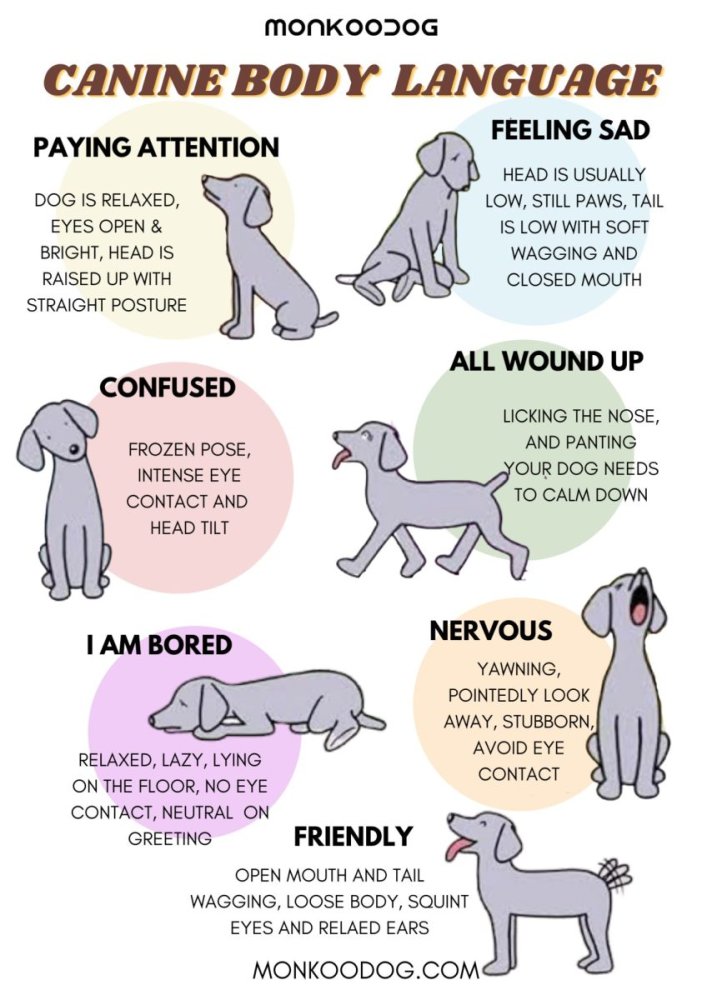
Most people start thinking about oral cancer in dogs because something small changes. A dog that usually crunches through bikkies suddenly chews on one side. The breath turns foul, even after a dental chew. There might be a little blood on a toy, or a lump you only notice when they yawn.
It is tempting to assume it is “just teeth” and, often, it is. Dental disease is extremely common in dogs, and it can cause bad breath, sore gums, and a reluctance to eat.5, 6 The tricky part is that tumours in the mouth can look and behave a lot like routine dental problems at first.
Oral cancers are not something to diagnose at home, but they are something you can notice early. The practical goal is simple: spot unusual mouth changes and get them checked while options are still wide open.
Types of oral cancer in dogs

“Oral cancer” is a broad label. Dogs can develop tumours from several tissues in and around the mouth, including the gums, palate, tongue, and jaw bone. Some growths are benign, but many oral tumours seen in practice are malignant and can invade locally or spread elsewhere.2
In dogs, the most common malignant oral tumours include malignant melanoma, squamous cell carcinoma, and fibrosarcoma.1, 2 They can look very different from each other, and even within the same tumour type, which is why appearance alone is not a reliable guide.
Malignant melanoma
Oral malignant melanoma is often described as aggressive, with a tendency to metastasise (spread) relatively quickly. It may be darkly pigmented, but it can also be non-pigmented, so a pale lump does not rule it out.1
Squamous cell carcinoma
Squamous cell carcinoma often appears as an irregular mass or an ulcerated area and can be locally invasive, including into underlying bone. It is generally considered slower to metastasise than melanoma, but it can still be very serious depending on location and stage.1
Fibrosarcoma
Fibrosarcoma tends to be highly invasive locally, sometimes with lower metastatic potential than melanoma or squamous cell carcinoma. Even so, extensive local disease can make treatment difficult, particularly if bone is involved.1
What puts a dog at risk?
Age matters. Malignant oral tumours are reported more often in older dogs, particularly those over about eight years, although younger dogs can still be affected.1
Breed patterns get mentioned frequently, but they are not a neat checklist. Genetics, pigmentation, and simple chance all play a part. Rather than trying to “rule out” risk based on breed, it is more useful to treat any persistent mouth change as worth a proper look.
Environmental exposures are harder to pin down. Smoke exposure is commonly raised by vets as something to avoid for overall health, and animal health authorities warn that secondhand and thirdhand smoke can be harmful to pets.9 The research picture is mixed for specific cancers in dogs, but reducing smoke exposure is still a sensible, low-regret step.10
Symptoms people notice first
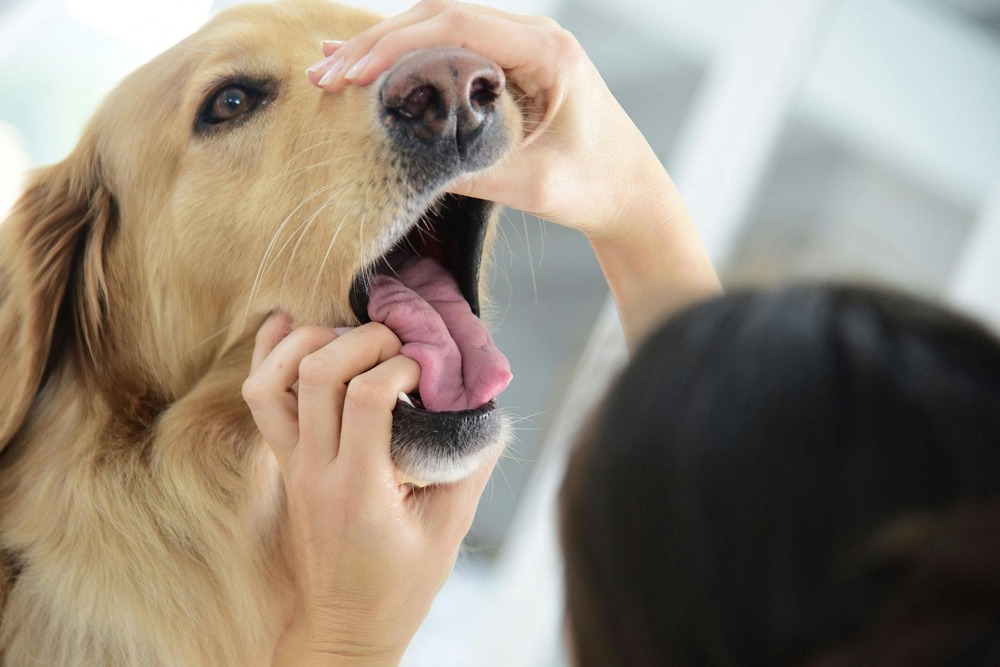
Mouth tumours can be surprisingly quiet early on, and many dogs continue to eat even when the mouth is painful. What tends to bring owners in is a cluster of small clues that do not quite resolve.
Common signs that can be seen with oral tumours include:
- Bad breath (halitosis) that persists or worsens1
- Drooling more than usual, sometimes with blood1
- Bleeding from the mouth, or blood on toys
- Difficulty eating, dropping food, chewing on one side, or reluctance to take hard treats1, 3
- Pawing at the mouth or resistance to having the head touched3
- Facial swelling, or a visible lump in the mouth1
None of these signs automatically mean cancer. They can also occur with fractured teeth, gum infection, foreign material stuck in the mouth, or severe periodontal disease. The point is that persistent oral signs deserve a vet check, especially if they last more than a few days or keep returning.
Getting to a diagnosis
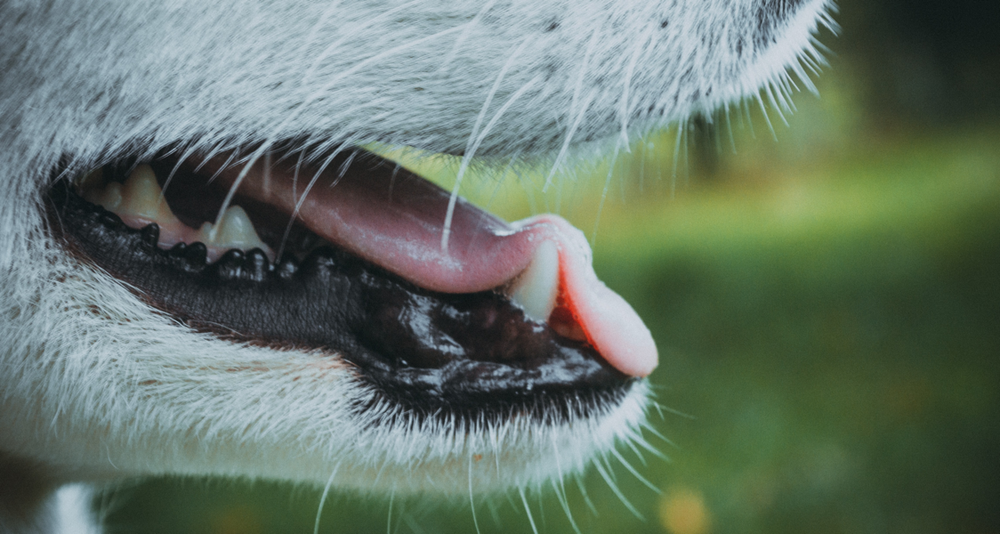
Diagnosis usually begins with a careful oral exam and palpation of lymph nodes. Depending on what your vet sees, they may recommend dental radiographs, advanced imaging such as CT, and chest imaging to help stage the disease and plan next steps.1
The key step is sampling the tissue. A fine needle aspirate may be used in some situations, but for many oral masses, a biopsy is essential to identify the tumour type and guide treatment decisions.1
If your dog needs a more complete oral assessment, your vet may recommend anaesthesia. A thorough examination, dental imaging, and appropriate treatment planning are often not possible in an awake dog, particularly when the mouth is painful.6
Treatment options, and what they involve
Treatment is not one-size-fits-all. The plan is built around tumour type, location, evidence of spread, and your dog’s overall health and comfort.
In broad terms, treatment may include:
- Surgery (wide excision), often the mainstay for many oral and maxillofacial tumours1
- Radiation therapy, used for local control in some cases, including when margins are difficult or surgery is not feasible1
- Chemotherapy and other systemic treatments, sometimes used when there is a higher risk of metastasis or known spread1
Owners are often understandably worried about jaw surgery. Specialist surgical guidance notes that dogs can adapt well after substantial oral surgery, with quality of life being a central part of decision-making and aftercare planning.1, 2
Prognosis and living with uncertainty
It is natural to look for survival times and neat percentages. In reality, prognosis varies widely depending on the tumour type, size, exact location, and whether there is local bone involvement or metastasis.1, 2
Melanoma is often associated with a more guarded outlook because it can metastasise earlier, while other tumours may behave more locally. Even then, individual cases surprise us both ways. The most useful, practical truth is that earlier detection usually widens options, whether the goal is cure, control, or comfort-focused care.1
If you are partway through this process, it can help to ask your vet to talk in concrete terms: what they know from the biopsy, what staging is still needed, and what “good days” look like for your dog in the weeks ahead.
Prevention and early detection at home
You cannot prevent every cancer. What you can do is reduce avoidable risks where practical, and make mouth checks a normal part of life.
Helpful habits include:
- Regular at-home mouth checks, looking for lumps, bleeding, ulcers, or one-sided swelling4
- Routine veterinary examinations, including oral checks. Annual visits are commonly recommended, and some dogs benefit from more frequent monitoring as they age.6
- Consistent dental care, since dental disease is extremely common and can mask other problems (or create pain that looks similar).5, 6
- Avoiding smoke exposure in the home and car, including residue on clothes and soft furnishings where possible.9
If your dog’s breath suddenly changes, or a new mouth lump appears, it is worth treating that as a health signal rather than a cosmetic one. Bad breath is common, but it is not “normal”.7
Caring for a dog with oral cancer
Supportive care is where day-to-day life is won or lost. Pain relief, nutrition, hydration, and stress reduction all matter, and your vet can tailor options to your dog’s needs and treatment plan.
Practical supports many dogs benefit from include:
- Pain management and anti-inflammatory medication as prescribed
- Softened food, smaller frequent meals, and puzzle-free feeding while the mouth is sore
- Monitoring weight and hydration, since subtle drops can happen before you notice
- Gentle oral hygiene only if your vet says it is appropriate, because inflamed tissue can bleed easily
It can also help to set simple quality-of-life markers with your vet, such as appetite, interest in walks, willingness to be touched around the head, and comfort at rest. This keeps decisions grounded in what your dog is actually showing you, not just what a calendar says.
Final thoughts
Oral cancer in dogs is serious, but it is not always obvious at first. When owners notice a change in breath, chewing, or drooling and act on it, they give their dog the best chance of a clear diagnosis and a wider range of treatment choices.
If you take one thing from all of this, let it be this: look in your dog’s mouth now and then, and trust a persistent change enough to have it checked.
References
- Merck Veterinary Manual: Oral Tumors in Small Animals
- American College of Veterinary Surgeons (ACVS): Oral Tumors
- VCA Animal Hospitals: Oral Tumors (clinical signs and diagnosis)
- RSPCA WA: Give your pet a home health check
- RSPCA Australia: Importance of dental health
- RSPCA Knowledgebase: How should I take care of my cat or dog’s teeth?
- Australian Animal Dental: Doggy breath and oral health
- WSAVA: Global Dental Guidelines
- US FDA: Be Smoke-free and Help Your Pets Live Longer, Healthier Lives
- PubMed: Association between environmental factors including second-hand smoke and primary lung cancer in dogs