

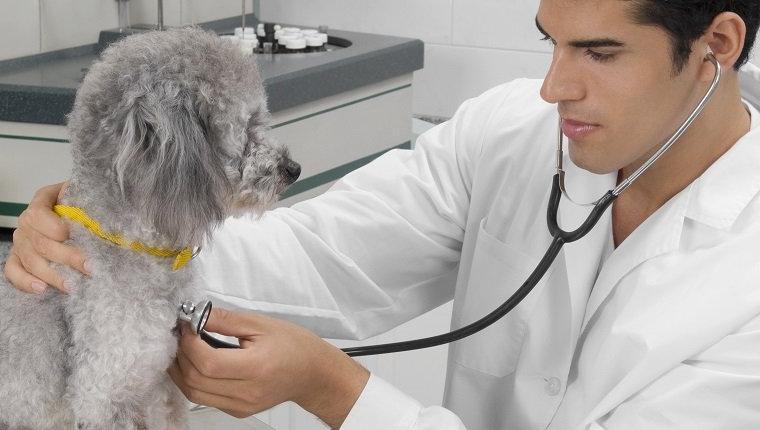
You might notice it as a dog who no longer keeps up on walks, a cough that hangs around after excitement, or a strange “off” moment that is hard to describe but easy to worry about. Sometimes it is brushed off as ageing, being unfit, or “just a bit of kennel cough”. Sometimes it really is something simple. Sometimes it is not.
Pulmonary hypertension is one of those diagnoses that can sit quietly in the background, then show itself through everyday signs that look like lots of other problems. It is not a single disease so much as a pressure problem inside the blood vessels of the lungs, and it can change how the heart and lungs cope with normal life.
When it is recognised early, there is often more you can do to support comfort and function. That might mean treating what is driving it, adjusting exercise, or using medications that help reduce strain on the right side of the heart.
Understanding pulmonary hypertension in dogs
What it is, in plain terms
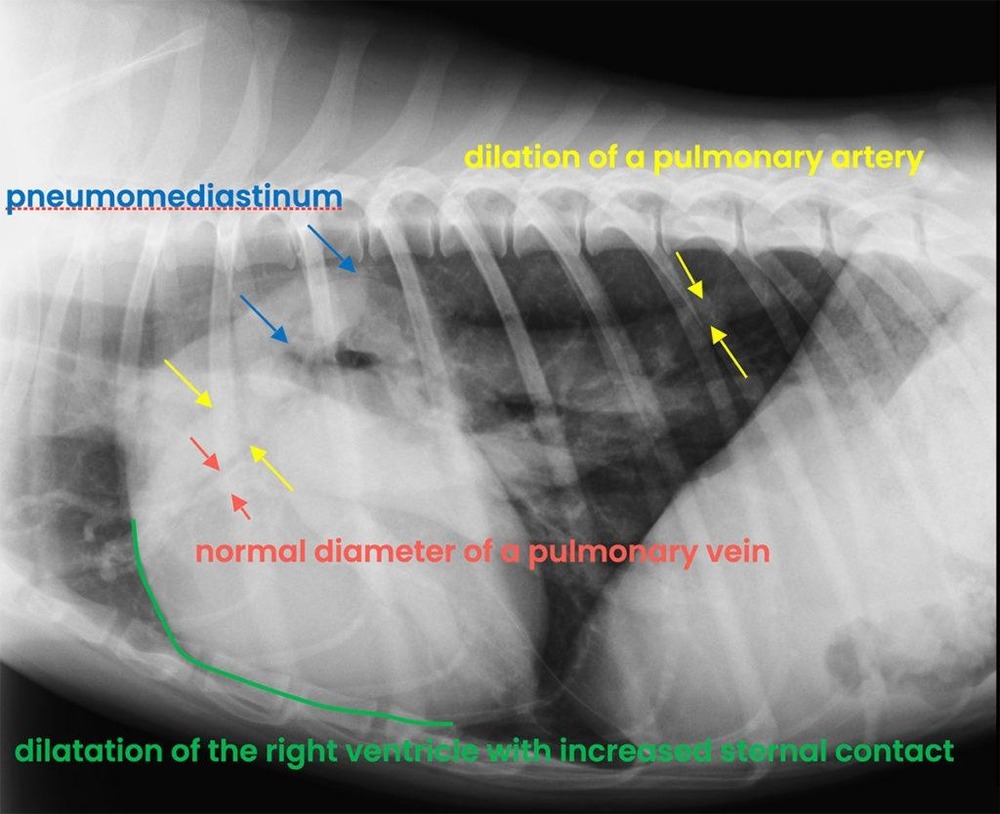
Pulmonary hypertension means higher than normal pressure in the pulmonary arteries, the vessels that carry blood from the heart to the lungs. As that pressure rises, the right side of the heart has to push harder to move blood through the lungs, and over time it may enlarge or weaken. In dogs, pulmonary hypertension is most often secondary to another condition, rather than “primary” or idiopathic pulmonary arterial hypertension.3, 5
Why it affects both breathing and stamina
Many of the changes that come with pulmonary hypertension show up as exercise intolerance, faster or more effortful breathing, or a cough that does not quite fit the usual pattern. Some dogs have episodic collapse (syncope), often linked to exertion or excitement, which reflects the strain on circulation and oxygen delivery when demand rises.3, 5
What causes pulmonary hypertension in dogs
Primary vs secondary pulmonary hypertension
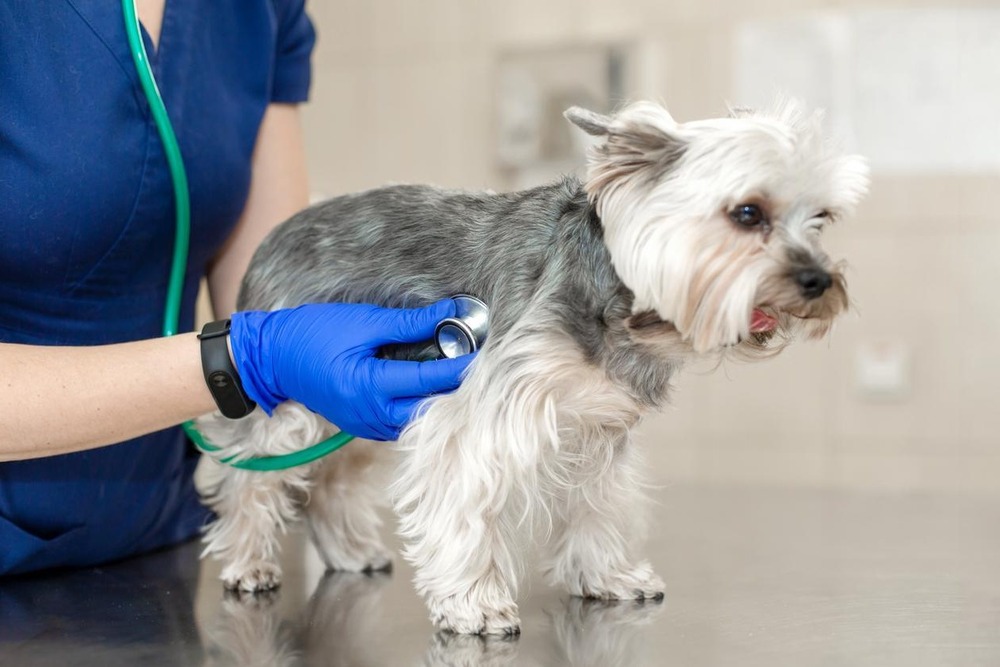
Primary pulmonary hypertension is considered uncommon in dogs. In everyday practice, most cases are secondary pulmonary hypertension, meaning the raised pressure is a consequence of another problem affecting blood flow through the lungs or pressures on the left side of the heart.3
Common underlying problems
The underlying causes are often grouped by where the pressure problem starts. Several are especially common in dogs:
- Left-sided heart disease, which can increase pressures “backwards” into the lungs.
- Chronic lung disease or low blood oxygen (hypoxaemia) that leads to narrowing of pulmonary vessels over time.
- Heartworm disease, where adult worms and inflammation affect pulmonary arteries.
- Blood clots in the lungs (pulmonary thromboembolism) or other vascular blockages.
Dogs can also have more than one contributor at the same time, for example a small breed dog with degenerative valve disease and a chronic airway problem.1, 3
Breed and body shape considerations
It is tempting to look for a simple breed list, but in reality risk often comes from breed-linked conditions rather than breed alone. For example, brachycephalic dogs may be more likely to have airway obstruction and chronic low oxygen, while some small breeds have higher rates of degenerative valve disease, both of which can feed into pulmonary hypertension.1
Signs owners tend to notice first
Symptoms that deserve a closer look
Some signs are subtle at first, and they can wax and wane depending on weather, excitement, and how hard a dog is pushed. The more common patterns include:
- Reduced tolerance for exercise, slowing down on walks or needing more breaks.
- Coughing, especially with activity or at night.
- Faster breathing, more effort when breathing, or breathing that seems “too hard” for the situation.
- Collapse or fainting episodes, particularly after exertion or excitement.
- A swollen belly (ascites) in more advanced cases, reflecting right-sided heart failure.
None of these signs prove pulmonary hypertension on their own. They are signals that the heart, lungs, or both are under strain, and they warrant a proper veterinary assessment.3, 5
When to treat it as urgent
Seek veterinary care the same day if a dog collapses, is struggling to breathe, has blue-tinged gums, or cannot settle comfortably. These signs can have multiple causes, but they are all time-sensitive.6
How vets diagnose pulmonary hypertension
Echocardiography and why it matters
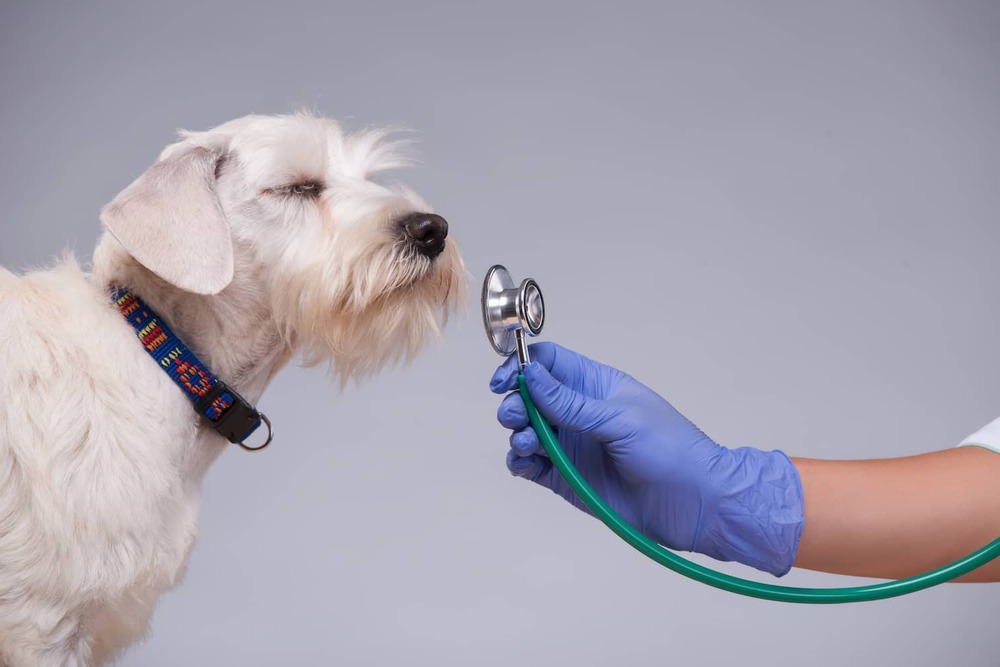
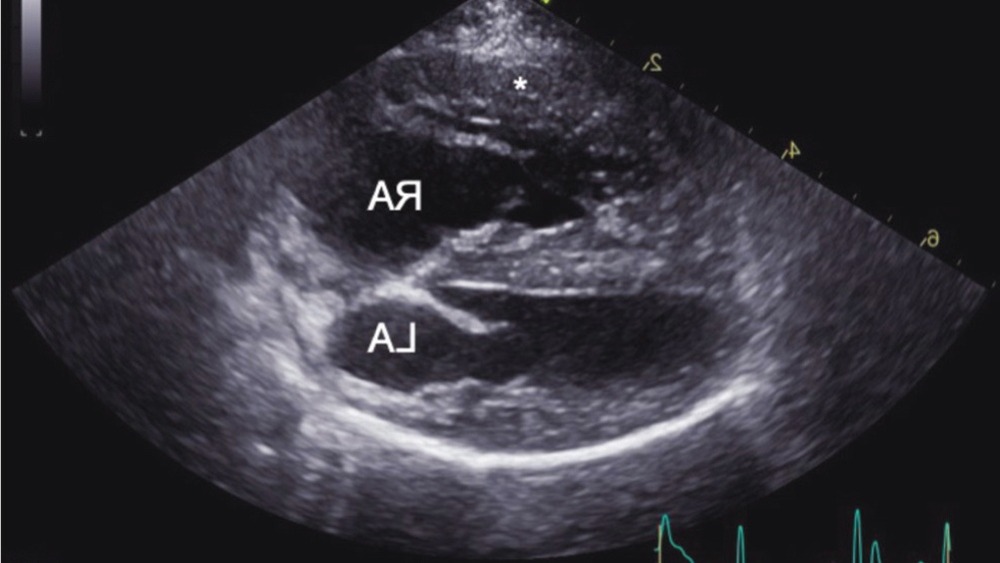
An ultrasound of the heart (echocardiogram) is usually the key test used to assess the probability of pulmonary hypertension and to look for underlying cardiac disease. It can estimate pulmonary pressures using Doppler measurements and can show typical right-heart changes that occur with sustained high pressure.1, 3
It is worth knowing that echocardiography is widely used in dogs because direct measurement of pulmonary artery pressure (right heart catheterisation) is rarely performed outside specialised settings. Good clinicians interpret ultrasound findings alongside the dog’s signs, exam, and other tests.1
Other tests that help build the picture
Depending on what is suspected, your vet may recommend:
- Chest radiographs to evaluate lungs, pulmonary vessels, and heart size.
- Pulse oximetry or blood gas testing to check oxygenation.
- Heartworm testing, particularly in risk areas or if prevention has lapsed.
- Additional imaging such as CT angiography when clots or specific lung diseases are suspected.
The goal is not just to name pulmonary hypertension, but to identify the driver, because treating the underlying cause often changes the outlook most.1, 3
Treatment options and day-to-day support
Treat the cause where possible
The most important step is addressing what is driving the raised pressures. That might mean managing left-sided heart disease, treating chronic airway inflammation, addressing parasites, or investigating and managing clotting risks. When the underlying issue can be improved, pulmonary pressures may reduce and some signs may ease.3
Medications commonly used
For dogs with clinical signs attributable to pulmonary hypertension, vets commonly consider medications that lower pulmonary artery pressure and reduce strain on the right heart.
- Sildenafil (a phosphodiesterase-5 inhibitor) is widely used in dogs and is described as effective for lowering pulmonary artery pressure and improving clinical signs in many cases, particularly when syncope or right-sided failure is present.3, 4
- Pimobendan may be used in selected dogs, particularly where pulmonary hypertension is secondary to left-sided heart disease, as part of broader heart failure management.3
Medication choices depend on the cause, the dog’s blood pressure, other drugs being used, and the dog’s overall stability. For example, nitrates can dangerously lower blood pressure if combined with sildenafil, so vets will be careful about drug combinations.2
Exercise, weight, and the “quiet” parts of care
Supportive care often looks ordinary, but it matters. Many dogs do best with steady, moderate activity rather than bursts of intense exercise. Weight management can reduce respiratory effort and cardiovascular load. In some cases, your vet may recommend avoiding heat stress, using a harness rather than a collar, and monitoring resting respiratory rate at home as an early warning sign of change.
Prognosis and ongoing management
Why outcomes vary so much
Prognosis depends less on a single pressure number and more on the underlying cause, the severity of right-heart changes, and how a dog responds clinically once treatment starts. Some causes are reversible or manageable, while others are progressive. This is why it is helpful to think in terms of management over time, rather than a one-off fix.1, 3
Monitoring that is practical and meaningful
Follow-up is usually based on how the dog is coping in daily life, along with targeted rechecks. Veterinary consensus guidance emphasises that clinical assessment (exercise tolerance, syncope, breathing effort, signs of right-sided failure) is central to monitoring, with repeat echocardiography used when it will change decisions rather than on a rigid schedule for every dog.1
Prevention: reducing risk where you can

Heartworm prevention is part of lung and heart health
Not every case of pulmonary hypertension is preventable, but some important contributors are. Heartworm disease is a well-recognised cause of pulmonary vascular damage, and prevention is far safer than treatment. The American Heartworm Society provides regularly updated guidance on prevention, diagnosis, and treatment, including the broad recommendation for consistent prevention in at-risk regions and lifestyles.7
Australian veterinary teaching hospitals also emphasise that heartworm is mosquito-borne, potentially fatal, and that prevention options include monthly products and long-acting injections administered by vets.8
Looking after chronic respiratory disease
Dogs with long-term airway or lung disease benefit from proactive management, not just because it improves comfort, but because chronic low oxygen can contribute to pulmonary vessel changes. If a dog has a persistent cough, repeated “bronchitis” flare-ups, or noisy breathing, it is worth asking whether a longer-term plan is needed rather than treating each episode as a one-off.
Final thoughts
Pulmonary hypertension can sound abstract until it shows up in small, familiar moments, a dog who stops halfway up the hill, a cough after play, a collapse that seems to come out of nowhere. What helps most is taking those changes seriously, without panic, and working through a clear diagnostic plan with your vet.
With the right combination of investigation, treatment, and ongoing monitoring, many dogs can have a good quality of life. The most practical approach is usually a simple one: treat what is driving it, support the heart and lungs, and keep checking in as your dog’s needs change.
References
- ACVIM consensus statement: Guidelines for the diagnosis, classification, treatment, and monitoring of pulmonary hypertension in dogs (Journal of Veterinary Internal Medicine)
- Principles of therapy of cardiovascular disease in animals (Merck Veterinary Manual)
- Systemic and pulmonary hypertension in dogs and cats (Merck Veterinary Manual)
- Sildenafil use in veterinary cardiovascular disease (Merck Veterinary Manual)
- American Heartworm Society: Heartworm guidelines
- RSPCA Australia: Signs of heatstroke in dogs (breathing distress warning signs)
- American Heartworm Society: Heartworm basics for pet owners
- University Veterinary Teaching Hospital Sydney: Heartworm
- American Veterinary Medical Association: Heartworm disease in dogs