

You might notice it in small, ordinary moments: reading a breed description that sounds nothing like the dog in front of you, seeing “AKC registered” in a puppy ad, or watching a televised dog show and wondering what, exactly, the judges are measuring.
It is easy to assume the American Kennel Club (AKC) is simply a show organiser, or that registration is a stamp of “quality”. In practice, the AKC sits closer to the paperwork and rule-making side of the dog world. It keeps a major registry, sets the framework for breed standards, and licenses events where dogs and handlers can compete across many different activities.
Understanding what the AKC does, and what it does not do, helps you read breeder claims more clearly, make sense of dog sports, and keep your focus where it belongs: on health, temperament, and fit for real life.
History and evolution of the AKC

The AKC was established in 1884, at a time when dog shows and stud books were becoming more formalised in the United States.1 Early on, its focus was largely administrative: creating consistent rules for shows and recording dogs so that pedigrees could be tracked in an orderly way.
Over time, the organisation expanded into a broader ecosystem of events and programs. The modern AKC still revolves around registration and breed standards, but it also supports a large calendar of licensed competitions, offers owner education, and connects clubs, judges, breeders, and everyday dog people through shared systems.
One useful milestone is the development of AKC obedience. The AKC approved its first obedience test regulations in March 1936, reflecting a growing interest in trainability and teamwork, not only how a dog looks in a ring.2
What the AKC does day to day
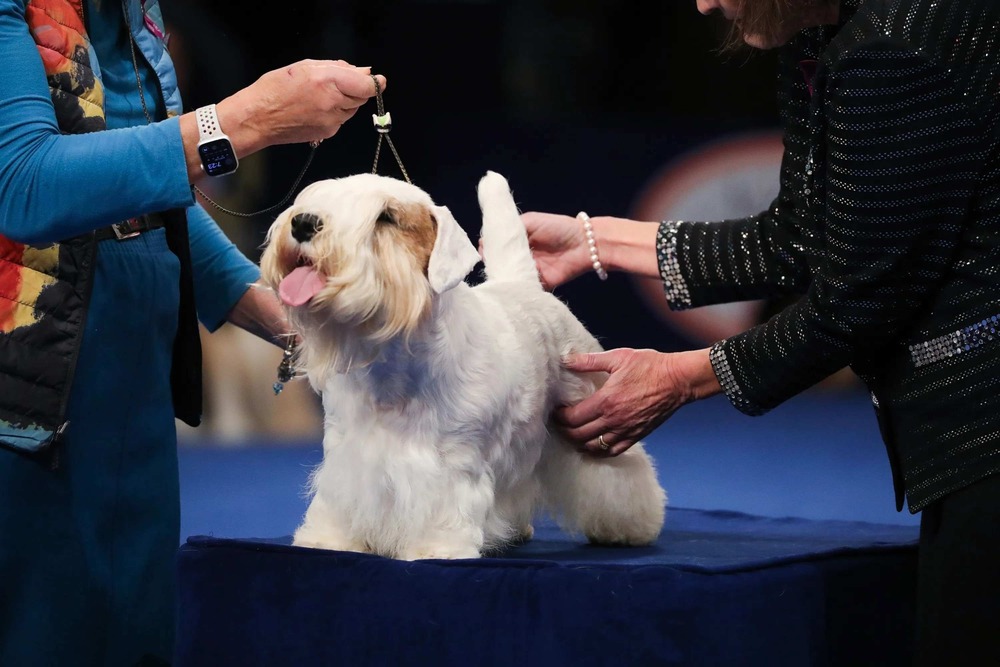
The AKC’s public face is often conformation, but its core function is as a registry and rule-setter. In plain terms, it maintains records of eligible dogs and administers the frameworks that clubs and competitors use.
Key functions include:
- Dog registration and pedigree record keeping for eligible purebred dogs, plus enrolment options for some activities that allow mixed-breed dogs to participate.
- Maintaining and publishing breed standards through the parent club system, and using those standards as the basis for conformation judging.1, 6
- Licensing and supporting events, from conformation to performance sports such as obedience.
It can also help to name the limits. AKC registration is not, by itself, proof that a breeder has done health testing, raised puppies well, or selected for stable temperaments. It means the dog meets the registry’s documentation requirements for that program. For buyers, that distinction is worth holding onto.
Breed recognition and breed standards

Breed recognition is a process, not a single announcement. For emerging breeds, the AKC’s Foundation Stock Service (FSS) is one of the early steps, allowing record keeping while a breed develops a larger national presence.7
From there, breeds may progress into the Miscellaneous Class when they meet criteria such as having an active national breed club and an approved standard written to AKC guidelines. Movement through these stages is reviewed over time, and full recognition is ultimately approved by the AKC Board of Directors.7, 8
In January 2026, the AKC granted full recognition to three breeds, bringing the total to 205 recognised breeds: the Basset Fauve de Bretagne, the Russian Tsvetnaya Bolonka, and the Teddy Roosevelt Terrier.9
Breed standards themselves are best read as a shared reference point, not a promise. They describe an “ideal” for appearance and, in many standards, general temperament tendencies. They can be helpful when you are trying to understand why a breed typically moves, works, or copes with certain environments in the way it does. Still, any individual dog can fall outside those expectations, especially once you factor in early experiences, training, and health.
Dog shows and competitions
AKC conformation can look like a beauty contest from the outside, but the internal logic is different. Judges are not meant to compare dogs to each other so much as assess how closely each dog matches its breed standard, with the idea that closer “type” supports predictable structure and function for breeding programs.6
It also helps to separate two big, commonly linked names:
- The AKC licenses and governs many conformation shows and a wide range of performance events in the United States.
- The Westminster Kennel Club Dog Show is run by the Westminster Kennel Club, not the AKC, even though dogs shown there must meet eligibility rules that intersect with AKC recognition and registration requirements.10
If you are new to dog sports, watching any event in person can be clarifying. You see the quieter details: how handlers warm up dogs, how dogs cope with noise and proximity, and how much of the day is about routine, crate time, and waiting calmly. Those observations often tell you more about a dog’s suitability for your household than a trophy ever could.
Registration, eligibility, and what “AKC registered” really means

For owners, AKC registration tends to come up in two situations: buying a purebred puppy and wanting documentation, or wanting to enter an event that requires an AKC number or enrolment.
When you see “AKC registered”, treat it as a description of record keeping and eligibility, not a complete assessment of welfare. A well-bred dog might be registered, but a registered dog is not automatically well-bred. If you are speaking with a breeder, it is reasonable to ask about health screening, how puppies are raised, what support is offered after sale, and whether the breeding dogs have titles or other evidence of stable temperaments and sound structure.
For conformation specifically, the AKC notes that dogs must be registered, of a recognised breed, at least six months old, and not desexed, among other requirements.6 That is a practical rule for breeding-focused showing, but it also means conformation is only one slice of the dog world, and not the slice most pet owners will ever need.
Health and welfare initiatives
The AKC’s influence on health is partly indirect, through the way breed standards and popular breeding trends can shape demand. It also supports health work more directly through the AKC Canine Health Foundation (CHF), founded in 1995 to fund canine health research.3
Research funding is not the same thing as regulating breeding practices across the country, and it is worth keeping that distinction clear. Still, the CHF’s model matters because it channels funding into studies that can improve understanding of disease, genetics, and prevention strategies, which can then inform veterinary care and responsible breeding decisions.
For owners, the practical takeaway is simple: treat breed-related health information as a starting point for planning, not a prediction. A good veterinarian and a thoughtful breeder can help you interpret risk, choose appropriate screening, and avoid the trap of assuming that paperwork alone guarantees wellbeing.
Training and education: where the AKC is often most useful
Even if you never plan to show, many people find the AKC most helpful when they want a clear training goal and a social way to work towards it. The AKC’s Canine Good Citizen (CGC) program is a structured, ten-skill test focused on everyday manners and responsible ownership, and it is open to both purebred and mixed-breed dogs.4, 5
That openness is important. It reinforces a more practical view of training: what matters most is that a dog can move safely through the world, respond to handling, and cope with common situations. Titles are optional, but the process of preparing, practising, and proofing skills around distractions can be genuinely life-changing in households that feel a bit stuck.
If you are considering a CGC-style goal, focus on consistency rather than intensity. Short sessions, calm repetition, and realistic expectations tend to produce the sort of “good dog” behaviour that lasts beyond the training hall.
Final thoughts
The AKC can be a useful reference point, especially when you are trying to decode breeder language, understand how dog sports are structured, or find a training pathway that is clear and measurable. At its best, it offers shared standards and organised opportunities for people who enjoy dogs in many different ways.
Still, the most grounded approach is to keep one foot in the real world: the dog on your sofa, the challenges on your street, the time you actually have, and the support you can access. Registration and titles can be meaningful, but they work best when they sit underneath the bigger picture of health, temperament, and a life that suits both dog and human.
References
- American Kennel Club: History of the AKC
- American Kennel Club: Obedience History
- AKC Canine Health Foundation: Organisational History and Profile
- American Kennel Club: Canine Good Citizen (CGC)
- American Kennel Club: Take the CGC Test
- American Kennel Club: Conformation
- American Kennel Club: What Is the AKC Foundation Stock Service?
- American Kennel Club: Foundation Stock Service Program, Guidelines for Advancing a New Breed
- American Kennel Club: The Pack Is Expanding, the American Kennel Club Welcomes Three New Breeds to the Registry
- Wikipedia: Westminster Kennel Club Dog Show