

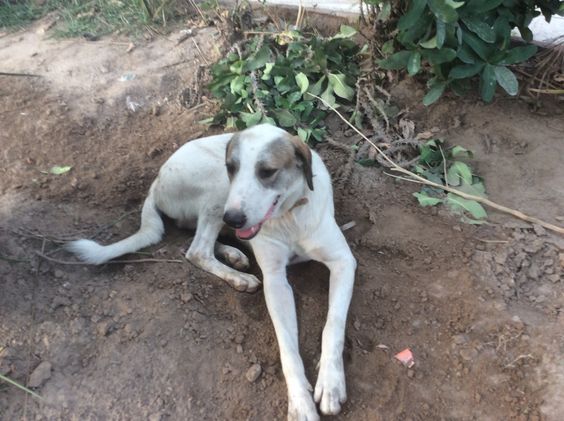
You might come across the Vikhan when you are searching for a capable livestock guardian, or when you have spotted photos of a long-coated, collie-like working dog labelled with a name you do not recognise. The first surprise is often that there is not much consistent information, and not much agreement on whether the Vikhan is a formal breed, a local landrace, or something in between.
That uncertainty matters in practical ways. When a dog type is rare outside its home region, details like adult size, temperament, coat care, and even heat tolerance are often described through a mix of local knowledge and second-hand summaries. It is still possible to get a clear sense of what living with a Vikhan may be like, but it helps to hold the facts lightly and keep your expectations grounded.
What does come through, across most accounts, is a picture of a dog developed for work. A Vikhan is typically described as a livestock guardian from mountainous areas, built to travel and watch, and inclined to make its own decisions. If you are drawn to that kind of dog, it is worth thinking beyond looks and into daily management: space, training style, social exposure, and weather.
The Vikhan Dog at a glance
Breed category: Working dog (livestock guardian type)
Country of origin: Pakistan and India, commonly linked with Chitral (Pakistan) and parts of Himachal Pradesh (India)1
Coat: Long, dense, often described as weather-protective
Common colours: Often described as black, reddish, or mottled (colour descriptions vary between sources)1
Temperament (typical working pattern): Watchful, independent, loyal to its own people, often reserved with strangers
Exercise needs: High for many individuals, especially young dogs
Heat sensitivity: Long, dense coats can increase heat load, plan for warm weather management
Breed recognition: Commonly described as not widely recognised by major kennel bodies1
Origins and working history
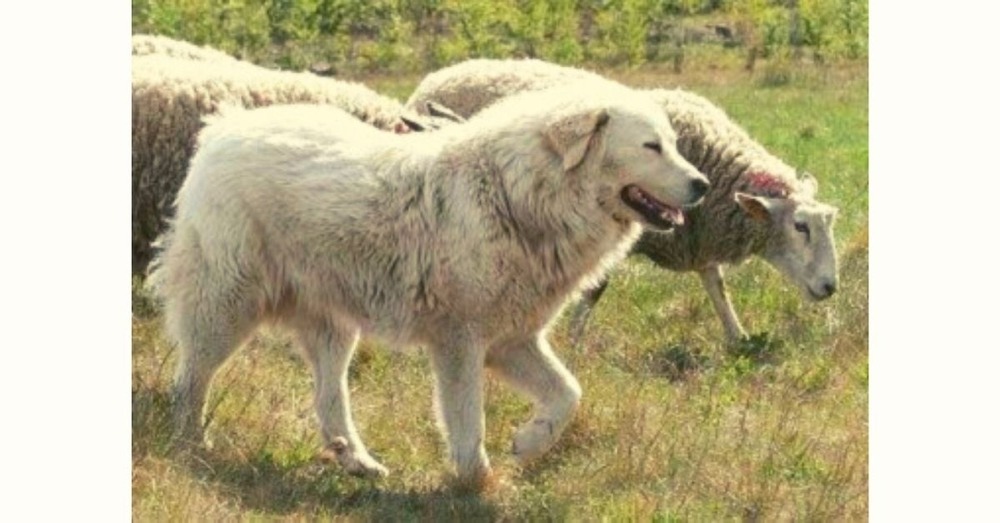
The Vikhan is usually described as a livestock guardian dog from Pakistan and India, with frequent references to the Chitral region in Pakistan and to areas of Himachal Pradesh in India.1 In that setting, the job is not a sport or a weekend activity. It is long hours of movement, exposure to weather, and the steady responsibility of staying close to animals that may be vulnerable to predators.
Sources that discuss the Vikhan in its home range describe a dog used to guard sheep and other livestock, including against large predators such as leopards, and mention protective collars used for the neck in predator country.1 Even if you never need a dog for that purpose, this background helps explain the traits people notice in the home: strong perimeter awareness, suspicion of unfamiliar approaches, and a tendency to decide for itself when something does not feel right.
It is also worth noting that, outside its region of origin, the Vikhan is often discussed as a rare breed or local type. That means individual dogs may vary more than you would expect from a tightly standardised, show-focused breed.
Appearance and what it is built to do
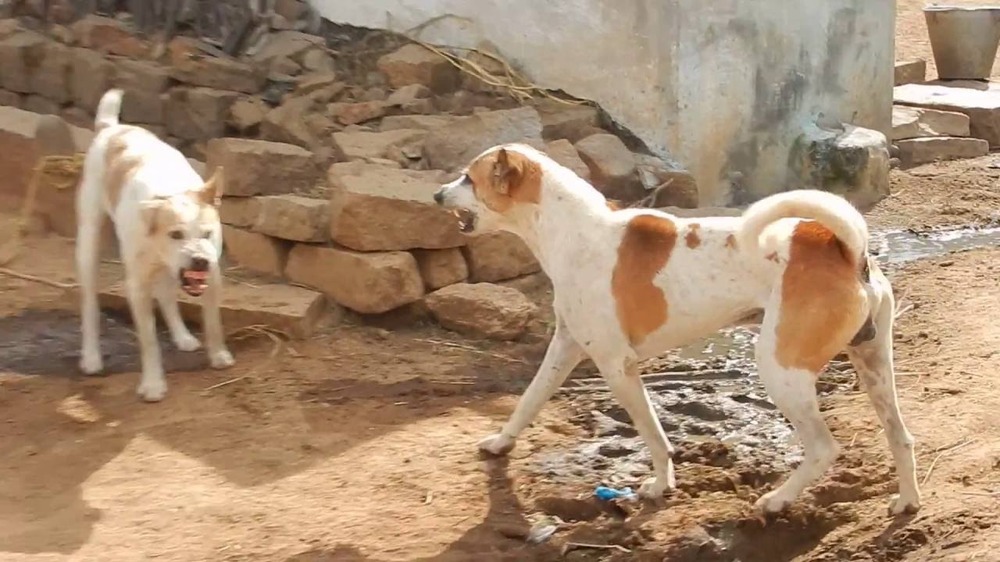
Descriptions of the Vikhan often highlight a long coat, drop ears, and a bushy tail, along with an outline some sources compare to a large, collie-like working dog rather than a heavy, mastiff-style guardian.1 That matters because it hints at a dog built for covering ground, keeping up with stock, and working across uneven terrain.
In practical terms, a lighter, more athletic guardian type can still be physically powerful, but may also be more easily overstimulated in suburban life if it is under-exercised or under-managed. This is where many owners get caught out: they expect a calm yard guardian and end up with a dog that needs structured outlets and clear routines.
Coat and climate considerations
A thick coat can be a real advantage in cold and wet conditions, but it can become a liability in warm, humid weather. Heavy panting, drooling, weakness, vomiting, or collapse are all signs that a dog may be overheating, and heatstroke is an emergency.2, 3 For long-coated working breeds, good management often matters more than any single “heat tolerant” claim.
Temperament, household fit, and social behaviour
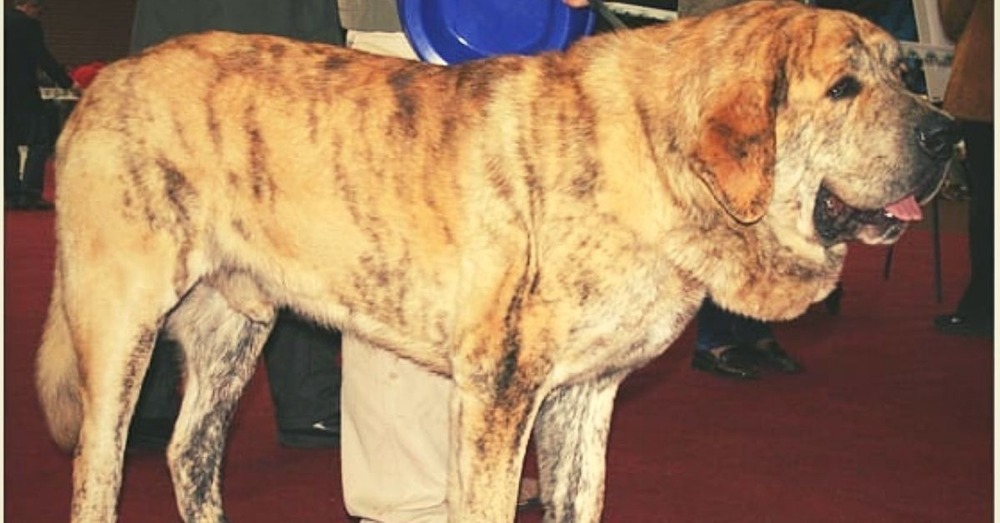
Most livestock guardians are not “easy” dogs in the way people mean it online. They can be steady and devoted, but they are also built to notice, assess, and respond. A Vikhan is commonly characterised as independent and protective, which can look like calm confidence in the right home, or like persistent wariness in the wrong one.
With visitors, the goal is usually not a dog that loves everyone. A more realistic aim is a dog that can remain settled, take direction from its handler, and recover quickly after something surprising. That is built through early exposure and ongoing practice, not through one big socialisation push in puppyhood.
Children and other pets
Many working dogs can live well with children when adults manage the environment thoughtfully. With guardian types, supervision is especially important around fast movement, noisy play, and visiting children who may not read dog body language well. If a dog has herding or guarding tendencies, you may see blocking, shadowing, or “checking” behaviour, which is not necessarily aggression, but still needs calm interruption and redirection.
With other dogs and household animals, early introductions matter. Guardian types can be selective, and they may take longer to relax around unfamiliar animals, particularly on their own property.
Training approach and daily exercise
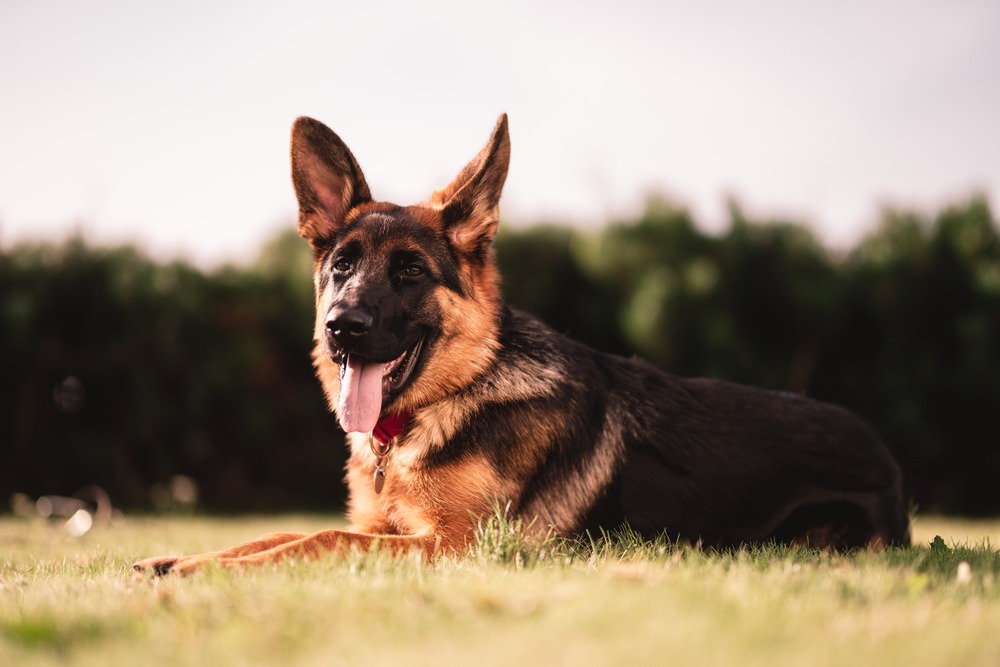
With a dog that has been shaped by working expectations, training is less about “obedience” and more about building cooperation. In many cases, reward-based training is a good fit because it keeps trust intact and makes it easier to teach reliable skills without escalating conflict.4
That does not mean permissive. Guardian types often do best with clear boundaries, consistent routines, and practice in calm contexts before you expect success in busy places. If you are working with a trainer, look for someone experienced with large working breeds and committed to humane, reward-based methods.
Exercise and enrichment that tends to work
Many Vikhans are described as energetic and capable of sustained movement. For pet homes, consider exercise as both physical and mental. A mix often works better than one long, intense outing.
- Long, steady walks in cooler parts of the day, particularly in warm weather2, 3
- Sniff-heavy decompression time on a long line (where safe and legal)
- Structured training games that teach settling, recall foundations, and polite greetings
- Jobs that suit the dog, such as carrying a properly fitted pack on walks, or supervised property checks (not fence running)
Health considerations and preventative care
Because the Vikhan is not widely standardised, there is limited breed-specific health data available in mainstream veterinary literature. It is still sensible to think in terms of large, athletic dogs with substantial coats and drop ears.
Joints and hip dysplasia risk
Large breeds are more commonly affected by hip dysplasia, and management often includes keeping dogs lean, avoiding excessive rapid weight gain during growth, and seeking veterinary advice early if you notice stiffness or reluctance to jump or rise.5 If you are buying a puppy, ask what health screening has been done in the lines and what the breeder does to support slow, steady growth.
Ears and skin
Drop ears can create a warmer, less ventilated ear canal environment. If your dog is prone to ear problems, your vet may recommend an ear care routine. When cleaning is needed, avoid cotton buds that can push debris deeper, and use dog-specific products as advised.6
Heat safety
Long coats, high drive, and warm weather can be a risky mix. Avoid hard exercise in the heat, ensure shade and cool water are always available, and treat overheating signs as urgent.2, 3
Grooming and coat care
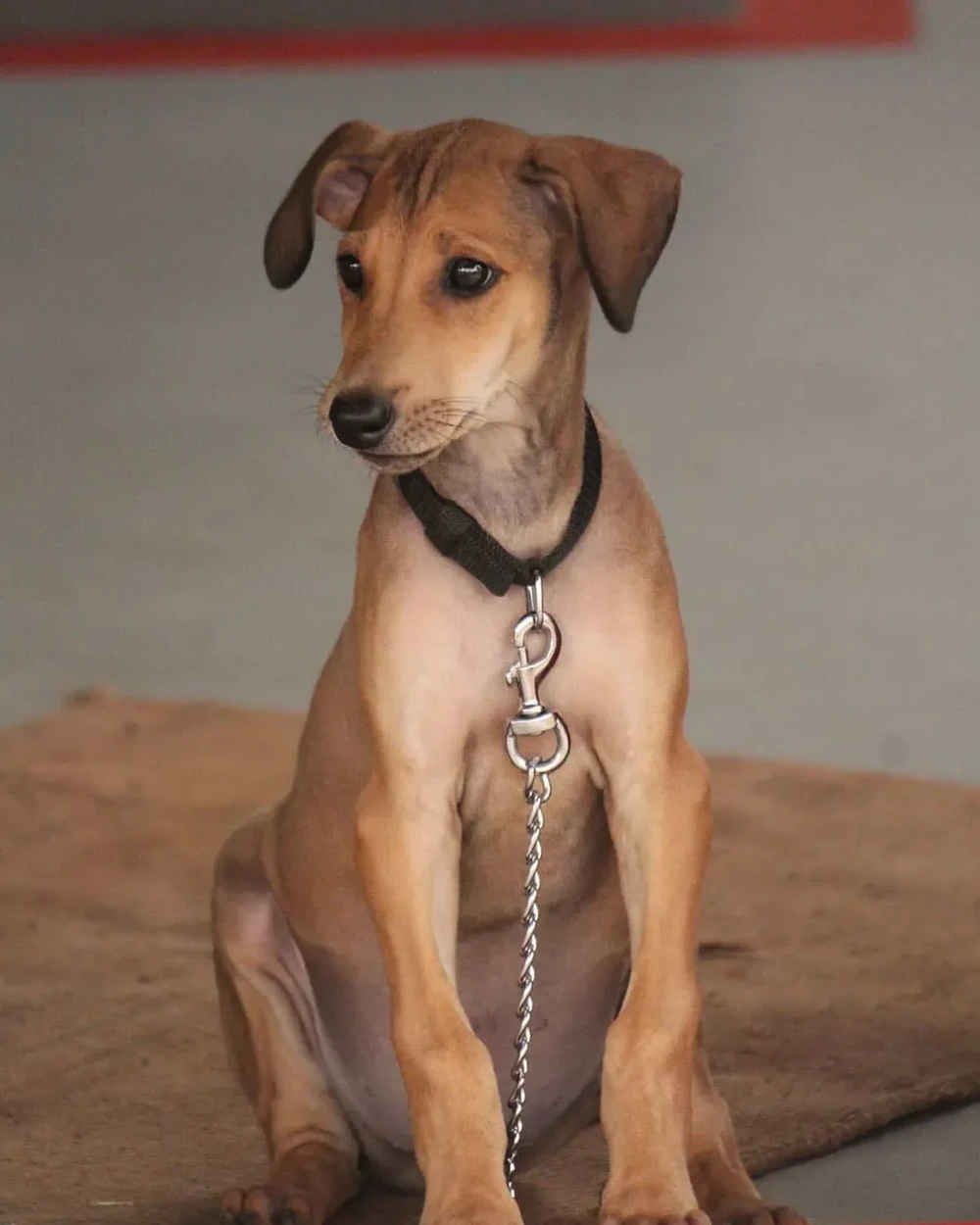
A dense, long coat tends to be manageable when you stay ahead of it. The work is usually less about fancy grooming and more about preventing tangles, removing loose undercoat, and checking the skin regularly.
For many dogs with this coat type, a thorough brush once or twice a week is a reasonable baseline, increasing during seasonal coat blow. Pay extra attention behind the ears, under the collar area, and around the tail and “feathering”, where knots can tighten quietly. If you are unsure what tools are appropriate, ask a groomer to demonstrate a routine for your dog’s specific coat texture.
Clipping is not automatically the answer for summer. Coat can provide some protection from sunburn and external heat, but it can also trap warmth if it is thick and impacted. The most practical approach is usually coat maintenance, shade, airflow, and timing exercise for cooler parts of the day.2, 3
Feeding and nutrition that supports a working-type dog
People often default to “high protein” as a shorthand for quality, but nutrition is more nuanced than a single number. A better anchor is choosing a diet that is complete and balanced for your dog’s life stage, and then adjusting quantity so your dog stays lean and athletic.
The World Small Animal Veterinary Association (WSAVA) provides guidance and tools focused on nutritional assessment and on selecting pet foods using factors beyond the ingredient list, such as quality control, expertise, and transparency from manufacturers.7 If you want a practical checklist, WSAVA also highlights questions owners can ask pet food companies, supported by work from the Pet Nutrition Alliance on manufacturer evaluation.8, 9
If your dog is growing rapidly, is very active, or has orthopaedic concerns, your vet can help you choose an appropriate diet and feeding plan. With large dogs, keeping them at a healthy body condition is one of the simplest ways to support joints over time.5
Final thoughts
The Vikhan is often described as rare, and not widely recognised by major kennel organisations, which can make it harder to find consistent, reliable breed information.1 Still, the broad outline is fairly clear: this is a dog shaped by livestock guardian work, and that heritage tends to show up in independence, watchfulness, and an instinct to take responsibility for its space.
If you are considering a Vikhan, it helps to think like a handler rather than a collector of a rare breed. Space, training style, and heat management usually matter more than any romantic idea of having a “legendary” dog. In the right environment, with calm leadership and enough purposeful activity, a working-type guardian can be a steady companion with a strong sense of place.
References
- Wikipedia: Vikhan
- RSPCA Australia: Keeping your pet safe during the heat
- RSPCA Pet Insurance: Heatstroke guide for cats and dogs
- RSPCA Pet Insurance: Positive reinforcement training
- American College of Veterinary Surgeons: Canine Hip Dysplasia
- American Kennel Club: How to clean a dog’s ears
- WSAVA: Global Nutrition Guidelines
- WSAVA: Do you ‘Dare to Ask?’ (Pet Nutrition Alliance tool)
- Pet Nutrition Alliance: Pet Food Manufacturer Evaluation Report