

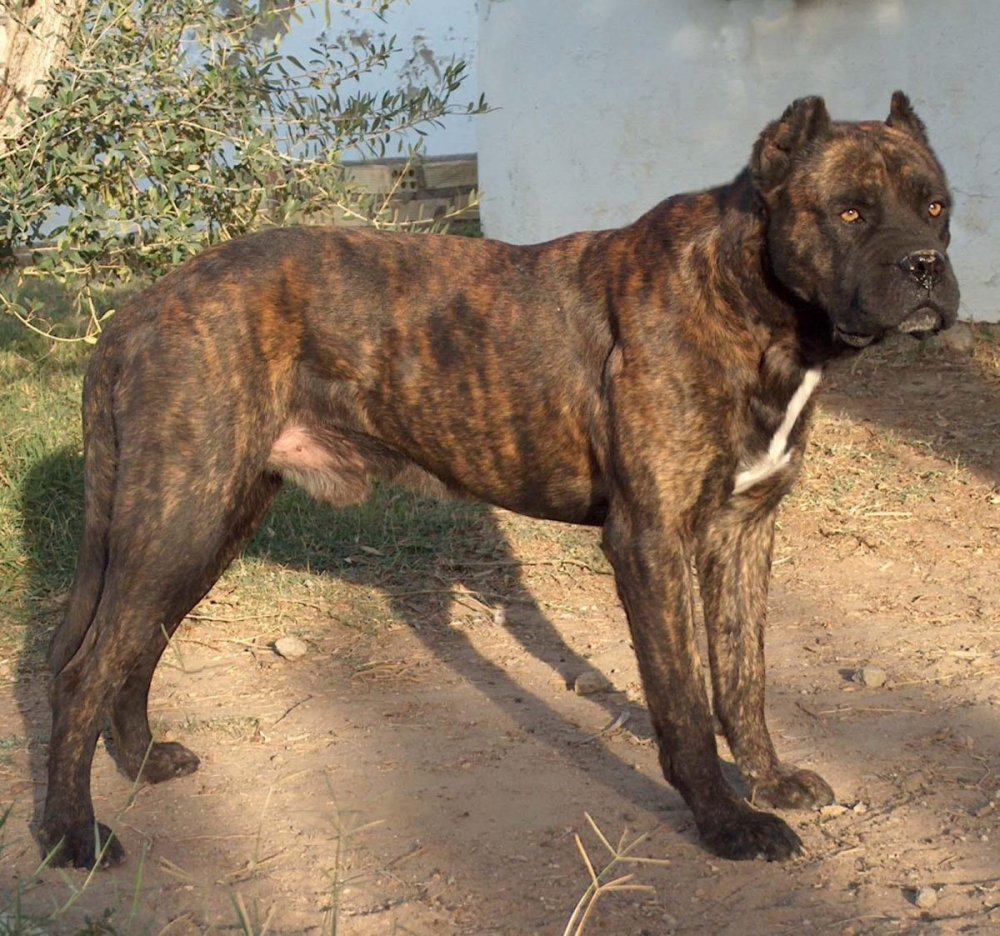
Sometimes a dog catches your eye because it does not quite fit the companion-dog mould. You might see a compact, athletic body, a steady stare, and a way of moving that suggests the dog is always clocking what is happening around them. For many people, that is how the Villano de las Encartaciones comes up, as a breed name attached to a powerful working type from northern Spain.
It is tempting to assume that a “rare working dog” is simply a tougher version of a family pet. In practice, the differences run deeper. Breeds shaped for managing livestock and holding their nerve in hard conditions often need more structure, more space, and more thoughtful training than people expect, even when they are calm at home.
Getting clear on what the Villano is, and what it is not, matters because it helps you make good decisions early. That includes whether the breed suits your day-to-day life, how to raise one safely around visitors and other animals, and what to prioritise for health and handling.
At a glance: Villano de las Encartaciones
Breed category: Working dog
Country of origin: Spain (Basque Country, especially the Las Encartaciones area)1
- Height: Often reported around 60 to 65 cm at the withers (sex varies)1
- Weight: Commonly around the mid 30 kg range, with variation by sex and build1
- Coat: Short, dense, close-lying coat, often brindle fawn tones1
- Exercise needs: High, best suited to daily, purposeful activity
- Life expectancy: Commonly listed around 10 to 12 years (estimates vary; data is limited for rare breeds)
Where the breed comes from, and what it was built to do
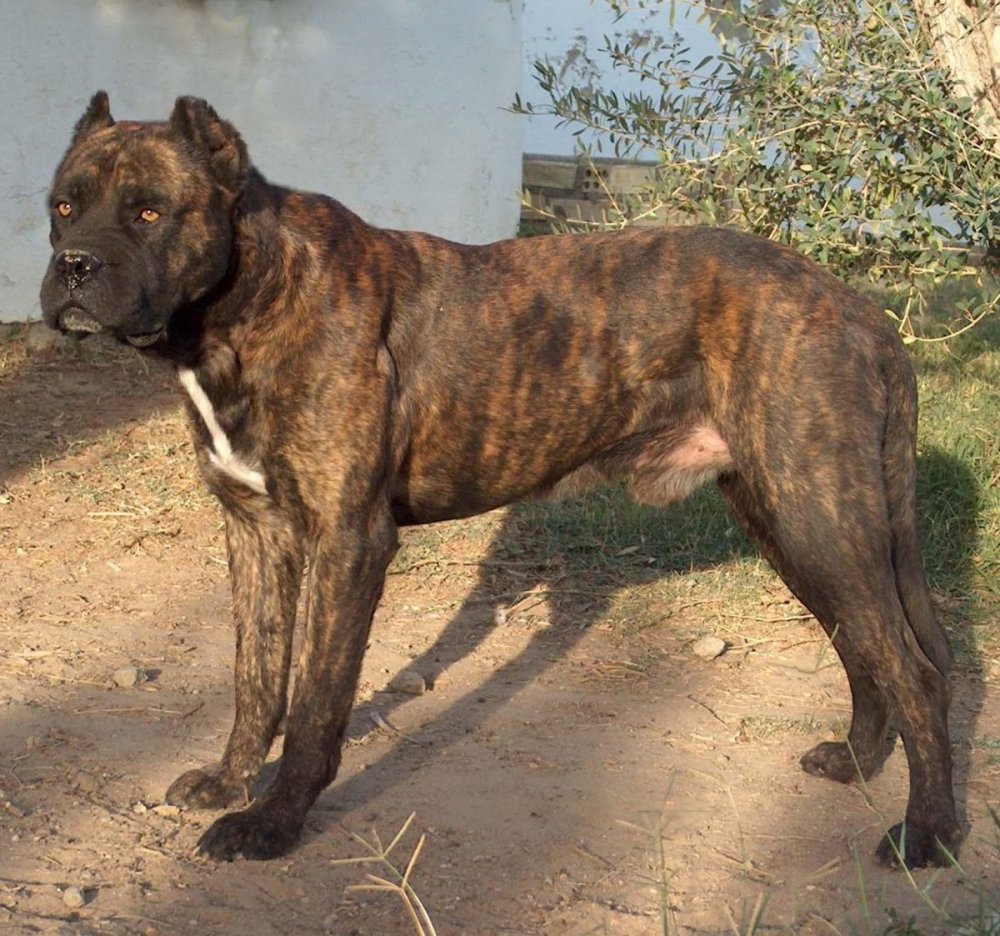
The Villano de las Encartaciones is a traditional working dog from the Las Encartaciones region in Biscay, within the Basque Country, and it is also found in nearby areas such as Álava, eastern Cantabria, and northern Burgos.1 Its history is closely tied to cattle management, particularly moving and controlling hardy mountain cattle, and helping bring cattle down from higher pastures in the cooler months.1
That context explains a lot about the modern dog. A breed developed for stock work needs the ability to stay composed under pressure, respond quickly to movement, and keep working even when the environment is rough. It also helps explain why some individuals can be watchful with strangers, and why early, careful socialisation matters.
People sometimes repeat broad claims about ancestry (for example, “ancient Molosser” roots). With rare regional breeds, those stories can be hard to prove cleanly. What is clearer is that in the 20th century, the modern Villano type was influenced by crossing with the Alano Espanol, in an effort to combine working traits into a single dog that could handle multiple tasks on the mountain.1
Appearance: athletic, spare, and practical
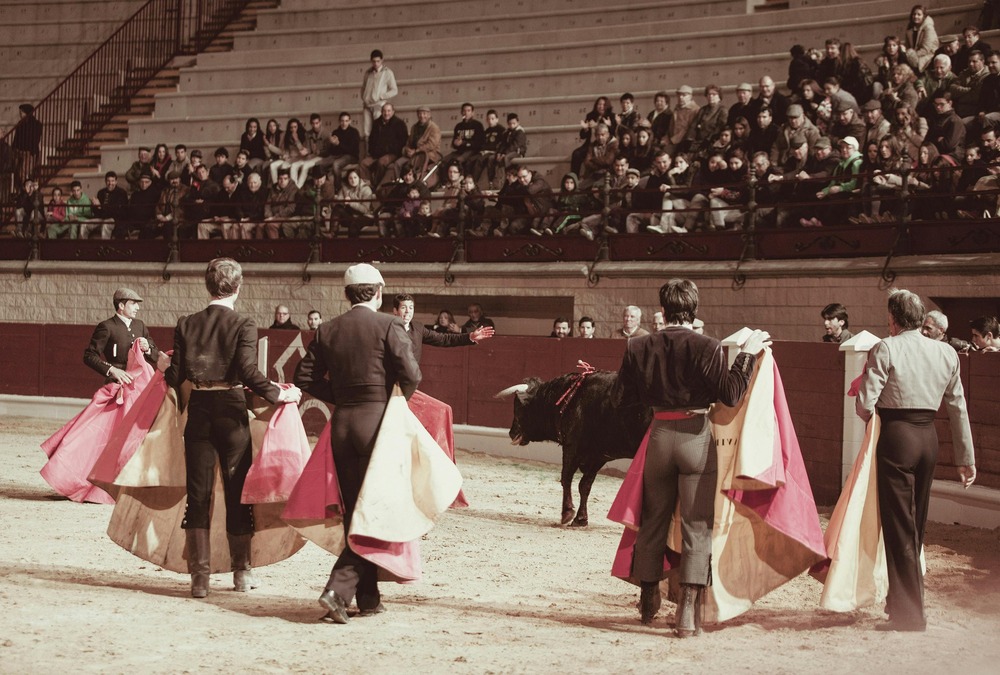
The Villano is typically medium-large and strongly built, but not heavy in the way some mastiff types are. The body tends to look functional first: muscle where it helps with traction and control, a balanced frame for endurance, and a short coat suited to working in scrub and wet weather.
Coat colour is most often described as brindled fawn, from pale to dark, with a hard, straight, short coat that sits close to the body.1 Shedding is usually manageable with basic routine care rather than intensive grooming.
Practical takeaway: the Villano’s look is a clue to its needs. Dogs shaped for physical work generally do best when their exercise is more than a quick stroll, and when their training gives them a job to do.
Temperament and day-to-day behaviour
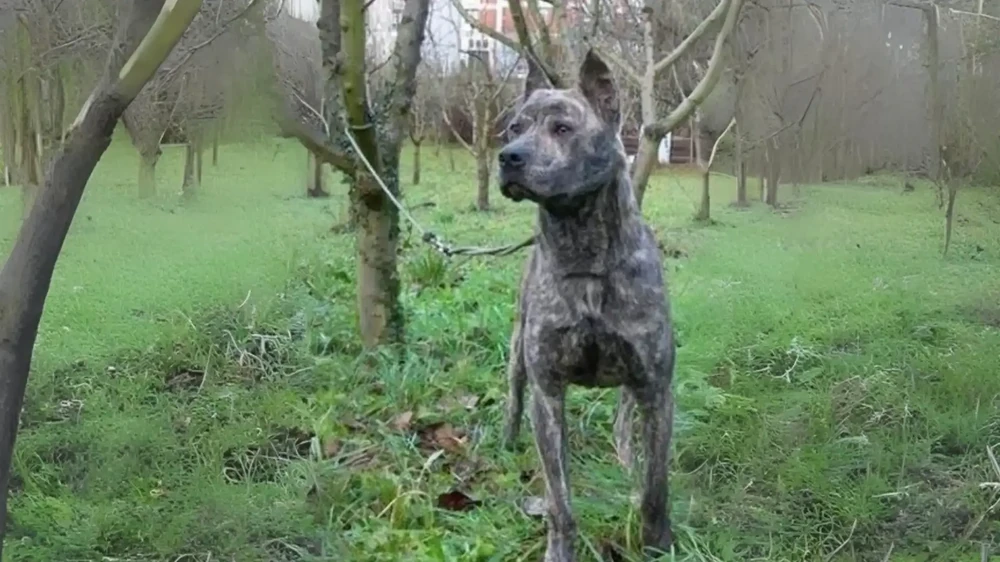
Descriptions of the Villano often emphasise that it can be a good guardian and steady working partner, while still being workable in a familiar, rural family setting.2 Even so, it helps to think in terms of tendencies rather than promises. Individual dogs vary, and early experiences make a real difference.
A common misunderstanding is that a protective breed automatically needs harsh handling. In reality, dogs that are quick to notice change in their environment often do better with clear routines and calm training. Heavy correction can create conflict, and conflict is rarely a good foundation for a strong, powerful dog.
If you are considering the Villano in a suburban home, be honest about the match. This is not just about space, but about daily life: visitors coming and going, other dogs on footpaths, and whether you can provide safe outlets for drive and energy.
Training and exercise: building steadiness, not just obedience
With working breeds, training is less about tricks and more about building a dog that can settle, focus, and recover after excitement. Aim for a pattern of short sessions, frequent reinforcement for calm behaviour, and plenty of controlled exposure to the wider world while the dog is young.
Early socialisation is particularly important. Done well, it is not flooding a pup with attention from everyone. It is gentle, planned exposure, paired with safety and distance, so the dog learns that novelty does not require a big response.
Exercise should be daily and purposeful. Many dogs in this general working category thrive on a mix of:
- long-line walks with sniffing and exploration
- structured play that ends calmly
- basic strength and body awareness work (low jumps, balance, controlled climbs)
- training games that build impulse control
Watch-outs: intense repetitive exercise in young dogs can be unhelpful, particularly for large breeds that are still developing joints. If you are unsure what is appropriate for your dog’s age and build, a vet or qualified canine rehab professional can help you plan it.
Health considerations: what to watch, and how to stay proactive
Because the Villano is relatively uncommon, public health data for the breed is limited. Even so, it makes sense to keep an eye on issues that show up across many medium-large working dogs, particularly hip dysplasia.
Hip dysplasia is a developmental condition that involves laxity and poor fit of the hip joint, which can contribute to pain and arthritis over time.4 Signs can include hind-end lameness, stiffness, a “bunny hop” gait, and reluctance to rise or jump.3
What helps most: maintaining a lean body condition is one of the most effective, practical ways to reduce stress on joints and support long-term comfort.4 If you are buying a puppy, ask what hip screening is done in the breeding stock and what records you can see.
For any concerns about movement, stamina, or pain, do not wait it out. Early assessment can make a major difference, whether that means adapting exercise, treating discomfort, or investigating further with imaging.
Grooming and everyday care
The coat is usually straightforward: occasional brushing, extra attention during seasonal shedding, and the usual basics like nails, ears, and teeth. Where many owners get caught out is not the coat, but the lifestyle management.
Working breeds often cope best when life is predictable. That can look like:
- consistent boundaries around doors, fences, and visitors
- daily decompression time outdoors, where the dog can sniff and move
- training that rewards calm choices, not just high drive
If heat is a factor where you live, be conservative. Short-coated working dogs can still overheat quickly during hard exercise, especially if they will push through discomfort. Provide shade, water, and adjust activity to cooler parts of the day.
Feeding: supporting a lean, athletic body
Nutrition for an active, powerful dog is less about chasing trends and more about feeding the dog in front of you. The World Small Animal Veterinary Association (WSAVA) guidelines emphasise practical nutritional assessment and tailoring the diet to the individual, including monitoring body condition and adjusting intake as needed.5
A few grounded habits help:
- choose a complete and balanced diet appropriate for the dog’s life stage
- measure food, then adjust based on body condition, not the packet alone
- keep treats in the budget, especially during training phases
- check weight and body condition regularly with your vet
If you are unsure: bring the food label and your dog’s current routine to a vet appointment. A short conversation can prevent months of slow weight gain that you only notice once joints start complaining.
Final thoughts: who this breed tends to suit
The Villano de las Encartaciones is easiest to live with when its working background is taken seriously. In the right hands, that can mean an impressive, steady dog with the stamina to match an active life and the presence to make you feel that nothing much will slip past unnoticed.
It is rarely an ideal choice for a first dog, and it is not a set-and-forget pet. If you enjoy training, have the space and time for daily exercise, and value thoughtful management over quick fixes, the Villano can make a lot of sense. If what you really want is an easygoing companion who will fit around a busy schedule, it may be kinder to choose a breed with lower working drive.