

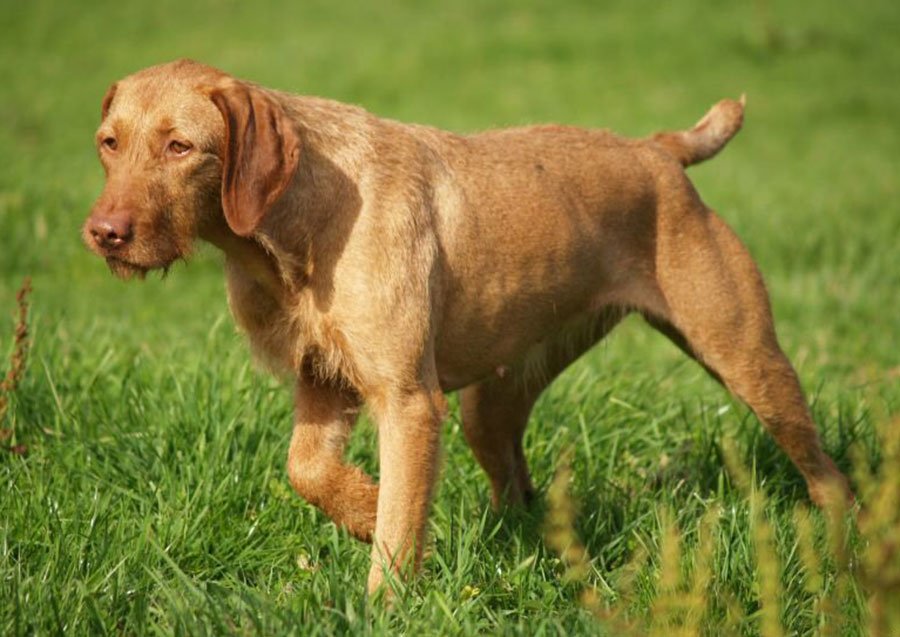
You usually do not start wondering about Vizslas because you read a breed standard. It tends to happen after you meet one at the park that seems to be everywhere at once, then at home on the couch, then back at your feet the moment you stand up. Or you see the same rust-coloured dog running for kilometres beside a cyclist, then quietly watching the world from a cafe table like it has been doing that forever.
That mix of athleticism and closeness can be surprising. People often assume a “sporting” dog will be independent, or that a velcro-style companion will be low-energy. With Vizslas, both things can be true at the same time, which is why they suit some homes beautifully and overwhelm others.
Understanding the Vizsla is mostly about noticing what the breed was built for: long days of moving, searching, thinking, and staying connected with a person. Once you see that, the day-to-day care choices become clearer, from exercise and training to how much company they genuinely need.
Quick breed snapshot
Breed group: Sporting (gundog type)
Origin: Hungary
Size: Medium, athletic build
Coat: Short-haired or wire-haired, typically golden rust
Energy: Very high, needs daily physical and mental work
Typical lifespan: Around 12 to 15 years (many sources cite 12 to 14 years as common)1, 2
History and origin
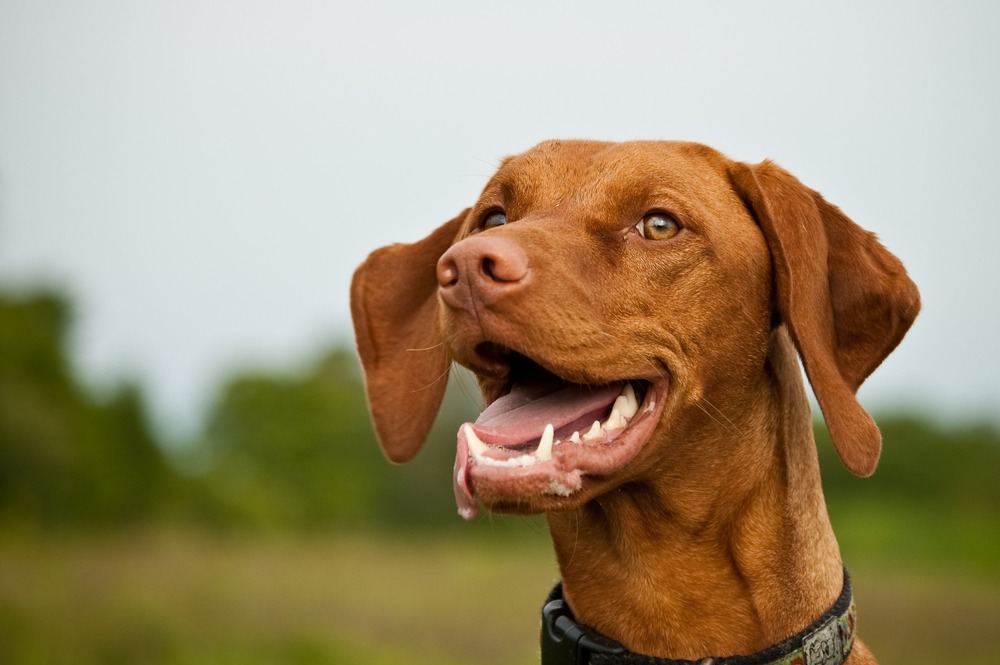
The Vizsla is widely associated with Hungary’s long tradition of hunting dogs, developed to work closely with people across varied terrain. In practical terms, that heritage shows up today as a dog that tends to stay aware of where you are, even while it is busy doing something else.
Breed descriptions often emphasise the Vizsla as an all-purpose gundog, valued for scenting, pointing, retrieving, and a willingness to work in water. That versatility matters because it helps explain why many Vizslas do best when their days include more than a simple lead walk. They often cope better when they have a job, or at least a plan for how to use their brains and bodies.3
Physical characteristics
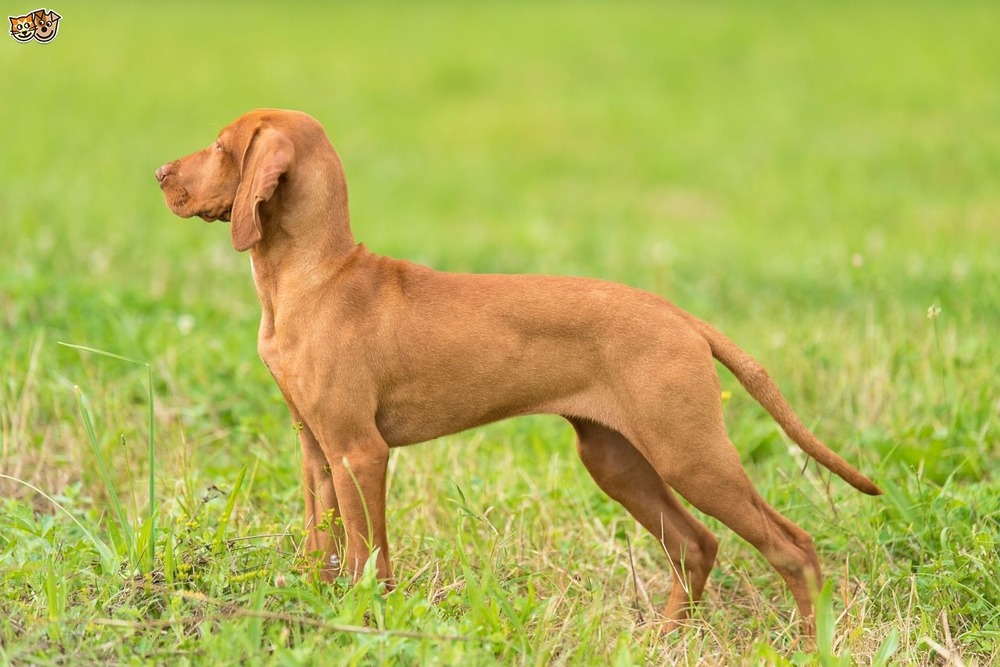
Vizslas are medium-sized dogs with a clean, muscular outline rather than a bulky one. Adults are commonly described around the low-to-mid 50 lb range, with males often taller and heavier than females, although individual dogs can sit outside the “typical” window depending on lineage and conditioning.1, 2
The best-known coat is the smooth, short version in a golden rust shade. The wire-haired variety has a denser, harsher coat texture intended to offer more protection in rough conditions. Both varieties are generally “easy care” compared with long-coated breeds, but they are not no-maintenance. They still shed, they still track in mud, and they still benefit from regular handling so grooming stays normal rather than a wrestling match.
If you are researching tails, it is worth knowing that cosmetic tail docking is widely prohibited in Australia, with docking generally limited to genuine therapeutic reasons performed by a veterinarian. Many Vizslas in Australia will have natural tails, and that is normal and expected.4, 5, 6
Temperament and behaviour
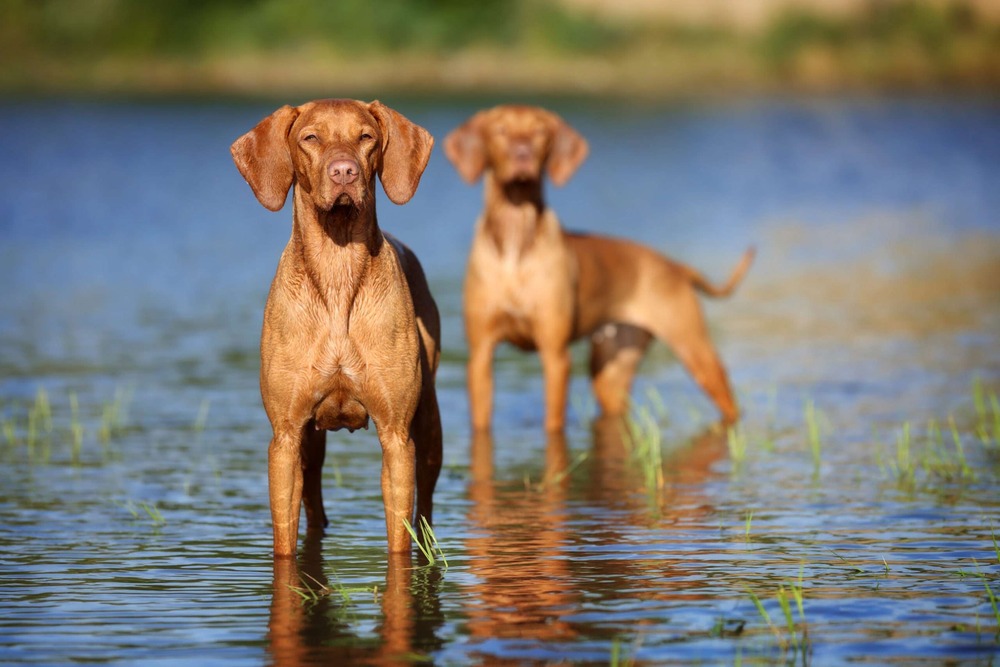
People often describe Vizslas as “velcro dogs”. It is a useful shorthand, as long as it is taken seriously: many Vizslas prefer to be within reach of their person much of the time. That does not automatically mean separation anxiety, but it does mean that long, lonely days can be harder for this breed than for some others.
They are commonly characterised as lively, intelligent, sensitive, and affectionate, and they tend to respond best to calm, consistent handling rather than heavy corrections. Sensitivity here is less about “softness” as a personality label, and more about how quickly they can notice changes in tone, routine, and environment.3
With children and other pets, many Vizslas do well when the household is set up thoughtfully. Their enthusiasm can be a lot, particularly in adolescence, so success often depends on teaching the dog how to settle, and teaching kids how to interact safely, especially around food, toys, and resting spots.
Training and exercise needs
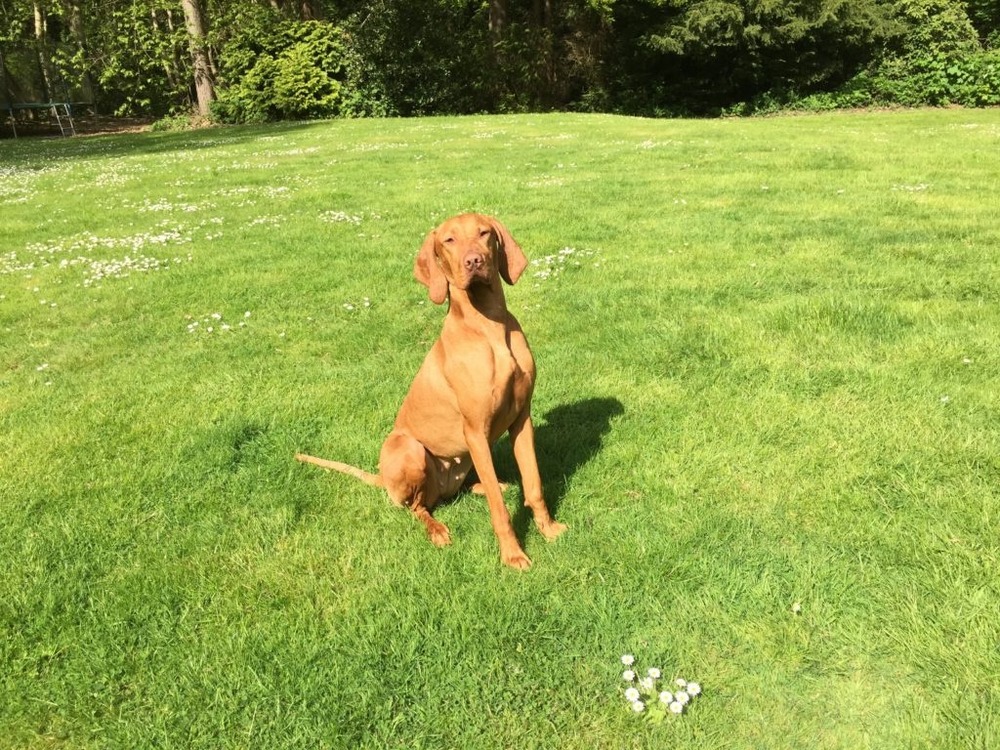
Exercise is not only about burning energy. For a Vizsla, it is also about regulation. When they get enough appropriate movement and enrichment, many become noticeably easier to live with. When they do not, the same intelligence that makes them trainable can turn into creative problem-solving you did not ask for.
Early socialisation and reward-based training tend to suit the breed well. Keep sessions short and frequent, build reliability around recall and lead manners, and practise calm behaviours such as settling on a mat. Those “boring” skills matter in a dog that can happily run for an hour and still look for the next thing to do.
For day-to-day activity, aim for a mix of:
- steady walks with time to sniff
- free running in safe, legal areas
- structured games such as fetch, scent work, or training drills
- low-impact options like swimming (with supervision)
If you have a growing puppy, avoid the trap of thinking “more is always better”. Australian welfare guidance for exercise notes that over-exercising puppies can affect musculoskeletal development, and that larger breeds can keep growing well into late adolescence.7
Health and lifespan

Vizslas are often described as generally healthy, with many living into their early teens. Even so, “healthy breed” never means “no risk”. It means you choose breeders carefully, keep your dog lean and fit, and stay alert to problems early rather than waiting for them to become chronic.1, 2
Hip dysplasia is one condition that can affect many medium to large breeds. It is a developmental disorder linked to joint laxity and later osteoarthritis, with both genetic and environmental influences. In plain terms, good breeding matters, but so does sensible growth, weight management, and appropriate exercise, especially while young.8
It is also sensible to talk with your vet about any family history of seizures, as epilepsy is discussed in breed circles and general breed profiles. If your dog ever has an episode that looks like a seizure, treat it as a medical issue and book an appointment promptly.
When you choose a puppy, ask what health screening has been done and why. The best conversations are specific: what tests, what results, what relatives, what was the plan if something came back borderline?
Grooming and everyday maintenance
Vizslas are often called low-grooming, and compared with long-coated breeds that is fair. Still, it helps to think of grooming as “body care” rather than “beauty”. A weekly brush (more during seasonal shed) can reduce loose hair, and regular checks help you spot skin irritation, grass seeds, or ear issues early.
Wire-haired Vizslas may need occasional coat tidying to maintain texture. If you are unsure, a groomer experienced with wire coats can show you what is appropriate, and what is just cosmetic trimming.
Dental care is the part many owners mean to do and then forget. The most reliable routine is simple: brush with dog-safe toothpaste, starting slowly and building tolerance. If brushing daily is not realistic, doing it a few times a week is still better than doing nothing, and it can make a real difference over time.9
Diet and nutrition
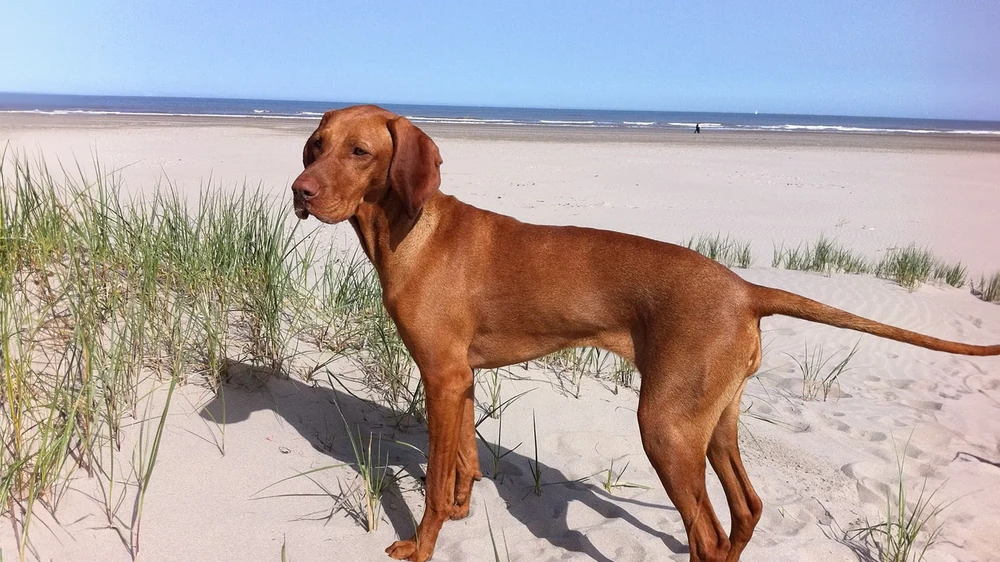
Most adult Vizslas do well on a complete and balanced diet matched to their life stage and activity level. Because they are often very active, it is easy to overestimate how much food they need, especially if treats are generous during training. Keeping a Vizsla lean is not about aesthetics, it is one of the most practical ways to protect joints and maintain long-term comfort.
If you are choosing between foods, ingredient lists can be misleading. International veterinary guidance encourages owners to look beyond marketing and use more meaningful checks, such as whether the diet is complete and balanced, whether the company has appropriate expertise and quality control, and whether the food suits your individual dog’s needs.10
If you are unsure, your vet can help you assess body condition and adjust portions. For many Vizslas, that ongoing adjustment matters more than finding a single perfect food.
Living with a Vizsla, what tends to make it work
Vizslas can be wonderful companions for people who genuinely enjoy active routines and close dog company. They are often at their best when the household has rhythm: planned exercise, planned rest, and clear boundaries that are taught kindly and consistently.
A few practical patterns that help:
- teach an “off switch”, practise calm settle time every day
- rotate enrichment (sniffing games, training, chew time) so exercise is not the only outlet
- build gradual alone-time skills if you will ever need to leave the dog at home
- choose activities that match the dog in front of you, not just the breed stereotype
Final thoughts
A Vizsla is not simply a dog that needs more exercise. It is a dog that tends to need more connection, more purpose, and more thoughtful structure than many people expect from a sleek, easy-care coat and a gentle face.
If you can offer daily movement, training that feels like a shared project, and a home where the dog is included rather than parked outside its own life, the breed’s best qualities have room to show up. If you cannot, it does not make you a bad owner. It usually just means a different kind of dog will fit more comfortably.
References
- American Kennel Club, Vizsla dog breed information
- Purina, Vizsla breed information (height, weight, energy, lifespan)
- The Kennel Club (UK), Vizsla breed standard (via Hungarian Vizsla Society)
- NSW Department of Primary Industries, Tail docking of dogs in NSW
- Business Queensland, Queensland’s ban on docking dogs’ tails
- Agriculture Victoria, Prohibited procedures on dogs (including tail docking)
- RSPCA Pet Insurance, Safely exercise your dog or puppy
- Merck Veterinary Manual (Pet Owner Version), Hip dysplasia in dogs
- Pet Circle, Dental care for dogs (toothbrushing guidance)
- WSAVA, Global Nutrition Guidelines