

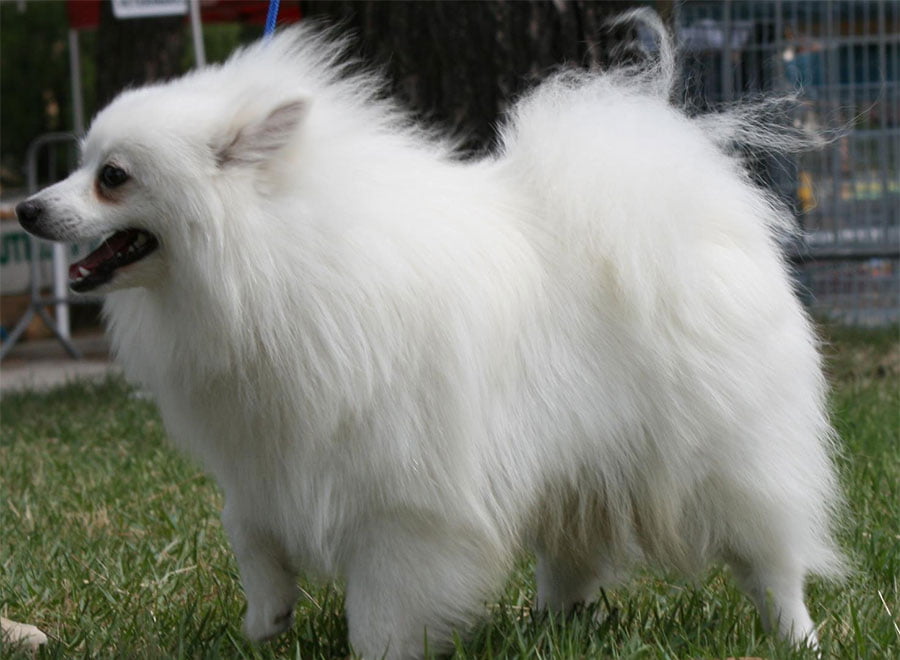
People often first notice a Volpino Italiano in a photo or out on a walk, then do a double take. It has that fox-like outline and a cloud of coat that can look bigger than the dog itself. And because they are rare outside Italy, it is not always obvious what you are looking at, or what living with one is really like.
What tends to surprise new owners is that the Volpino is not just a decorative “fluffy small dog”. It is a true little spitz with an alert, watchful streak. That can be a delight in the right home, and a lot of noise in the wrong one. Understanding that balance is what makes the difference between “gorgeous companion” and “why are we all so tired”.
Below is a grounded look at the breed’s background, temperament, and day-to-day care, with the kind of details that matter once the novelty wears off and real life begins.
At a glance: the Volpino Italiano
Breed type: Companion and watchdog “alarm” dog, spitz type.1, 2
- Origin: Italy.1, 2
- Size: Small, typically around 25 to 30 cm at the withers.2
- Coat: Long, stand-off double coat.
- Common colours: White and red are classic, other colours may be recognised depending on the standard used.2
- Typical lifespan: Often into the mid-teens with good care.
- Big things to know early: barking can be a feature, coat care is regular rather than occasional, and early socialisation matters.
Early development and cultural significance

The Volpino Italiano sits within the European spitz family. Breed histories are often a mix of documentation and storytelling, but the broad picture is consistent: small, upright-eared spitz dogs have been present in Europe for a long time, and the Volpino became a distinctly Italian expression of that type.1, 2
In Italy, the Volpino was kept both in grand homes and in everyday working settings, valued for companionship and for being an attentive “announcer” when something changed around the property. That watchfulness is still visible today. Many Volpini will notice movement outside a window before you do, and they are rarely shy about reporting it.
You will sometimes see claims that Michelangelo owned a Volpino. This story appears in Italian breed material and is part of the breed’s cultural lore, but like many historical pet-attribution tales, it is difficult to prove to modern standards.1
What the standards tell you (and what they do not)
Breed standards are mainly about appearance and structure, not “guaranteed personality”. Still, they help set expectations. The FCI places the Volpino Italiano in Group 5 (Spitz and primitive types), European Spitz, and lists Italy as the country of origin.2
That spitz heritage often shows up as quick pattern-learning, a tendency to be vigilant, and a preference for routines. Those traits are not “good” or “bad”, they just need to be guided.
Looks, coat, and the practical reality of grooming
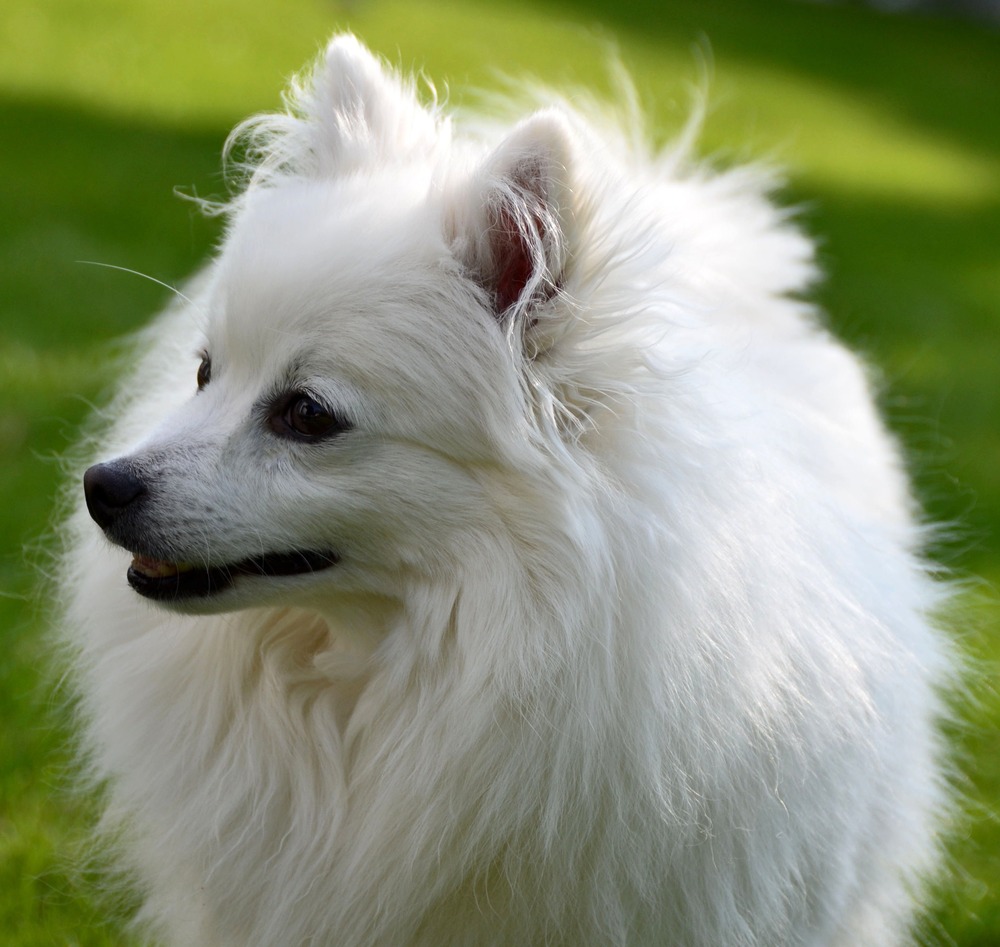
The Volpino’s coat is the headline feature: long, dense, and designed to stand away from the body rather than lie flat. In practice, this means the coat can trap debris and form knots, especially behind the ears, in the armpits, and around the collar area.
Most households do best with a steady rhythm instead of occasional “big grooms”. Aim for a thorough brush a few times a week, with gentle detangling as you go. If you wait until you can see mats, the grooming becomes uncomfortable and much harder to keep positive.
It is also worth remembering that coat care is not only cosmetic. Regular brushing helps you notice skin issues early, and it can reduce how much loose coat ends up on your clothes and furniture.
A simple grooming kit that covers most needs
- A slicker brush and a metal comb for checking your work
- A detangling spray for stubborn areas
- Nail clippers (or a grinder) and styptic powder
- Dog-specific shampoo used sparingly
If you are unsure what to buy, a groomer can often recommend tools that suit your dog’s coat texture, which can vary a little from one Volpino to another.
Temperament and family suitability

Volpini are typically lively, people-focused dogs. They tend to enjoy being near their humans, following activity through the house, and participating in whatever counts as “the day” in your household. With that comes a common spitz preference: they like to know what is happening.
For many owners, the biggest adjustment is vocalisation. This breed is widely described as alert, and alert dogs often bark. If you live in an apartment or close to neighbours, it is sensible to assume you will need a plan for barking from day one, rather than hoping it will not show up.
With children and other pets, outcomes are usually best when the dog is socialised early and interactions are supervised and respectful. Small dogs can be physically vulnerable in busy homes, so the goal is a household routine that protects the dog from being grabbed, stepped on, or overwhelmed, especially during the puppy months.
Homes where the Volpino often thrives
They can do well with singles, families, and older people, so long as their needs are met. A good match usually includes:
- consistent daily walks and a bit of training as part of normal life
- people who enjoy a “chatty” dog or are prepared to train for quiet
- regular grooming, not just before special occasions
Training and exercise: channelling a bright, watchful dog

Volpini are often quick learners, but they can also become quick rehearsers of habits you did not intend to teach. If barking gets a response, it may repeat. If jumping up earns laughter, it may repeat. The practical skill is not “being strict”, it is being consistent.
Reward-based training is widely recommended by animal welfare organisations and the veterinary profession because it is humane and effective, and it supports a strong human-animal bond.4, 5
Exercise needs are usually moderate, but the dog’s mind often wants as much engagement as the legs do. Two shorter walks can work better than one long one, especially if you add sniff time, a few basic cues, and a quick game at home.
Early socialisation, done thoughtfully
Puppies benefit from calm, positive exposure to everyday life, including surfaces, sounds, visitors, and safe dogs. The RSPCA notes a critical socialisation window in early puppyhood, which is one reason well-run puppy classes can be so useful.6
Health considerations and what to watch for
No breed is “health-proof”, and in small dogs it is sensible to keep an eye on knees, teeth, and weight across life.
Patellar luxation (a kneecap that slips out of place) is one of the more common orthopaedic conditions seen in dogs, particularly smaller breeds. Signs can include an intermittent skip, sudden hindlimb lameness, or a leg that pops up for a few steps and then seems normal again.3
Eye issues are sometimes mentioned in breed discussions, but the specific condition matters. If you are choosing a breeder, ask what eye testing they do and what problems they have seen in their lines. If you already own a Volpino, regular veterinary checks help pick up subtle changes early.
Choosing breeders and screening with care
When a condition has a genetic component, the long view matters. The ACVS notes evidence that patellar luxation is at least partly genetic, and affected dogs should not be bred.3
Feeding and weight: keeping a small dog lean
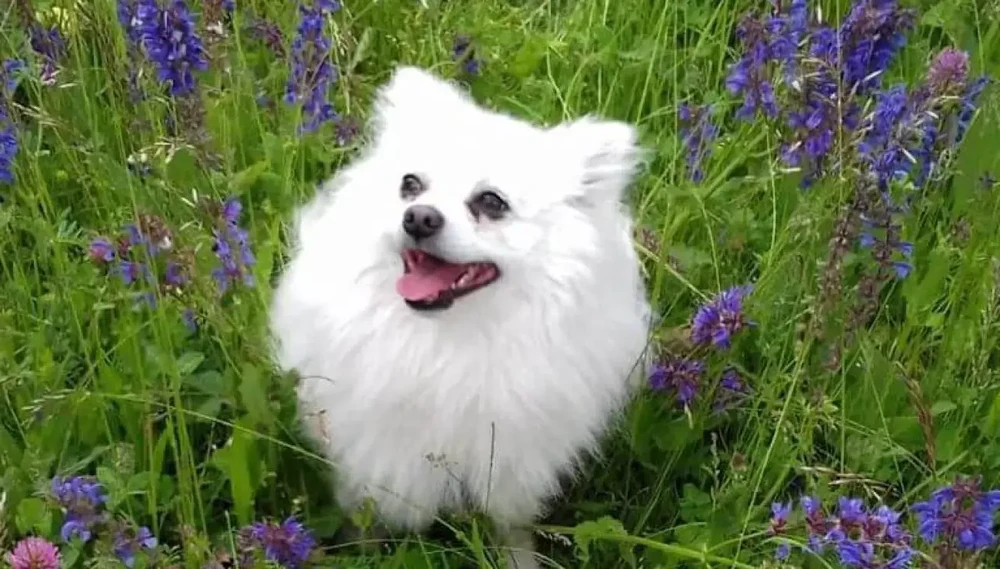
Small dogs can gain weight quickly, especially when training treats, leftovers, and “just a little bit” become part of daily life. Rather than fixating on a number on the scale, use body condition as your guide. The WSAVA provides body condition score tools that veterinary teams use to assess fat stores and tailor feeding advice.8
The RSPCA also emphasises that feeding amounts vary with age, size, and exercise, and that your vet can help assess body condition and adjust portions.7
If you feed extras, treat them like part of the daily ration. A Volpino does not need many calories to feel “well fed”, and staying lean is one of the kindest long-term health choices you can make.
Foods to avoid
Even experienced dog owners can be caught out by everyday human foods. The RSPCA lists a range of toxic foods for dogs, including grapes and raisins, onions and garlic, and chocolate, among others.7
Dental care: the small-dog issue people forget

In many small breeds, dental disease creeps up quietly. Bad breath is often the first clue people notice, but by then there can already be gum inflammation. If you build tooth care into routine early, it is usually easier for both dog and owner.
Veterinary organisations commonly recommend daily home dental care between professional cleanings, and gradual conditioning so the dog learns to accept mouth handling without stress.9
If brushing is new, go slowly. Start with brief lip lifts and gentle touches, then introduce dog toothpaste, and only later add a brush. The goal is calm repetition, not wrestling through a full clean on day one.
Living well with a Volpino
A Volpino Italiano suits people who enjoy an engaged little companion and who do not mind putting real effort into training, especially around barking and greetings. They are often affectionate and entertaining, but they are not background dogs.
If you meet their needs, the reward is a small, bright companion who tends to stay closely connected to household life. Not because it is trying to “run the show”, but because it has been shaped for centuries to notice, to accompany, and to alert.
References
- ENCI: Volpino Italiano (breed information)
- FCI: Volpino Italiano (No. 195) breed listing and standard publication details
- American College of Veterinary Surgeons: Patellar Luxations
- RSPCA Pet Insurance: Positive reinforcement training
- RSPCA ACT: Reward-based dog training
- RSPCA Pet Insurance: Essential dog care information (includes socialisation period)
- RSPCA Knowledgebase: What should I feed my dog?
- WSAVA: Global Nutrition Guidelines (Body Condition Score tools)
- Oregon Veterinary Medical Association: Home dental care for pets