

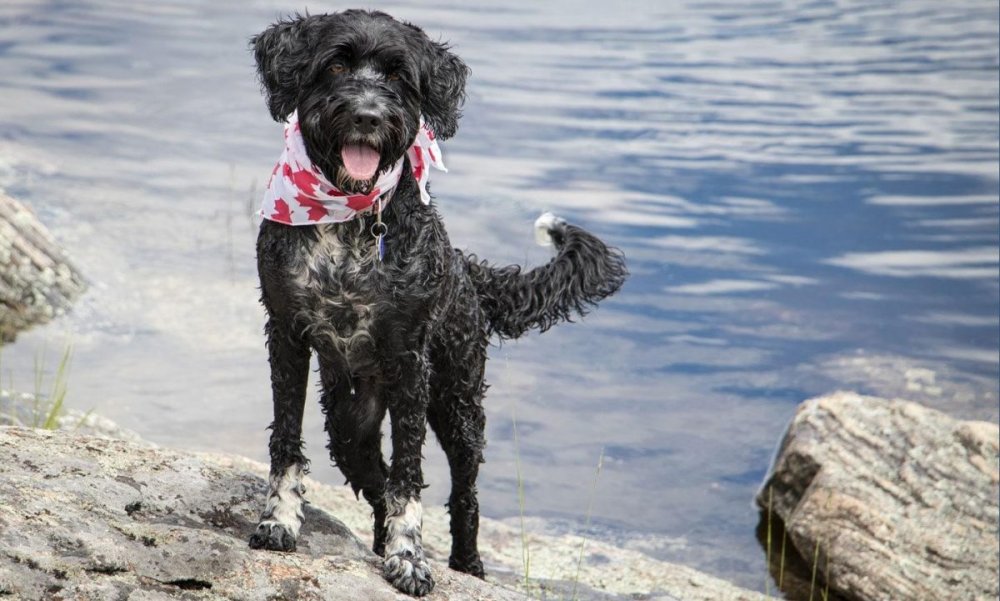
Most people arrive at “water dog breeds” in a very ordinary way. You notice your dog making a beeline for every puddle, dam, creek, or hose, or you meet a dog at the beach who seems to move through water like it was built for it. It can look like pure enthusiasm, but there is usually something practical underneath it: bodies shaped for swimming, coats that cope better with wet weather, and a long history of working alongside people in and around water.
It is also easy to assume that any dog that likes a swim is a “water dog”. Plenty of dogs enjoy water sometimes, but true water breeds were selected for specific jobs, such as retrieving from cold water, working close to boats, and moving efficiently through chop and current. That heritage still shows up today in training needs, grooming routines, and even the kinds of health niggles owners run into.
If you are considering one of these breeds, or you already live with one, it helps to look past the cute wet-dog moments and understand what keeps them settled. For many water dogs, time in water is only part of the picture. The rest is exercise, mental work, and everyday care that supports an active, people-oriented dog.
History and origins of water dog breeds
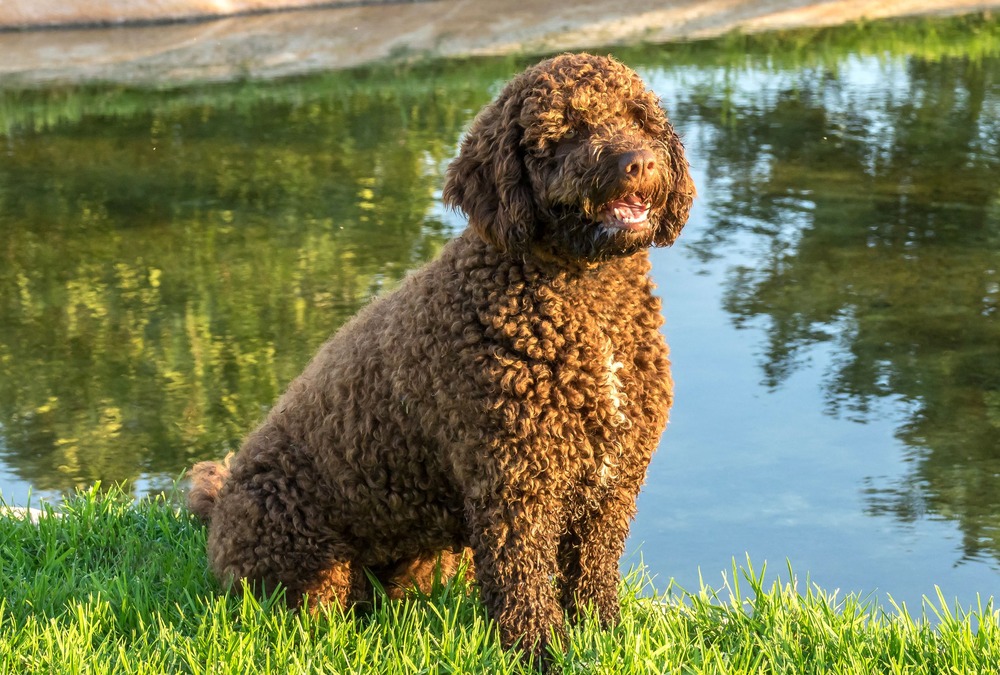
Across Europe and the North Atlantic, working communities relied on dogs that could swim strongly, cope with rough weather, and stay responsive at a distance. In coastal Portugal, for example, the Portuguese Water Dog developed along the Algarve and wider coastline, where dogs were used to herd fish towards nets, retrieve lost gear, and carry messages between boats or from boat to shore.1, 2 In Newfoundland, medium-sized “water dogs” worked around fishing boats and lines, and those dogs later influenced several retriever breeds, including the Labrador Retriever.3, 4
It is worth remembering that “water dog” is not a single tidy category. Some breeds were shaped for boat-side utility work, others for hunting and retrieving, and others again for marshes and wetlands. What they share is a practical set of traits that made the job safer and more efficient for humans and dog alike.
Working roles that still matter today
Those original roles echo into modern life. A dog bred to work near fishermen tends to be comfortable with movement, noise, and activity, and often expects regular engagement from their people. A retriever type often carries a strong drive to pick things up and bring them back. When owners understand that the behaviour has a function, it becomes easier to manage it kindly and constructively, rather than trying to “train it out”.
What makes a dog good in water
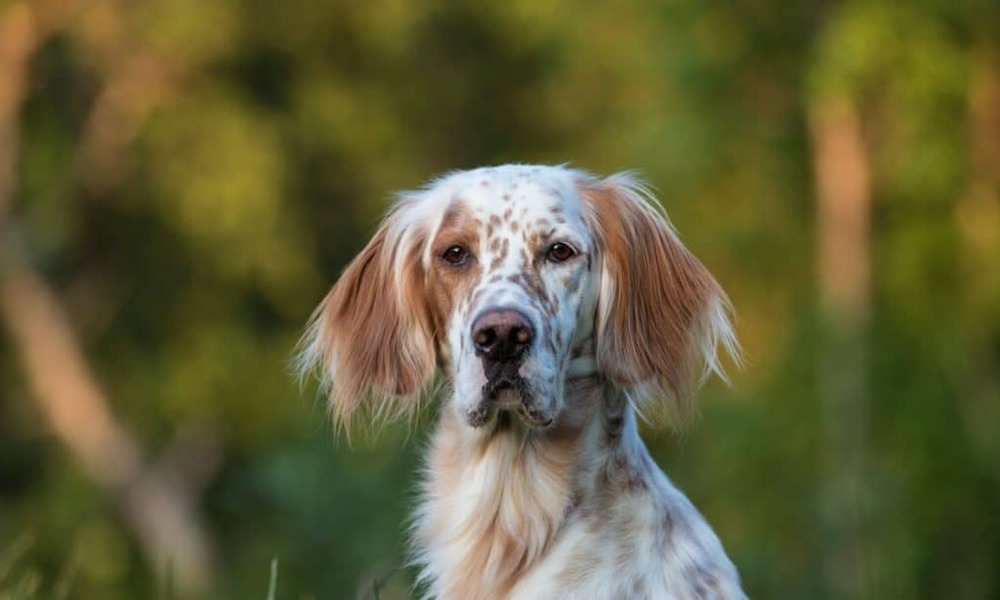
Water-friendly structure is usually a collection of small advantages rather than one magic feature. Many water breeds have a weather-resistant coat of some kind, from a dense double coat (common in retrievers) to a curly or wavy coat that sheds less and holds warmth differently (seen in the Portuguese Water Dog).2, 4
You will often hear people mention webbed feet. Some dogs do have more noticeable skin between the toes, and it can help with propulsion, but it is not a guarantee of ability or safety. Swimming competence still depends on conditioning, confidence, and supervision, especially in surf, rivers, or cold water.
Tails and body shape matter too. A strong tail can help with steering, and a balanced, athletic build can make sustained swimming easier. In practice, these dogs often look “made for it” when they move through water, because they are working with their structure rather than fighting it.
Temperament and behaviour you might notice at home
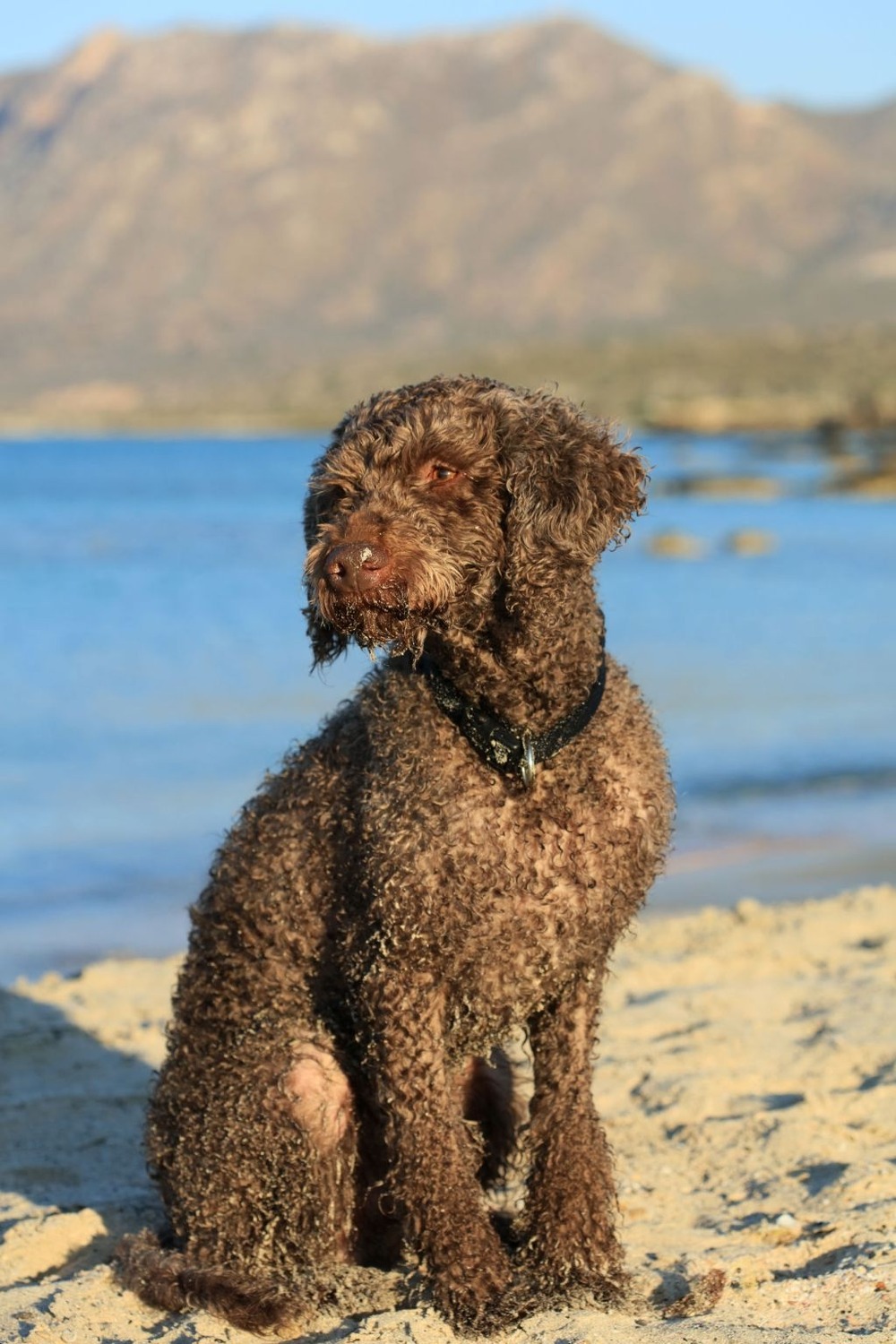
Many water dogs are people-focused, quick to learn, and happiest when they have a job, even if that “job” is carrying a toy on a walk or practising a few cues in the backyard. With breeds like Labradors and Portuguese Water Dogs, a common theme is high trainability paired with enough energy to get themselves into trouble if their day is too empty.2, 4
In family settings, this often looks like a dog that wants to be where the action is. Some are naturally steady. Others can be bouncy, mouthy, or overly enthusiastic, particularly as adolescents. That does not mean they are “naughty”. It usually means they need clearer routines, more appropriate outlets, and reward-based training that builds impulse control.
With other animals, many water breeds can do well, but early socialisation and thoughtful introductions still matter. Retrieving and chasing instincts can show up around wildlife at waterways, and in some individuals around cats or small pets. Management is not a failure. It is just part of living well with an active dog.
Training and exercise, beyond just swimming
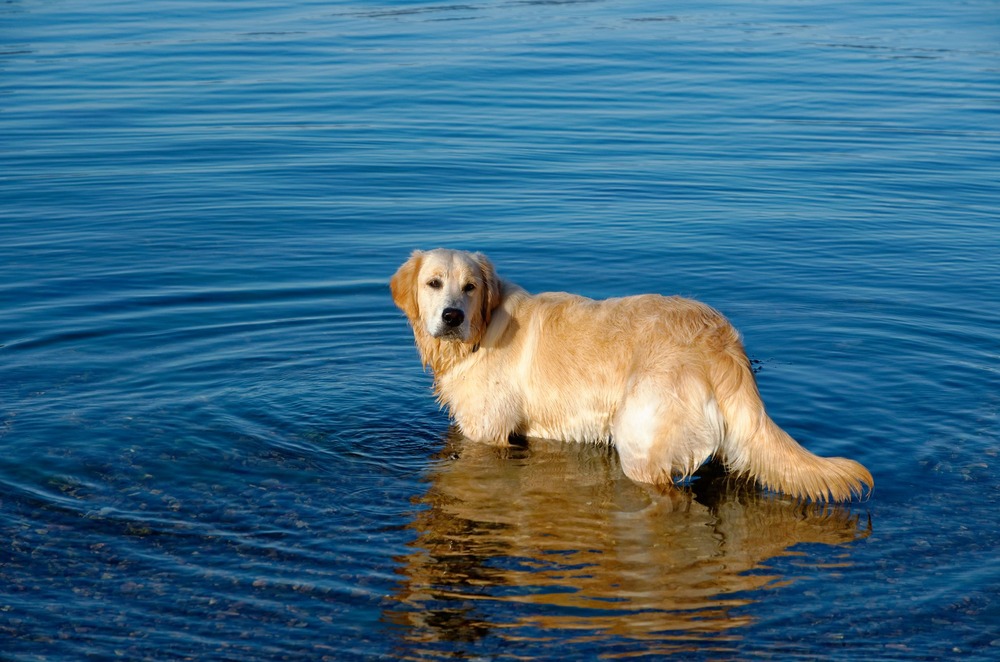
Swimming is wonderful exercise, but it is not a complete plan on its own. Many water dogs need a mix of aerobic activity, strength, and thinking work. The most sustainable approach is usually short daily training, plus varied movement: walking, sniffing, retrieving, and free running where safe and legal.
Reward-based methods tend to suit these breeds well, especially when training is broken into small, clear steps and reinforced with food, play, or access to something the dog wants (like a controlled retrieve or a quick splash). Keeping sessions short helps prevent boredom, and it also reduces the risk of practising sloppy behaviour when the dog is tired.
Water activities that build skills safely
If your dog loves swimming, structure it a little. That can mean practising a recall away from the water, asking for a pause before launching in, or limiting high-impact repetitive jumps. Calm, predictable routines reduce risk and help the dog stay responsive, even in exciting environments.
- Choose safer entry points, avoid strong currents and heavy surf.
- Rinse after chlorine or salt water, then dry well, especially the ears and skin folds.
- Watch for fatigue, cold stress, or frantic swimming, and end sessions early if you see it.
Health considerations for water-loving dogs
Water dogs are often robust, but their lifestyle creates a few predictable issues. The big one is ear trouble. Dog ear canals are L-shaped, which makes drainage difficult, and inflammation can reduce airflow further. Moisture, trapped debris, and underlying allergies can all contribute to otitis externa, which is why dogs that swim frequently often need regular ear checks and prompt attention to head shaking, odour, redness, or discharge.5
Orthopaedic conditions also matter in active breeds, particularly where there is a family history of hip or elbow dysplasia. This is less about water itself and more about the overall load of activity across the dog’s life. Sensible conditioning, weight management, and avoiding repetitive high-impact leaps can all help.
Lifespan varies by breed and individual, but many medium to large water breeds sit in the broad range of around a decade or more. What makes the biggest day-to-day difference is not a special supplement or a perfect routine. It is consistent basics: appropriate exercise, dental care, parasite prevention, and vet check-ups when something changes.
Grooming and maintenance after swims
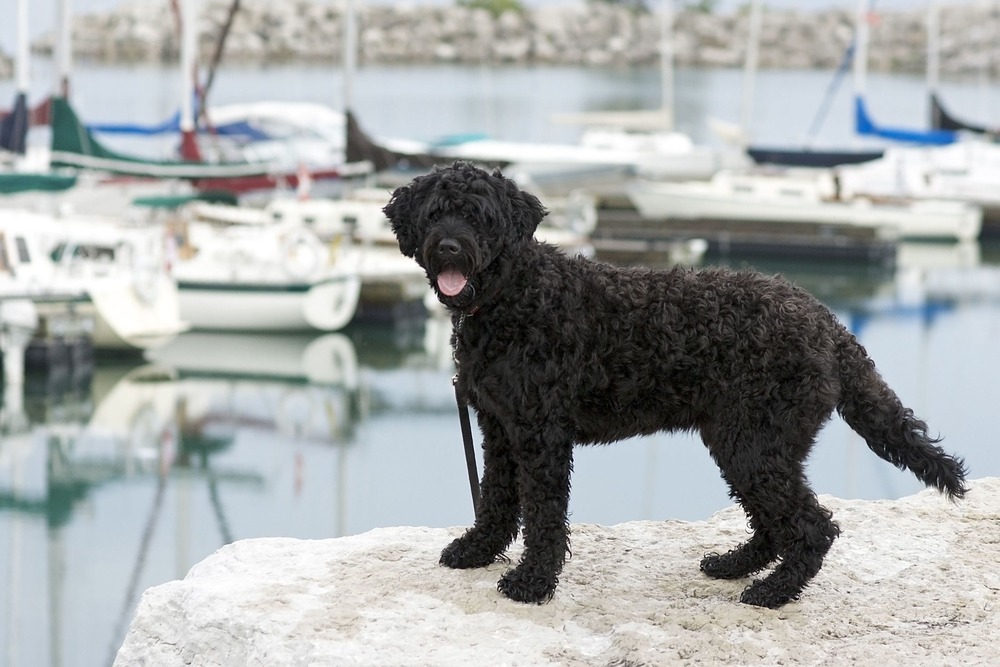
Coat care depends heavily on coat type. Curly and wavy coats can mat if they are repeatedly wet and left to air-dry without brushing. Dense double coats can hold moisture close to the skin, especially in humid weather, and can trap sand or plant material after a day at the beach.
A practical routine is often better than an ambitious one. Rinse the coat after salt or chlorinated water, towel dry thoroughly, and brush before the coat fully tangles. For many households, the ear routine becomes the non-negotiable part: check, dry, and speak to your vet before using any drying or cleaning product, especially if your dog has had infections before.5
Diet and nutrition for an active water dog
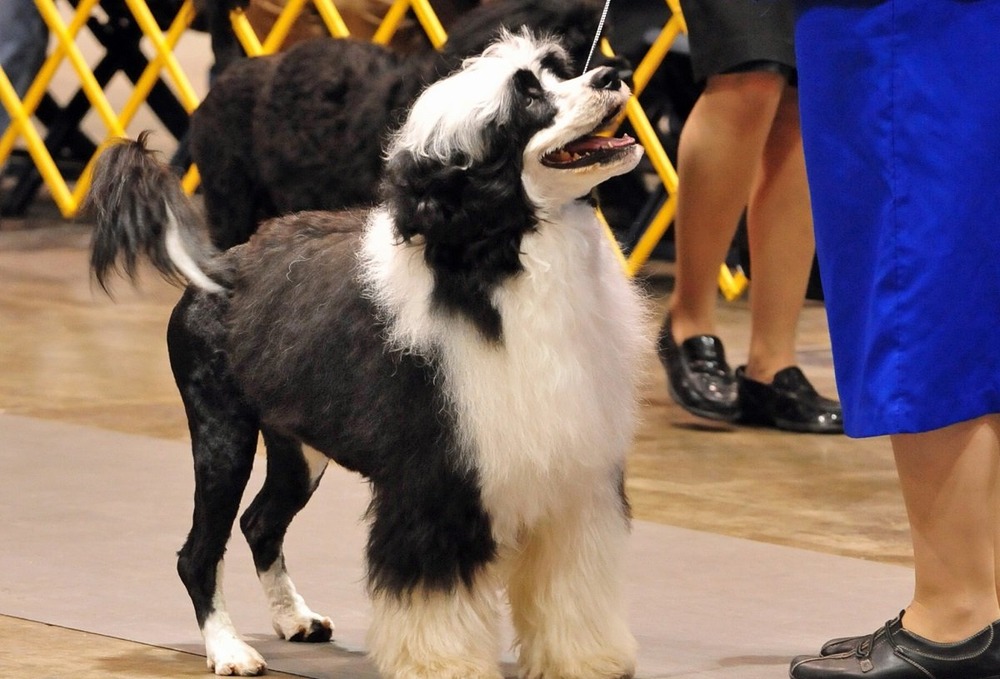
Active dogs need adequate protein, essential fats, and enough total energy to maintain a healthy body condition. The most reliable anchor is a complete and balanced diet that suits your dog’s life stage and health needs, then adjusting portions based on body condition rather than the packet alone. If your dog is training a lot, it is easy for treats to quietly become a large part of daily intake.
A widely used guideline is to keep extras, including treats and human food, to no more than 10 percent of daily calories, so the bulk of nutrition still comes from a balanced food.6, 7
It also helps to be very clear about what is unsafe. Common toxic or high-risk foods for dogs include chocolate, grapes and raisins, onions and related alliums, and xylitol, plus hazards like cooked bones that can splinter.8, 9
Small details that make life easier
People often pick a water breed because they picture weekend swims and long beach walks. The happy version of that life usually depends on quieter, less glamorous habits during the week: a consistent recall, comfort being handled, calm waiting at gates and car doors, and the ability to settle indoors when nothing is happening.
If you are choosing between breeds, it is worth looking at the original work they were built for. A dog bred to retrieve for hours in cold water may not be satisfied with a quick paddle once a week. A dog bred to work close with people may cope poorly with long days alone, even if they have a big yard. Match the dog to your week, not just your best days.
Final thoughts
Water dog breeds can be a joy to live with, especially for people who enjoy training, getting outdoors, and building a routine around movement. Their best qualities tend to show up when their needs are met in ordinary ways: enough exercise, enough engagement, thoughtful boundaries, and care that respects their coat and ears.
If your dog already loves the water, you do not need to turn every swim into a project. A little structure and a little prevention go a long way, and they help keep the fun parts fun.
References
- Portuguese Water Dog (overview and working history)
- American Kennel Club: Portuguese Water Dog history and traditional jobs
- St. John’s water dog (historical Newfoundland water dog and retriever ancestry)
- Labrador Retriever (origin and development from Newfoundland dogs)
- American College of Veterinary Surgeons: Otitis externa in dogs
- UC Davis Veterinary Medicine: Treat guidelines for dogs (10 percent rule)
- AAHA: Nutrition and weight management guidance (treats and total intake)
- RSPCA Australia: Household dangers and toxic foods for pets
- Agriculture Victoria: Human foods to avoid for cats and dogs