

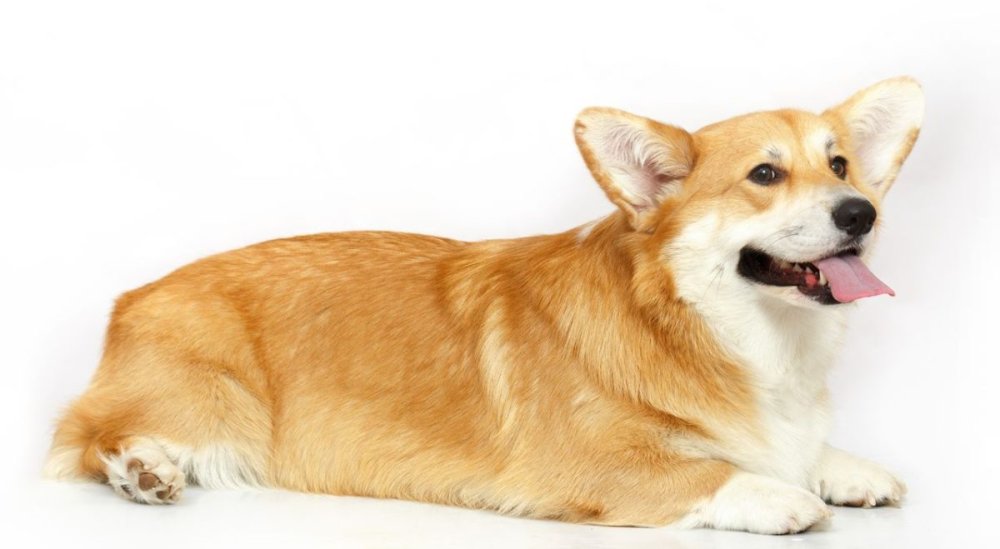
People often notice a Pembroke Welsh Corgi because of the outline first: the long, low body, the bright upright ears, the quick little legs. Then they notice the behaviour. A corgi may try to “help” by circling family members, shadowing you from room to room, or barking as if it has a proper job to do.
It is easy to assume they are simply a small, cheerful companion breed. In practice, many of the day to day questions owners have are about what sits underneath that cute shape: a true herding dog with opinions, stamina, and a body type that benefits from sensible handling.
Once you understand what the Pembroke was made for, it becomes much easier to make good choices about training, exercise, grooming, and weight management, and to avoid the common problems that crop up when a busy-minded dog has too little structure.
Breed snapshot

- Group: Herding and pastoral type
- Origin: Wales
- Typical height: About 25 to 30 cm at the shoulder1
- Typical weight: Often around 9 to 12 kg, with variation by sex and individual build1
- Typical lifespan: Commonly 12 to 15 years (individuals vary)
- Coat: Medium length double coat, weather-resistant1
- Colours: Red, sable, fawn, black and tan, often with white markings1
History and purpose
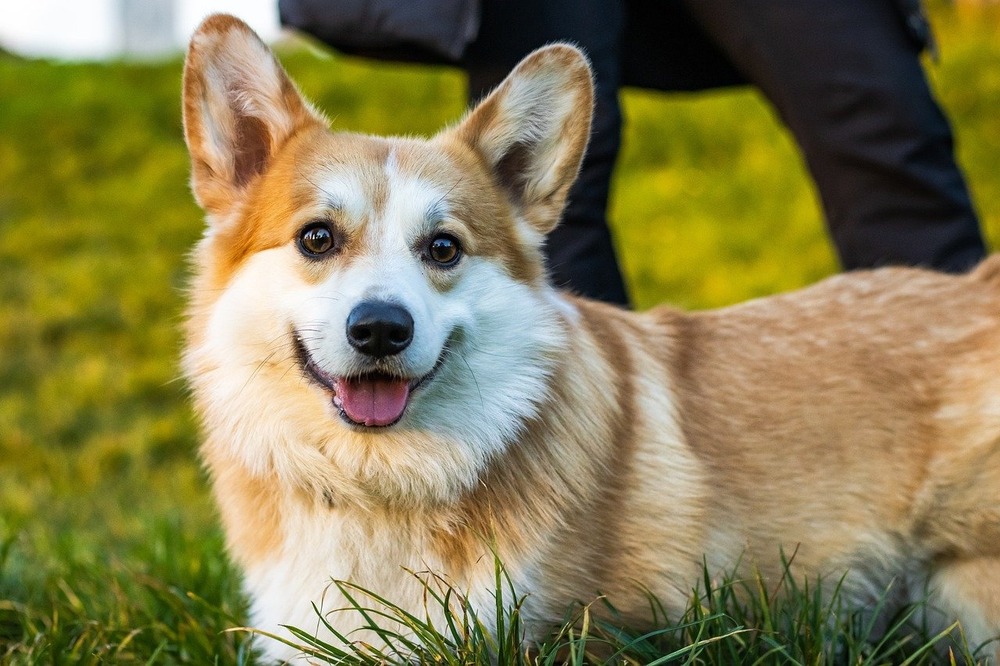
The Pembroke Welsh Corgi developed as a practical farm dog in Wales, valued for moving cattle and fitting into everyday “homestead” life. Even modern breed summaries still describe the Pembroke as resilient, innovative, and inclined to organise the household, which is a polite way of saying they often notice patterns and try to manage them.2
There is a commonly repeated story linking Pembrokes to spitz-type dogs brought by Vikings, and you will still see that suggested in breed histories. It is difficult to prove cleanly (as with many old working breeds), but it is consistent with the way the breed is described today: compact, quick, and built for a lot of work in a small package.2
They also became culturally famous through British royalty. Queen Elizabeth II’s long association with corgis helped fix the breed in the public imagination as a palace companion, even though the temperament still reflects its working roots.3
Physical characteristics that affect everyday care
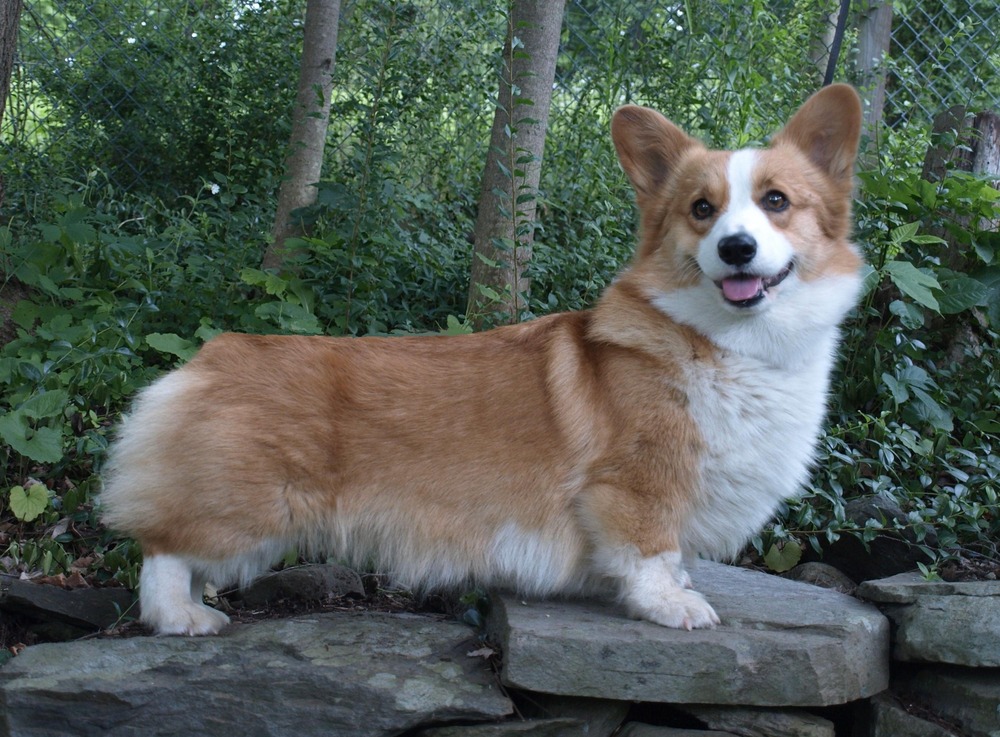
The Kennel Club describes the Pembroke as bold, workmanlike, and “foxy” in head shape, with a medium-length coat and dense undercoat.1 Those are show-standard words, but they point to real-world features: a dog designed to move briskly in rough weather and pay attention to small changes in the environment.
Two practical details matter for many homes. First, the double coat sheds, sometimes heavily, and brushing is less about beauty than about coat and skin comfort. Second, the long back and short legs mean you should be thoughtful about repetitive impact, especially for dogs that love launching themselves off lounges and beds.
Tail appearance can be confusing, because you might see naturally short tails, long tails, or docked tails depending on where the dog was bred and local rules. Modern breed standards also recognise undocked tails and natural bobtails.1
Temperament and behaviour in the home
Pembrokes are often described as outgoing and friendly, and they should not be nervous or aggressive when well bred and well raised.1 In everyday life, their “people skills” can look like enthusiasm, shadowing, and frequent check-ins, especially when they have a close bond with the household.
Because they are herding dogs, it is also normal to see behaviours that are less cute if you are not expecting them: watching, circling, chasing movement, and using their voice to influence what happens next. A useful mindset is that many corgis do best with clear routines and jobs, even if the job is as simple as a short training session before dinner.
With children and other pets, most issues come down to management rather than “good” or “bad” temperament. Early socialisation, supervision during play, and teaching kids how to pause and reset excitement can prevent the nippy, heel-chasing habits that sometimes appear when arousal runs high.
Training and exercise
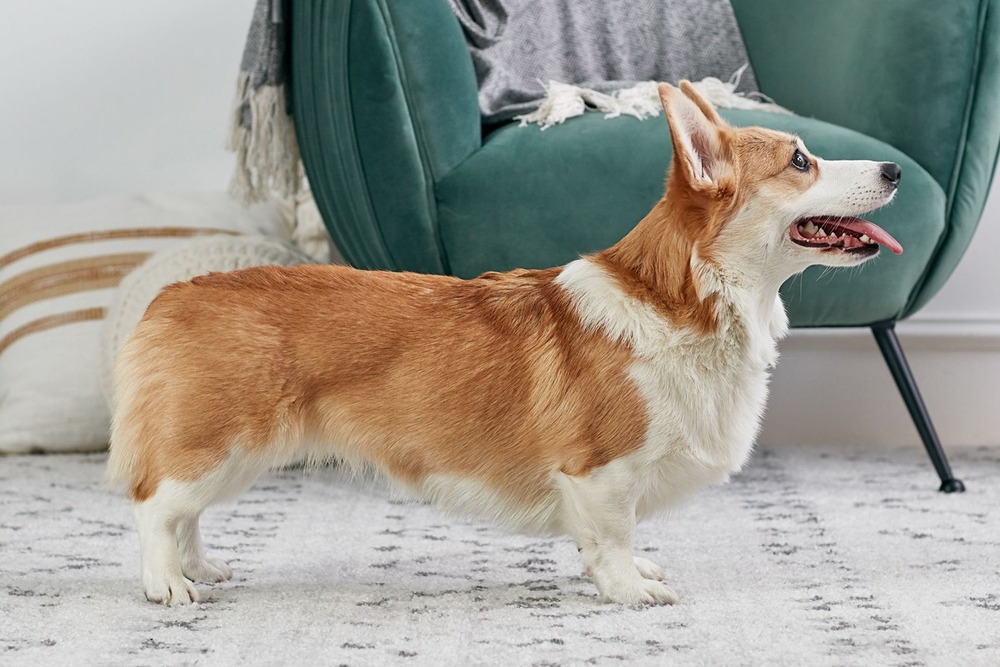
Training a Pembroke is usually enjoyable because they tend to learn quickly and stay engaged, especially when sessions are short and varied. In most homes, reward-based training is the most practical choice, because it builds reliability without increasing stress or defensiveness.
Exercise needs are best thought of as two separate buckets: physical movement and mental work. A daily walk matters, but so does sniffing time, simple pattern games, and a few minutes of obedience or tricks. RSPCA Australia notes that regular exercise is important for dogs of all sizes, and that yards are not a substitute for walks and the broader stimulation of getting out into the world.4
If your corgi is very motivated by chasing and barking, it often helps to add structured outlets such as:
- short retrieve games with clear start and finish cues
- food puzzles or scatter feeding in grass
- low-impact agility foundations (focus, wraps, body awareness) rather than repeated high jumps
Health considerations and lifespan
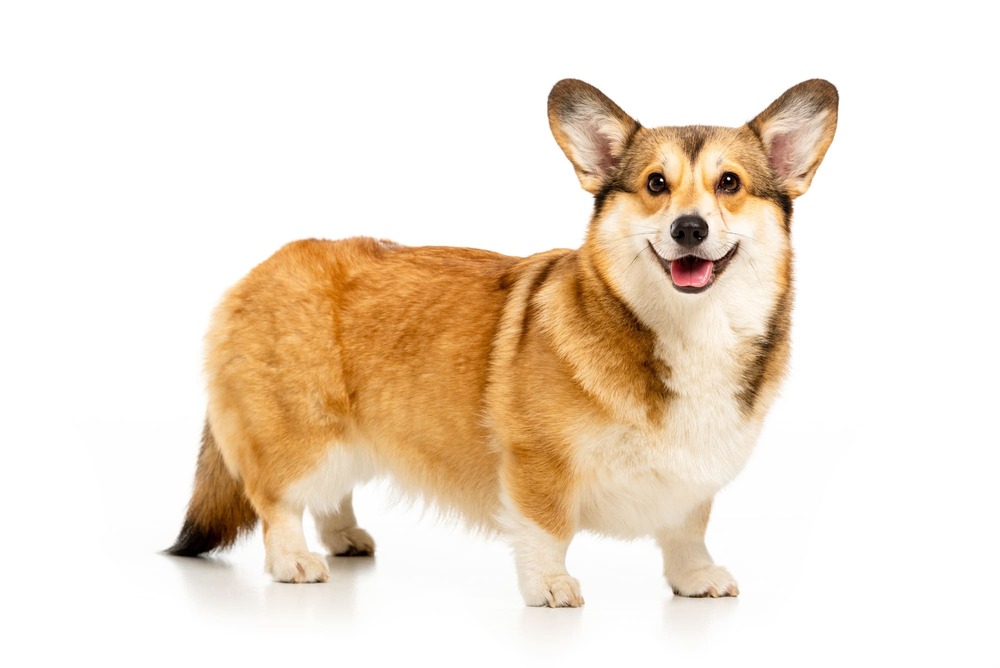
Pembrokes are often robust little dogs, but their body shape and breed tendencies mean a few issues come up regularly in veterinary discussions. One is intervertebral disc disease (IVDD), which is associated with long-backed, short-legged conformation in many dogs, including corgis. Signs that warrant urgent veterinary advice include sudden pain, reluctance to move, weakness in the back legs, or paralysis.5
Eye disease is another area where owners may hear unfamiliar terms. Progressive retinal atrophy (PRA) is an inherited condition that can cause worsening vision and eventual blindness, and it is typically managed through early detection, safety adjustments at home, and breeding choices rather than a cure.6
Lifespan commonly sits in the low-to-mid teens, and the basics still do the heavy lifting: appropriate body weight, regular veterinary checks, dental care, and sensible activity. If you are choosing a puppy, ask what health screening is done in the lines, and what the breeder does to reduce inherited risk.
Grooming and coat care
The Pembroke coat is designed to cope with weather and work. In a family home, that translates to steady shedding with seasonal peaks, and a coat that responds well to consistent brushing rather than frequent bathing.
A simple routine works for most households:
- Weekly brushing as a baseline, increasing during heavy sheds
- bath only as needed, using a dog-appropriate shampoo and thorough drying
- regular nail trims, because short legs mean nails can affect comfort and movement
- ear checks, especially if your dog swims or has allergies
Grooming is also a quiet health check. You are looking for changes in skin, new lumps, sore spots, or areas your dog suddenly avoids having touched.
Diet, body condition, and avoiding weight creep
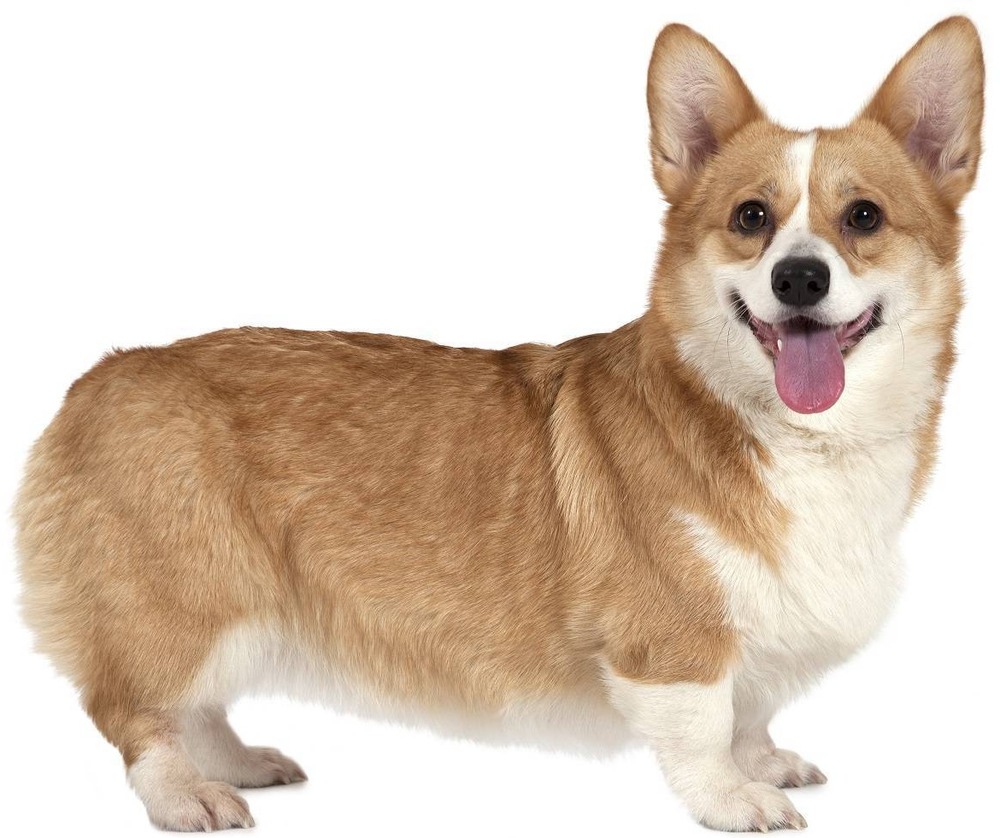
Corgis are famous for loving food, and because they are low to the ground, small weight gains can show up quickly in comfort and mobility. RSPCA guidance on overweight dogs focuses on practical markers such as feeling ribs with a light fat covering and seeing a waist from above, and it recommends working with your vet to assess body condition and adjust diet and exercise.7
In veterinary practice, body condition scoring is a standard tool, and WSAVA provides widely used resources to help veterinary teams and owners assess body condition and build a feeding plan that suits the individual dog.8
If you want one rule that prevents most feeding problems, it is this: measure the main diet, then treat treats as part of the day’s total. If weight is creeping up, reduce calories first, then add activity that is realistic and repeatable.
Living well with a Pembroke
A Pembroke Welsh Corgi can be apartment-friendly, but only if their needs are met in a way that fits real life. The breed does not require endless kilometres of running, but it does tend to require engagement, boundaries, and a bit of daily purpose.
They are often at their best with people who enjoy small, steady habits: a morning walk, a few minutes of training, some quiet enrichment, and a home set up that protects the back (ramps or steps can be helpful for frequent furniture use). When those pieces are in place, you tend to see what the breed is known for: bright attention, quick learning, and a companion that seems to notice everything.
References
- The Kennel Club: Welsh Corgi (Pembroke) breed standard
- Dogs NSW: Welsh Corgi (Pembroke) breed information
- Royal Collection Trust: Royal pets
- RSPCA Australia: 4 ways to avoid obesity in your dog
- American College of Veterinary Surgeons: Intervertebral Disc Disease (IVDD)
- PetMD: Progressive Retinal Atrophy (PRA) in dogs
- RSPCA Knowledgebase: How do I tell if my dog is overweight?
- WSAVA: Global Nutrition Guidelines
- AAHA: Nutritional guidelines and the role of body condition scoring