

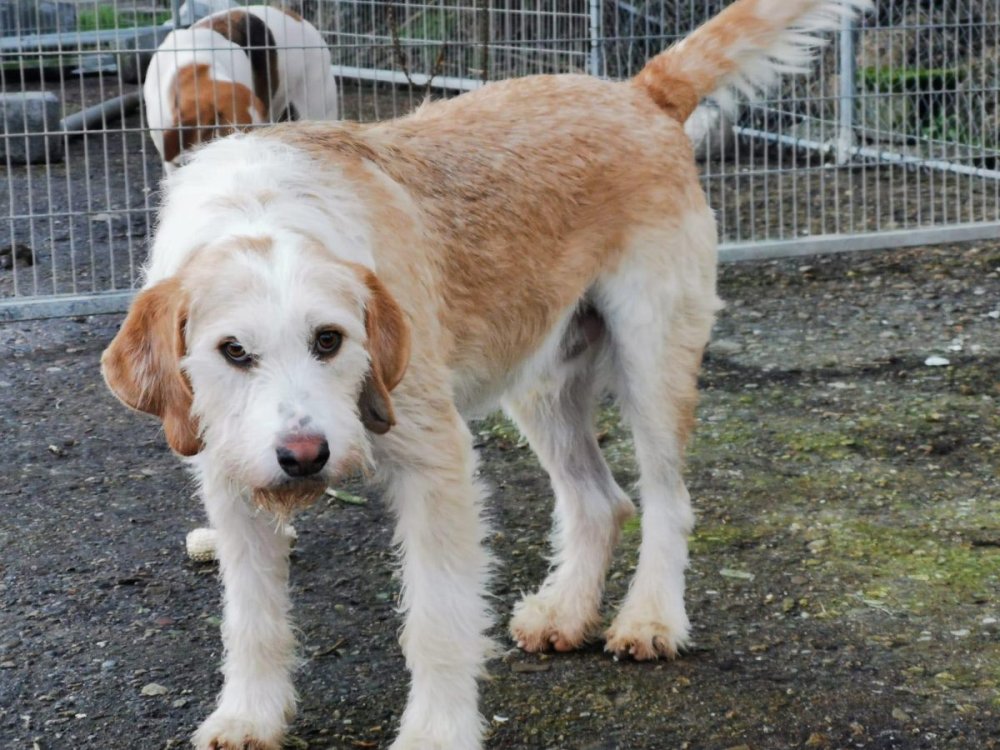
People tend to look up the Welsh Hound after noticing a pattern: a hound that looks a bit like an English Foxhound, seems built for distance, and can follow a scent with a focus that is hard to interrupt. Sometimes it is a name seen in a UKC list, a mention in Welsh hunting history, or a conversation about what “hound bred for the hills” really means in day to day life.
It is tempting to assume all hounds are broadly interchangeable, and that care is mostly about long walks and a decent feed. With a Welsh Hound, it helps to pause and take the breed on its own terms. Pack breeding and scent work shape not just exercise needs, but also training, recall, settling at home, and the way they respond to the world around them.1, 2
It also matters to be clear about what people mean by “Welsh Hound”. In the modern dog world, this name is most often used for the Welsh Hound (Ci Hela Cymreig), a foxhound type recognised by the United Kennel Club (UKC) in 2006, and maintained by breed and hunt organisations in the UK rather than by the UK Kennel Club as a standard show breed.1, 2
At a glance: the Welsh Hound
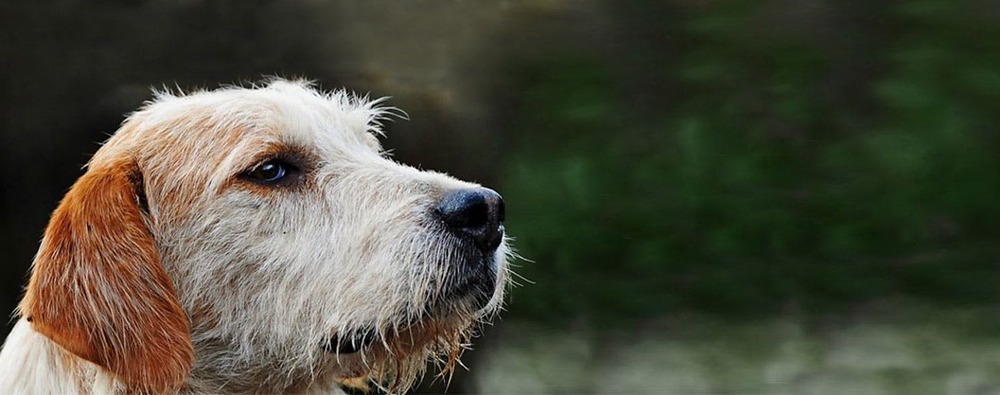
- Type: Scenthound (foxhound type)1, 2
- Origins: Wales, developed for hunting in packs across rugged country1
- Recognition: United Kennel Club (recognised 1 January 2006)2
- Everyday reality: Typically high stamina, strong scent drive, and a social style shaped by pack work1, 2
Where the Welsh Hound fits in Welsh life and history
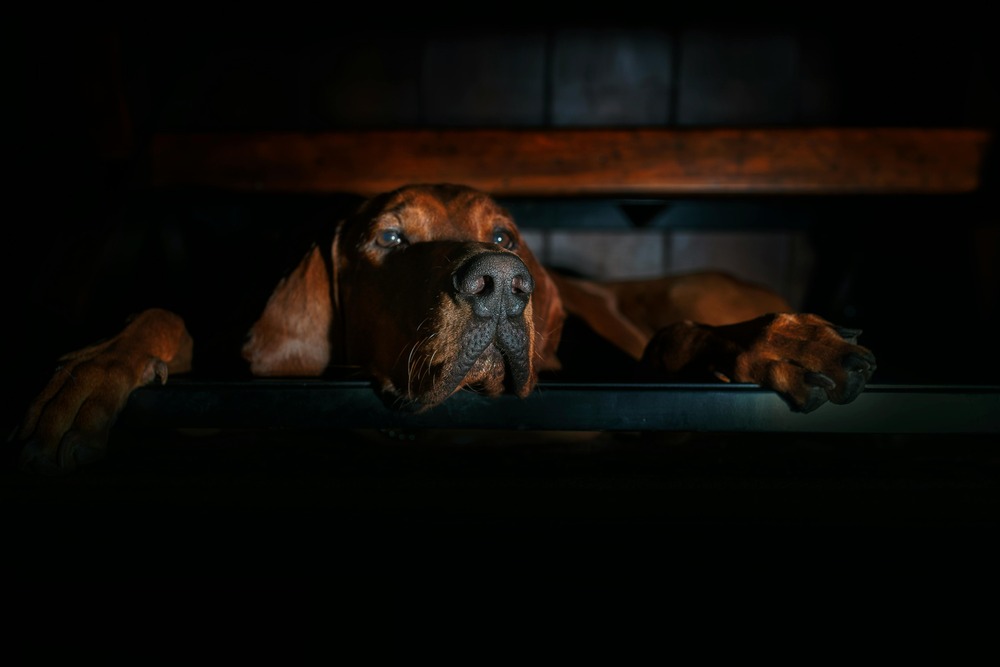
When people describe the Welsh Hound as “storied”, they are usually pointing to its place in a working tradition that goes back a long way. Sources commonly describe the Welsh Hound as indigenous to Wales and valued for speed, stamina, and the ability to work in rough, hilly terrain where scent can move unpredictably with wind and weather.1, 2
It is also a breed that makes more sense when you remember it was shaped for pack cooperation, not solo obedience. Many hunting hounds were developed to read movement, respond to the huntsman, and stay functional within a group, which can look quite different from the biddable style people expect from breeds selected primarily for companion roles.1
In the UK, changes to hunting law have affected how hounds are worked and kept. The Hunting Act 2004 restricts hunting wild mammals with dogs in England and Wales, with specific exemptions and conditions, and this has contributed to a shift towards activities like drag hunting where artificial scent is used.7, 8
Temperament, day to day behaviour, and what owners notice
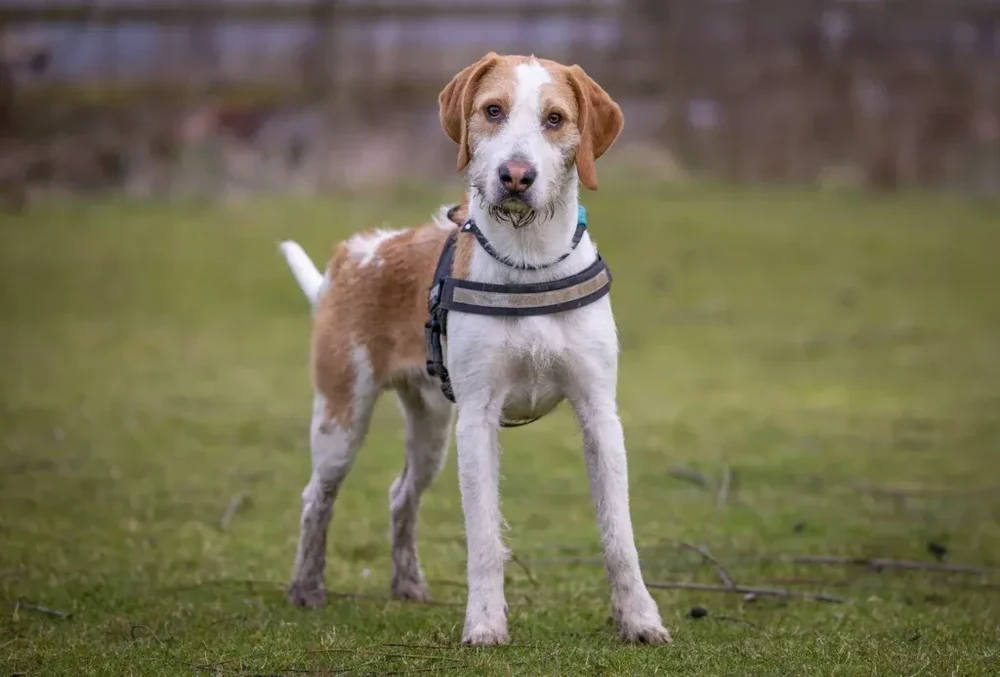
Descriptions of the Welsh Hound often highlight a friendly, social nature and a steady way of being when their needs are met, alongside a strong drive to follow scent and keep moving.1, 2 In a home setting, that can translate into a dog that enjoys company, does best with a predictable routine, and may be quick to “switch on” when something interesting is in the air.
It is worth treating “stubborn” with a bit of care as a label. With scenthounds, what looks like defiance is often environmental prioritising: the dog is doing what it was bred to do, which is to collect information through scent and stay on task. The practical answer is not harsher handling, but smarter set ups that make success easier than failure.
If you are considering one as a family dog, think less in terms of whether they are “good with kids” in the abstract, and more in terms of management: space to move, supervision around excitement, and a plan for how the dog will get regular enrichment without becoming over-aroused or under-stimulated.
Training that respects the nose
Training goes best when it starts early and stays consistent. Many Welsh Hounds will work enthusiastically for food, play, and access to interesting activities, but they often need you to be patient with distractions because scent is a powerful reinforcer.
In practice, recall is a long game. Build it first in low distraction areas, then gradually add difficulty. If the dog has already rehearsed running off after a scent, go back a step and rebuild with a long line and better rewards. It is not a failure, it is simply how learning works.
Helpful approaches include:
- Positive reinforcement for the behaviours you want, especially check-ins and calm lead walking.
- Short sessions that end while the dog is still engaged.
- Teaching “find it” games or basic tracking as an outlet, so the dog gets to use the nose in a structured way.
Exercise and enrichment that actually helps them settle
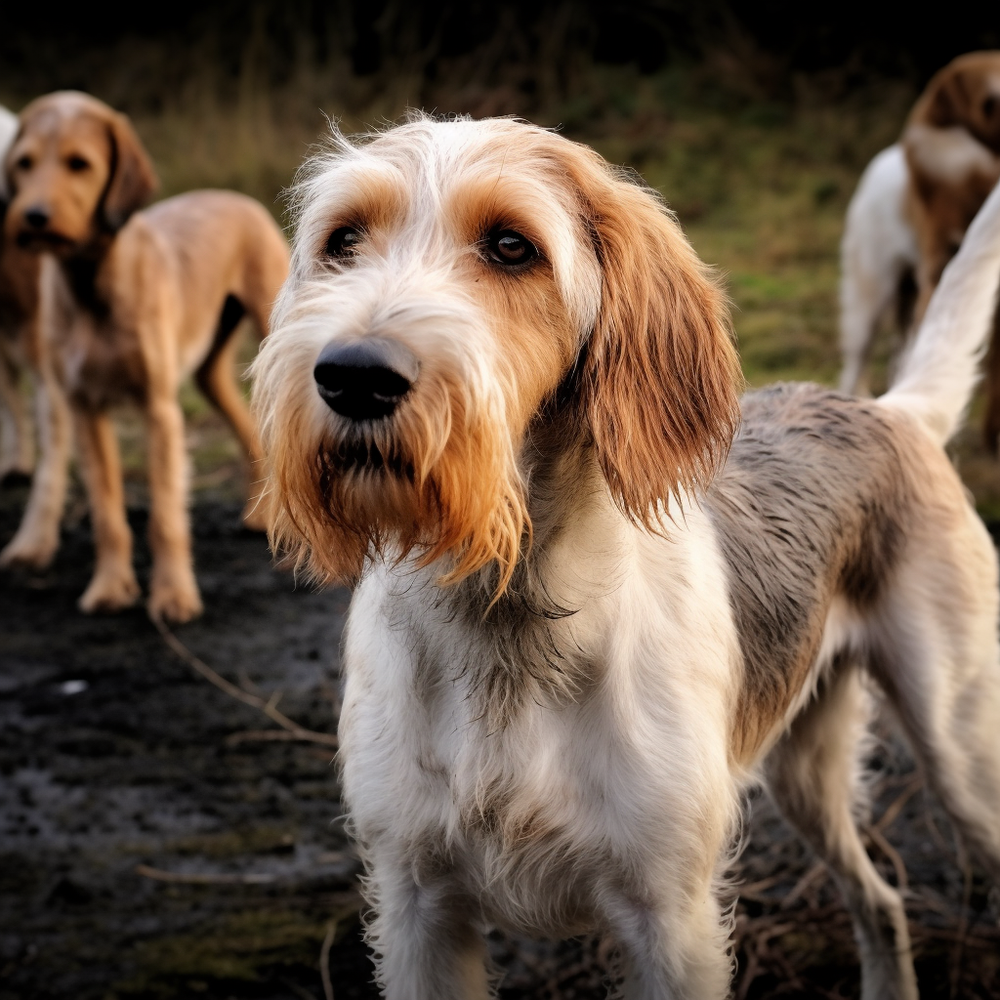
Welsh Hounds are commonly described as high stamina dogs, and it is easy to fall into the trap of thinking exercise means only distance. For many hounds, a better goal is balanced fatigue, which mixes physical movement with sniffing, problem solving, and time to decompress.1, 6
Scent-based enrichment can be particularly satisfying. Nosework style searching is designed to let dogs use their natural strengths in a controlled way, and it can suit a wide range of temperaments because dogs work one at a time and the emphasis is on the dog’s own searching style.6
Owners often find this combination works well:
- A decent daily walk with time to sniff, not just march.
- One or two higher intensity sessions each week (run, hike, structured play) depending on fitness and age.
- Short scent games at home, especially on days when weather or schedules limit outdoor time.
Health considerations and sensible prevention
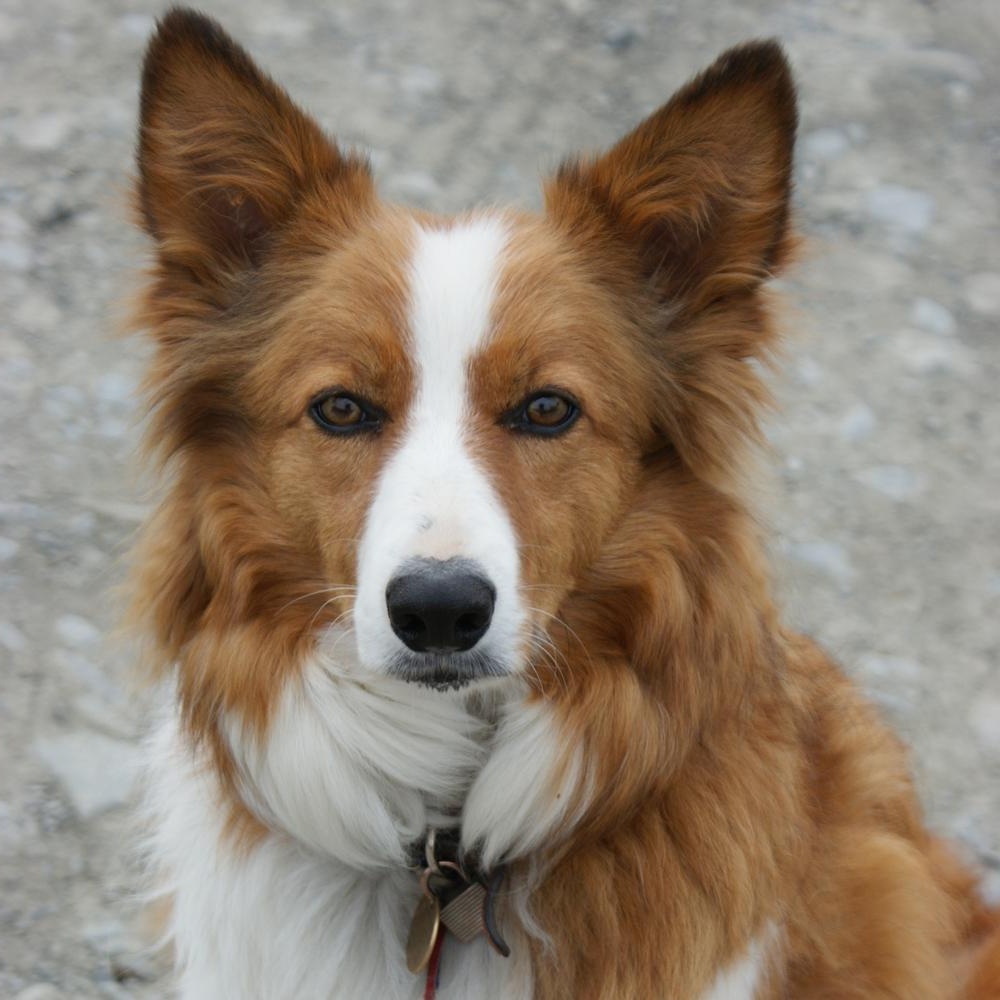
No single health issue defines the Welsh Hound, and reliable breed-wide data can be limited compared to more common companion breeds. Still, it is sensible to think in “hound terms”: athletic dogs that do a lot of mileage, plus drop ears and outdoor life, can mean a bit more vigilance around joints, feet, skin, and ears.
For hips, the best practical approach is prevention and early detection. Screening schemes such as the BVA and Kennel Club Hip Dysplasia Scheme outline how radiographic scoring can help assess hip joint conformation and support informed breeding and management decisions.9
For ears, remember the anatomy. Dogs have an L-shaped ear canal, which can trap moisture and debris. Floppy ear flaps can reduce airflow, and underlying factors like allergies can set the stage for repeated inflammation or infection.4 If your dog is shaking their head, scratching, or you notice odour or discharge, it is worth getting a vet check sooner rather than later.
Practical, low-drama prevention tends to look like:
- Keeping the dog lean and fit, because healthy body condition reduces strain on joints.
- Regular ear checks, especially after wet weather, swimming, or dusty paddocks.
- Prompt attention to skin itch and recurring ear issues, because allergies are a common underlying driver in adult dogs with chronic ear inflammation.4
Feeding, weight, and choosing a diet without getting lost in marketing
Welsh Hounds do best on a complete and balanced diet that matches their life stage and activity level. The tricky part is that “active breed” can become an excuse to overfeed, especially when exercise varies across seasons.
The World Small Animal Veterinary Association (WSAVA) Global Nutrition Guidelines emphasise the value of individual nutritional assessment and ongoing monitoring, including body condition scoring, rather than relying on brand claims or ingredient list marketing alone.5
If you want a simple, practical rhythm:
- Measure meals, then adjust based on body condition and weekly trend, not day to day fluctuations.
- Use part of the daily ration for training, especially recall work.
- Ask your vet for help if you are juggling high activity days, rest days, and weight management.
Is the Welsh Hound a good match?
The Welsh Hound tends to suit people who enjoy movement, can provide secure fencing and safe opportunities to sniff and explore, and are comfortable living with a dog whose attention is sometimes pulled by the environment. They often do best where their social needs are met and where exercise is not treated as an occasional chore.
If your life is mostly indoors, quiet, and time-poor, this may not be the easiest hound to live with. If, however, you like long walks, you find the idea of scent games genuinely appealing, and you are willing to train patiently and consistently, a Welsh Hound can be a companion with a very grounded, capable presence.
References
- Wikipedia: Welsh Hound
- United Kennel Club (UKC): Welsh Hound breed standard
- Animal Legal and Historical Center: Hunting Act 2004 (England and Wales) summary
- American College of Veterinary Surgeons (ACVS): Otitis externa (ear infections) overview
- WSAVA: Global Nutrition Guidelines
- RSPCA South Australia: Nosework (Sniff-Fun) course information
- Crown Prosecution Service: Hunting Act 2004 legal guidance
- South Wales Police: Types of illegal hunting guidance
- The Kennel Club: BVA and Kennel Club Hip Dysplasia Scheme