

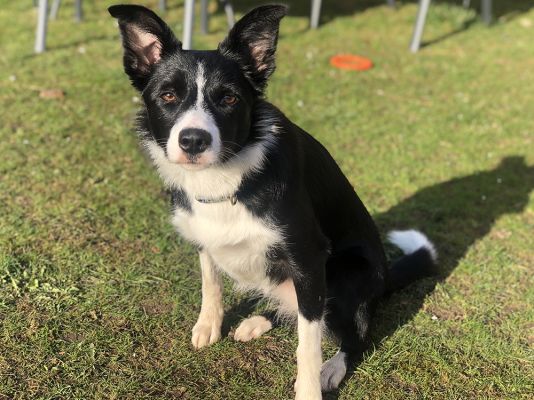
You might come across the Welsh Sheepdog because you have seen a farm dog moving stock with very little fuss, or because someone has described their dog as “like a Border Collie, but different”. Sometimes it starts with a photo: a collie-type dog with a practical coat, a sharp eye for movement, and a way of working that looks more like problem-solving than obedience.
It can be tempting to assume “sheepdog” means one neat, kennel club style. The Welsh Sheepdog does not sit comfortably in that box. It is better understood as a working type that has been shaped by Welsh farming needs, not by show standards, which is why you will see variation in size, coat and colour.1
For people thinking about living with one, the real question is not whether the breed is “rare” or “famous”, it is whether your day-to-day life suits a dog that is built to notice things, make decisions, and keep going for hours. When that fit is right, they can be deeply satisfying to share a home with. When it is not, they often invent their own work.
Quick snapshot: what people mean by “Welsh Sheepdog”
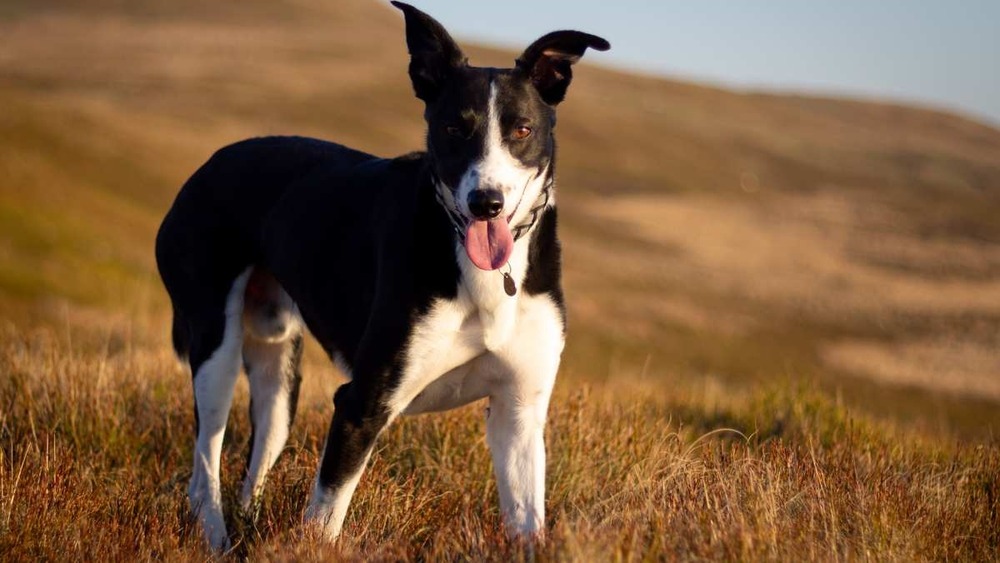
The Welsh Sheepdog is a medium-sized herding dog type from Wales. Because it has historically been bred for ability rather than a uniform look, you will hear it described as a landrace or working type, rather than a tightly standardised pedigree breed.1
- Typical size: often around 46 to 56 cm at the shoulder, with plenty of natural variation.1
- Life expectancy: commonly cited as about 12 to 15 years.1
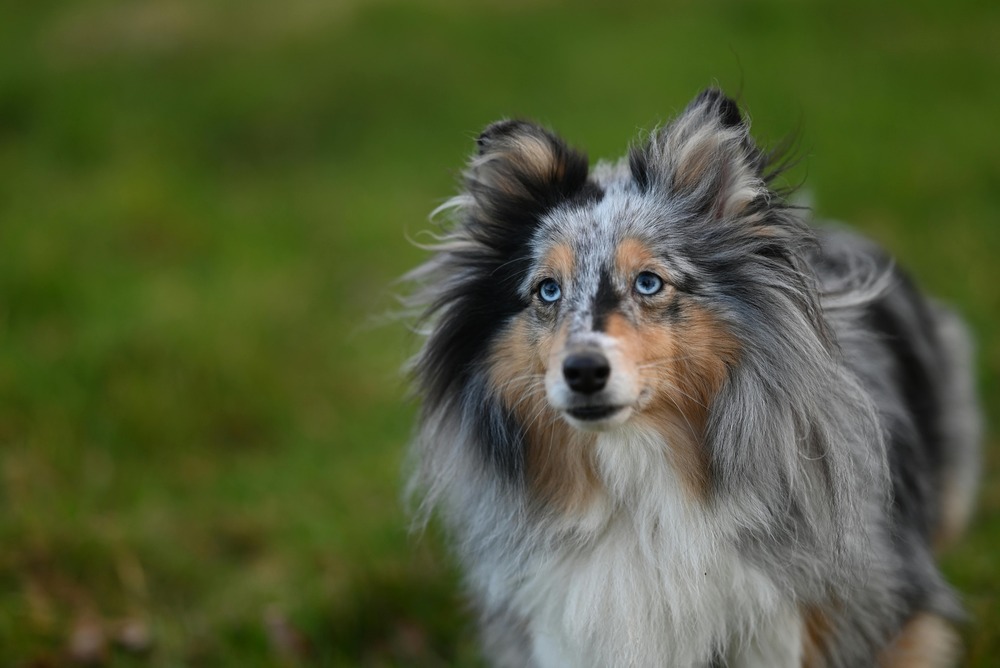
- Coat and colour: can be shorter or longer, commonly black and white, red and white, tricolour, and sometimes merle.1
- Recognition: generally not recognised by major kennel clubs, which reflects its working, variable background rather than “not being real”.1, 2
Origins and farm role in Wales
Welsh Sheepdogs developed in a farming context where reliability mattered more than uniformity. Historically, stock work in Wales involved hills, distance, weather shifts, and the kind of practical handling where a dog had to keep its head and stay useful.1
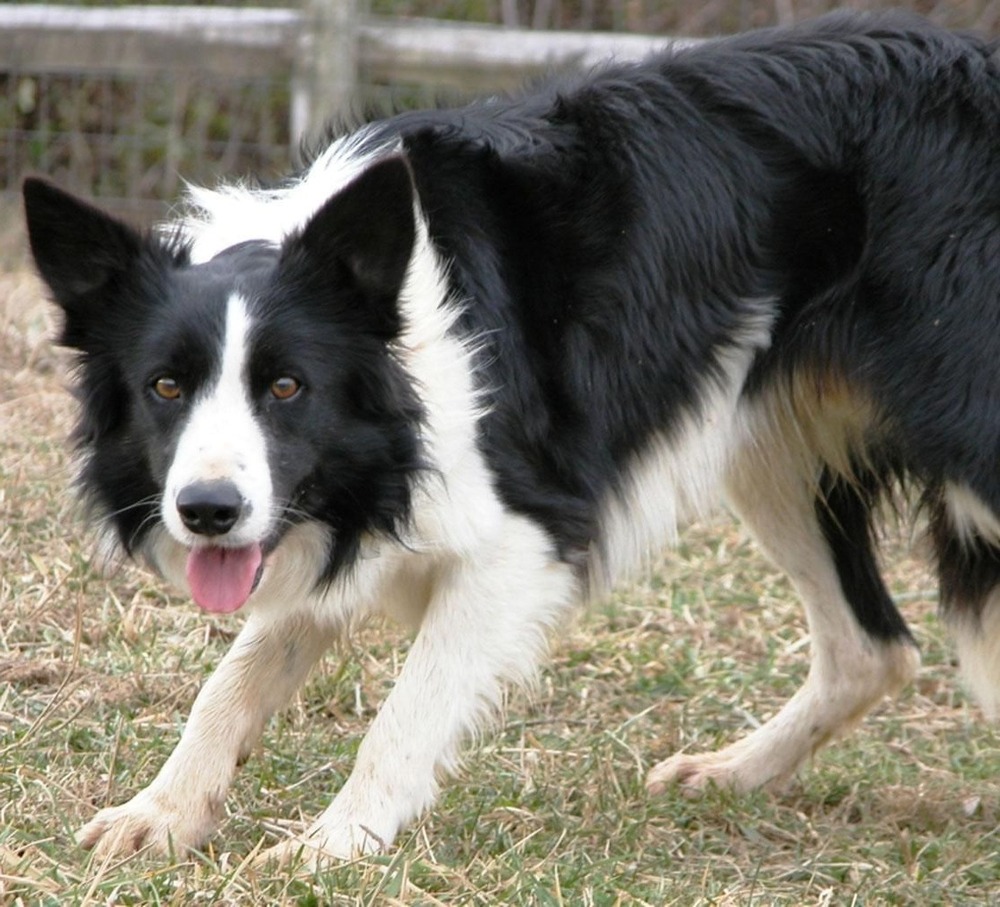
One detail that often comes up in descriptions is style. Compared with the “strong eye” stereotype people associate with Border Collies, Welsh Sheepdogs are often described as working in a more loose-eyed, upright way. In plain terms, some rely less on a fixed stare and more on movement, presence and initiative, which can suit certain kinds of stock and terrain.1
Over time, Border Collies became the more standardised, widely promoted working breed, and Welsh Sheepdogs became less common in many areas. There have also been efforts in recent years to maintain the Welsh Sheepdog as a distinct working variety, especially among people who value its traditional style and adaptability.1
Temperament: bright, busy, and not always “easy”
People often call Welsh Sheepdogs intelligent, but that word can hide the practical reality. Many are quick to pattern, quick to anticipate, and quick to fill a silence. That can look like responsiveness, or it can look like restlessness, depending on what the dog has to do each day.
As a rule, it helps to expect a dog with high working drive. A Welsh Sheepdog is likely to notice joggers, bikes, running children, and anything that moves like stock. Herding behaviour is not “naughtiness”, it is normal behaviour expressed in the wrong setting, and it usually improves most when you give the dog safe outlets and clear routines.
Many do well with families, but supervision and training matter, especially around children. The goal is to prevent practising behaviours like circling, staring, or nipping at heels, which can become self-rewarding if they work.
Training that suits the way they think
With clever herding dogs, training is less about “winning” and more about building habits that help the dog stay regulated. Short sessions, clear markers, and rewards that actually matter to the dog tend to work best.
Current behaviour guidance from veterinary behaviour specialists supports reward-based training and warns against aversive tools and techniques, which can increase stress and risk unwanted fallout behaviours, especially in sensitive, observant dogs.6
Practical training priorities that usually pay off early include:
- Settle skills: teaching the dog how to switch off on a mat, in the car, and in the house.
- Recall and emergency stop: not because the dog is “bad”, but because movement triggers are common.
- Lead manners that do not rely on corrections, especially around stock, wildlife, and other dogs.
- Social exposure done gently: gradual, positive experiences rather than overwhelming “flooding”.
Exercise and enrichment: more than just a long walk
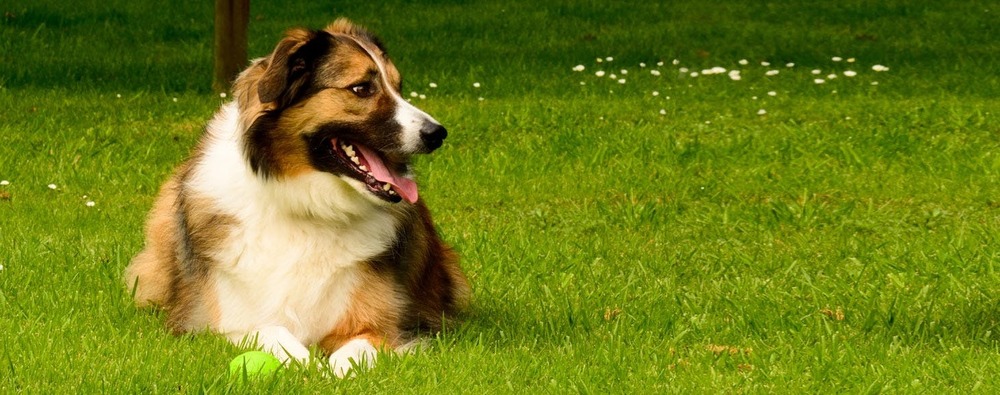
Most Welsh Sheepdogs need daily movement, but they also need something to think about. For many herding dogs, repetitive throwing of a ball can build fitness while also winding the dog up, so it is worth balancing high-energy play with sniffing, searching, and problem-solving.
Helpful options, depending on the dog and your access, include:
- Sniff walks where the dog sets the pace for part of the outing.
- Food puzzles, scatter feeds, and basic scent games at home.
- Training foundations for agility, rally, or herding lessons with a reputable instructor.
- “Jobs” like carrying a light pack (once mature and conditioned), or learning household routines.
If you live in a smaller space, it is not automatically impossible, but it is rarely effortless. The dog will still need structured activity, and just having a backyard is not the same as having meaningful work.
Health considerations and sensible screening
Because “Welsh Sheepdog” covers a working population rather than one closed registry, specific health statistics can be hard to pin down. Still, it is wise to think in terms of common issues seen in medium-sized herding dogs.
Hip dysplasia is a well-known inherited orthopaedic condition across many breeds, and responsible breeders often use formal scoring or certification to reduce risk over time.7
For eyes, one condition often discussed in collie-type herding dogs is Collie Eye Anomaly (CEA), a genetic disorder that can vary in severity. Screening and DNA testing may be relevant depending on the dog’s background and the breeder’s lines.4
When you are choosing a pup or assessing an adult dog, it is reasonable to ask for:
- Evidence of hip assessment where available.
- Eye checks and discussion of known issues in the lines.
- A clear plan for early socialisation and ongoing support.
Coat care, shedding, and the reality of mud season
Most Welsh Sheepdogs have a practical double coat, which often means moderate to heavy shedding at certain times of year. Regular brushing helps with loose undercoat, keeps skin healthy, and gives you a chance to check for seeds, ticks, and minor injuries.
A simple routine usually works well:
- Brush once or twice weekly, increasing during heavier shed periods.
- Bathe only when needed, using a dog-appropriate shampoo, then dry thoroughly.
- Check ears, trim nails, and keep an eye on paw pads, especially if the dog is running on varied terrain.
Feeding: supporting an active dog without overdoing it
With busy dogs, people sometimes assume “more food equals more energy”. In practice, the aim is a steady body condition, good muscle tone, and reliable digestion, not constant weight gain. If you can easily feel ribs with a light covering and see a waist, you are usually in a good range.
Nutrition guidance for pet owners often emphasises choosing diets based on overall formulation and quality control, not just marketing or ingredient-list shortcuts. If you are unsure, your vet can help you assess diet suitability for age, workload, and body condition.8
Hot weather management for thick-coated working dogs
Even dogs that cope well with cold can struggle in heat, especially when humidity rises or exercise gets intense. A thick coat does not mean a dog is “fine outside”, it means you need a plan.
RSPCA guidance for Australian conditions recommends practical steps like providing shade and ventilation, avoiding exercise in the hottest parts of the day, and learning the signs of heat stress. If heatstroke is suspected, begin cooling with tepid or cool water and seek veterinary help promptly.9, 10
Simple hot-day habits that often make the biggest difference include early walks, cool indoor rest, multiple water stations, and avoiding hot surfaces that can burn paws.9
Living with a Welsh Sheepdog: who it tends to suit
If you want a dog who is content with a brief walk and a quiet afternoon, this may not be the best match. Welsh Sheepdogs typically suit people who enjoy training as an ongoing relationship, not a one-off project.
They can be a good fit for:
- Active households who genuinely like daily outdoor time.
- Rural homes, smallholdings, or people involved in dog sports.
- Owners who value steadiness, structure, and reward-based handling.
They are often a harder fit for homes where the dog is alone for long stretches without enrichment, or where there is little appetite for ongoing training. In those settings, the same traits that make them brilliant workers can become the source of persistent household challenges.
References
- Wikipedia: Welsh Sheepdog
- Hepper: Welsh Sheepdog Dog Breed Info
- The Welsh Kennel Club: Championship Show information
- Collie Health Foundation: Canine Eye Anomaly (CEA) overview
- Wikipedia: Old Welsh Grey Sheepdog
- American Veterinary Society of Animal Behavior (AVSAB): Position Statements (includes Humane Dog Training)
- Orthopedic Foundation for Animals (OFA): About and mission (orthopaedic and genetic disease)
- WSAVA: Global Nutrition Guidelines
- RSPCA Australia: Keeping your pet safe during the heat
- RSPCA ACT: Hot weather advice and heatstroke signs