

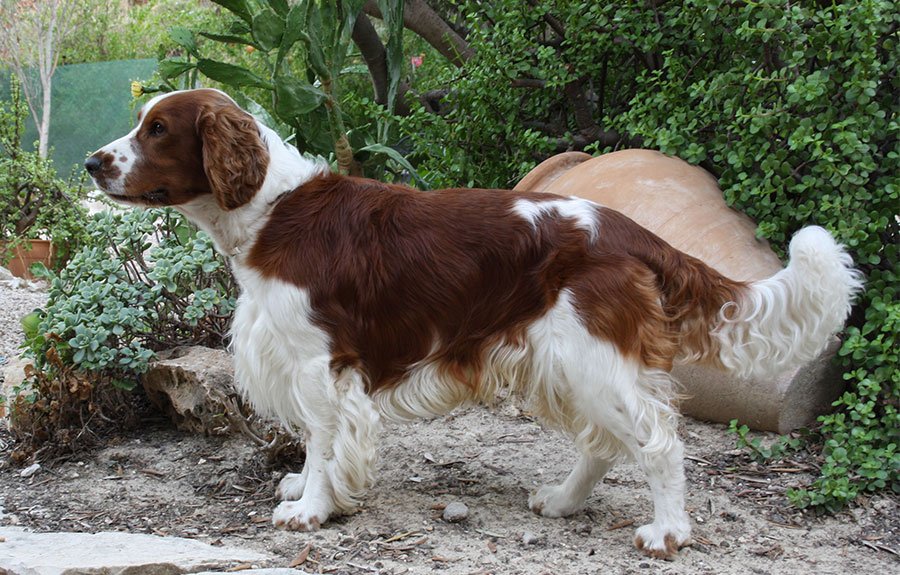
People often notice a Welsh Springer Spaniel the same way they notice a red-and-white bird in the bush, by the movement first. A compact dog with a soft coat and swinging ears, built to keep going, and very often keen to be part of whatever is happening.
It is easy to assume that a spaniel is naturally “easy”, because they can be friendly and biddable. In practice, Welsh Springers tend to do best with homes that enjoy training, daily outings, and a bit of structure. When they get that, the breed’s steadiness and warmth really show. When they do not, you can see the restlessness that comes with a dog bred to work.
What makes the Welsh Springer Spaniel interesting is that it sits in that familiar middle ground, not tiny, not huge, not fragile, not unstoppable, and it rewards people who pay attention to the basics: exercise, coat and ears, and steady, kind training.
- Breed group: Gundog (sporting type)
- Origin: Wales
- Height: About 48 cm (dogs) and 46 cm (bitches) at the withers1, 2
- Coat and colour: Straight or flat, silky texture, rich red and white only1, 2
- Typical lifespan: Often over 10 years, many live into the low to mid teens with good care3
- Exercise needs: Commonly more than 2 hours a day for adult dogs, plus training and sniffy time3
Where the Welsh Springer comes from
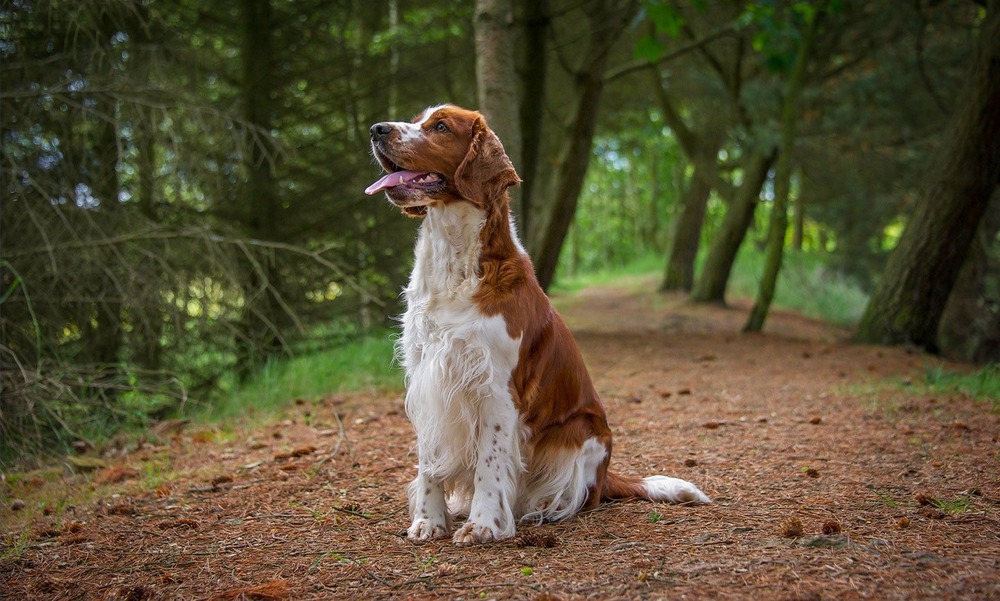
The word “springer” tells you a lot about the job. These dogs were developed to work close with a hunter, pushing through cover to flush game, then retrieving where needed. They are built for endurance and steady effort, not short bursts of speed.1, 3
The breed has long been associated with Wales, and The Kennel Club (UK) formally recognised the Welsh Springer Spaniel in 1902. That recognition helped settle the modern name and identity of the breed, separate from other spaniels that can look similar at a glance.3
Appearance that is functional, not fussy
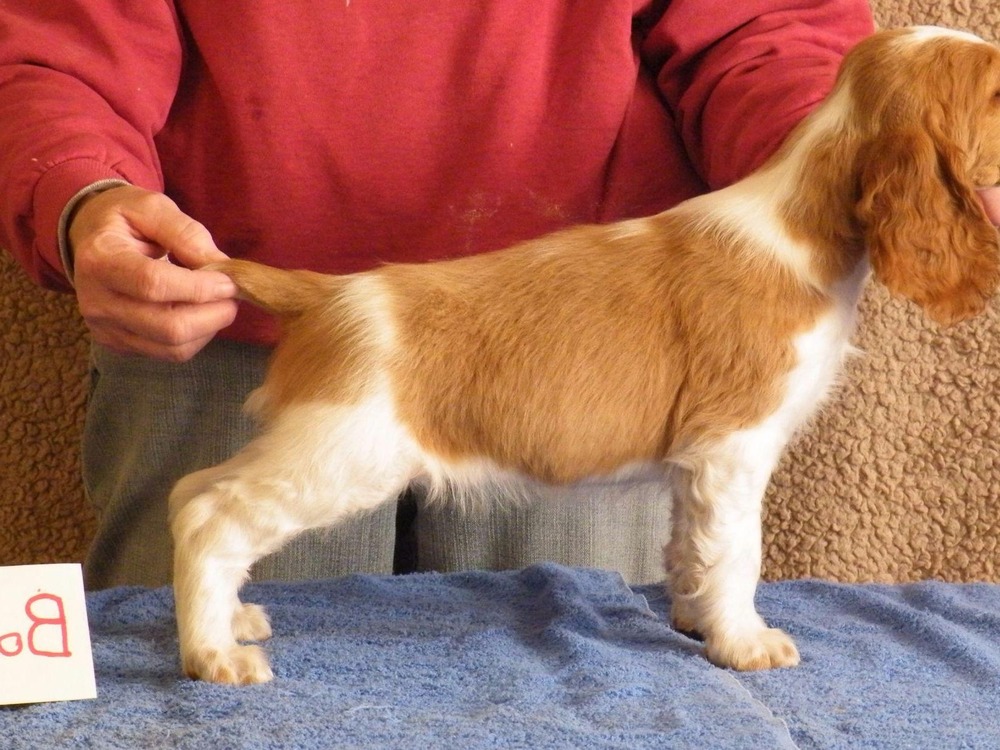
Welsh Springers are symmetrical and compact, described in the UK breed standard as built for endurance and hard work. They are not meant to be leggy, and when you watch one move well, you can see the push from the hindquarters and the easy ground-covering stride.1
The coat is straight or flat with a silky texture and should be dense. The only accepted colour is rich red and white, which is part of why the breed is so instantly recognisable in the park.1, 2
A note on tails
You will still see docked tails in some places and undocked tails in others. Breed standards often describe both traditions, but what is permitted in practice depends on local law and individual circumstances. If you are unsure, a local vet or your state or territory animal welfare guidance is the safest place to check.
Temperament, the companion side of a working dog
Well bred Welsh Springers are typically described as kindly, active, and steady, with nervousness and aggression considered undesirable in the breed standard.1
At home, many owners find they are affectionate and people-focused, but that does not always mean “laid-back”. A Welsh Springer without enough to do may look like a dog who cannot settle, follows you from room to room, or invents their own entertainment. In many cases, that is less about “naughtiness” and more about an active dog trying to meet its needs.
If you are choosing a Welsh Springer for family life, the most helpful question is not “Are they good with kids?” but “Can we meet the daily routine this dog expects?” Plenty of exercise, supervision around children, and calm training usually matter more than any single temperament label.
Training and daily exercise that actually works
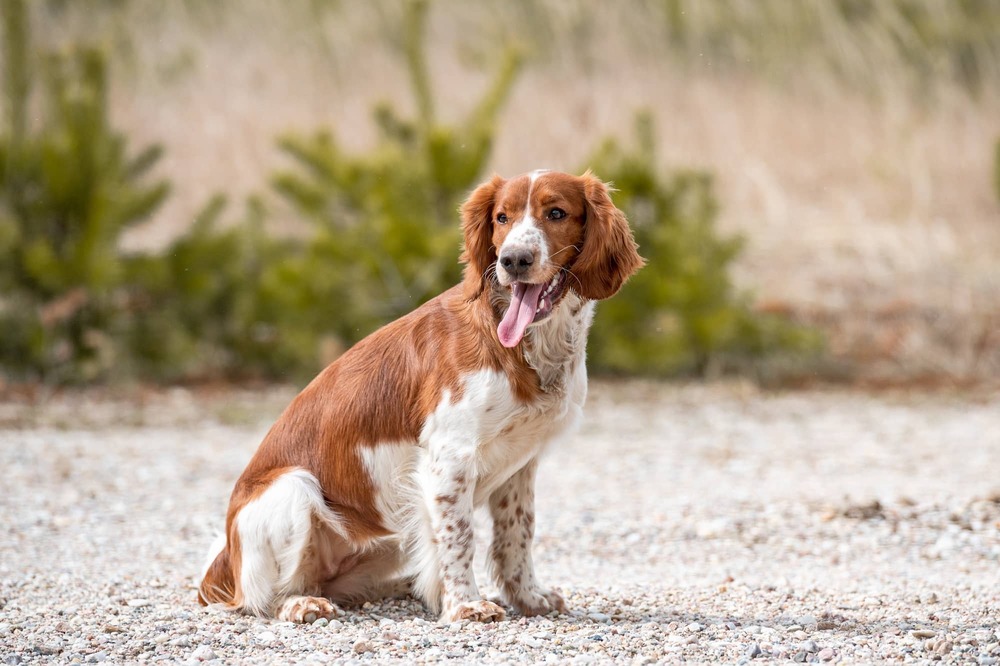
This is a clever, responsive breed that often enjoys learning. The simplest, most effective approach is usually short sessions, positive reinforcement, and a household that is consistent about cues and boundaries.
The Kennel Club describes the breed as needing more than two hours of exercise per day. For many adult Welsh Springers, that amount makes sense when it includes a mix of walking, sniffing, retrieving games, and something that uses the brain, such as scent work, obedience, or agility foundations.3
If you want a practical rhythm, aim for:
- One longer outing most days (walk, hike, beach, or structured off-lead time where legal and safe)
- One shorter “top-up” session (training, tug, retrieve, scent games)
- Calm time at home taught on purpose (settle on a mat, chew time, predictable rest)
Health themes to be aware of
No breed is free of health risks, and individuals vary. In Welsh Springers, the topics owners most often end up managing day-to-day are the practical ones: weight, ears, and keeping the body comfortable through sensible exercise.
Hips and general soundness
Hip dysplasia is one of the conditions seen across many medium and larger breeds. It is not something you can diagnose at home, but you can reduce avoidable strain by keeping your dog lean, building fitness gradually, and speaking with your vet if you notice stiffness, reduced willingness to jump, or changes in gait.
Ears and recurring ear infections
Long, pendulous ears can trap moisture and reduce airflow, which can increase the risk of otitis externa. Head shaking, rubbing, odour, discharge, or sensitivity around the ears are all worth a prompt check, because ear problems can worsen quickly if left alone.4, 5
Coat care and grooming, keeping it simple and regular
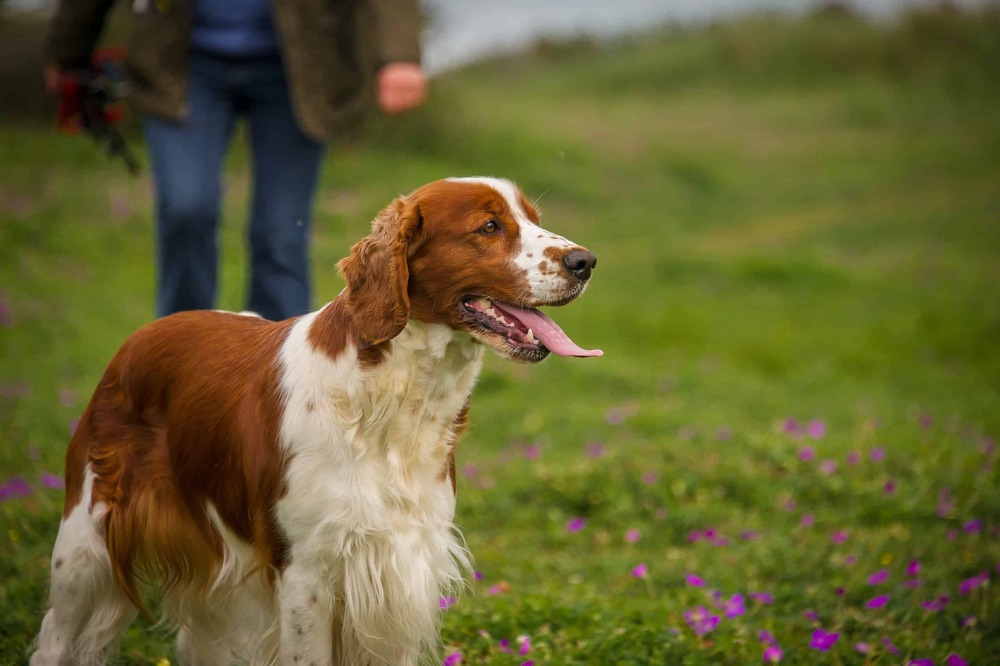
The Welsh Springer coat is not usually high-maintenance in a salon sense, but it does reward routine. A thorough brush a few times a week helps prevent tangles in feathering and keeps shedding manageable. After muddy walks, a rinse and towel-dry often does more good than frequent shampooing.
Because ears are a common trouble spot, it helps to build a calm habit of checking them after swims, baths, and long grass adventures. If you are using any cleaning product, ask your vet which one suits your dog, and avoid doing “deep cleans” unless you have been shown how.
Feeding, weight, and the quiet importance of being lean
Welsh Springers can love their food, and a busy life does not always protect a dog from weight gain. The most useful tool is not guesswork, it is body condition. You should be able to feel ribs with a light fat covering, see a waist from above, and see an abdominal tuck from the side.6
Veterinary nutrition guidance also emphasises tailoring the diet to the individual dog, including age, activity level, and health status. If you are changing diets or managing weight, it is worth doing it with a vet’s support, because small adjustments can make a big difference over time.7
Commonly helpful habits include:
- Measure meals rather than pouring by eye
- Use treats with intention, count them as calories
- Recheck body condition monthly, especially after desexing or a change in routine
Is a Welsh Springer Spaniel right for your home?
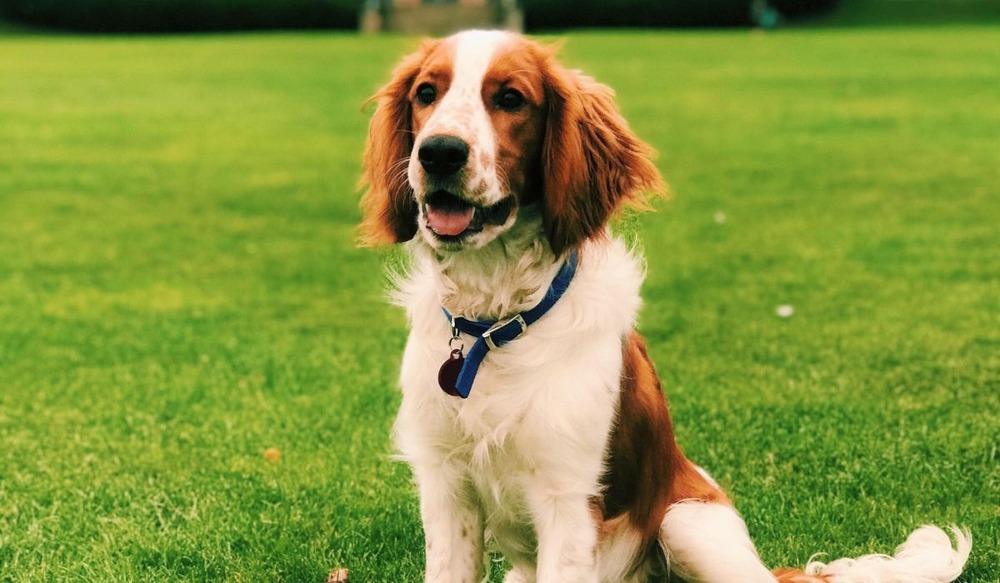
A Welsh Springer tends to suit people who like a dog that participates. They often thrive with active families, outdoorsy couples, and anyone who enjoys training as part of daily life. They can live in smaller homes if their exercise needs are genuinely met, but they rarely do well when their world is small day after day.
If you are meeting adult dogs, look for the combination that matters most: steady temperament, sound movement, and a dog who can engage and also settle. A reputable breed club can also help you understand typical health screening practices and what questions to ask a breeder.8
References
- The Kennel Club (UK): Spaniel (Welsh Springer) breed standard
- Welsh Springer Spaniel Club (UK): Breed standard
- The Kennel Club (UK): Welsh Springer Spaniel breed information
- The Kennel Club (UK): Otitis externa (ear infection) in dogs
- Animal Medical Center (NYC): Ear infections in pets, causes and treatments
- RSPCA Australia Knowledgebase: How to tell if my dog is overweight
- WSAVA: Global Nutrition Guidelines
- Welsh Springer Spaniel Club of America: Breed club information