

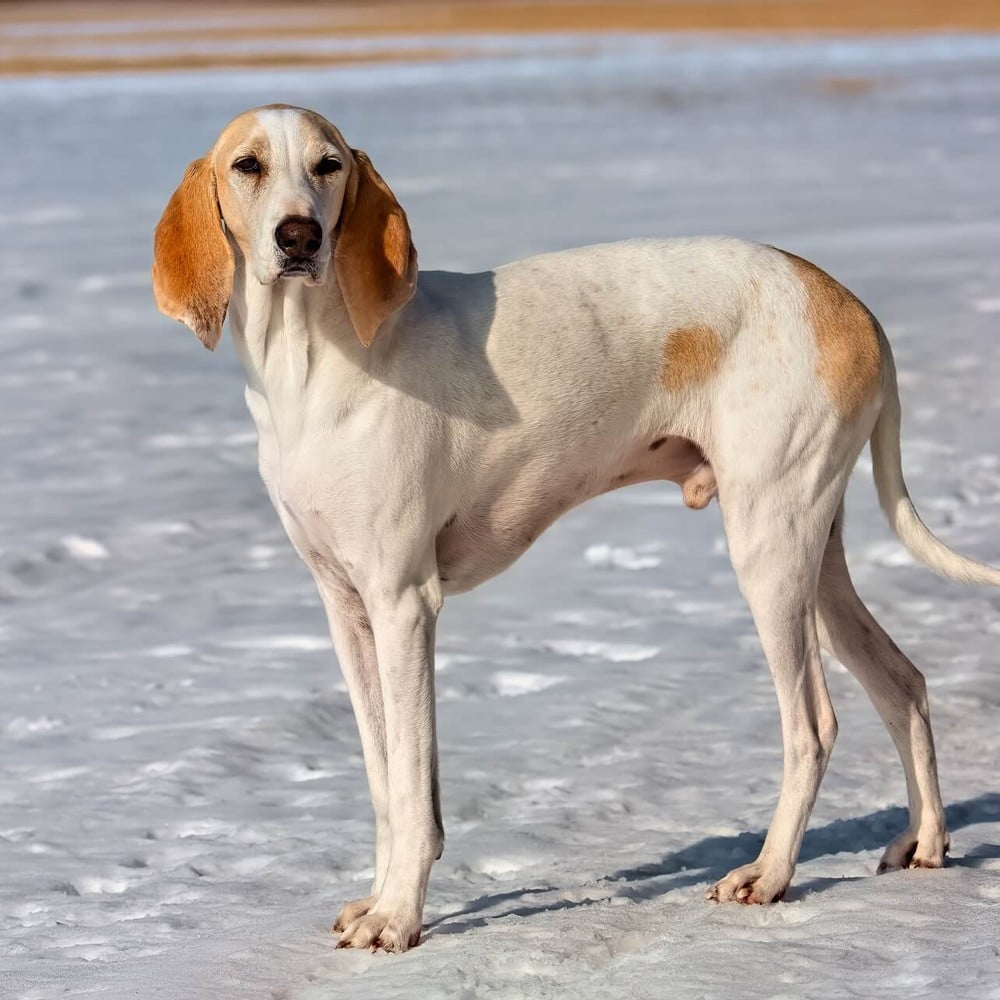
People often come across the “West Country Harrier” name in a roundabout way. It might be in an old hunting reference, a conversation about hare hounds, or a dog that looks like a Harrier but is described as something slightly different. The first surprise is that it is not a mainstream pet breed with a neat set of kennel club paperwork.
In practice, “West Country Harrier” is usually best understood as a traditional type of pack scenthound from south west England, sometimes also called the Somerset Harrier. That matters because many of the assumptions we make about modern companion breeds, like predictable temperament, easy availability, and standardised size, do not always carry over neatly. Context is part of the breed, especially with working hounds.
If you are considering one, or you are simply trying to understand what you have met, the useful questions tend to be practical ones: what were these dogs built to do, what do they need day to day, and what can trip people up when a pack-bred hound is kept as a pet.
- Breed category: Scent hound (Harrier type)
- Origin: South west England (United Kingdom)
- Typical height (Harrier standard): bitches about 48 cm, dogs about 53 cm (19 to 21 in)
- Coat: Short, dense
- Common colours: Recognised hound colours including tri-colour, lemon and white, red and white
- Exercise needs: High, often more than 2 hours daily for an adult
- Grooming: Low to moderate, weekly brush
What people mean by “West Country Harrier”
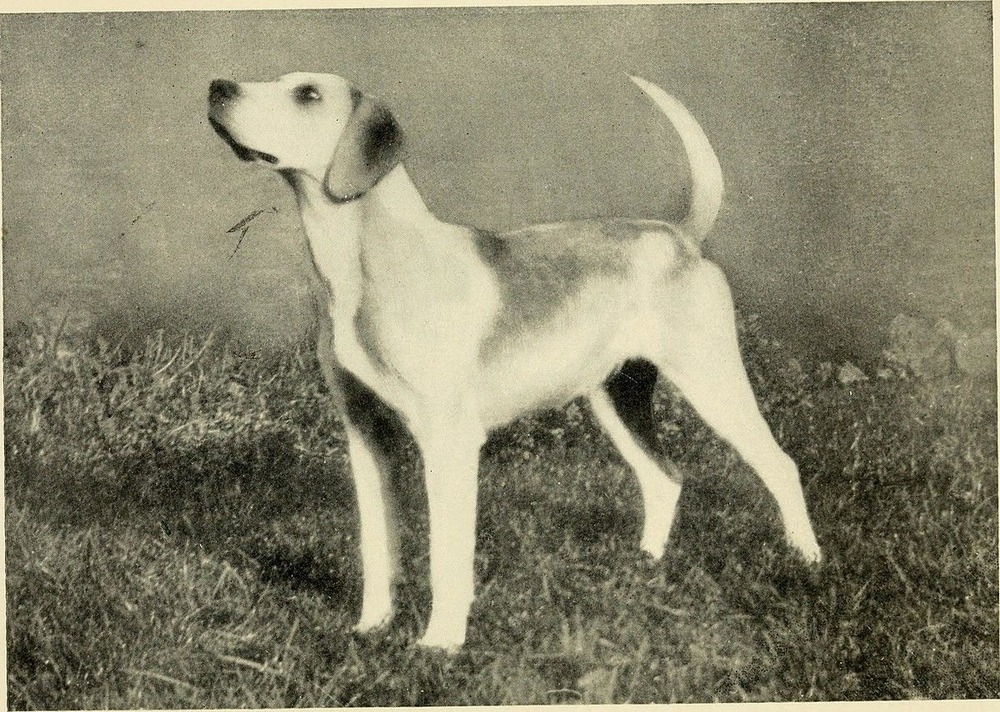
The West Country Harrier is commonly described as a traditional hare-hunting pack hound from Devon and Somerset, and it is sometimes treated as a regional variety of the Harrier rather than a separate, universally recognised pedigree breed. 1
It is also worth knowing that the UK Kennel Club’s recognised breed is the Harrier. That recognition (effective from 1 January 2020) reflects the modern pedigree framework, but it does not automatically capture every regional pack type that existed before kennel club systems became dominant. 2, 3
This is why two sources can describe “Harrier” dogs in ways that feel slightly different. In working circles, hounds are often bred primarily for function, terrain, and pack compatibility, not for uniform appearance. Expect variation, especially if the dog’s background is working or rural rather than show or pet lines. 4
History and working purpose
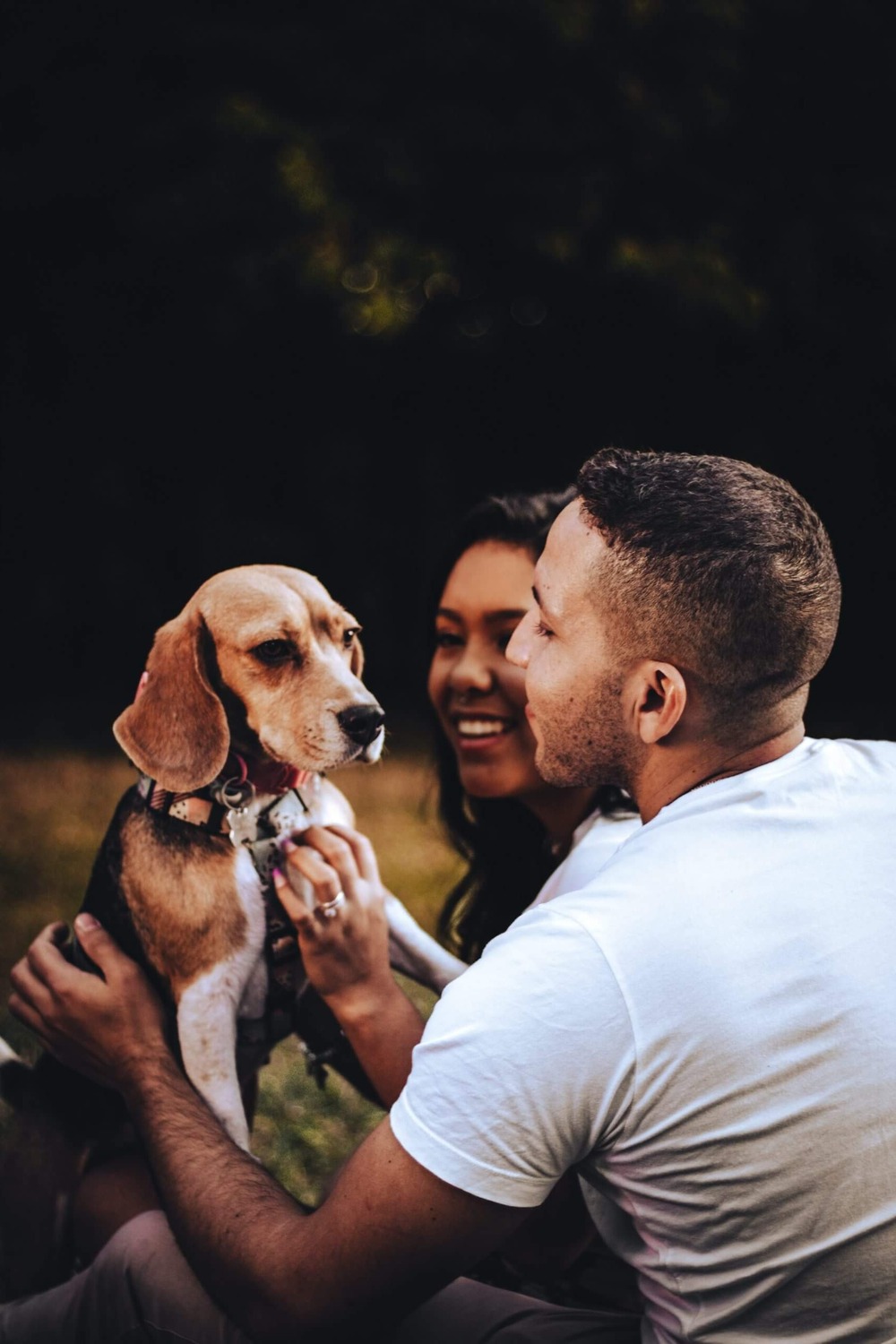
Harriers have been documented in Britain for centuries, with the name closely tied to their original job: hunting hare by scent. Over time, different packs shifted towards different “types”, including faster hounds influenced by Foxhound blood in some regions. 3
Accounts of West Country Harriers often emphasise the older style: a deep-scenting hound valued for steady work and an able voice, shaped by the landscapes of the south west and the realities of following hounds for long days. 1
For a prospective owner, the key takeaway is simple. Even if a dog is now living as a companion, the underlying design remains that of a pack scenthound built for endurance, persistence, and following a trail. That heritage shows up in exercise needs, recall reliability, and the way the dog engages with the world nose-first. 3
Temperament, day to day suitability
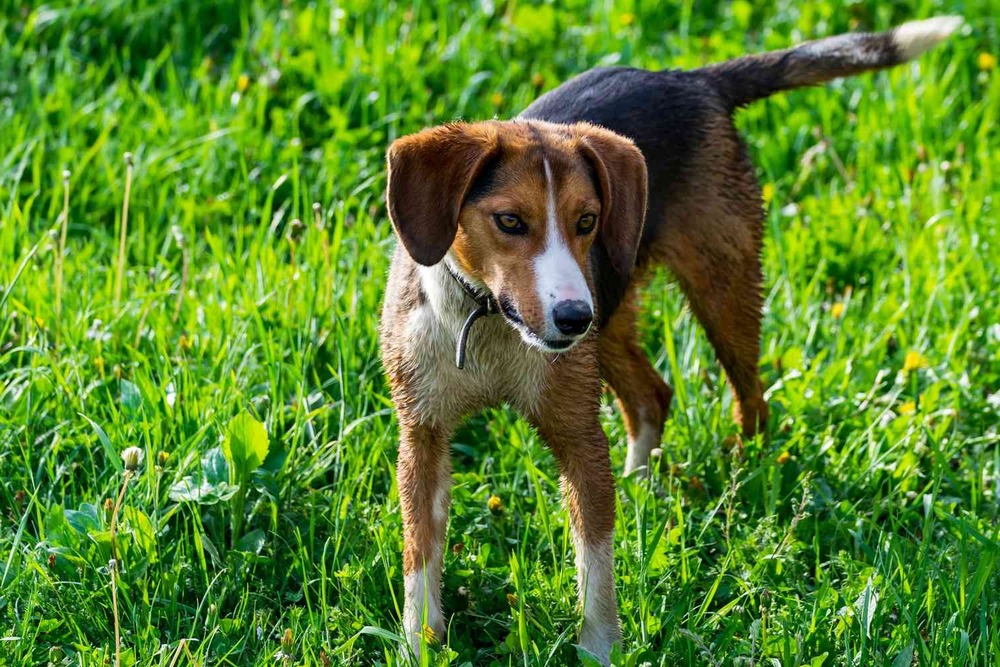
Well-bred Harriers are generally described as friendly, lively dogs, and, as pack animals, they are typically expected to be workable around other dogs. Aggression or pronounced nervousness is considered undesirable in the breed standard. 5, 6
That does not mean they are “easy” dogs. Many people underestimate how much of a hound’s day is driven by scenting and movement. If their world is small and predictable, they often look for stimulation in their own ways, including vocalising, roaming, or inventing games that do not suit the household.
They can do well with children when supervised and well managed, but the bigger question is usually energy and routine. They suit active homes that can provide daily outings, training that stays patient and consistent, and secure boundaries. 3
Training and exercise that actually works
With scenthounds, “stubborn” is often a shorthand for something more accurate: the dog’s brain is busy sorting scent information, and that can outrank your cue if the training has not been built carefully. The fix is not harshness, it is clarity and repetition, with rewards that matter to the individual dog.
Consistent, positive reinforcement tends to produce the best results, especially for recall and lead manners. Think in terms of practice reps, not one-off lessons. In many homes, lead walking is the foundation, because it is the safest way to meet a hound’s need to move and sniff while you build reliability. 7
Exercise needs are typically high. UK Kennel Club guidance for Harriers suggests more than two hours per day, which aligns with what many experienced hound people observe in real life. 3
- Long, varied walks where sniffing is allowed (sniffing is work for a scenthound)
- Gentle jogging or hiking for fit adults
- Scent games (find it, trail lines, scattered food in grass)
- Secure-area free running where legal and genuinely secure
Health considerations and preventative care
Because “West Country Harrier” is not a single, tightly managed pedigree population in the way many companion breeds are, it is best to focus on the practical risks common to medium sized athletic hounds.
Hip dysplasia is one of the conditions owners and breeders commonly watch for in many medium and large dogs. The Orthopedic Foundation for Animals (OFA) describes hip dysplasia as an abnormally developed hip joint that can contribute to cartilage breakdown, arthritis, and pain over time, with both genetic and environmental influences. 8
Ear health is another recurring theme for floppy-eared dogs. Otitis externa is common in dogs, and long ear flaps can reduce airflow and contribute to a warm, moist environment where problems can take hold, especially when combined with triggers like allergies or trapped debris. 9
Good prevention is simple and low drama: check ears regularly, keep them dry after swimming or bathing, and only clean as advised by your vet. Over-cleaning can irritate healthy ears, so it is a balance rather than a routine to “scrub”. 10
Coat care, grooming, and the bits people forget
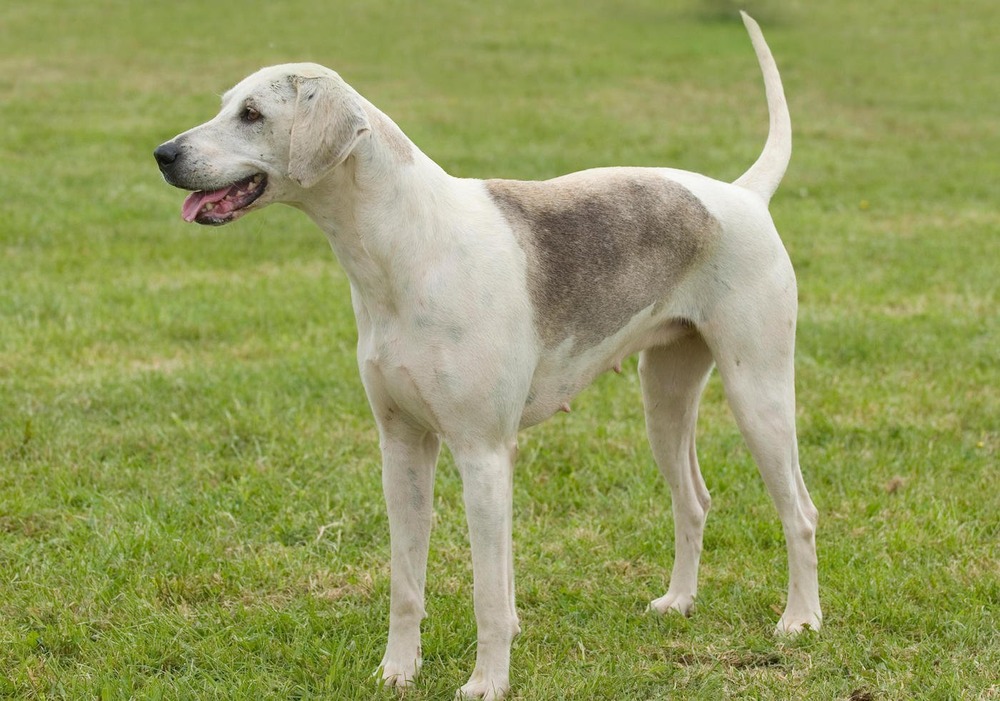
A short, dense hound coat is usually straightforward. A weekly brush removes dead hair and helps you notice skin changes early. It is also a useful habit for dogs that live active lives outdoors, where ticks, grass seeds, and minor scrapes are part of the picture.
The “forgotten” care tasks are often the ones that matter most over a lifetime: nails, teeth, and ears. If nails are left long, they can change gait and contribute to discomfort. If teeth are ignored, dental disease becomes a slow, avoidable drain on wellbeing.
Keep it calm and regular: short grooming sessions done often tend to be easier than occasional big sessions that everyone dreads.
Feeding, weight, and staying sound
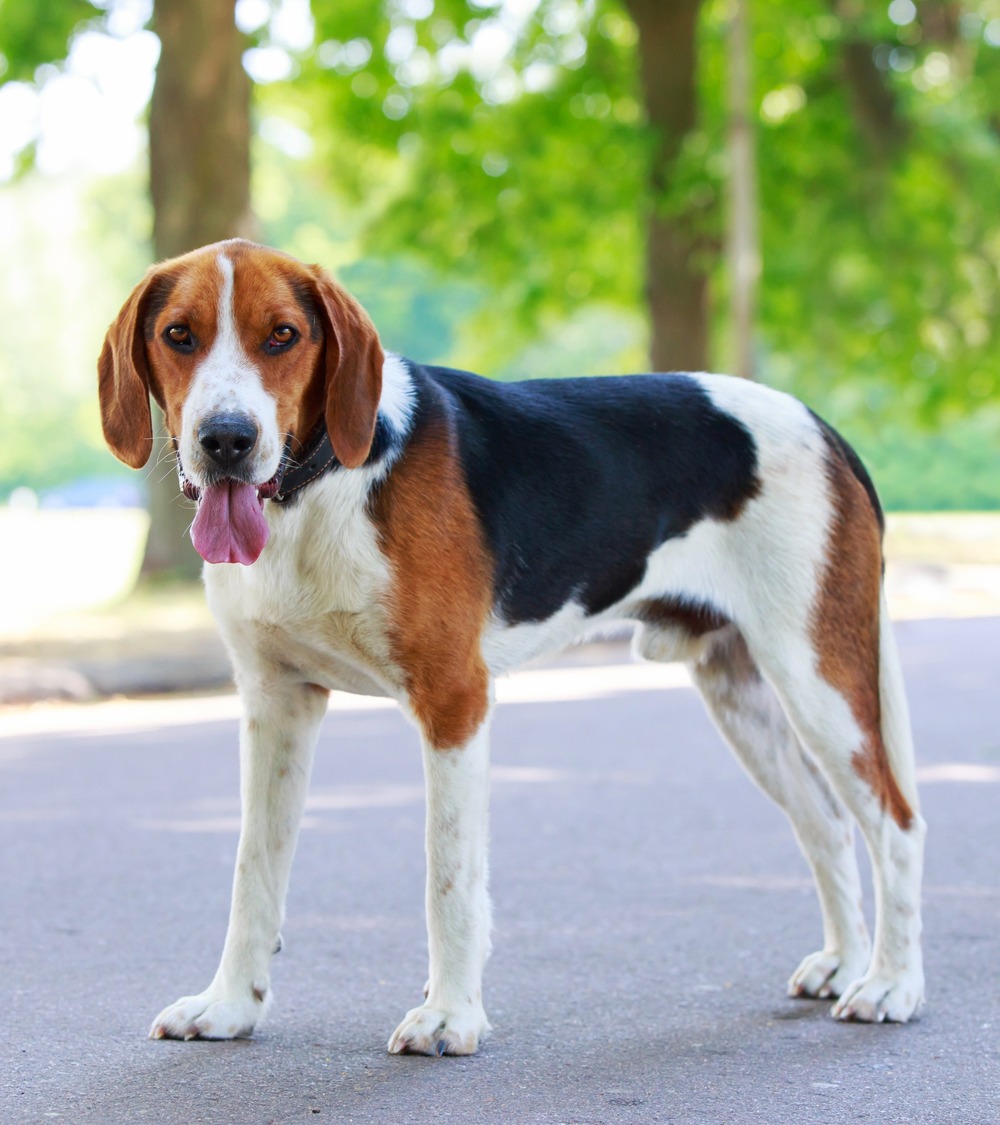
Active hounds can look “solid” even when they are carrying extra weight, especially through the ribcage and loin. Yet extra kilos matter, particularly for joints and long-term mobility. A useful mindset is that feeding is not just about ingredients, it is about matching energy in to energy out, and adjusting across seasons, age, and changes in routine.
The World Small Animal Veterinary Association (WSAVA) nutrition guidance encourages a nutritional assessment as part of routine veterinary care, including body condition scoring and tailoring diets to the individual animal. That approach suits Harrier-type dogs well because their activity can vary widely depending on the home. 7
If you are choosing a commercial diet, look for one that is complete and balanced for your dog’s life stage, then work with your vet to set portions using body condition and weight trends, not guesswork.
Final thoughts
The appeal of a West Country Harrier is easy to understand once you have spent time around hounds: athletic, sociable, and wonderfully tuned to the outdoors. The harder part is remembering what that design implies indoors. They need room in their life for movement, scent work, and steady routines that do not change every week.
If your household can offer that, a Harrier-type hound often settles into a pleasant rhythm, with plenty of companionship and a good dose of everyday practicality. If not, it is kinder to admire the type from a distance, or to choose a dog whose needs fit more easily into the shape of your days.
References
- West Country Harrier (Somerset Harrier) overview
- The Kennel Club: Harrier recognition announcement (effective 1 January 2020)
- The Kennel Club: Harrier breed information
- Harrier Club of America: Notes on standards and pack differences
- The Kennel Club: Harrier breed standard (updated 1 August 2025)
- United Kennel Club: Harrier breed standard
- WSAVA: Global Nutrition Guidelines
- Orthopedic Foundation for Animals (OFA): Canine hip dysplasia
- American College of Veterinary Surgeons: Otitis externa risk factors and overview
- The Animal Medical Center: Ear infections in pets, prevention notes