


You often notice a West Highland White Terrier before you notice the name. A small white dog with a neat, confident outline, bright eyes, and a way of moving that suggests they are always aware of what is happening around them. People tend to meet a Westie in a park, on a neighbour’s lead, or in an old family photo album, and start wondering whether that lively little terrier energy would suit their home.
It is easy to assume that because Westies are compact, they are “easy” dogs. In practice, they are usually manageable rather than effortless. Their size can suit smaller living spaces, but their alertness, drive to explore, and tendency to form strong habits means they do best with steady routines, thoughtful training, and a bit of appreciation for the terrier mindset.
When they are well matched to the household, a Westie can be a delightful companion. The details matter though, especially around skin health, grooming, barking, and how much independence you are comfortable living with.
At a glance: the Westie in daily life
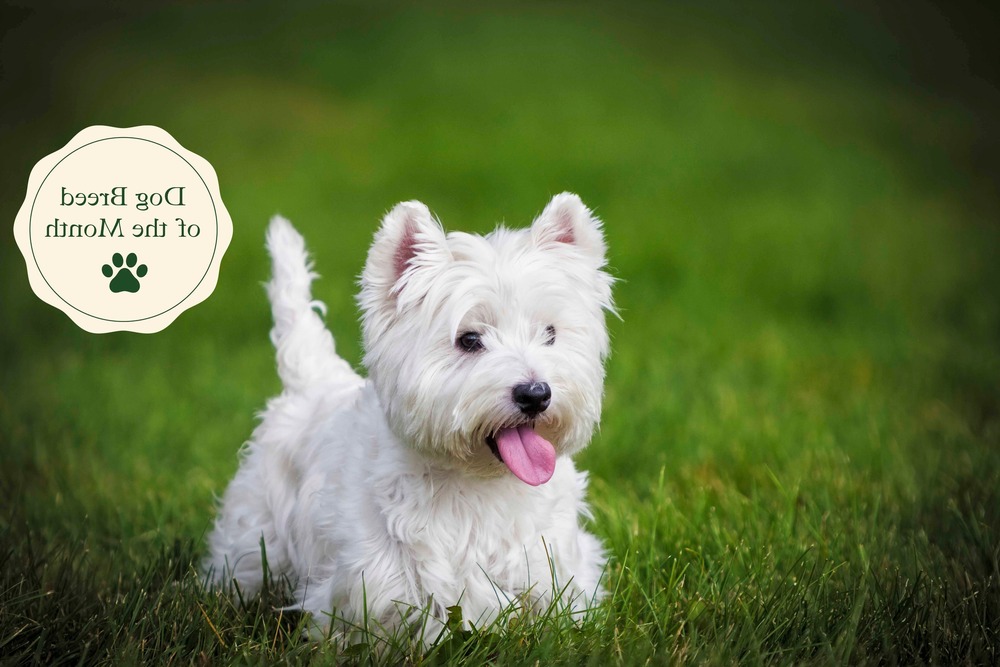
Most people describe Westies as small, sturdy, and full of character. Breed guides vary in the exact measurements, but you can generally expect a compact terrier with a harsh outer coat, a softer undercoat, and a distinctly “up and ready” expression.1
- Size: small, but not delicate
- Coat: white double coat, usually needs regular grooming
- Exercise: typically benefits from daily walks and play, often up to about an hour in total depending on age and health1
- Temperament: alert and independent, usually friendly with their people when handled with consistency2
History and origin
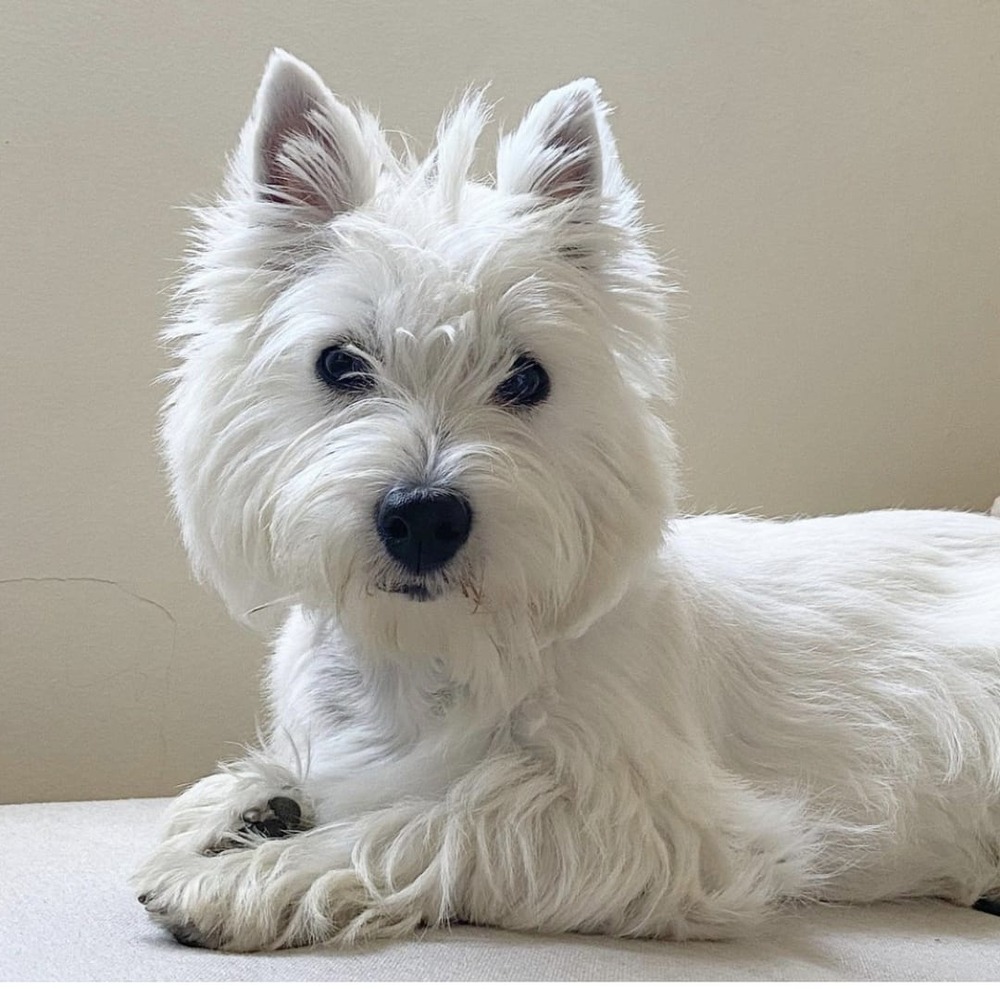
The Westie developed in Scotland from working terrier stock, valued for going to ground and shifting vermin and small game. Their white coat was not just an aesthetic choice. It also helped handlers keep sight of a fast-moving dog in rough country and avoid confusion with quarry.1
One influential thread in the breed’s story is the white strain developed by the Malcolms of Poltalloch in the 19th century. Over time, the “Poltalloch terrier” name gave way to the West Highland White Terrier, and the breed was recognised by The Kennel Club in 1907.1
That working heritage still shows up in everyday behaviour. Many Westies love to investigate hedge lines, follow scent trails, and dig with enthusiasm. It is not “naughtiness” so much as a terrier doing terrier things, then learning what is allowed in your home.
Physical characteristics (and what they mean for care)
Westies are known for a weather-resistant coat with a harsher top layer and a softer undercoat. That texture helps protect skin from scrapes and damp, but it also means grooming is more than cosmetic. Coat care is part of skin care for many individuals, especially those prone to itch and flare-ups.2, 6
The classic Westie outline includes a compact body, upright ears, and a tail carried confidently. Their build can look “cute and round” when the coat is grown out, but underneath they are athletic little dogs that often enjoy brisk walks, short bursts of play, and problem-solving games.
Temperament and behaviour
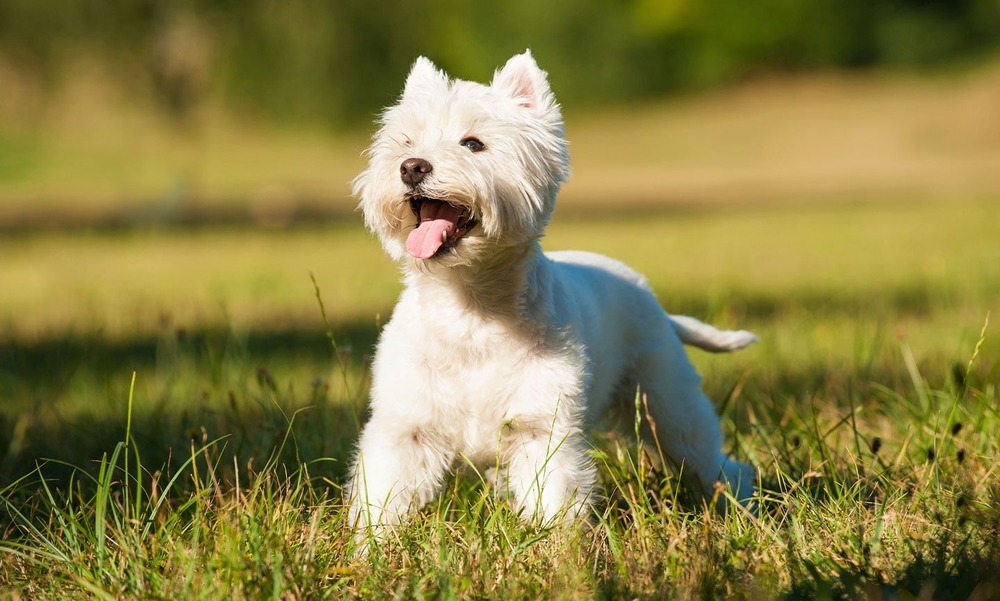
A Westie is often friendly and engaging, but the breed reputation for independence is worth taking seriously. They tend to notice everything: movement at the front fence, birds in the yard, the neighbour’s dog two houses away. That alertness can be charming, and it can also become a habit of barking if it is unintentionally reinforced.
With children, many Westies do well when kids are guided to handle them gently and give them space when they have had enough. Like plenty of small terriers, they may be less tolerant of rough grabbing or being disturbed while resting or eating. Calm supervision and early teaching on both sides is usually what makes the relationship work.2
With other pets, it helps to remember what they were bred for. Some Westies live happily with cats and other dogs, especially with careful introductions. Others have a strong chase response with smaller animals. Supervision matters until you know what your individual dog is likely to do.
Training, socialisation, and barking

Westies are usually quick to learn patterns, including the ones you did not mean to teach. If barking brings attention, or jumping up reliably starts a game, those behaviours can strengthen over time. The approach that tends to hold up best is reward-based training, where you reinforce what you want and manage the environment so unwanted behaviour is not repeatedly practised.3, 4
It can be tempting to “stamp out” barking or stubborn moments with harsh corrections. The problem is that aversive methods can interfere with learning and may increase fear or distress in some dogs. Most reputable welfare and training organisations now recommend focusing on rewards, management, and clear, consistent cues instead.3, 5
Practical training themes that suit many Westies include:
- Short, upbeat sessions, rather than long drills
- Teaching a reliable recall and a “leave it”, which is helpful for chasing and scavenging
- Building calm greetings, so excitement does not become jumping or nipping
- Providing legal outlets for terrier behaviour, like sniff walks, digging in a designated spot, and food puzzles
Exercise and enrichment
Most Westies benefit from daily exercise that includes both movement and sniffing time. Breed guidance commonly suggests up to around an hour a day, but your dog’s age, fitness, and health history should shape what is realistic.1
If you are trying to prevent boredom behaviours, it helps to think in terms of “use the brain, then use the body”. A sniffy walk with small training moments (sit at kerbs, brief recall games, reward for checking in) often settles a Westie more effectively than simply covering distance.
Health and lifespan (with a focus on skin)

Westies are often long-lived little dogs, and many reach their teens with good care. Still, the breed is widely recognised as predisposed to skin disease, particularly allergic skin conditions such as canine atopic dermatitis. This typically shows up as ongoing itch, licking of feet, facial rubbing, recurrent ear issues, or repeated skin infections.6, 7
Skin problems can be frustrating because they are not always “one simple cause”. Environmental allergies, food sensitivities, parasites, and secondary infections can overlap. If a Westie is itchy, the most useful mindset is often: treat the flare, then look for patterns. Your vet may recommend parasite control, medicated washes, changes to diet trials, and longer-term plans such as anti-itch medication or immunotherapy depending on the case.6, 7
If you are choosing a puppy, it is reasonable to ask a breeder what they see most commonly in their lines, particularly around skin and ears, and what steps they take to select for healthier dogs. If you already have a Westie, keep records of flare-ups, including season, diet changes, new grasses, or household products. Small notes can become surprisingly helpful over time.
Grooming and maintenance
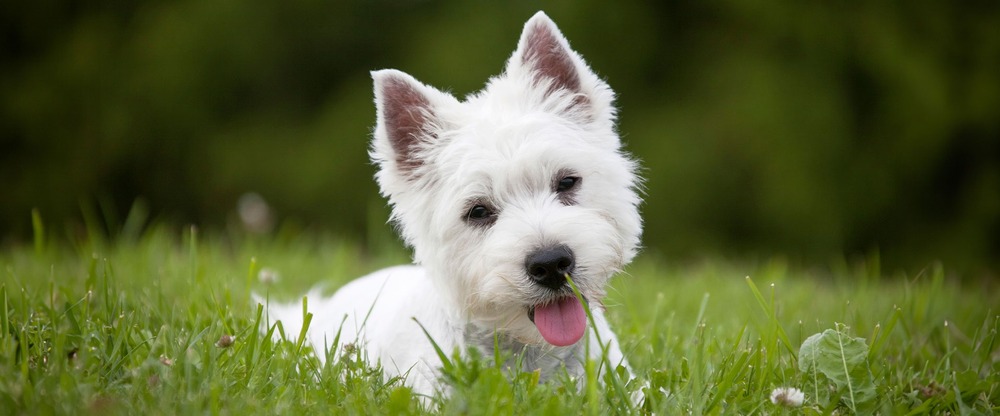
Westie grooming is sometimes described as low shedding, but it is not low effort. Their coat usually benefits from regular brushing and routine trimming. Some owners choose hand-stripping for a traditional harsh coat texture, while others clip for convenience. Either way, regular grooming prevents mats that can trap moisture and irritate skin, particularly on the legs, belly, and behind the ears.
For Westies prone to itch, your vet may recommend specific bathing schedules and products. This is one area where “more” is not always better, since overwashing with the wrong shampoo can worsen dryness. Aim for a plan that suits your dog’s skin, not a one-size routine from a grooming chart.6
Diet and nutrition
There is no single perfect diet for all Westies, but consistency and suitability matter. If your dog has ongoing skin or ear issues, your vet may suggest a carefully controlled diet trial to check for adverse food reactions. These trials need to be done properly to be useful, usually with a veterinary prescription diet and strict avoidance of extras during the trial period.7
For everyday feeding, focus on a complete and balanced diet appropriate to life stage, keep treats in proportion, and watch weight. A small dog carrying extra kilos can put more strain on joints and may find exercise less comfortable over time.
Is a Westie a good match for you?

A Westie often suits people who like a dog with opinions, enjoy a bit of training, and do not mind ongoing grooming. They can live happily in smaller homes if their daily needs are met, but they are not a “decorate the couch” breed. Their terrier heritage tends to come with curiosity, persistence, and a willingness to speak up.
If you are drawn to that bright Westie presence, it helps to plan for it. Choose training support early, make grooming part of life, and take skin health seriously from the start. In return, many owners find they have a small dog with a lot of heart, and a surprisingly sturdy ability to slot into the rhythms of family life.1, 2
References
- The Kennel Club: West Highland White Terrier (breed information)
- American Kennel Club: West Highland White Terrier (breed overview)
- RSPCA Knowledgebase: What is reward-based dog training and why does the RSPCA support it?
- RSPCA ACT: Dog Training School (reward-based training approach)
- RSPCA Australia: The deal with dog training, the good, the bad and the ugly
- Merck Veterinary Manual: Canine Atopic Dermatitis
- Veterinary Information Network (VIN): Food allergy and adverse food reactions in dogs (overview)
- WSAVA: Global Nutrition Guidelines
- Association of Pet Dog Trainers Australia (APDT): Position Statements (positive reinforcement and humane training)