

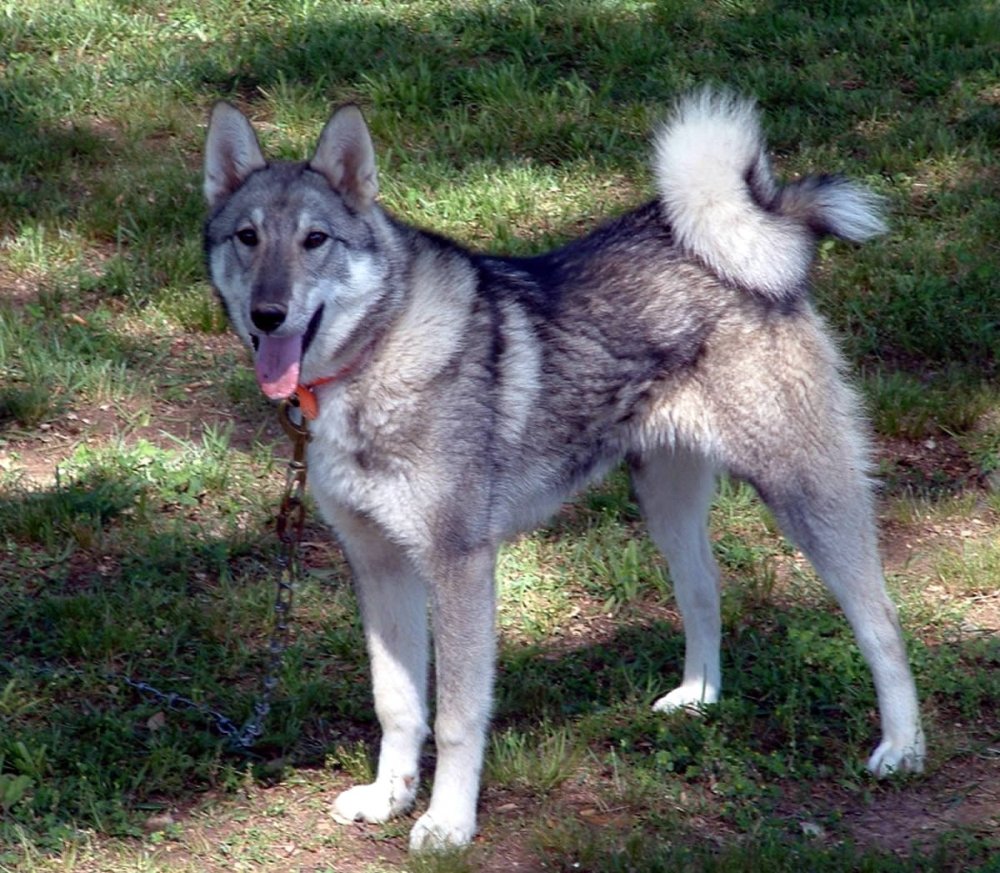
- Breed category: Working, hunting dog
- Country of origin: Russia
- Average height: Males 55 to 62 cm, females 51 to 58 cm1
- Average weight: About 16 to 25 kg (varies by sex and build)
- Average life span: Around 12 to 15 years
- Grooming requirements: Moderate, regular brushing
- Exercise requirements: High, daily physical and mental work
- Coat type: Dense double coat
- Coat colours: Greys and reds common, white also seen (standards vary by registry)1, 2
- Shedding level: Moderate to high, seasonal “coat blow”
- Ear type: Erect, triangular
- Tail type: Curled over back
- Temperament: Alert, independent, people-oriented with its own family
- Training ease: Moderate, often best with experienced handling
- Best suited for: Active homes with space and a job to do
You usually hear about the West Siberian Laika because you have met one, seen a photo that looks a bit “wolfy”, or started wondering why some medium-sized spitz dogs seem so switched on outdoors and so unimpressed by lounge-room life. They can look tidy and self-contained, but they are not a decorative northern breed.
What tends to catch people out is the combination of athletic stamina and a very practical, task-focused way of moving through the world. If you are expecting eager-to-please retriever energy, or the easy sociability of many companion breeds, the Laika can feel like it is keeping its own counsel.
When the match is right, though, this is a dog that can share a huge amount of life with you, especially if your days include real walking, training, and time in nature. The tricky bit is making room for the instincts that made the breed valuable in the first place.
Where the breed comes from, and what it was built to do
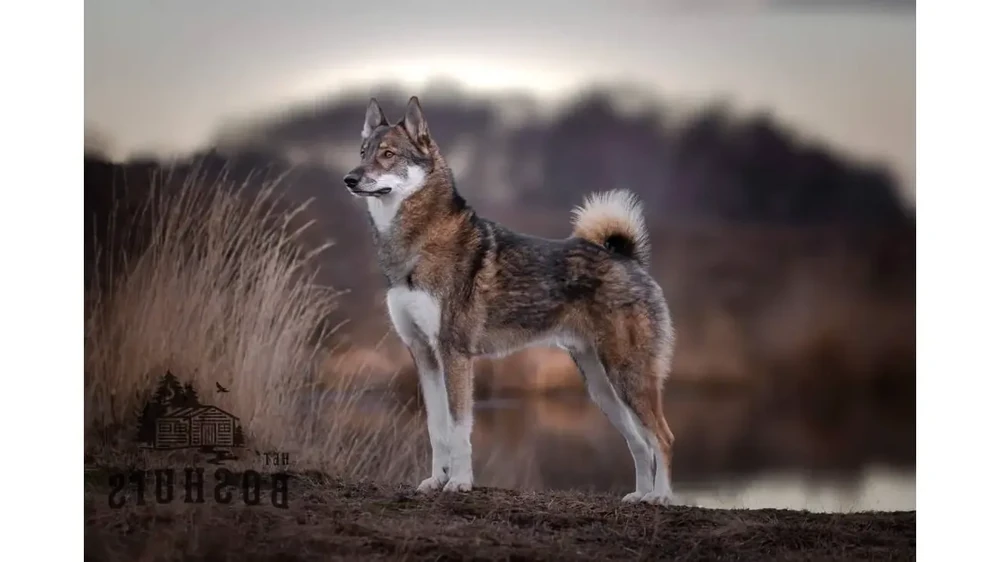
The West Siberian Laika developed from northern hunting dog types associated with the Khanty and Mansi peoples of the Ural and West Siberian regions.3, 4 Rather than being created for a single modern sport, these dogs were valued as practical partners: able to travel, cope with cold, work independently at distance, and indicate game by voice.
That history still shows up in everyday behaviour. Many West Siberian Laikas do not naturally “check in” every few seconds the way some gundogs do. They can work a scent line, make decisions, and keep going. In a suburban setting, the same trait can look like wandering off if the foundations are not in place.
In international breed classification, the West Siberian Laika is listed by the Federation Cynologique Internationale (FCI) in Group 5 (Spitz and primitive types), in the Nordic hunting dogs section.1
Appearance, coat, and the bits that matter in daily life
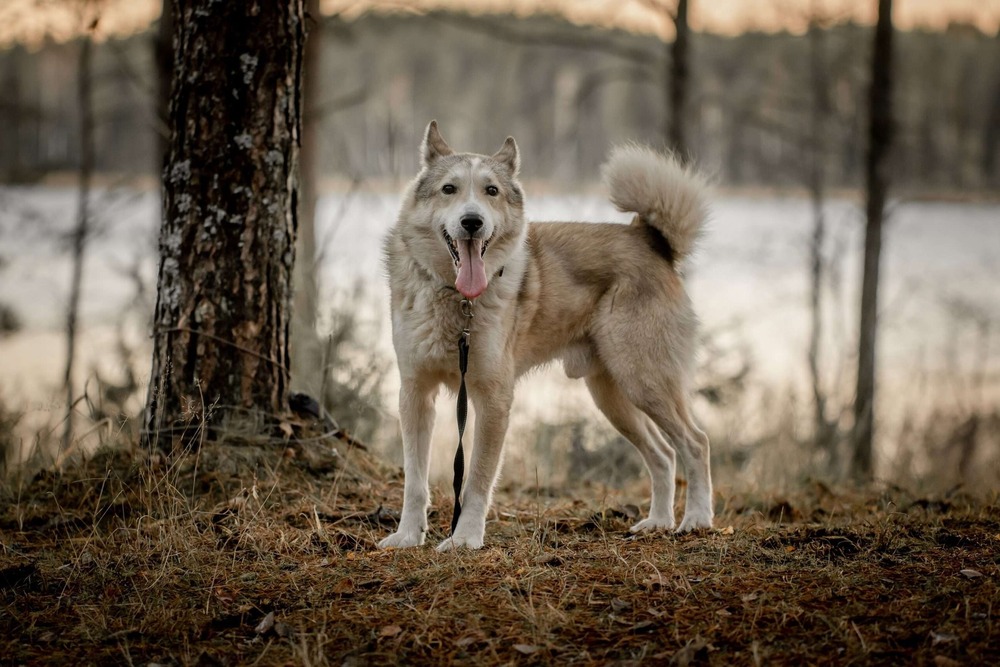
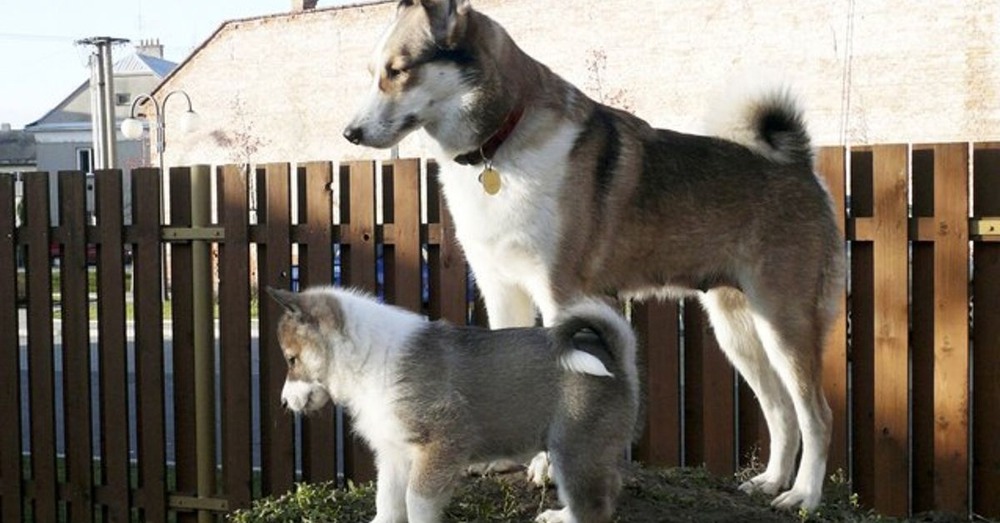
The first thing most people notice is the outline: pricked ears, wedge-shaped head, and a tail carried curled over the back. The build is medium-sized and capable rather than bulky, with a strong, efficient gait that suits long hours on the move.
The coat is a true working double coat, with a harsh outer layer and a dense undercoat.2 It is designed to protect in cold, wet conditions, and it does that job well. The trade-off is shedding, including seasonal moults that can feel like they arrive all at once.
Colours vary, and what is “accepted” depends on the registry and standard being used. For example, FCI and UKC standards describe overlapping but not identical ranges of colours.1, 2 For most owners, colour matters far less than coat density, skin health, and how well the dog is coping with the local climate.
Temperament, independence, and what “loyal” looks like in a Laika
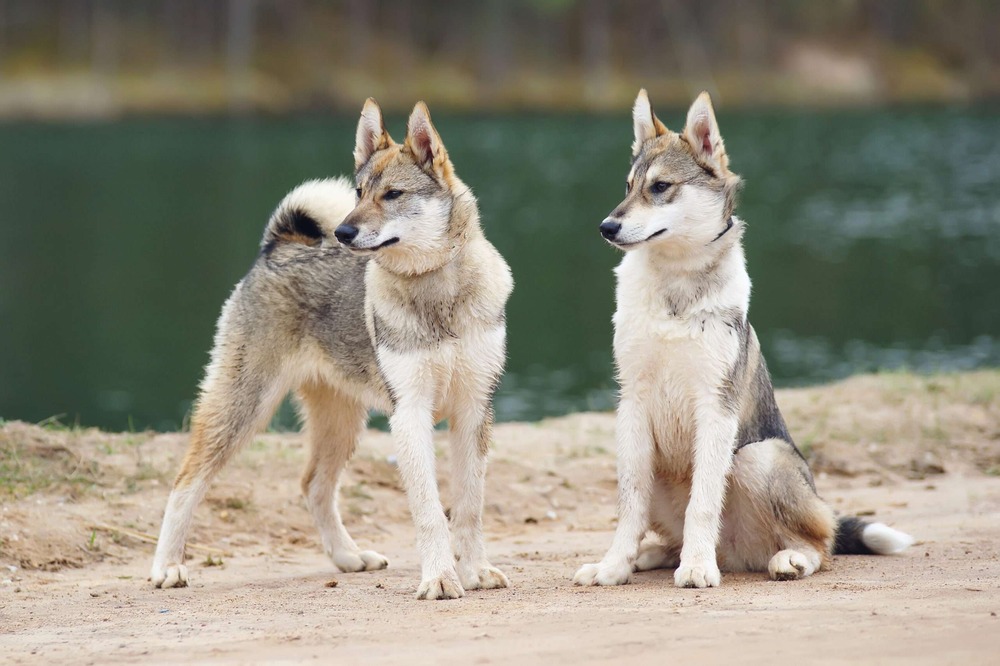
A well-bred, well-raised West Siberian Laika is often deeply attached to its own people, but it may show that attachment differently to the breeds many Australians are used to. There can be plenty of warmth, but less automatic deference.
It also helps to expect environmental awareness. Many Laikas notice movement, sound, and new scents quickly. This can be wonderful on a hike, and tiring on a busy street unless you have taught the dog how to settle and filter stimulation.
Some individuals are reserved with strangers. That does not necessarily mean fear or hostility, it can simply be a “watch first” approach. Early, thoughtful socialisation helps a lot here, particularly if the dog is going to live in a neighbourhood where people appear at fences, in driveways, and on shared paths.
Living with prey drive and other pets
It is common for the breed to have a strong instinct to chase and track. This is not “bad behaviour” so much as working behaviour in the wrong place. The safest approach is management first, training second, and optimism last.
If you have cats, rabbits, poultry, or small dogs, assume you will need careful introductions, supervision, and secure fencing. Some West Siberian Laikas can live peacefully with other animals, particularly if raised with them, but it is not something to gamble on.
- Use a long line while recall is being built.
- Practise calm, structured exposure to wildlife smells and movement, rather than letting the dog self-reward by chasing.
- Keep doors, gates, and yard barriers boringly reliable.
Training and exercise that actually suits the breed
These dogs tend to do best with training that is clear, consistent, and practical. Positive reinforcement is a good fit, but it works best when the rewards are meaningful and the sessions are not repetitive. A Laika often learns patterns quickly, including the unhelpful ones, so it pays to be deliberate about what you are rehearsing.
Exercise needs are high, but it is not only about kilometres. The Laika brain often wants a job: scent work, tracking games, structured hikes, and obedience foundations that transfer to real life. A quick lap around the block can leave the dog physically underdone and mentally restless.
If you are choosing between “more running” and “more skill”, many Laikas benefit from more skill. Teach a settle. Teach a recall you can trust. Teach cooperative handling for grooming and vet visits. Those are the things that make an active dog easier to live with long-term.
Heat, summer management, and why thick coats need planning
Cold tolerance is part of the breed’s design, but Australian summers can be a different story. A dense double coat can make heat management more complicated, especially when exercise, excitement, and humidity stack up. The aim is not to avoid summer, it is to plan around it.
In NSW veterinary data analysed over two decades, an Australian study reported that the risk of death in dogs rose on extreme heat days (defined in that analysis as above 32 degrees C).5 That kind of finding is not breed-specific, but it is a useful reminder that heat is not just discomfort, it can be a genuine welfare risk.
Practical habits that help:
- Walk early and late, and make midday a rest window.
- Offer shade, ventilation, and cool water, and do not assume a dog will “self-limit” exercise.
- Learn the signs of heatstroke such as escalating panting, vomiting, weakness, or collapse, and treat it as urgent.6
And it is worth saying plainly: leaving a dog in a parked car is dangerous, even on mild days. RSPCA WA notes that car temperatures can rise very quickly and that shade or cracked windows provide little or no relief.7
Health, lifespan, and sensible screening
The West Siberian Laika is often described as a generally robust breed, but “hardy” is not the same as “immune to problems”. Like many medium-to-large active dogs, hip dysplasia can be a concern, and it is one reason ethical breeders use screening and make careful mating choices.
If you are buying a puppy, ask what health testing has been done, and whether results are recorded in a recognised system. In the United States, the Orthopedic Foundation for Animals (OFA) is one widely used registry for canine health screening information, including hips.8 If you are in Australia, your breeder may use other schemes and veterinary documentation, but the principle is the same: ask for evidence, not reassurance.
A lifespan of around 12 to 15 years is often cited for the breed, and the basics still matter most: healthy weight, consistent exercise, parasite prevention, dental care, and vet check-ups that are not only for emergencies.
Grooming, shedding, and coat care that respects the double coat
Grooming is rarely “hard”, but it is steady. Weekly brushing is a good baseline for many dogs, and during seasonal shedding you may brush far more often. An undercoat rake can help when the coat is blowing, and a slicker brush can tidy the top coat.
Try to think of grooming as maintenance rather than makeover. The coat has a protective function, so avoid shaving unless your veterinarian has recommended it for a medical reason. If you are dealing with mats, skin irritation, or heavy shedding outside normal seasonal patterns, it is worth checking for underlying issues such as parasites or dermatitis.
Most Laikas do not need frequent baths. Bathing too often can dry the skin and make the coat less effective, particularly if you are using harsh products.
Feeding and keeping condition steady
These dogs tend to look their best when they are lean and fit, with muscle over the back end and a clear waist. Because they are active and intelligent, it can be easy to overdo treats during training, especially when you are working on recall and engagement outdoors.
A good-quality complete diet that suits the dog’s life stage is a sensible starting point. If you are unsure, a vet is the right person to help you adjust intake to the dog you have in front of you, not the “average” dog on a chart.
Be cautious with high-energy dogs that bolt meals and then exercise hard. Simple management, such as calmer post-meal routines and measured portions, can prevent problems before they start.
A thoughtful match, not a fantasy one
The West Siberian Laika suits people who like being outside, who notice small changes in behaviour, and who are happy to train for real life rather than a perfect demo. If you enjoy building skills, reading your dog’s thresholds, and giving a capable animal a job, it can be a very satisfying partnership.
If, on the other hand, what you really want is a low-drive companion that will happily accept a small routine and a small yard, there are plenty of wonderful breeds that fit that brief more comfortably. With a Laika, the goal is not to suppress what it is, but to shape it into a life that works for both of you.
References
- Federation Cynologique Internationale (FCI): West Siberian Laika (No. 306)
- United Kennel Club (UKC): West Siberian Laika breed standard
- Wikipedia: West Siberian Laika (overview and history summary)
- FCI: Classification details for West Siberian Laika (Group 5, Nordic hunting dogs)
- UNSW Newsroom: Extreme heat linked to increased pet dog deaths (NSW veterinary data analysis)
- RSPCA Pet Insurance (Australia): Heatstroke guide for cats and dogs
- RSPCA WA: Dogs in hot cars
- Orthopedic Foundation for Animals (OFA): Canine health testing registry