

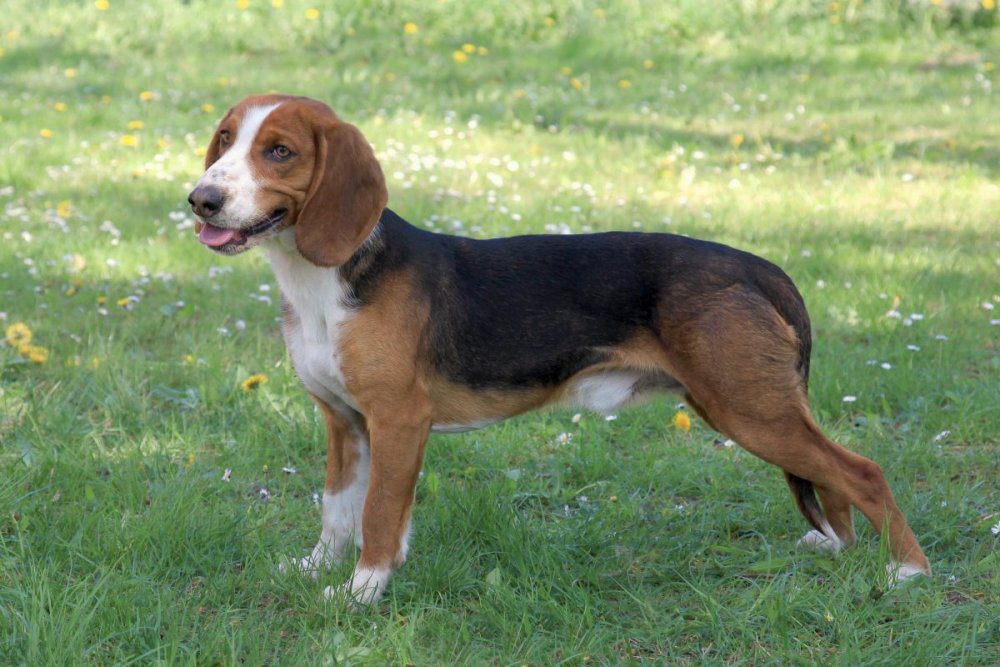
You might come across the Westphalian Dachsbracke after seeing a compact, short-legged hound that looks a little like a Dachshund but moves and works like a true scenthound. Or you might simply notice the name in hunting circles and wonder what sort of dog sits behind it.
It is easy to assume that “small hound” means “easy pet”. In practice, a dog bred to follow scent for hours brings a particular set of needs into everyday life, namely movement, time outdoors, and a home that understands what a nose-led dog does best.
When you look past the novelty of the silhouette, the Westphalian Dachsbracke starts to make sense as a purposeful working breed. If you are considering one, or you are trying to meet the needs of a similar scent hound, it helps to understand where the breed came from, how it is built, and what good care looks like day to day.
- Breed type: Small scenthound (FCI Group 6)
- Country of origin: Germany
- Typical height: About 30 to 38 cm at the withers1
- Coat: Dense, harsh, short on head and legs, longer over back and underside of tail2
- Colour: Red to yellow with black saddle or mantle, plus white hound markings (varies by standard wording)2
- What they were bred for: Scent tracking and hunting work, with a required working trial in the FCI system1
Where the breed comes from, and why it looks the way it does
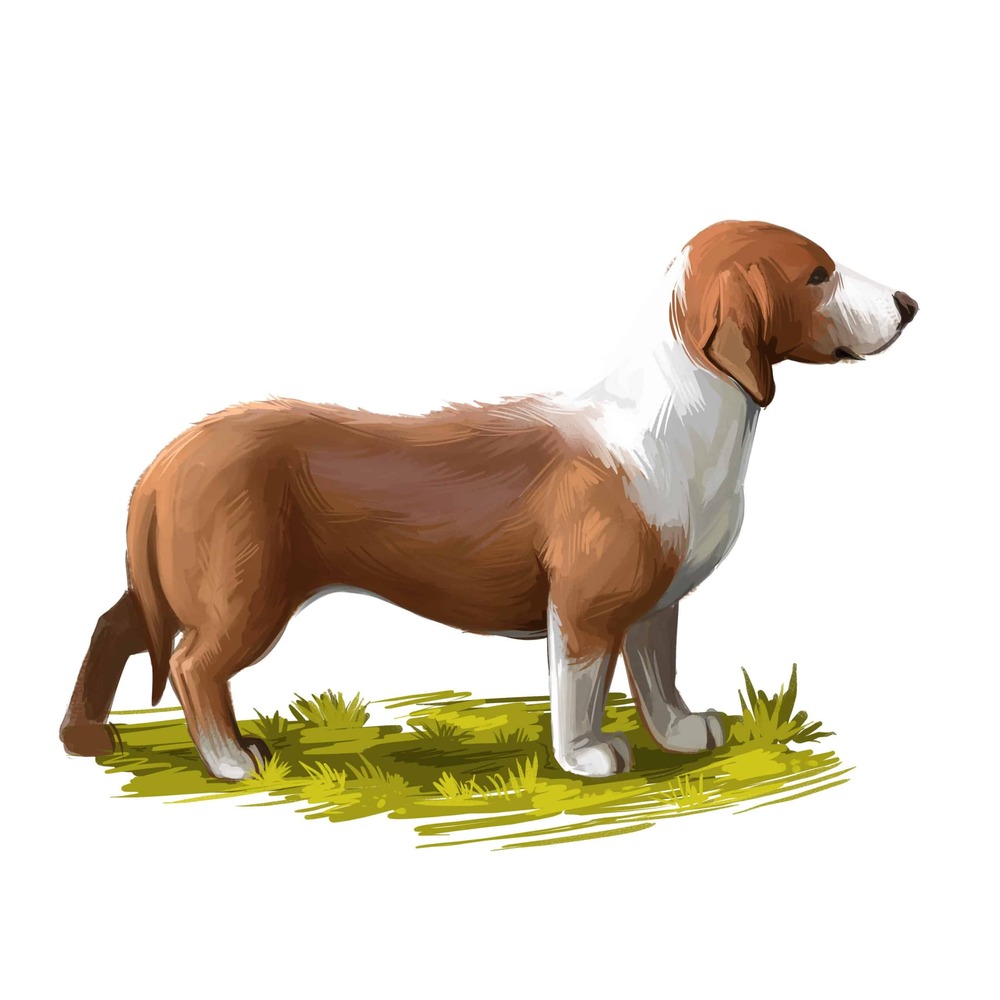
The breed name points you straight to its roots: Westphalia, in Germany. The Westphalian Dachsbracke is recognised by the Federation Cynologique Internationale (FCI) as a small-sized hound, and it sits in the wider family of German “Bracke” type scenthounds.1
In the late 1800s, hunters in the Rhineland and Westphalia worked towards breeding a smaller, capable hound that could stay on scent and work in demanding terrain. The result was a low-set dog that could push through undergrowth, keep going over distance, and remain steady on the trail, which still describes the job it is shaped to do today.2
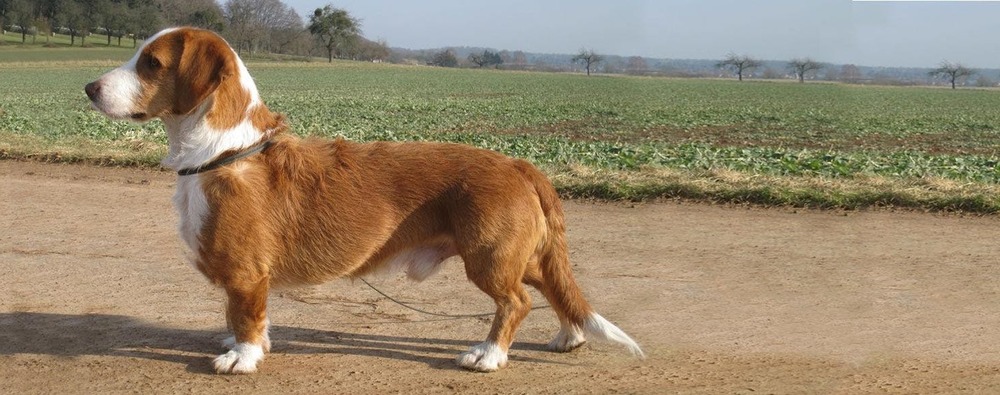
That long body and shorter leg are not simply a “cute” feature. They are part of a design brief: a dog that can move efficiently through dense cover while keeping its nose close to the ground. In day-to-day pet life, that often shows up as a dog that loves to sniff, follow trails, and investigate with persistence.
Temperament in real homes, and what suitability really means
People often describe scenthounds as friendly and companionable, and many are. With the Westphalian Dachsbracke, it is more useful to think in terms of working priorities. A dog bred to follow scent may be social and affectionate at home, but outdoors its attention can narrow quickly if something interesting is on the ground.
This matters for everyday management. Secure fencing, a thoughtful approach to off-lead time, and a recall plan that is trained patiently can make the difference between a dog that is a joy to live with and a dog that constantly rehearses disappearing to “finish the job”.
With children and other animals, outcomes tend to be best when the dog is well socialised early and when adults supervise interactions. “Gets along” is not a fixed trait, it is a mix of genetics, learning history, and the environment you provide.
What tends to work well
- Active households that enjoy daily walks and outdoor time.
- Owners who like training that feels like a collaboration, not a contest.
- People who genuinely enjoy dogs being dogs, including sniffing, exploring, and a bit of mud now and then.
What can be challenging
- Long days with little exercise or enrichment.
- Unsecured yards, or frequent off-lead access in unfenced areas without a strong recall.
- Expecting the dog to be content with quick “toilet walks” for most of its life.
Training and exercise for a nose-led dog
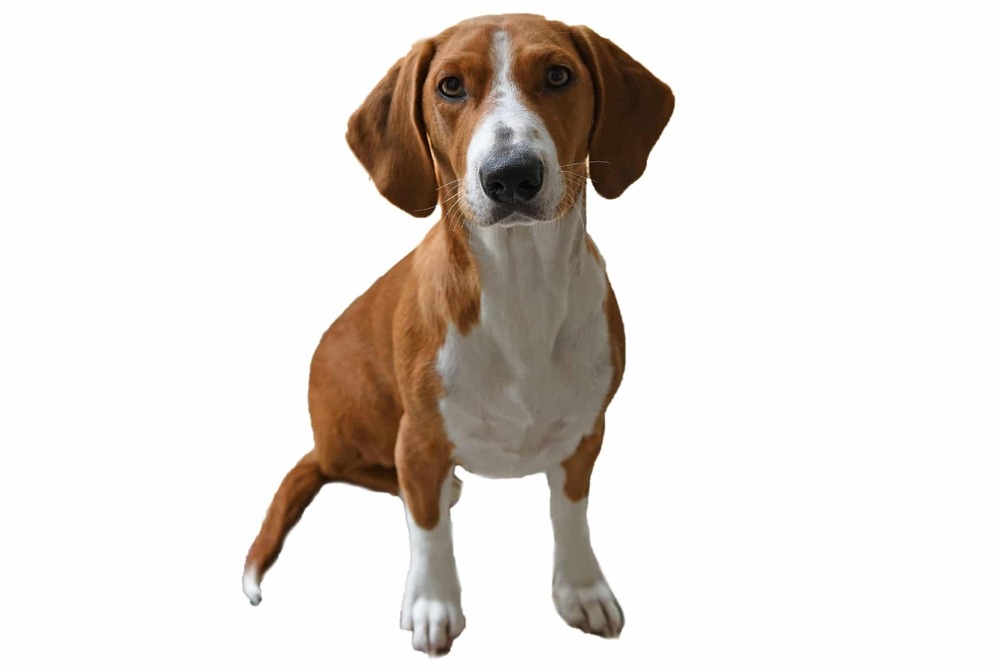
Training a scenthound is often less about teaching new behaviours and more about building habits that hold up when the world gets interesting. That is why trainers and welfare organisations tend to emphasise reward-based training. It helps you reinforce the behaviour you want without creating unnecessary conflict or fear around everyday handling and cues.3
Exercise is not just about burning energy, either. For many dogs, especially hounds, sniffing is a form of enrichment. The RSPCA highlights the value of daily walks and giving dogs the chance to sniff, explore, and engage their senses in safe ways.4
If you are trying to meet the needs of a Westphalian Dachsbracke, aim for a rhythm that includes both physical movement and “brain work”. A good day might include a walk where the dog can sniff at its own pace, plus a short training session, plus a food puzzle or a simple scent game at home.
Simple enrichment ideas that suit hounds
- Scatter feeding in grass (or a snuffle mat indoors) for slow, purposeful foraging.
- Short “find it” games with treats or a favourite toy.
- Rotating toys rather than leaving everything out all the time, to keep novelty intact.4
Exercise also needs to be safe and appropriate for the individual dog, especially for young dogs still growing or older dogs with joint stiffness. Australian animal welfare guidance recommends checking conditions like heat, avoiding overdoing it, and asking your vet what suits your own dog’s age and health status.5
Health considerations, with practical care that actually helps
Like many breeds, Westphalian Dachsbrackes can be affected by common canine issues rather than a long list of breed-exclusive problems. Two topics that come up often with hounds are joints and ears.
Hip dysplasia is a developmental condition involving hip joint laxity that can lead to pain and arthritis over time. Genetics are a major risk factor, and body weight and growth rate can influence how the condition plays out, which is one reason vets take a long view on keeping dogs lean and well-muscled throughout life.6
Ear trouble is also worth treating as routine prevention, not a surprise. Drop ears can reduce airflow, and active outdoor dogs pick up moisture, debris, and plant material. Australian veterinary prescribing guidance for ear disease stresses the importance of proper diagnosis (including cytology) and considering underlying causes in chronic or recurrent cases, rather than repeatedly guessing with treatments.7
Everyday habits that support health
- Keep them lean and monitor body condition regularly, not just the number on the scales.8
- Use controlled, consistent exercise to maintain muscle and joint support.
- Check ears after swims and bush walks, and talk to your vet early if you notice smell, redness, head shaking, or sensitivity.
Coat care, grooming, and the small maintenance jobs that add up
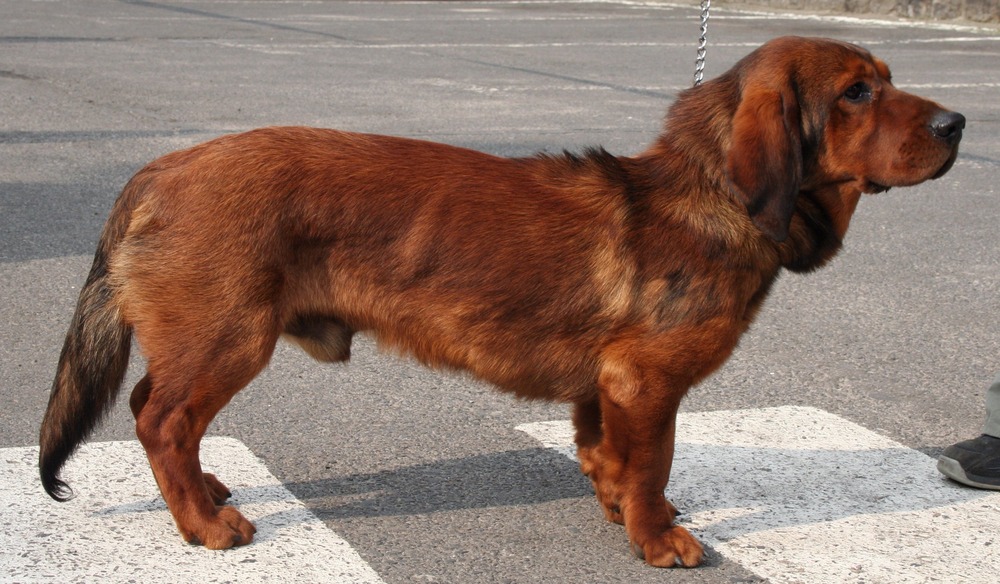
The coat is generally practical rather than fussy. Breed descriptions emphasise dense, harsh hair, short on the head and legs and longer over parts of the back, neck, and underside of the tail. That is a coat built for weather and brush, not for high-gloss styling.2
For most households, occasional brushing to remove loose hair and check the skin is enough. What matters more is the quiet routine: nails kept comfortable, teeth attended to, ears checked, and a quick “hands-on” scan after outings. Those small habits make it easier to spot changes early, when they are simpler to address.
Feeding well, without getting lost in dog food noise
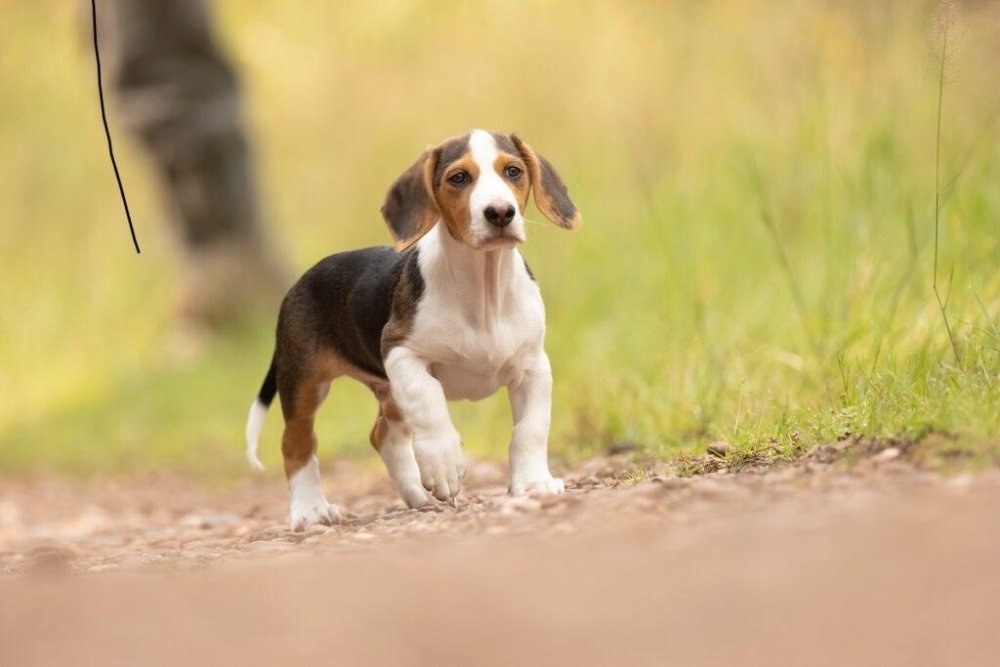
Hounds can be enthusiastic eaters, and it is surprisingly easy for “just a few extras” to become a pattern. The most helpful approach is to feed a complete and balanced diet that suits your dog’s life stage, then adjust portions based on condition, energy output, and what your vet sees at check-ups.
The WSAVA Global Nutrition Guidelines are widely used by veterinary teams because they focus on practical assessment, including diet history, body condition scoring, and tailoring recommendations to the individual animal. If you are unsure where to start, that framework is often a calmer way through the online confusion.8
Feeding pointers that tend to help
- Measure meals for a while, at least until you learn what keeps your dog in steady, healthy condition.
- Include treats in the daily total, rather than treating them as “free”.
- If weight creeps up, adjust early and gently, it is usually easier than a big correction later.
A quick note on recognition and breed context
You may see conflicting dates online for recognition, and it usually comes down to which organisation is being referenced. The Westphalian Dachsbracke is listed by the FCI as recognised on a definitive basis, with an acceptance date shown as 29 November 1954, and standard publication dates varying by language version.1
It is also helpful to understand the breed in context: it is often described as a small, short-legged version of the Deutsche Bracke type, and it has historical connections to other scenthound development in Europe. Looking at that family resemblance can make the breed’s behaviour far more predictable, especially the way it uses scent and the stamina it brings to a walk.9
Living with a Westphalian Dachsbracke, in plain terms
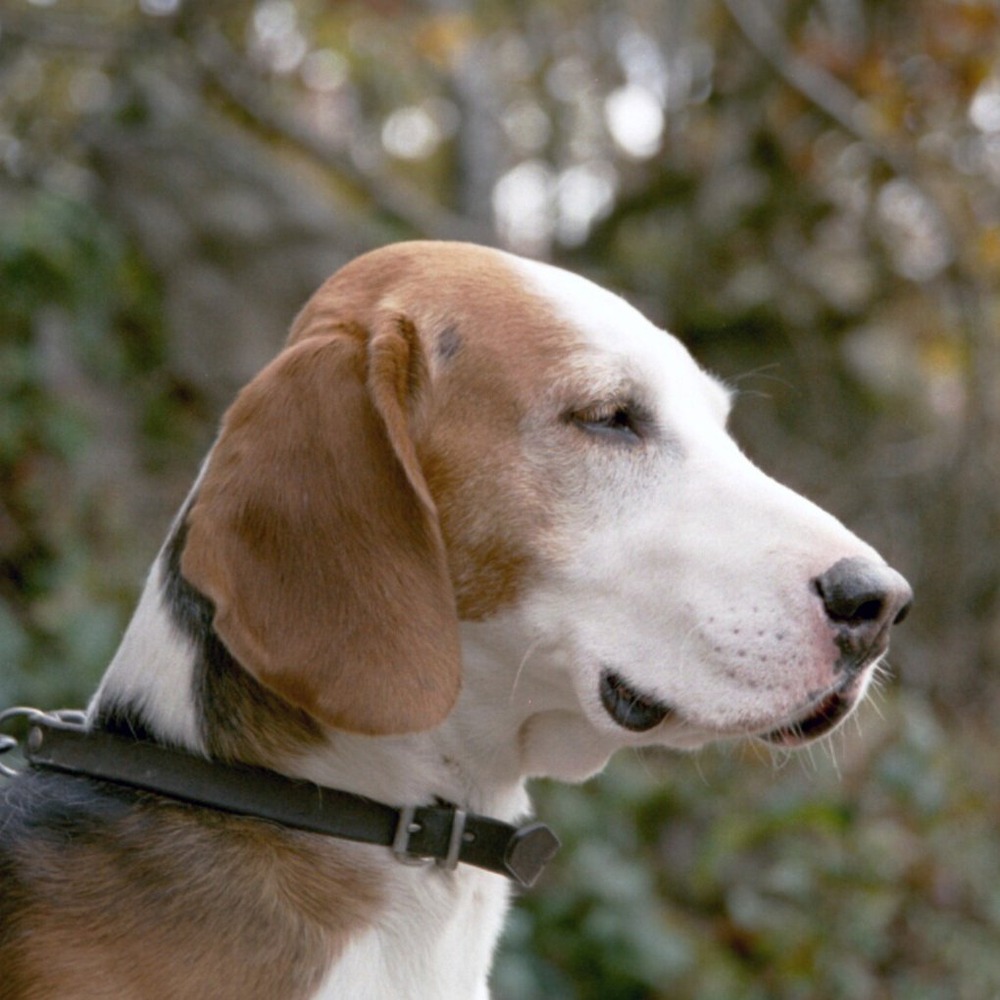
The best part of this breed is also the part you have to plan for. A Westphalian Dachsbracke is built for patient, determined scent work, and that often shows up as a dog that takes its time outdoors and notices everything. If you can make room for that, through long sniffy walks, enrichment at home, and training that respects how the dog’s brain works, they can be steady, enjoyable companions.
If you cannot, it is not a failure, it is a mismatch. Choosing a breed that suits your daily life is one of the kindest decisions you can make for a dog and for yourself.
References
- FCI: Westphalian Dachsbracke (Breed No. 100)
- VDH (Germany): Westfälische Dachsbracke breed description
- RSPCA Knowledgebase: Advice on caring for my dog (including reward-based training)
- RSPCA Australia: The importance of enrichment for dogs
- RSPCA Pet Insurance (Australia): How to safely exercise your dog or puppy
- American College of Veterinary Surgeons: Canine hip dysplasia overview
- University of Melbourne: Australian Veterinary Prescribing Guidelines (Ears and otitis externa)
- WSAVA: Global Nutrition Guidelines
- Wikipedia: Westphalian Dachsbracke (overview and related breed context)