

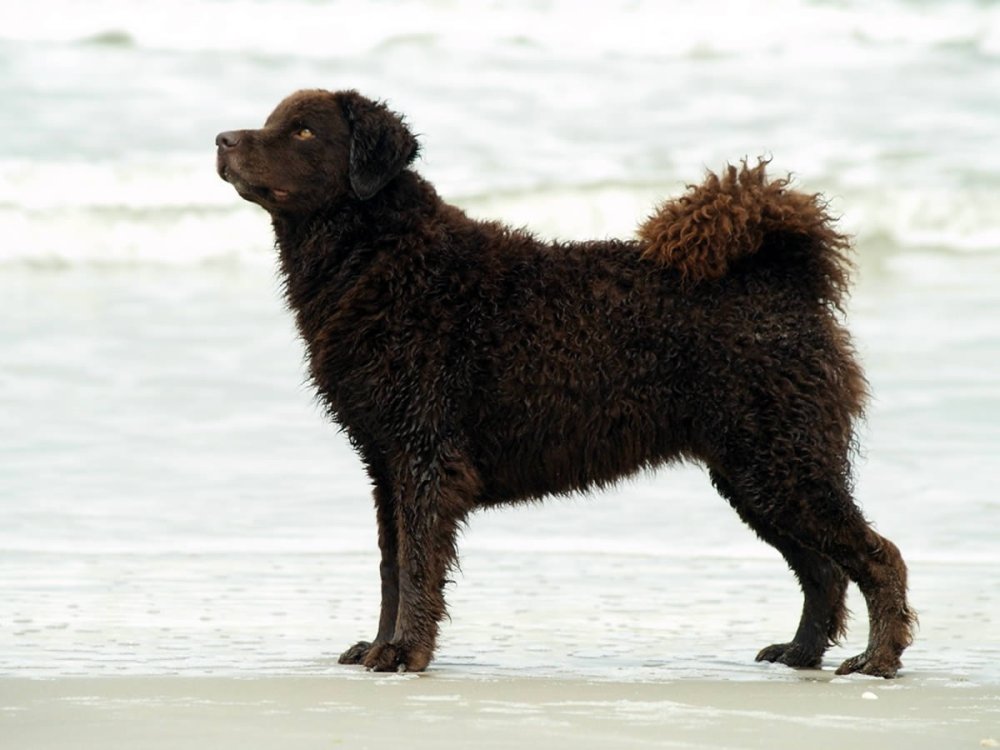
Sometimes you come across a dog that looks like it has stepped out of another landscape entirely. A Wetterhoun has that effect: a compact, curly coated dog with a tightly curled tail and a steady, watchful way of moving through the world. If you have only seen one in passing, it is easy to assume it is simply a “curly retriever type” and leave it at that.
But the Wetterhoun sits in a particular niche. It was shaped by wet country, practical work, and the sort of steady temperament that suits a dog expected to think for itself. That history still shows up today, in how they relate to strangers, how they cope with boredom, and what they need from the people who live with them.
For the right home, the Wetterhoun can be deeply rewarding, quiet in the house, purposeful outside, and loyal without being clingy. For the wrong fit, the same traits can feel challenging. Understanding what is “breed typical” helps you make sense of the dog in front of you.
- Breed category: Working, water dog (FCI Group 8)
- Country of origin: The Netherlands (Friesland)
- Typical height: About 55 to 59 cm at the withers
- Typical weight: About 25 to 35 kg
- Typical lifespan: Often 12 to 14 years
- Coat: Dense, curly, water-repellent, not woolly
- Colour: Black or brown, also with white markings (may show ticking)
- Temperament: Steady, independent minded, often reserved with strangers
- Exercise needs: High, best with daily physical and mental outlets
- Common concerns: Hip issues and ear infections can occur, as with many medium to larger breeds
History and origin
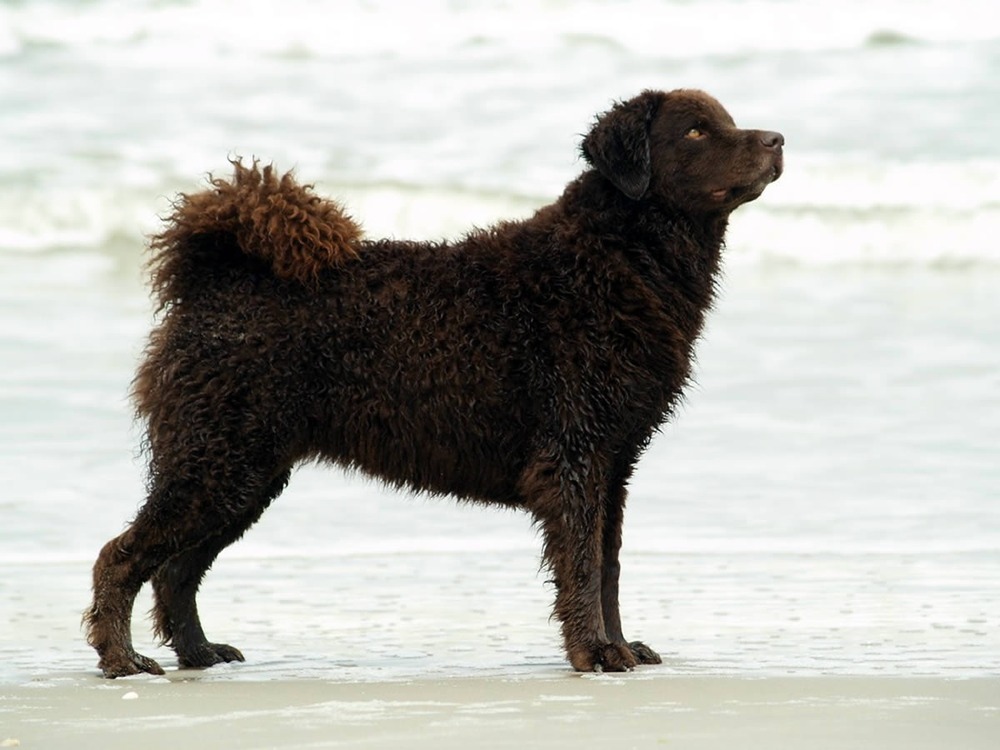
The Wetterhoun is a traditional Dutch breed from Friesland, developed for practical work around water and farms. The name is often translated as “Frisian Water Dog”, reflecting both geography and function.1, 2
Historically, these dogs were used for hunting and water work, including pursuits that demanded nerve and persistence in difficult conditions. Accounts commonly mention otter and polecat type quarry, as well as general small game and waterfowl work.1, 3
Today the breed is recognised internationally by the FCI (Federation Cynologique Internationale) and listed as a water dog in Group 8. The most reliable way to sanity check “breed facts” online is to come back to the formal standard and reputable kennel club sources, especially for details like size, coat texture, and overall structure.2
Practical takeaway: the Wetterhoun is not a modern designer cross with a curly coat. It is a purpose-bred working dog, and that tends to come with real stamina and independence.
Physical characteristics
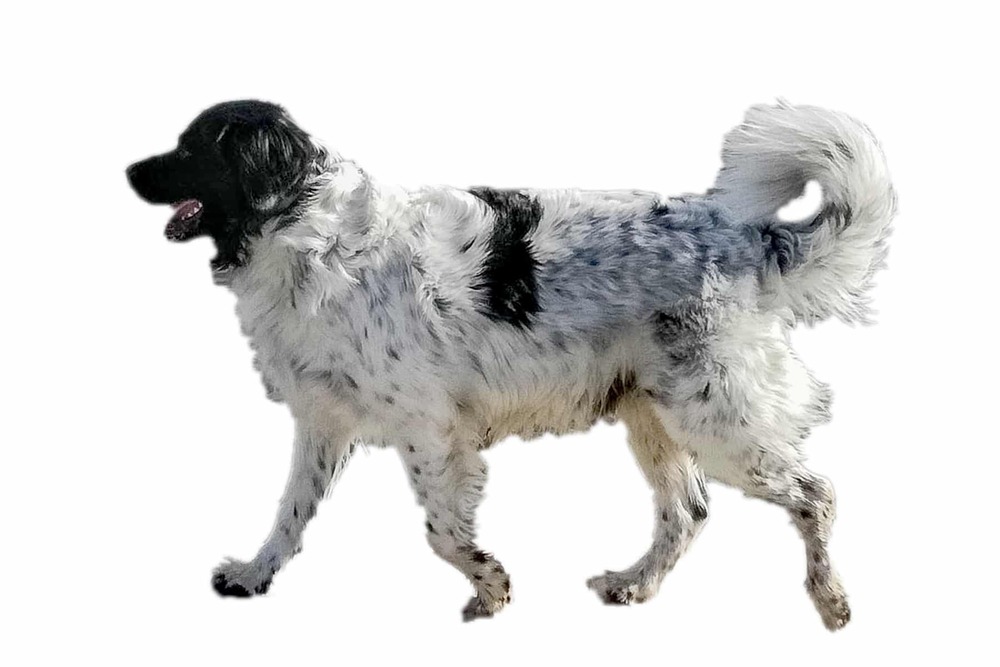
A mature Wetterhoun is medium sized but solidly built. Typical height is in the 55 to 59 cm range, with a commonly cited adult weight around 25 to 35 kg. They often look compact and powerful rather than leggy.1
The coat is one of the first things people notice. It is dense and curled, and described as water-repellent. Importantly, the coat should not be woolly, because that texture is not considered functional for water work in the breed standard.1
The head is strong, ears are low set and hang close, and the tail is carried in a tight curl over the back. Together, these details give the breed a distinctive silhouette, even from a distance.1
What owners often miss: curly does not automatically mean low maintenance. The coat can be easy enough with routine care, but it still benefits from regular hands-on checking, especially after swims and muddy outings.
Temperament and behaviour
People often describe Wetterhouns as loyal and steady, with a reserved edge around unfamiliar people. That can look like calmness, or it can look like watchfulness, depending on the dog and the context. Either way, it is worth respecting that many individuals are not naturally “everyone’s best mate”.1
They also tend to be independent minded. In a working context, that can be a strength, because the dog can problem-solve without constant direction. In a pet home, it means training is usually more about relationship, consistency, and clear expectations than about drilling commands.
With children and other pets, the usual rules apply: early socialisation, supervision, and realistic expectations. A dog bred for hunting work may have instincts that need thoughtful management around smaller animals, particularly outdoors where movement can switch a dog on quickly.
Helpful mindset: aim for calm predictability rather than constant excitement. Many Wetterhouns do best when life is steady, and the rules do not change from day to day.
Training and exercise needs
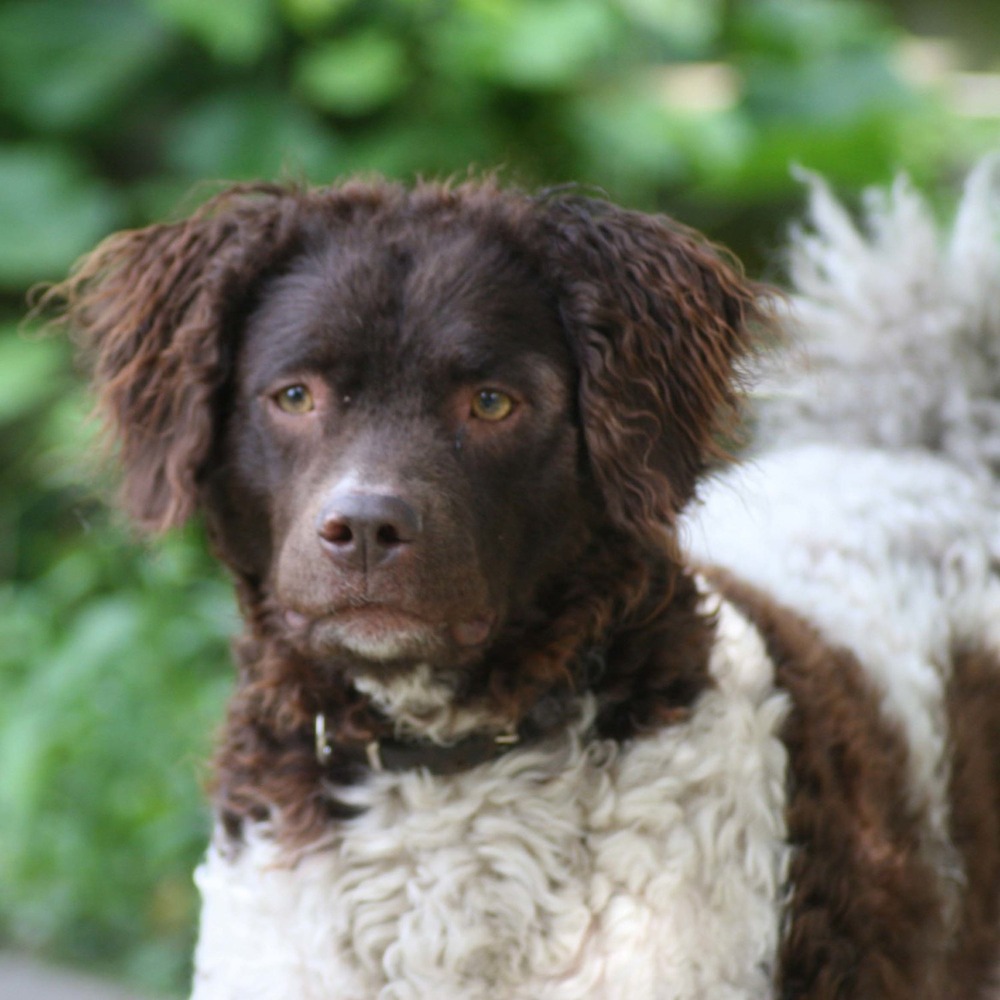
A Wetterhoun is typically described as a high energy dog, and the bigger issue is not just physical exercise. It is what happens when that energy has nowhere sensible to go. Daily movement matters, but so does enrichment, especially activities that allow sniffing, exploring, and using the brain.4, 5
Many owners find that short, consistent training sessions work better than long, repetitive ones. Reward-based methods tend to suit dogs that like to think for themselves. If you push too hard, you can end up with a dog that simply opts out.
If your Wetterhoun enjoys water, swimming can be an excellent low impact outlet, provided it is safe, supervised, and the dog is dried properly afterwards, especially the ears.5
- Daily walks with sniff time, not just marching from A to B
- Retrieving games, if the dog enjoys them, kept moderate rather than frantic
- Food puzzles and simple scent games at home
- Swimming or wetland walks where safe and permitted
Health and lifespan
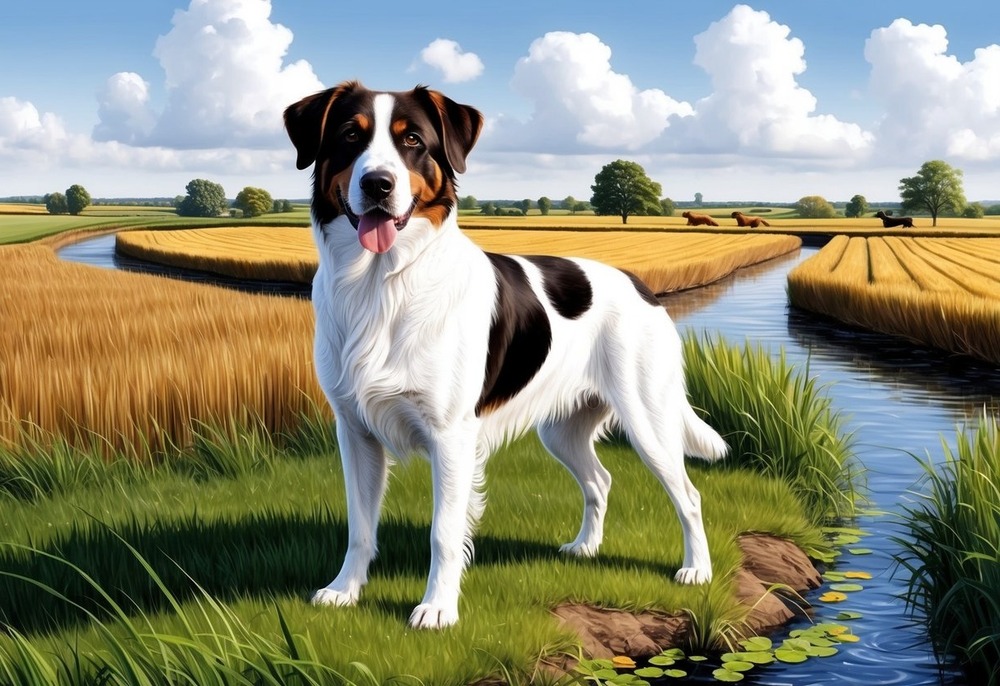
Many Wetterhouns live into their early to mid teens, with 12 to 14 years often given as a typical range. As with any breed, individuals vary, and long-term health is shaped by genetics, weight management, and day-to-day care.
Hip dysplasia is commonly discussed in medium to larger breeds. In practical terms, the best prevention you can control is keeping a dog lean, avoiding repeated high impact exercise for growing pups, and sourcing from breeders who use appropriate screening schemes and share results openly.6, 7
Ear trouble is another sensible watch point, especially for dogs with drop ears and a lifestyle that includes swimming. Reduced airflow and trapped moisture can make infections more likely, so regular checks for smell, redness, discharge, or sensitivity are worthwhile.8
When to see your vet: if you notice persistent limping, stiffness after rest, reluctance to jump, or ear discomfort (head shaking, scratching, odour), it is better to get it assessed early rather than trying to “wait it out”.7
Grooming and maintenance
The Wetterhoun’s curls can be relatively straightforward if you keep a steady routine. Many coats do well with gentle brushing or combing to prevent tangles, plus occasional tidying as needed. Over-bathing can strip oils that help the coat do its job, so it is usually best to bathe only when genuinely necessary.
Because ears can be a weak spot for drop-eared dogs, it is sensible to build low-stress handling from puppyhood. A quick, calm weekly check often tells you what you need to know. If there is redness, excessive wax, a strong smell, or obvious tenderness, skip the DIY cleaning and ask your vet what is going on.8
Maintenance that pays off: keep nails tidy, teeth on a routine, and coat checks after water play. It is not glamorous, but it prevents small problems becoming expensive ones.
Diet and nutrition
For a sturdy, active dog, nutrition is less about chasing trendy ingredients and more about feeding a complete, balanced diet that suits the individual dog’s life stage and activity level. If your Wetterhoun is doing lots of exercise, their energy needs will be different from a dog who mostly potters around the backyard.
The World Small Animal Veterinary Association (WSAVA) provides practical guidance on nutrition, including how veterinary teams assess body condition and how to think critically about pet food information and labels. It is a good reference point when online advice gets noisy or contradictory.9
One simple rule: aim for steady body condition rather than a number on the scales. If you are unsure, your vet can show you how to score body condition and adjust portions accordingly.
Is a Wetterhoun likely to suit your home?
The best matches tend to be households that enjoy being outside, like the idea of training as an ongoing conversation, and can provide both exercise and enrichment without turning life into constant high intensity activity. Space helps, but what matters most is how the dog’s days are structured.
Apartment living is not automatically impossible, but it is rarely ideal unless the owner is genuinely committed to daily outlets, calm indoor manners, and good management. A Wetterhoun with unmet needs can become noisy, destructive, or simply hard to live with, not out of spite, but because a working dog will find something to do.
Good fit signals: you enjoy routine, you can offer daily movement plus mental work, and you are comfortable with a dog that may be politely reserved with strangers rather than socially forward.
References
- Wikipedia: Wetterhoun
- Fédération Cynologique Internationale (FCI): Wetterhoun (No. 221)
- Hunting.be: Wetterhoun history and use
- RSPCA Australia: The importance of enrichment for dogs
- RSPCA Pet Insurance: Tips for exercising your dog
- Dogs Australia: CHEDS (Canine Hip and Elbow Dysplasia Scheme)
- Australian Medium and Coarse Woolgrowers Association (AMCV): Hip dysplasia information
- Dogs Australia: Essential Guide to Canine Care (ear care and grooming)
- WSAVA: Global Nutrition Guidelines