

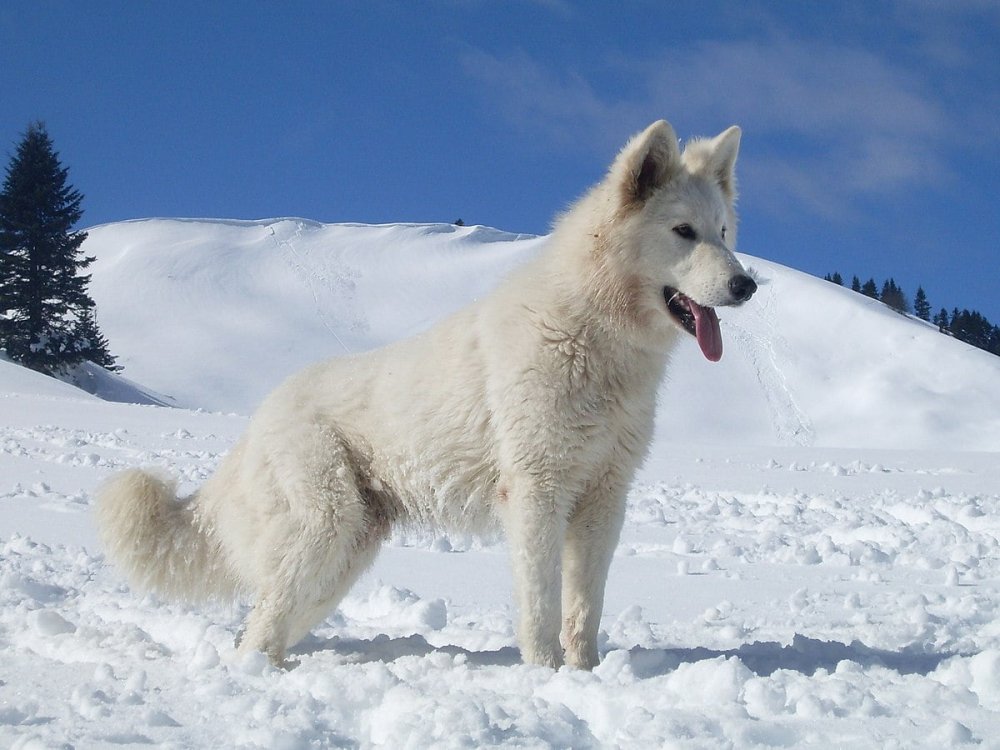
People often notice a white shepherd-type dog and assume it is simply a German Shepherd in a different colour. Sometimes that assumption comes from a breeder’s description, sometimes from a rescue listing, and sometimes from the dog’s overall look, the upright ears, the athletic build, the watchful way they move through the world.
But “white shepherd” can point to more than one thing. In many countries, the recognised breed is the White Swiss Shepherd Dog (also known as Berger Blanc Suisse), which developed from white-coated German Shepherd lines and later gained its own breed identity. In other places, you may still see “White Shepherd” used as a name in its own right. That naming muddle matters in practice because it affects expectations around temperament, size, coat care, and even what health testing a responsible breeder should be able to show you.
What stays consistent is the type of dog you are dealing with: bright, people-oriented, and built for work. When they are matched well, they can be steady family companions and excellent training partners. When they are under-exercised, under-socialised, or chosen mainly for looks, they can become noisy, restless, or overly vigilant in ways that frustrate everyone involved.
- Breed group: Herding (sheepdog type)
- Typical height: roughly 53 to 66 cm at the withers (varies by sex and standard)
- Typical weight: often around 25 to 40 kg (varies by build and sex)
- Coat: double coat, medium to long, white
- Energy needs: high, benefits from daily physical exercise and training
- Common concerns: hip and elbow dysplasia risk in shepherd-type dogs
Where the White Swiss Shepherd comes from
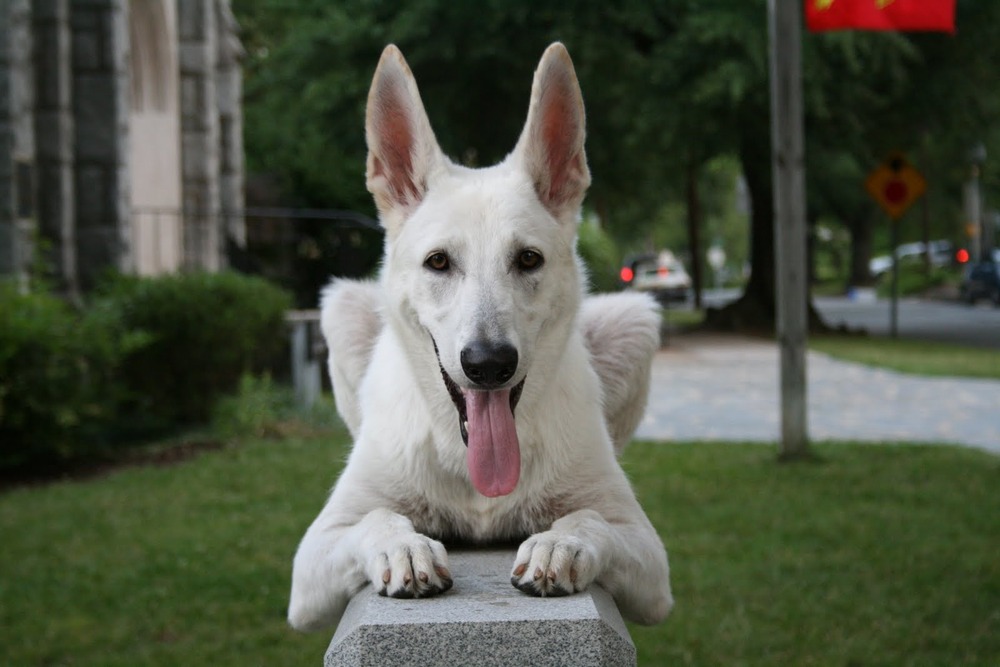
The White Swiss Shepherd Dog is recognised by the Federation Cynologique Internationale (FCI) as a distinct breed, with Switzerland listed as the country of origin. The FCI accepted the breed on a provisional basis in 2002, and on a definitive basis in 2011, under the name Berger Blanc Suisse (FCI Standard No. 347).1
Historically, the breed traces back to white-coated dogs within early German Shepherd lines, and later to dogs exported and developed through North America and Europe before formal recognition in Switzerland. In day-to-day terms, what this means is that many modern White Swiss Shepherds still look and behave like close cousins of other shepherd breeds: alert, athletic, and highly trainable, with a strong preference for being near their people.
One helpful way to think about it is this: a White Swiss Shepherd is not “a white German Shepherd with a fancy name”. Breed standards, registries, and breeding rules are not identical, and those differences shape the dogs you see today.1
Appearance and what makes them distinct
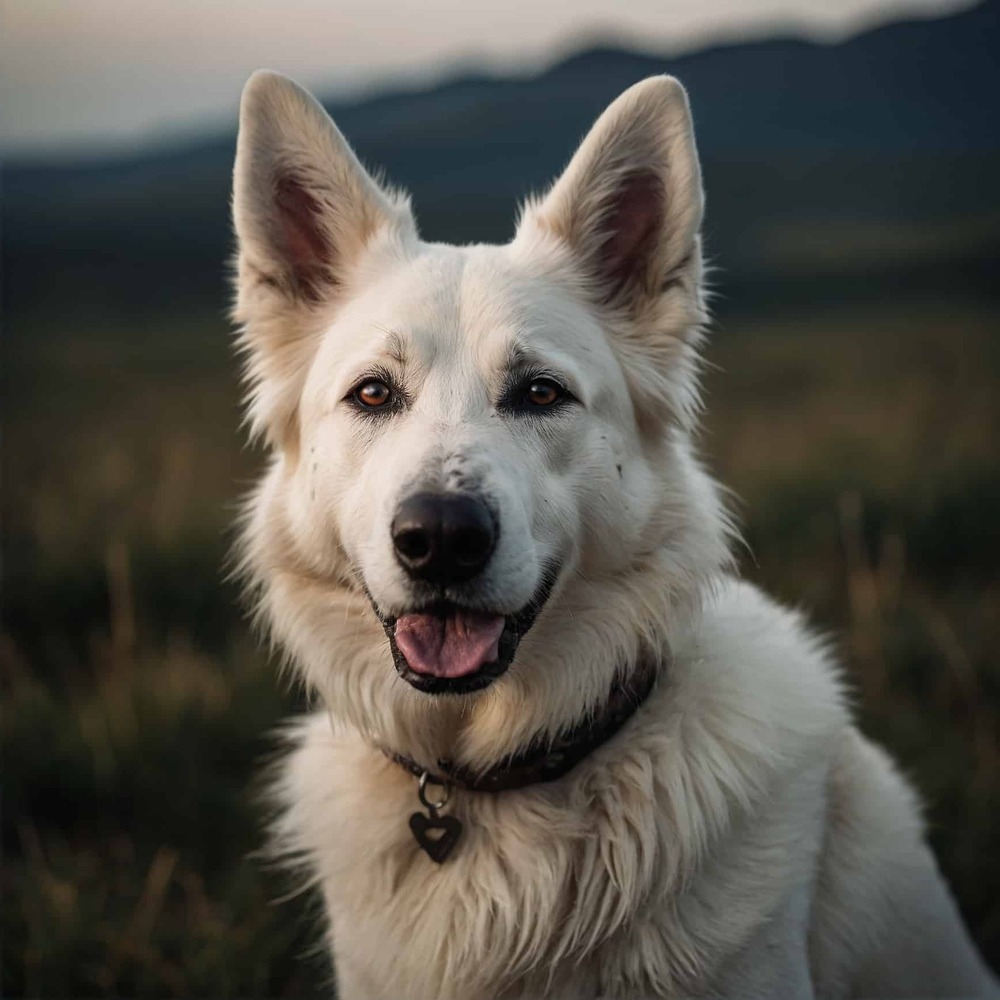
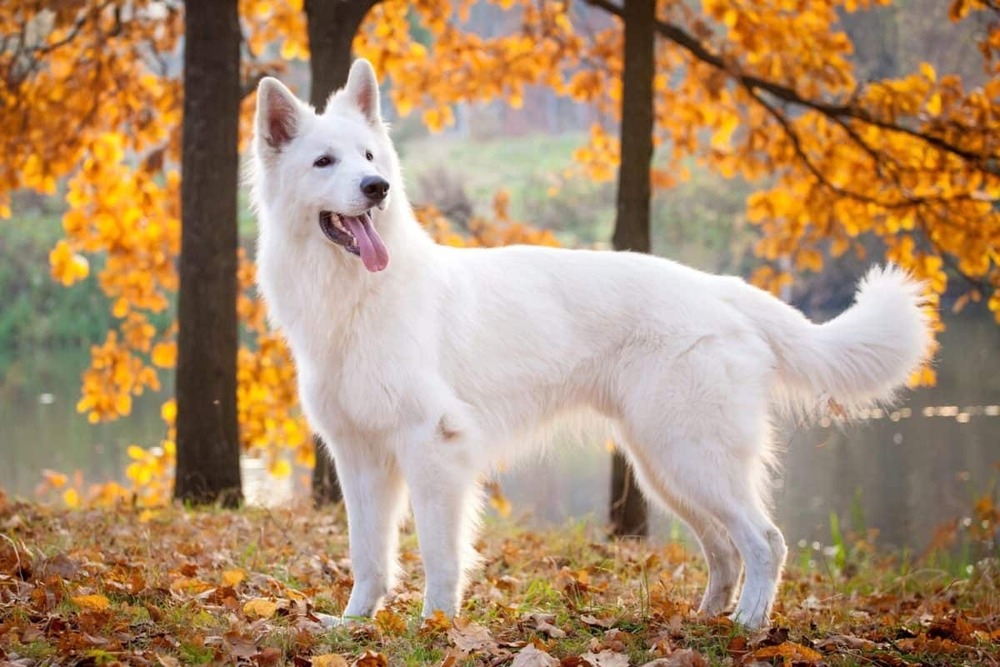
At a glance, most people notice the coat first. It is always white, usually with dark pigment on the nose, lips, and eye rims that gives the face a crisp, defined look. The coat itself is a true double coat, which helps with cold weather but also explains why shedding can feel constant in some homes.
Under that coat is a dog built for movement, not ornament. Expect a medium to large, athletic frame; upright ears; an expressive, almond-shaped eye; and a gait that covers ground easily when the dog is fit and confident. Their look tends to draw attention, but they are not typically the sort of dog who thrives on being treated like a display piece. They generally do best when their body and brain both have a job.
If you are comparing dogs labelled “White Shepherd”, it is worth asking for the exact registered breed name and paperwork (where relevant). Naming affects more than labels, it can influence the pool of breeders, health testing norms, and the type of temperament being selected for.
Temperament, family life, and day-to-day behaviour
Well-bred, well-raised White Swiss Shepherds are often described as loyal, sensitive, and very aware of their surroundings. That can look like calm attentiveness in a stable home. It can also look like reactivity if the dog is overwhelmed, under-trained, or expected to cope with too much too soon.
Many fit happily into family life, including homes with children, provided adults manage the basics: structured introductions, supervision, and teaching kids how to interact safely and respectfully with any dog. With other pets, outcomes tend to be best when the dog is socialised early and thoughtfully, and when chasing games are not accidentally rehearsed.
It also helps to be realistic about what “protective” means. Some individuals will naturally bark when someone approaches the house. That is not the same thing as a reliably safe guardian dog. For most families, the practical goal is a dog who can settle, follow cues, and take guidance from the people in the home. Stability is trained, not wished into existence.
Training and socialisation that actually works
With shepherd types, training is less about teaching tricks and more about shaping everyday behaviour: how to greet visitors, how to relax when nothing is happening, how to walk past other dogs without spiralling into noise and tension.
Early socialisation matters, but it is easy to misunderstand. Socialisation is not “say hello to everyone”. It is careful, positive exposure to the world while your puppy’s brain is still building its default responses. The RSPCA notes a critical socialisation period in early puppyhood, and recommends reward-based puppy classes and positive, varied experiences to support long-term behaviour.2
In practice, useful priorities include:
- Calm observation of new things at a distance (traffic, bikes, kids playing)
- Handling practice for ears, paws, mouth, and grooming tools
- Short, frequent training sessions using rewards, not intimidation
- Teaching an “off switch”, such as mat training and quiet settle time
Reward-based methods are not just “being nice”. They tend to produce clearer learning and better emotional outcomes, particularly in intelligent, environmentally sensitive dogs who notice everything.2
Exercise and enrichment, how much is enough
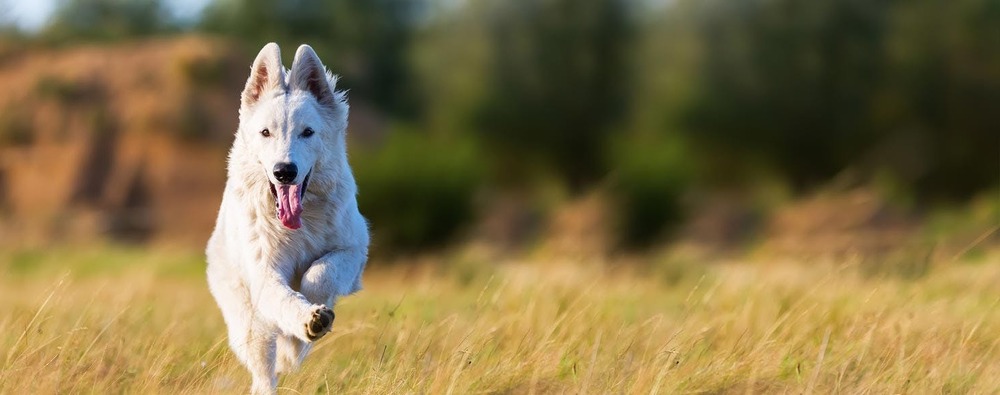
Most White Swiss Shepherds need daily exercise, but the bigger need is daily purposeful activity. A long walk helps, but it rarely replaces engagement. These dogs often thrive with a mix of:
- brisk walking plus sniffing time
- structured play (fetch with rules, tug with starts and stops)
- training games (obedience, tricks, scent work)
- dog sports (agility, rally, tracking) where available and appropriate
Puppies are a special case. Overdoing repetitive high-impact exercise during growth is a common well-meaning mistake. Many owners do better with frequent short sessions, lots of learning, and plenty of rest, then gradually building stamina as joints mature.
If your dog seems “wired” even after exercise, it can be a sign that the routine is creating fitness without teaching relaxation. For a shepherd type, rest is a skill. It often needs to be trained.
Health, screening, and the realities of joint disease
Like many larger, active breeds, White Swiss Shepherds can be at risk of orthopaedic conditions such as hip and elbow dysplasia. No one can guarantee a dog will never have problems, but you can meaningfully reduce risk by choosing breeders who screen breeding dogs, and by raising puppies with sensible exercise, weight management, and good veterinary care.
The Orthopedic Foundation for Animals (OFA) explains that canine hip dysplasia involves abnormal hip development, can progress to pain and arthritis over time, and that severity and symptoms do not always match neatly. OFA also outlines how hip radiographs are graded and used in screening programs.3
If you are assessing a breeder, it is reasonable to ask what formal health testing they do (and to see proof). Verbal reassurance is not a health program.
Coat care, shedding, and grooming routines
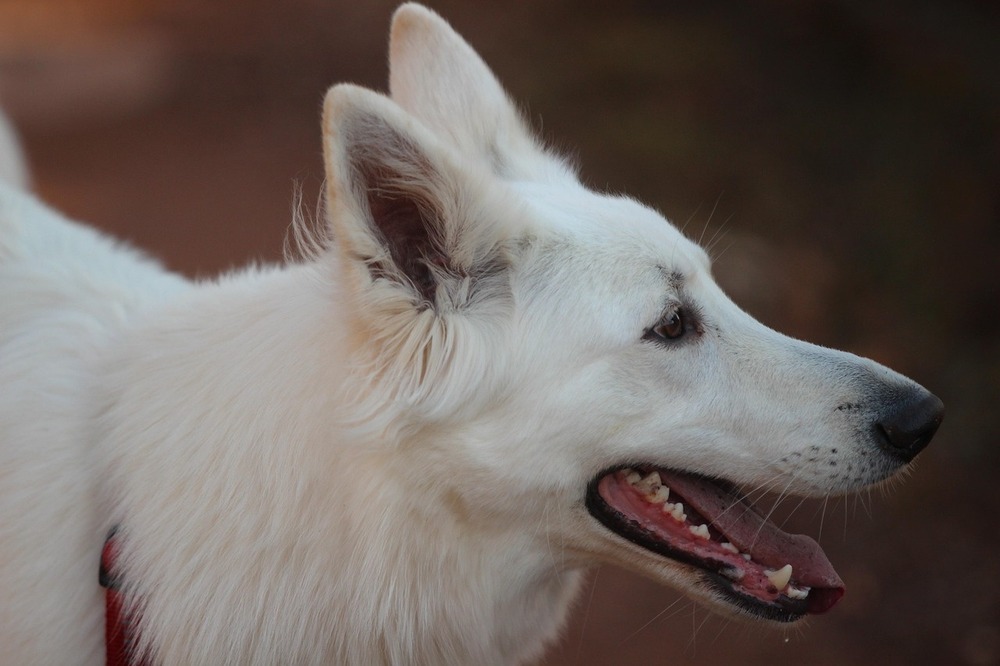
The white double coat is beautiful, but it is not low-maintenance. Most owners find that brushing a few times a week keeps the coat from packing down and helps manage hair through the house. During seasonal shedding, daily brushing can make life noticeably easier.
Bathing is usually occasional rather than frequent, as over-washing can dry the skin and coat. Nail trims, ear checks, and paw care matter too, especially for an active dog who runs on varied surfaces.
It is also worth thinking about heat. Thick-coated dogs can struggle in hot Australian summers, especially if they are exercised hard in the middle of the day. Shade, water, and timing walks to cooler hours are simple, kind adjustments that can prevent problems before they start.
Feeding and nutrition, keeping it practical
It is tempting to fixate on protein percentages and ingredient lists, but nutrition is rarely that simple. The World Small Animal Veterinary Association (WSAVA) notes that ingredient lists can be misleading, and provides guidance for pet owners on selecting appropriate diets using more meaningful information than marketing cues alone.4
For many White Swiss Shepherds, the most helpful principles are straightforward:
- feed a complete and balanced diet suitable for life stage
- monitor body condition and adjust portions as activity changes
- be cautious with extras, treats add up quickly in a large dog
- talk to your vet if you are managing allergies, digestive issues, or growth concerns
Keeping a lean, fit body condition is one of the quiet ways owners can support joint health over the dog’s lifetime. It is not glamorous, but it is practical.
Dental care, often overlooked until it is expensive
Dental disease is common in pet dogs, and home care makes a difference. Many veterinary organisations and clinics recommend regular tooth brushing as the most effective approach, ideally daily, using pet-safe toothpaste rather than human products.5
If daily brushing feels unrealistic, aim for a routine your dog will tolerate, then build up gradually. Dental chews and diets can help in some cases, but they work best as support measures rather than replacements for brushing.
Living with a White Swiss Shepherd, who they suit best
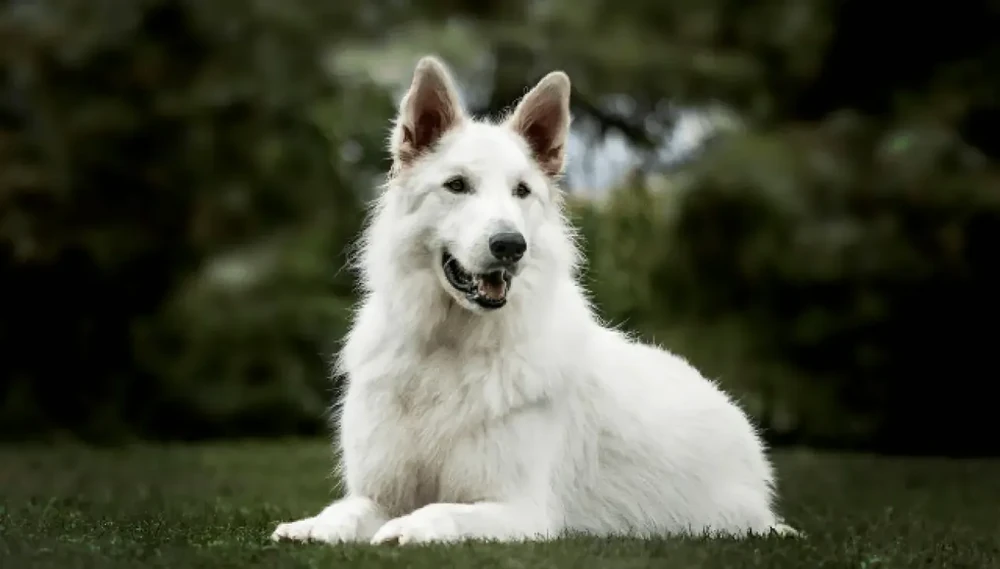
These dogs tend to suit people who enjoy training and are home enough to build a relationship, not just provide food and a backyard. They often do well with active individuals, families who like structured routines, or homes interested in dog sports and learning.
They can live in smaller spaces if their daily needs are met, but it is rarely the easiest option. Without enough exercise, enrichment, and calm training, a bright shepherd can invent their own activities, which usually involves barking at passers-by, digging, or patrolling fences.
If you are choosing between breeds, be honest about your appetite for ongoing training. They notice everything, and they learn fast, including the habits you did not mean to teach.
Final thoughts
A White Swiss Shepherd can be a deeply satisfying companion for the right household: intelligent, responsive, and quietly devoted when their needs are understood. They are not just a “pretty white dog”. They are a working type, and they thrive when daily life includes movement, learning, and a clear sense of what settles the nervous system, not just what tires the body.
If you are meeting one for the first time, take your time. Watch how the dog recovers after excitement, how they respond to gentle handling, and how they take guidance from their person. Those small observations often tell you more than the coat ever will.