

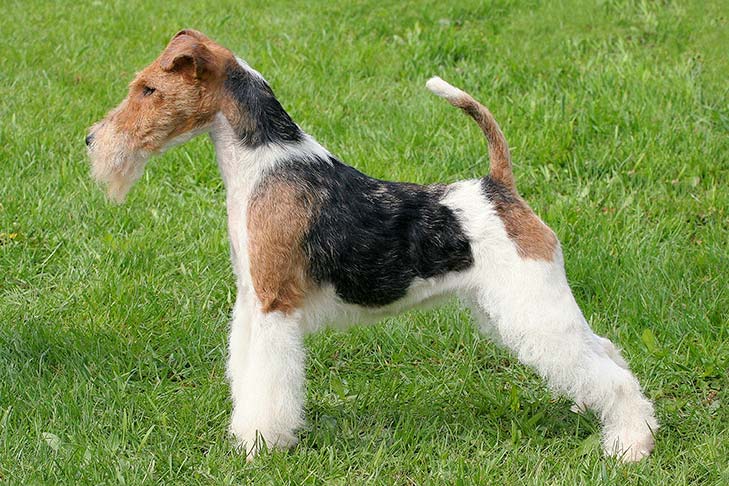
People often notice Wire Fox Terriers in two places first: a beautifully groomed dog in the show ring, or a small, bright-eyed terrier on a walk that looks as if it has springs in its feet. The coat can give the impression they are “low maintenance”, and the size can suggest they will be easy in a small home. In practice, the breed tends to be simple in some ways, and surprisingly demanding in others.
What makes a Wire Fox Terrier work in a household is less about square metres and more about rhythm. They usually do best with regular outlets for movement, time with their people, and a bit of structure that keeps their quick minds occupied. When that is missing, it is common to see more barking, chasing, digging, or inventive mischief rather than “bad behaviour”.
If you are considering the breed, or you have one already and are trying to understand what you are seeing day to day, it helps to view them as a purpose-bred terrier first. The charm is real, but so is the drive.
At a glance
Breed group: Terrier
Origin: England
Typical size: around 39 cm at the shoulder and 7 to 9 kg, with variation between sexes and lines.1, 2
Life expectancy: commonly 12 to 15 years, with longevity influenced by genetics, routine care, and lifestyle.1
Coat: dense, wiry outer coat with undercoat, usually white with black and or tan markings.2, 3
Energy: typically high, they need both physical activity and mental work most days.1, 4
History and what the breed was built to do

The Wire Fox Terrier developed in England as a working terrier used alongside mounted fox hunts. The job was to follow scent, run hard, and go to ground when needed, pushing a fox out of cover so the chase could continue. That mix of stamina, boldness, and willingness to act independently still shows up in the modern pet dog.2
They were also used for vermin control around farms and stables, which helps explain why many Wire Fox Terriers remain intensely interested in movement at ground level. It is not unusual to see them scan for birds, rodents, or anything that darts, even in a quiet suburban street.4
In popular culture, the breed’s look and expressiveness helped it land prominent roles. “Asta” in The Thin Man films is often credited with boosting the breed’s popularity, especially in the early to mid 20th century.5
Physical characteristics that matter in everyday life
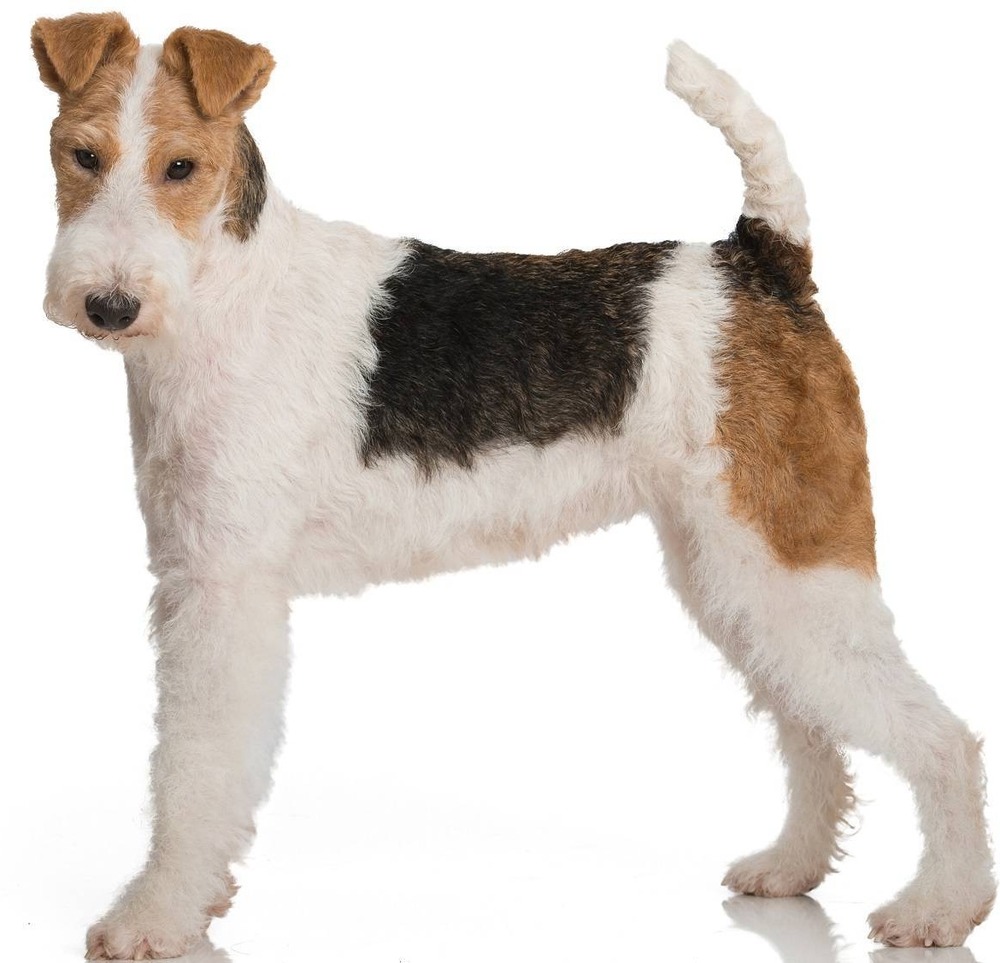
A well-made Wire Fox Terrier is compact, athletic, and surprisingly robust for a small dog. Breed standards describe a dog with plenty of substance without heaviness, built for speed and endurance rather than being decorative.3
The coat is the first thing most people comment on. The texture is not soft or silky, it is a dense, wiry outer coat with an undercoat. When kept in proper condition, it can shed less than many other breeds, but it still needs regular attention to avoid matting and to keep the skin healthy.1, 3
Many dogs also have the characteristic terrier outline and expression: V-shaped ears folding forward, dark eyes, and an alert, forward posture. It is a look that often pairs with fast reactions to sights and sounds in the environment.
Temperament and behaviour, lively is the easy part
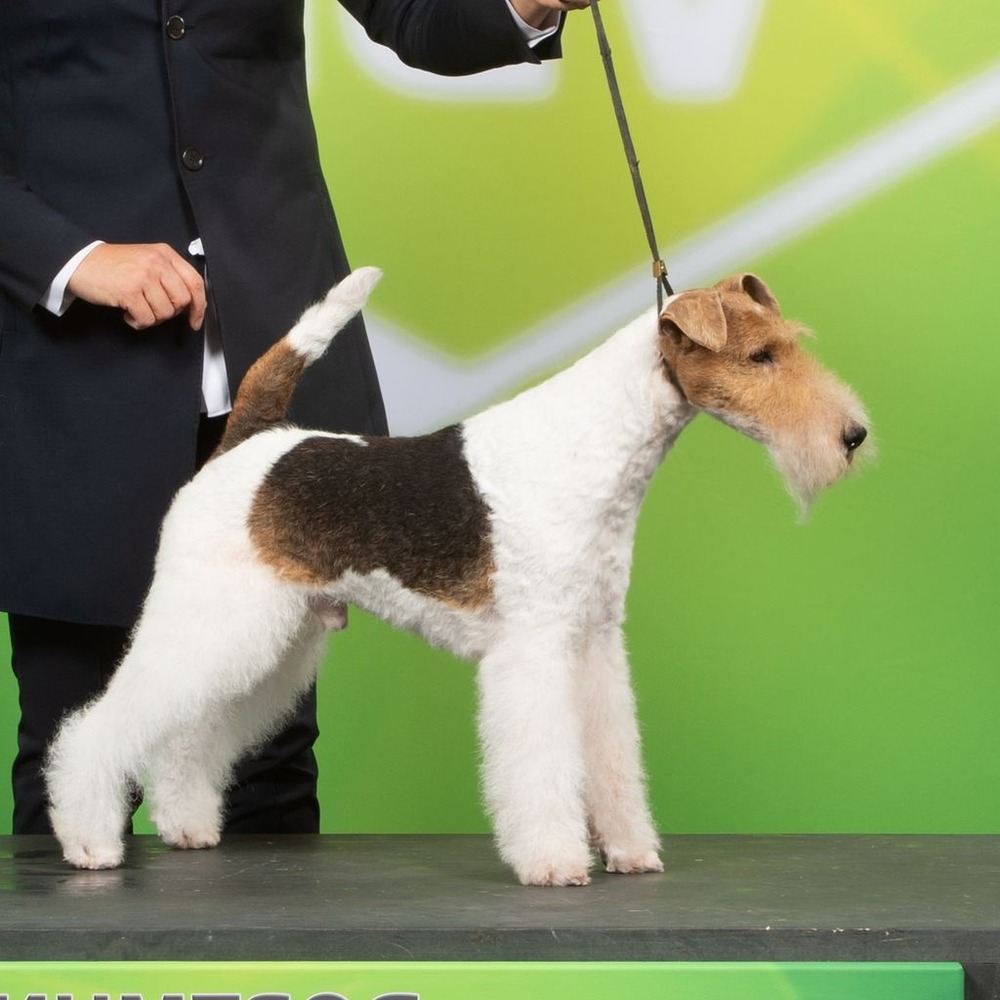
Wire Fox Terriers are commonly described as energetic, bright, and confident. Owners often find the dog entertaining and engaging, but also quick to develop their own opinions about what is worth paying attention to. That is typical terrier independence, and it is not a flaw so much as a design feature from their working history.4
They tend to do well when their days have a pattern: exercise, training or problem-solving, and planned rest. Without that, you may see busy behaviours such as persistent barking, pestering other pets, pacing, or finding “projects” like digging and shredding.
With children, they can be a good match in homes where adults supervise closely and teach both dog and child how to interact safely. Terriers are often game and tolerant, but they can also be physical in play, and they may not cope well with rough handling or unpredictable chasing games.
With other animals, especially small pets, it is wise to assume some level of prey drive. Early socialisation helps, but it does not erase instinct. Management might include secure fencing, structured introductions, and realistic expectations about off-lead reliability around wildlife.
Training and exercise, what “enough” looks like
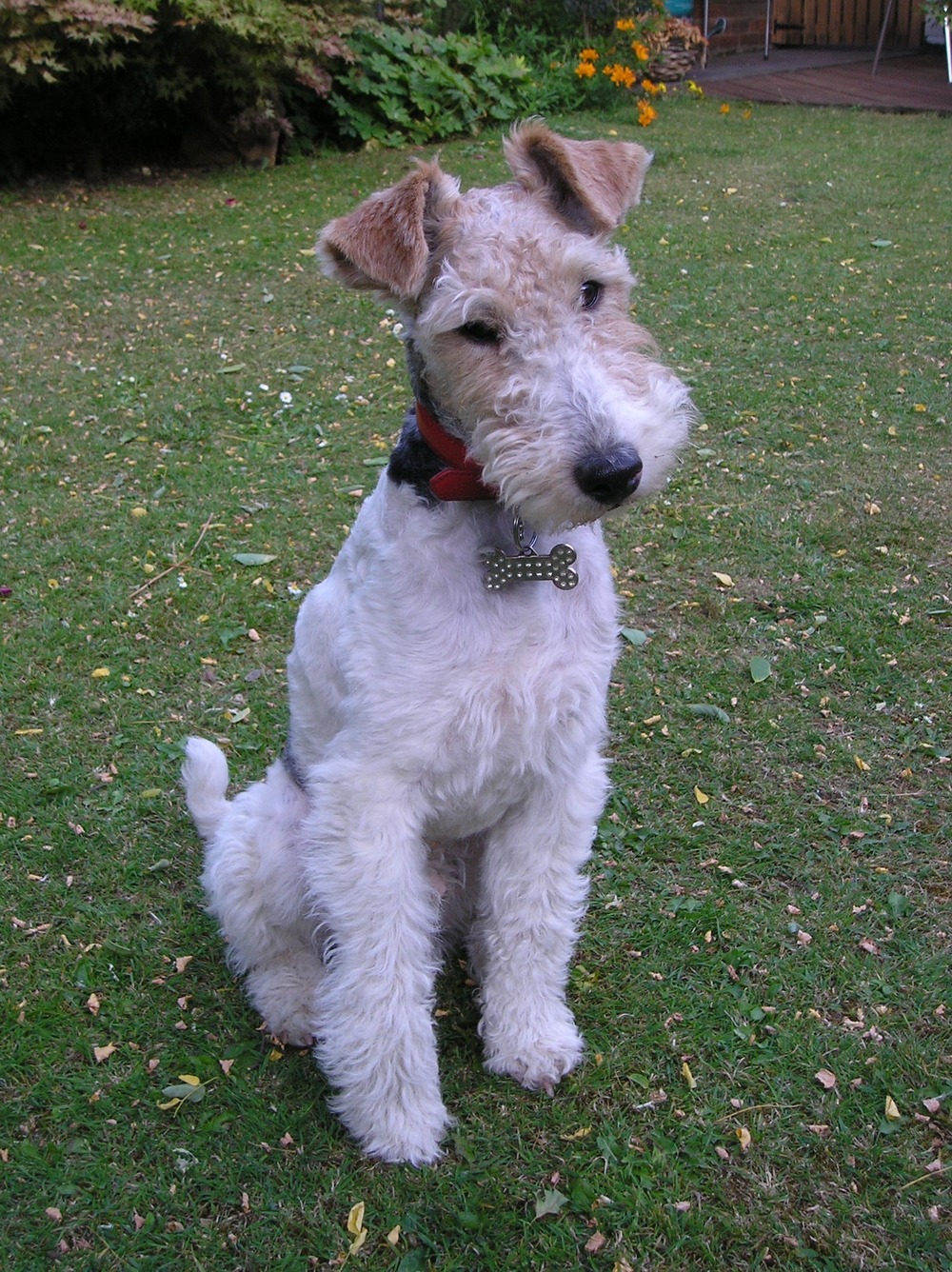
Training usually goes best when it is calm, consistent, and rewarding. Like many terriers, Wire Fox Terriers often respond strongly to reinforcement that feels meaningful, food, toys, movement, access to sniffing, or a quick game. Heavy-handed methods can create conflict or avoidance, and they rarely improve reliability long term.6
Start early, and keep sessions short. It is common to see a young Wire Fox Terrier learn cues quickly, then test whether the cue still matters when something more exciting appears. That is where follow-through, management, and repetition make the difference.
Daily exercise is usually non-negotiable. Many dogs do best with a mix such as:
- a brisk walk with plenty of sniffing time
- short training bursts (recall games, loose lead practice, tricks)
- a safe sprint outlet (fetch, tug, flirt pole, agility foundations)
- food puzzles or scatter feeding to slow the brain down afterwards
Apartment living can work if you are realistic. A small dog with high drive still needs the same input, and shared walls can make barking management more important, not less.
Health and lifespan, what to watch and what to ask about
Many Wire Fox Terriers live long lives, often into their early teens. Good breeding, early socialisation, appropriate exercise, and routine veterinary care all matter more than any single “perfect” product or diet.1
Breed lines can vary, but owners and prospective buyers should be aware of eye issues, including primary lens luxation, which is a recognised concern in several terrier breeds. Sudden eye pain, redness, cloudiness, or visible change in the pupil warrants prompt veterinary assessment.1, 7
It is also sensible to discuss general orthopaedic health, dental care, and body condition with your vet. Small dogs can carry extra weight easily, and it tends to show up as reduced stamina and greater strain on joints.
Grooming and coat maintenance, low shedding is not no work
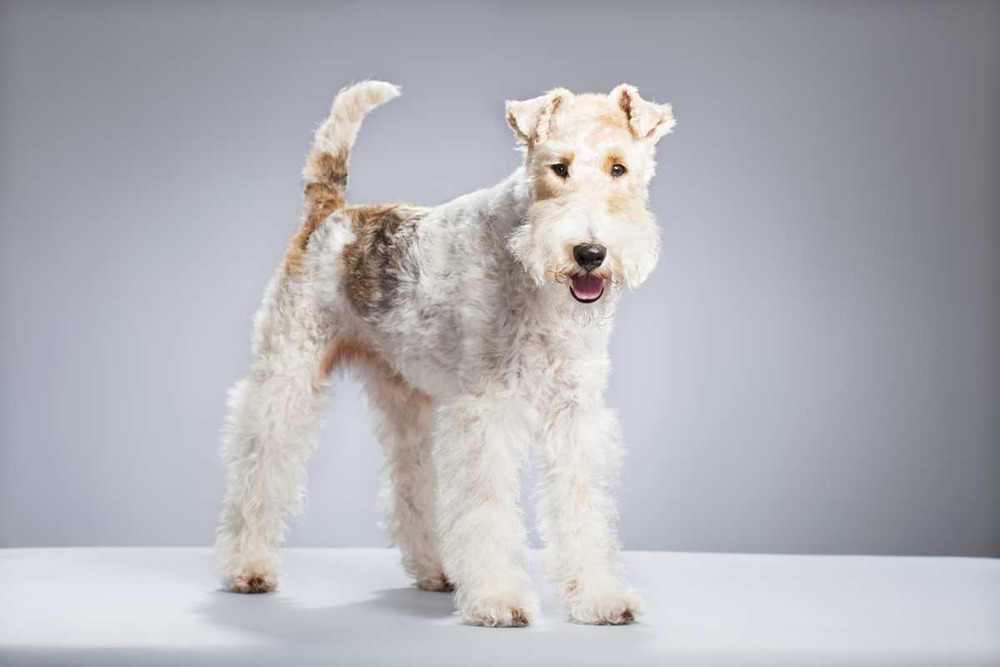
The Wire Fox Terrier coat can be relatively low shedding, but it is a working coat with a specific texture. For many pet homes, brushing and combing several times a week prevents knots in leg furnishings and beard, and helps keep skin comfortable.1
Owners who want a traditional outline often use hand-stripping, which removes dead coat to maintain texture and colour. Clipping is common in pet grooms and can be practical, but it may soften the coat and change the look over time. If you are unsure, a groomer experienced with wire coats can talk you through what suits your goals and your dog’s tolerance.1, 3
Do not overlook nails, ears, and teeth. A small, active terrier can still develop painful dental disease if home care is inconsistent, and it can creep up quietly.
Diet and nutrition, steady energy without overdoing it
Wire Fox Terriers are usually enthusiastic eaters, and their activity level can make it tempting to feed “a little extra”. The more useful goal is stable body condition and steady energy. If you can easily feel ribs under a light layer of tissue and see a waist from above, you are generally in a good place.
Choose a complete and balanced diet appropriate to your dog’s life stage, and be mindful of treats. Training rewards add up quickly in a smart, busy breed. When in doubt, your vet can help you calculate a realistic daily intake, then adjust based on weekly changes in condition and behaviour.
Small details that tend to surprise people
They are famous show dogs, and the breed has a particular place in Westminster history. Wire Fox Terriers have won Best in Show there 15 times, which is more than any other breed, and the most recent Wire Fox Terrier Best in Show win was in 2019.5, 8
They are also often more athletic than expected. Many can jump and climb with ease, and will use that ability if it gets them closer to something interesting. In practical terms, that can mean reviewing fence lines, balcony safety, and what is left on benches and tables.
The dog you live with may be only 8 kg, but the mindset is frequently “all in”. If you can enjoy that, and shape it with training and routine, the Wire Fox Terrier can be a remarkably engaging companion.
Final thoughts
The Wire Fox Terrier tends to thrive with people who like a dog that participates. They are rarely background dogs. When their exercise, training, and grooming are treated as part of normal life, not an occasional chore, they often settle into a confident, funny, and capable little terrier.
If you are weighing up the breed, it is worth spending time with well-socialised adults, not only puppies, and talking to breeders and rescue groups about typical drive, barking, and coat care. The aim is not perfection, it is a match that feels sustainable on an ordinary Wednesday.
References
- PetMD: Wire Fox Terrier
- Purina: Wire Fox Terrier
- American Fox Terrier Club: Wire Fox Terrier breed standard
- Hill’s Pet: Wire Fox Terrier
- American Kennel Club: Fun facts about Westminster’s winningest breeds
- RSPCA Knowledgebase: Effective training methods for dogs
- Orthopedic Foundation for Animals (OFA): CHIC programme, Wire Fox Terrier
- ESPN: Wire Fox Terrier called King wins Best in Show at Westminster (2019)
- RSPCA Australia: Importance of dental health