

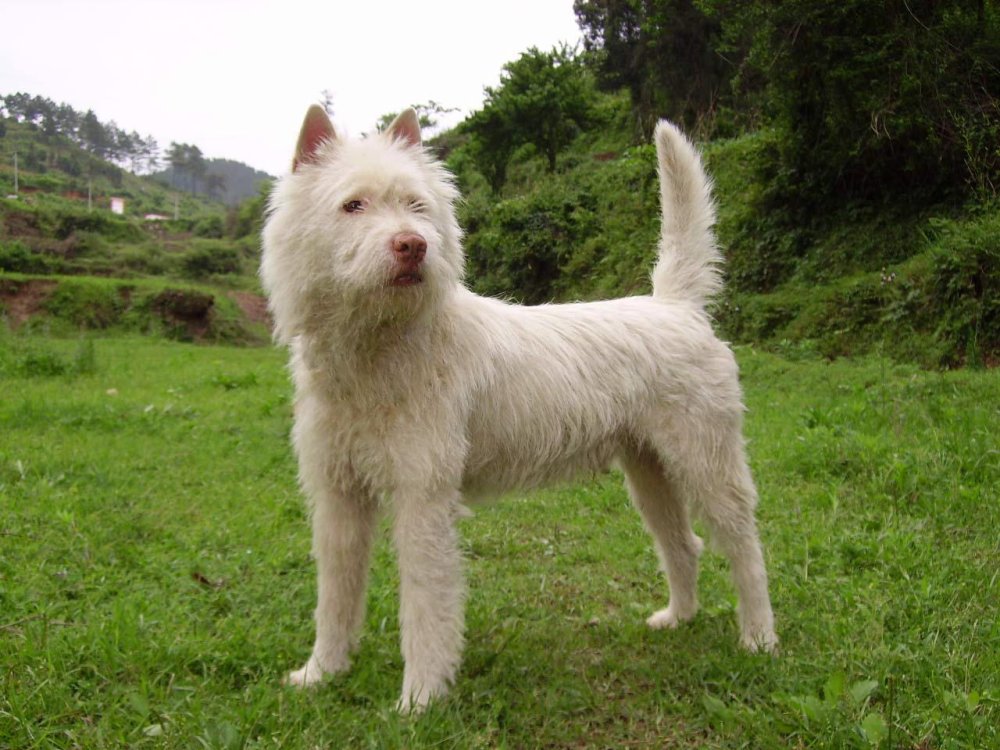
People usually first hear about the Xiasi dog in passing, a photo of a bright white hunting dog from China, a mention of a “white dragon” nickname, or a claim that the breed brings good fortune. Then the questions start: is it a recognised breed, what is it like to live with, and are the basic facts online even consistent?
The honest answer is that information about the Xiasi (also called the Guizhou Xiasi Hound, or Xiasi Quan) can be patchy. Some descriptions lean heavily into folklore, while others flatten the dog into a generic “working breed” checklist. In practice, the Xiasi is best understood as a regional Chinese hunting and guarding dog with a distinct local history in Guizhou, and a temperament shaped by purposeful work and close partnership with people.
If you are considering one, or you are simply trying to understand what you are seeing, it helps to focus on what is reasonably well supported: where the breed developed, what it was used for, how it tends to behave when its needs are met, and what everyday care actually looks like in a modern home.
Quick breed snapshot (as a working type)
Because the Xiasi is not widely standardised internationally, you will see variation in descriptions. Still, most accounts broadly agree on a medium-sized, athletic white or cream dog developed for hunting and property guarding in Guizhou Province.
- Origin: Guizhou Province, China, associated with Xiasi (a town in Kaili City) and the Miao people1, 2
- General type: Hunting and guarding dog, often described as a regional landrace or “tugou” type rather than a globally recognised kennel club breed1
- Size: Typically medium, commonly reported around the mid 40s to 50 cm at the shoulder and mid teens to around 20 kg, with variation by line and sex1
- Coat: Often described as white or cream; coat texture and length can vary in reports (short, medium, longer, and sometimes wiry)1, 3
- Life expectancy: Commonly quoted around the low to mid teens (as with many medium dogs), with longevity strongly influenced by genetics, body condition, and routine veterinary care4
Origins in Guizhou and why the breed matters locally

The Xiasi dog is named for Xiasi, a town in Guizhou (now administered under Kaili City), an area where local hunting traditions and rural life shaped what people wanted in a dog: speed, stamina, strong scenting ability, and the steadiness to work close to humans.1, 2
Many sources link the breed closely with the Miao people, who are frequently credited with maintaining and developing Xiasi lines over long periods.1 Alongside practical use, there is a cultural layer too, where the dog is sometimes described as auspicious, a belief that sits comfortably within many regional traditions around household animals and fortune.1
It is worth keeping a gentle scepticism about the neatness of “centuries of pure breeding”. In places where dogs are selected for function, not show uniformity, you can get a consistent type without it being a closed, formally managed breed in the modern kennel-club sense. That context helps explain why descriptions of coat and measurements can differ between sources.
Appearance: what is fairly consistent, and what varies

Most depictions show a medium dog with a clean, athletic outline, upright ears, a deep chest, and a tail carried up (often described as curled or held high).1 The overall look tends to read as “ready to move”, rather than heavy or blocky.
Coat is where owners can be surprised. You will often see “short and dense” online, but other descriptions mention harsher or wiry hair and even different lengths.1, 3 That does not mean someone is lying. It more likely reflects variation between lines, and the fact that the Xiasi is not consistently described through a single, globally enforced breed standard.
If you are assessing a particular dog, focus less on one adjective (short, wiry, long-haired) and more on the practical outcome: how much grooming the coat actually needs, whether the dog sheds heavily in seasonal changes, and how the skin and ears hold up in your climate.
Temperament in the home: loyalty, alertness, and a working brain
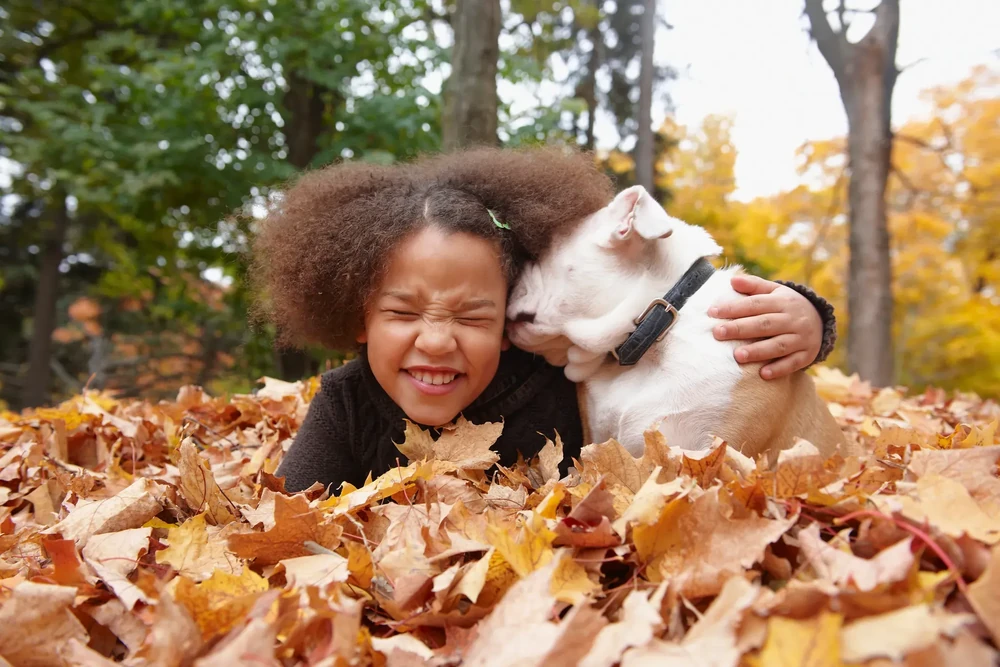
In general descriptions, Xiasi dogs are often characterised as alert and responsive, with a strong tendency to tune in to what is happening around them. That makes sense for a dog selected for hunting and guarding tasks, where noticing movement, scent, and changes in the environment is part of the job.1
“Loyal” is a common label, but it helps to translate that into everyday behaviour. Many working dogs bond closely with their household, prefer to keep track of where their people are, and may be watchful with strangers until they have had time and guidance to assess that a new person is safe. They are not necessarily suspicious, but they can be discerning.
It is also worth remembering that intelligence is not the same as easygoing. A dog that learns quickly can also rehearse unwanted habits quickly if its days are repetitive. For many owners, the biggest success factor is not a particular training technique, but building a life that includes enough movement, problem-solving, and calm time to recover.
Training and socialisation that suits an active, watchful dog
With a dog type that is naturally alert, early socialisation is less about “making them friendly with everyone” and more about teaching them that novelty can be handled calmly. That usually means controlled exposure, careful pacing, and plenty of reinforcement for relaxed behaviour.5, 6
Practical socialisation often includes:
- Short, upbeat exposures to different surfaces, sounds, people, and everyday handling (ears, paws, mouth), paired with rewards5
- Thoughtful introductions to stable adult dogs, and well-run puppy programs where hygiene and vaccine guidance are taken seriously6
- Training that is consistent, reward-based, and broken into small steps, especially for recall and calm settling
If you bring a Xiasi-type dog into a suburban setting, you may also need to teach a “stand down” behaviour around fences, windows, and passing foot traffic. That is not about suppressing instinct. It is about giving the dog a routine response that works in the environment you share.
Exercise and enrichment: what “high energy” looks like in practice

Many sources describe the Xiasi as fast, enduring, and well-suited to active work.1 In home life, that tends to translate into a need for daily movement plus something that engages the brain. Long walks matter, but so does variety.
A useful rule of thumb is to aim for a mix of:
- Steady aerobic exercise (walking, hiking, controlled running where appropriate)
- Short bursts of skill work (obedience games, scent games, low-impact agility foundations)
- Decompression time (sniffing walks, quiet chewing, predictable rest)
When exercise is missing, the dog does not become “naughty” so much as under-occupied. You can see more pacing, barking at triggers, grabbing and carrying objects, or difficulty settling. Meeting the need early is much easier than trying to undo rehearsed habits later.
Health and preventative care: the basics still apply
You will often see the claim that Xiasi dogs are “generally healthy”. That may be true in the broad sense that many functional working types are not selected for extreme physical traits. Still, individual dogs can develop the same problems any medium active dog can, including orthopaedic wear and tear, dental disease, parasite issues, and weight gain as routines change.
Two everyday steps make a disproportionate difference:
- Keep a lean body condition, since excess weight increases strain on joints and can affect long-term health.4
- Work with your vet on a vaccination and parasite-prevention plan suited to your region and lifestyle, including guidance on core vaccines and boosters.7
Vaccination schedules vary by country and individual risk. In Australia, for example, core vaccination (often referred to as C3) and booster timing are commonly discussed in veterinary guidance, with details best confirmed with your local clinic.7
Grooming: low fuss, but not “no maintenance”
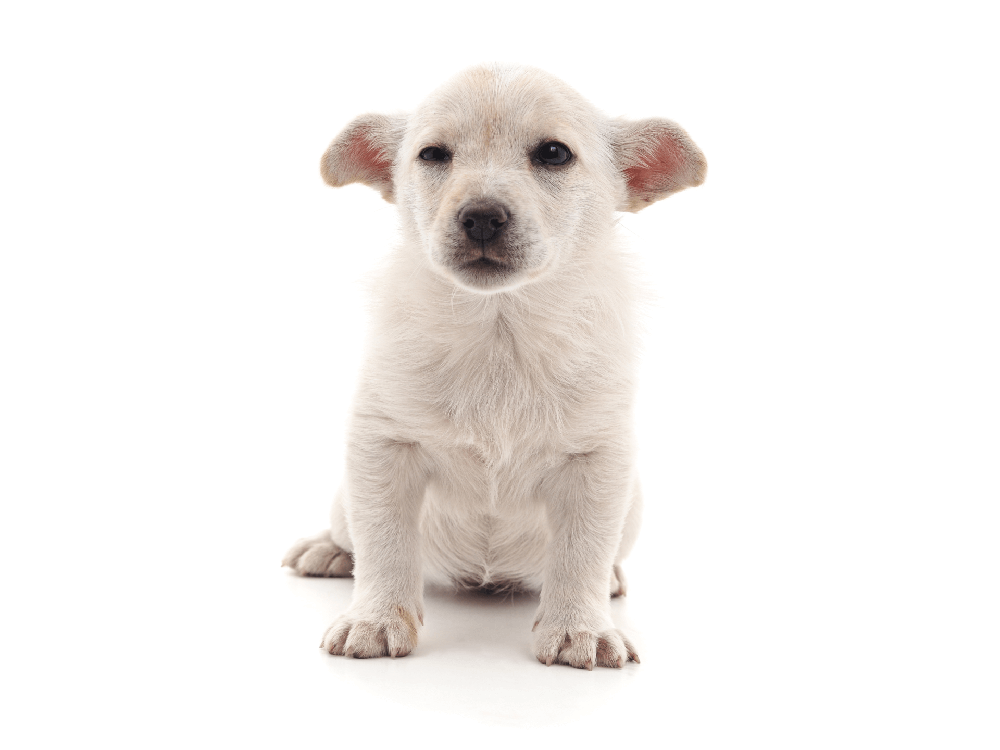
A light-coloured coat can look spotless in photos and still shed steadily on your dark clothes. Even if grooming needs are modest, a regular routine helps you notice changes early: a new lump, a sore paw, ear irritation, or dry skin.
Simple grooming routine for many short-to-medium coated dogs includes:
- Brushing weekly (more often during seasonal shedding)
- Nail trims before they get long enough to affect gait
- Ear checks, especially if the dog swims or is prone to wax build-up
- Dental care that is realistic for your household, ideally with a vet-approved plan for toothbrushing and professional checks
Because coat descriptions can vary for Xiasi dogs, it is sensible to let the individual dog guide you. A harsher or wirier coat can still be low maintenance, but it may benefit from different tools than a soft, dense coat.
Food and feeding: focus on condition, not marketing
Active dogs often do well on diets that provide adequate protein and energy, but the more important point is whether the overall diet is complete and appropriate for the dog in front of you. Ingredient lists and internet debates rarely tell you whether a food is truly well-formulated.
The World Small Animal Veterinary Association (WSAVA) encourages a whole-pet nutrition assessment, looking at body condition, muscle condition, treats, lifestyle, and health status, not just the label on the bag.8
In practical terms:
- Measure meals at least some of the time, especially if weight creeps up
- Use a portion of the daily food as training rewards
- Ask your vet for help if the dog is losing muscle, gaining fat, or has persistent digestive issues
Living situations: when a Xiasi-type dog is likely to thrive
The Xiasi is often described as a country dog, and that fits the breed’s working roots. Space can help, but it is not the whole story. Plenty of dogs with access to acreage still get bored if nothing happens, while some suburban dogs do well when their days include training, walking, and calm structure.
Homes that tend to suit this type include those where someone enjoys being outdoors, can provide daily purposeful activity, and is willing to guide an alert dog through modern life without harshness. If you want a low-energy companion that is content with a quick lap around the block, this may not be the easiest match.
Final thoughts
The Xiasi dog sits at an interesting intersection of local history, practical working ability, and modern curiosity. The more you read, the more you notice that tidy, universal claims do not always hold up, especially around coat type and “breed standard” certainty. That is not a problem. It just means the best approach is to stay anchored in what the dog needs day to day.
If you are drawn to the Xiasi, look for sound temperament and good care over novelty. A healthy, well-socialised, well-exercised dog, whatever the exact line, is the one most likely to fit smoothly into a real household.
References
- Wikipedia: Xiasi Dog
- Wikipedia: Xiasi, Kaili City (Guizhou)
- China Daily (govt portal): Kingly Xiasi dog becomes online sensation (June 2025)
- WSAVA: Global Nutrition Guidelines
- RSPCA Australia: Socialising your puppy
- RSPCA Knowledgebase: How can I socialise my puppy?
- NSW Department of Education: Dogs, health (vaccination guidance overview)
- China Daily: Kingly Xiasi dog becomes online sensation (June 2025)