

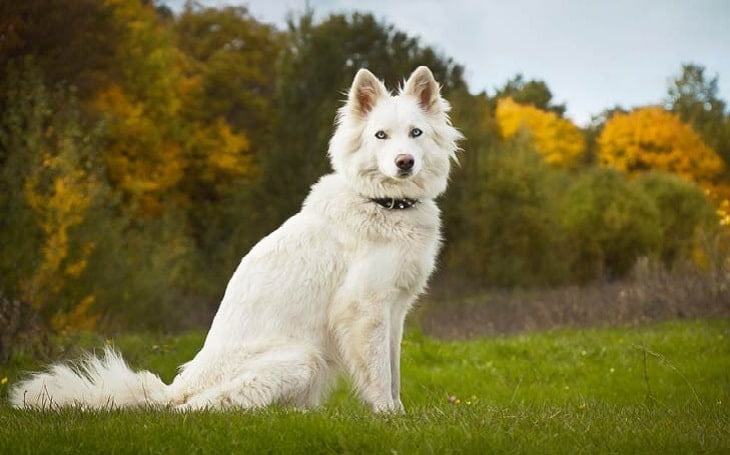
People usually come across the Yakutian Laika in a photo first: bright eyes, a thick coat, a curled tail, and that unmistakable northern-dog outline. Then comes the practical question. What is this breed like to live with, especially in a warmer, suburban life where “sled dog” feels like a different world?
It helps to hold two truths at once. The Yakutian Laika can be wonderfully social and people-oriented, but it is also a working spitz type with stamina, drive, and a body built for cold. When those needs are met, the dog tends to settle well. When they are not, the issues people report are often about restlessness, noise, and creative self-entertainment rather than “bad temperament”.
Understanding the breed’s history, coat, and day-to-day needs is less about trivia and more about making good choices: the right home, the right routines, and realistic expectations about exercise, grooming, and heat.
At a glance: Yakutian Laika essentials
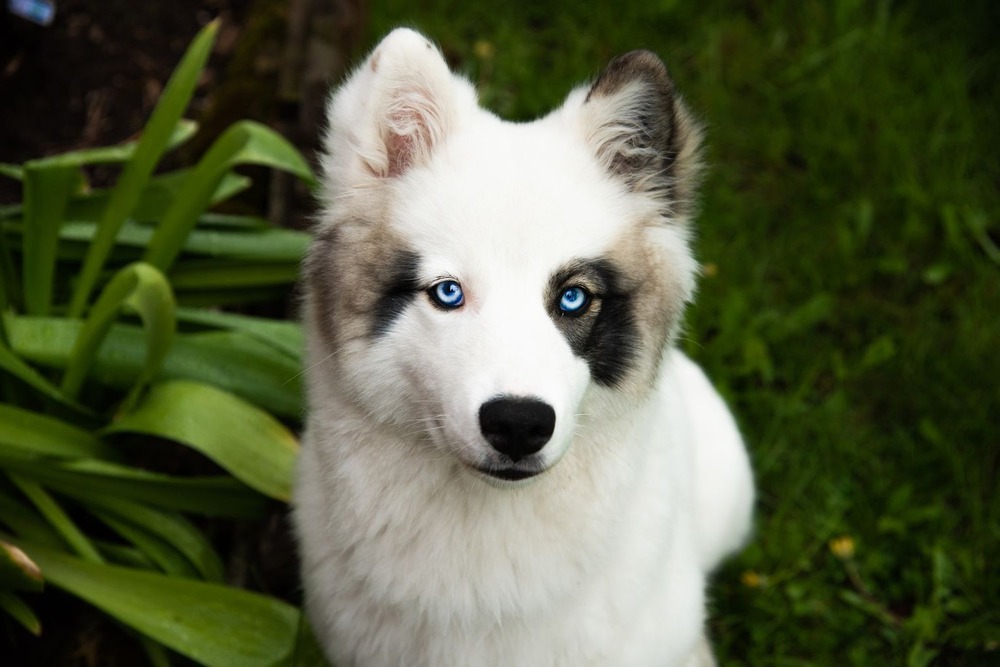
- Type: Nordic spitz, historically used for sledding, hunting, and herding
- Origin: Yakutia (Sakha Republic), Russia
- Size: Medium, typically about 53 to 59 cm at the withers (females generally smaller)1, 2
- Coat: Thick double coat, seasonal shedding expected2, 3
- Temperament: Commonly described as friendly, lively, and sociable with people when well socialised1, 2
- Energy: High, benefits from daily exercise and mental work2, 4
Heritage and what it still means at home

The Yakutian Laika is closely tied to the peoples of north-eastern Russia, where dogs had to be useful, steady, and resilient in harsh conditions. Over time, that shaped a breed that could pull, travel, and work alongside humans for long stretches, not in short bursts.1, 3
In a modern Australian household, those same qualities often show up as stamina and persistence. Many Yakutian Laikas enjoy routine, shared activity, and being included in daily life. They are typically not a “potter in the backyard” breed. If their world is small and repetitive, they may find their own outlets, which can include digging, chewing, or vocalising.
It is also worth knowing that kennel club recognition and standards can differ by organisation. The Fédération Cynologique Internationale (FCI) standard is a widely used reference point for size, structure, and typical characteristics.1
Temperament, sociability, and family fit
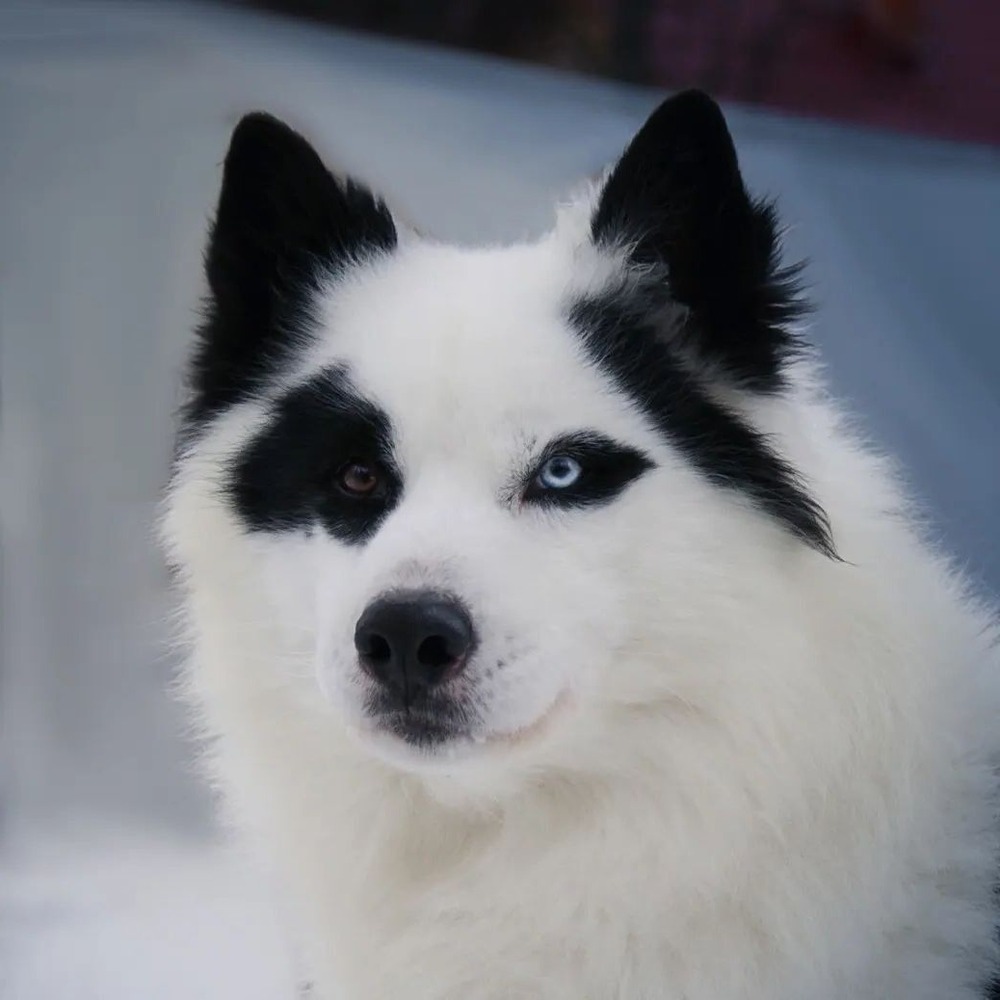
Well-bred, well-raised Yakutian Laikas are commonly described as friendly and people-focused, often enjoying interaction and company rather than preferring to keep to themselves.1, 2
That said, “friendly” is not the same as “easy”. Like many spitz-type working dogs, they can be independent-minded. They may pause, assess, and then decide whether what you asked makes sense, especially if the environment is more interesting than you are.
With children, the usual guidance applies: match play styles, supervise closely, and teach kids how to give the dog space. A Yakutian Laika that is getting enough exercise and rest is generally easier to live with than a dog that is overstimulated, under-exercised, or constantly interrupted.
If you have other pets, early introductions and thoughtful management matter. Some individuals have a stronger chase response than others, and it is wise to assume you will need training and boundaries around smaller animals until you know your dog well.4
Training that suits a working spitz dog
Yakutian Laikas are often quick to learn, but they tend to do best with training that feels fair and clear. Short sessions, consistent cues, and rewards that the dog truly values will usually get better results than long drills.
It can help to think in terms of teaching life skills rather than chasing perfection. Focus early on:
- Recall foundations (starting on lead, then long line, before any off-lead expectations)
- Loose-lead walking and calm greetings
- Settle skills (mat training, down-time, switching off)
- Comfort with grooming and handling, especially feet, ears, and brushing
If you are drawn to dog sports, this breed often enjoys activities that combine movement and thinking, such as canicross-style running (weather permitting), nosework, or structured pulling sports where legal and safe. The aim is not to “wear them out” once, but to build a week that includes regular, satisfying work.
Exercise and enrichment, what “high energy” looks like in practice
Breed descriptions often say “needs daily exercise”, which is true but vague. For a Yakutian Laika, exercise is usually most effective when it is varied: a brisk walk plus sniffing time, a training game, a short run in cool weather, a puzzle feeder, or a structured play session.
Many behaviour problems that look like stubbornness are really about unmet needs. A dog that has not had a chance to move, sniff, and think will often struggle to relax.
Because these dogs were developed for cold climates, you also need to exercise with the seasons in mind. In hot or humid Australian conditions, plan activity early and late, provide shade and water, and adjust expectations. Thick-coated dogs can be more vulnerable to overheating, and heatstroke is a genuine emergency.5, 6
Health considerations and sensible prevention
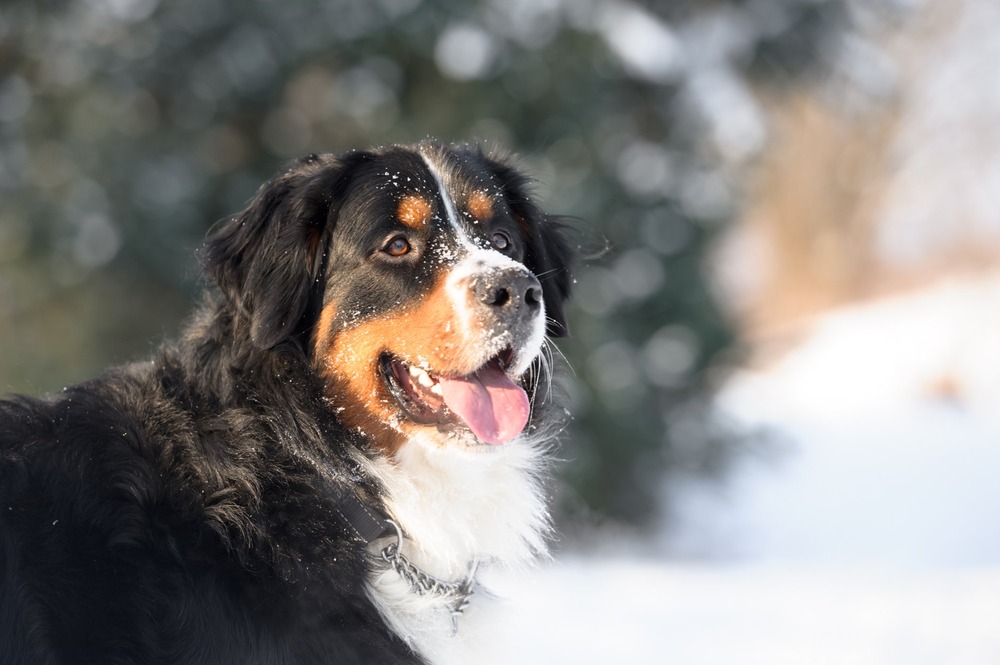
Any individual dog can be healthy or unhealthy regardless of breed, but responsible breeding still matters. For Yakutian Laikas, discussions commonly include orthopaedic issues such as hip dysplasia and some inherited eye conditions. The practical takeaway is to choose breeders who can show relevant screening and are open about what they test and why.4
Your day-to-day prevention list is familiar but important: appropriate body weight, regular veterinary care, parasite control, dental care, and enough exercise to keep joints and muscles in good working order.
If you are considering a puppy, ask what the parents have been screened for, and ask to see documentation. A good breeder expects these questions and will usually be pleased you are asking.
Coat care, shedding, and why shaving is rarely the answer
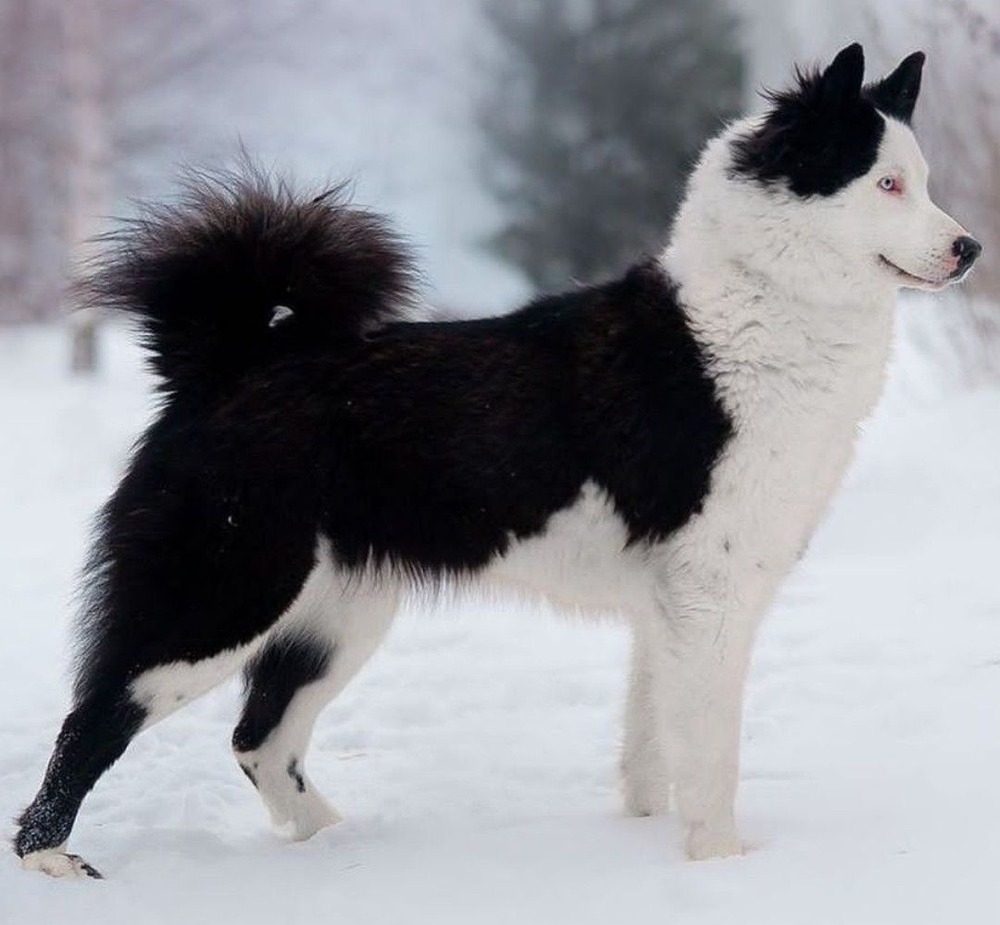
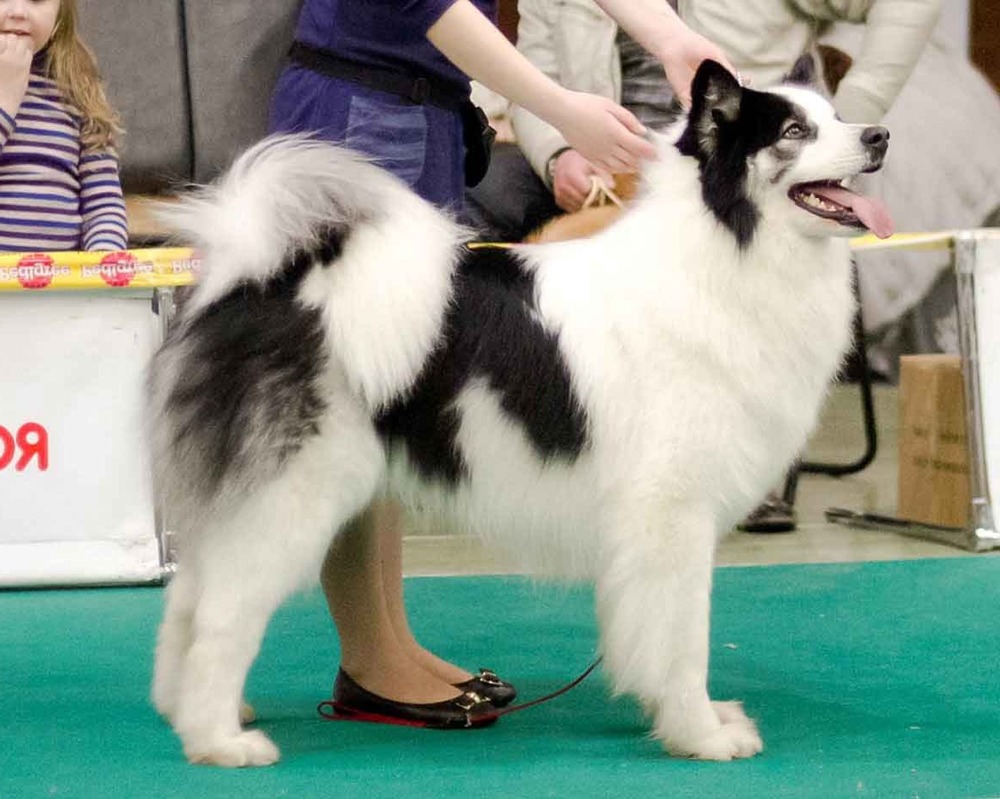
The Yakutian Laika has a dense double coat, which is part of what makes the breed so striking, and part of what makes grooming non-negotiable.1, 2
In a typical week, brushing once or twice may be enough for many dogs. During seasonal coat drops, it can become a daily job. A metal comb and an undercoat rake can help, but technique matters as much as tools. You are aiming to remove loose undercoat without scraping the skin.
Many owners assume shaving a double coat will keep a dog cooler. It can be more complicated than that. Some animal welfare guidance notes that double coats have insulating properties, and shaving can sometimes increase heat risk or affect coat regrowth. If heat is a concern, prioritise cool routines and shade over clipping, and discuss grooming choices with a trusted groomer or vet if you are unsure.6, 7
Feeding and keeping a working body in good condition
Yakutian Laikas tend to do best on a complete, balanced diet that matches their age and activity. As with any energetic, athletic breed, you are feeding for lean muscle, steady energy, and joint support, not for maximum growth or weight gain.
Two smaller meals a day suits many dogs, and it can be a useful habit if your dog gulps food or gets an unsettled stomach. If you are changing foods, do it gradually to reduce digestive upset.
Be cautious with advice that is presented as “traditional” or “ancestral” feeding. What matters most is evidence-based balance and the individual dog’s condition. If you want to feed raw or home-prepared, it is worth seeking qualified nutrition guidance to avoid common deficiencies.
Living with a Yakutian Laika in Australia
This is a breed that often thrives with people who enjoy being outdoors, training a little most days, and building a routine that includes the dog rather than fitting the dog into leftover time.
Before committing, it is worth asking yourself a few calm questions:
- Can I provide daily exercise even in summer, safely and consistently?
- Am I comfortable with seasonal shedding and regular brushing?
- Do I have time for training that focuses on recall, calm, and real-world manners?
- Will this dog have company, structure, and enough to do?
If the answers lean yes, the Yakutian Laika can be a deeply satisfying companion, particularly for people who appreciate a dog with working-dog substance and a social nature.
References
- Fédération Cynologique Internationale (FCI): Yakutian Laika (No. 365)
- Dogs Victoria: Yakutian Laika (breed information)
- Dogs NSW: Yakutian Laika (breed information)
- The Spruce Pets: Yakutian Laika breed profile
- The Kennel Club (UK): Heatstroke in dogs
- RSPCA Australia: Caring for animals over summer
- RSPCA Australia: Keeping your pet safe during the heat
- American Kennel Club (AKC): Foundation Stock Service news and updates (includes Yakutian Laika)
- National Breed Club (Yakutskaya Laika): FCI breed standard with comments