

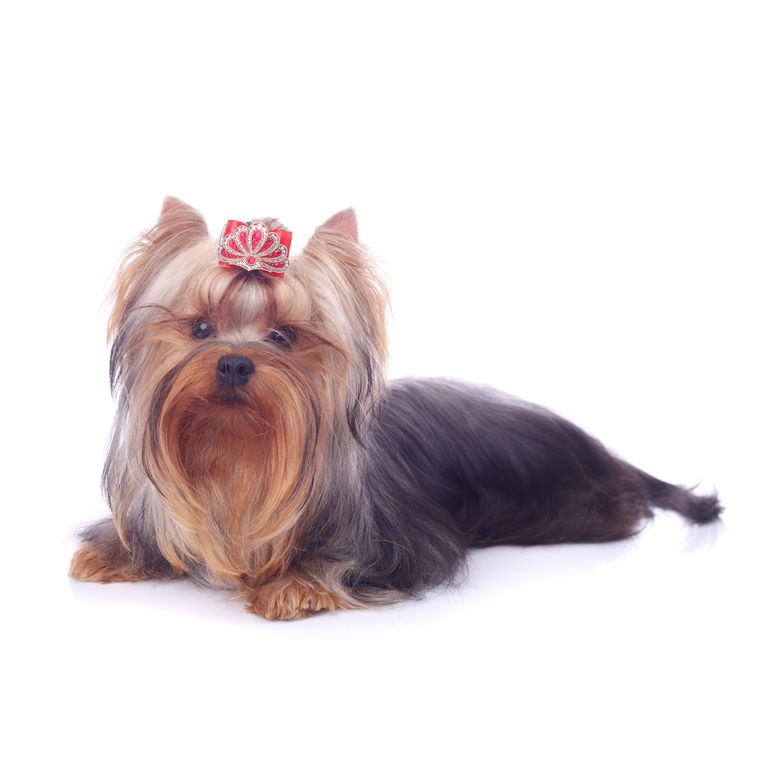
Most people meet a Yorkshire Terrier in the same way, not through a breed book, but through a moment. A tiny dog in a jumper at the cafe that still manages to hold the whole footpath. A silky coat on someone’s lap at a friend’s place, then a surprising burst of barking at the front gate. It can be hard to square that small size with such a strong presence.
Yorkies are often described as “little companions”, and they are, but they are also terriers. That matters in day-to-day life because terrier traits show up in ordinary situations: how quickly they notice movement, how readily they use their voice, and how much they value being close to their people. If you expect a quiet ornament of a dog, you can end up frustrated. If you expect a bold small dog with opinions, things tend to make more sense.
They can fit beautifully into apartment living and busy routines, but they do best when their grooming, training, and health care are treated as normal maintenance, not an occasional project. The details are where Yorkies stay comfortable.
At a glance: Yorkshire Terrier essentials
- Group: Toy
- Typical size: Small, usually up to about 3.2 kg in many breed standards
- Coat: Long, fine, silky, continuously growing hair
- Colours: Blue and tan (adult coat develops with maturity)
- Energy and exercise: Moderate daily activity, plus mental enrichment
- Grooming: High, especially for long coats
- Common health concerns: Dental disease, patellar luxation, airway issues such as tracheal collapse
The Yorkshire Terrier’s background, and why it still shows
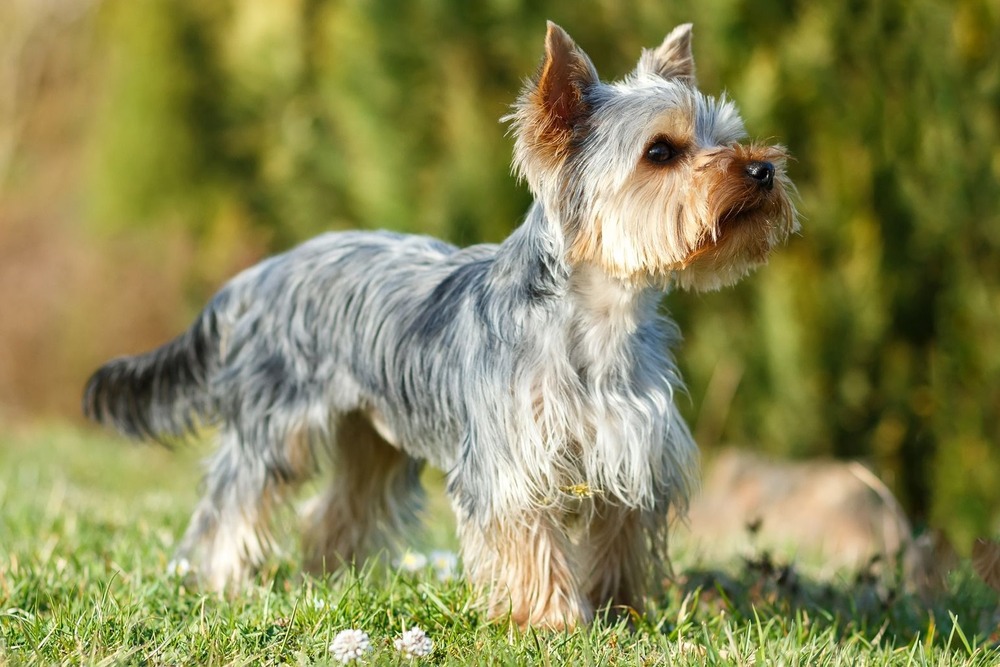
The Yorkshire Terrier developed in England, and the modern “toy” companion you see today still carries terrier foundations: alertness, persistence, and a quick response to movement and sound.1 Historically, small terriers were valued for vermin control, and that original purpose helps explain why many Yorkies remain enthusiastic about chasing, investigating, and sounding the alarm.
In practical terms, this means they often thrive with routines that respect their size without underestimating their drive. A Yorkie is small enough to be scooped up, but they still benefit from learning how to settle, share space politely, and cope with everyday noises without needing to comment on all of them.
The classic look is a long, straight coat that parts down the body and hangs evenly. Breed standards also describe a confident, compact dog with a lively way of moving.1 For owners, the main takeaway is simple: the coat is beautiful, but it is a commitment, and it needs a plan.
Temperament and companionship in real homes
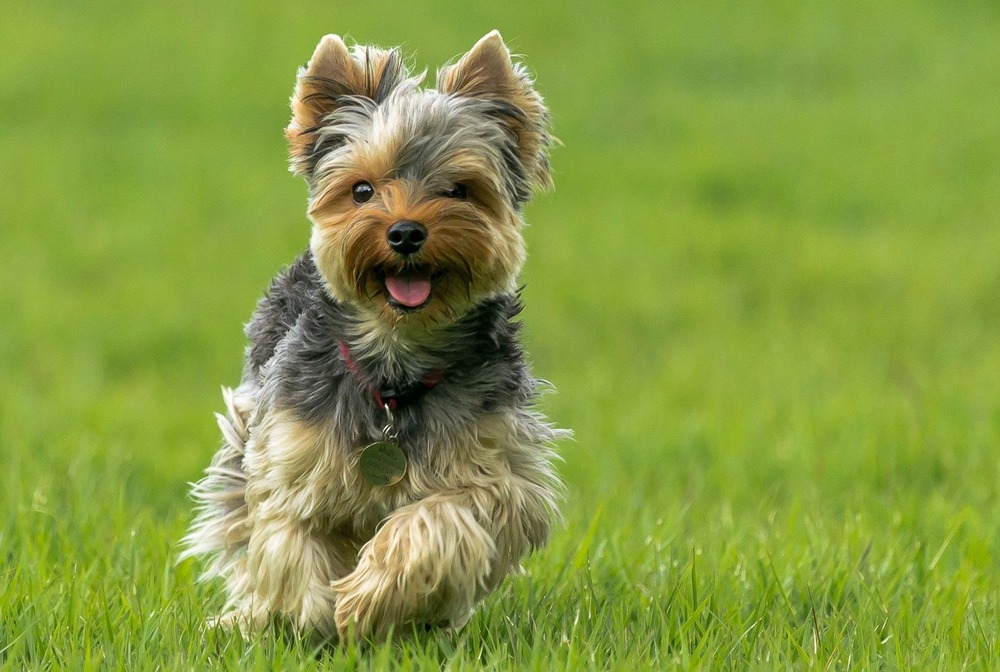
Yorkies are often at their best when they can be close to their people and involved in the rhythm of the household. Many are affectionate and enjoy lap time, but they can also be busy, vocal, and quick to react, particularly around doors, windows, and anything that feels like “their” space.2
If you live in an apartment or close to neighbours, it helps to treat barking as a normal behaviour that can be shaped, rather than a personality flaw. Reinforce quiet moments, manage what they can see through windows, and give them something else to do with their brain. A Yorkie with no outlet often invents one.
With children, the main issue is rarely aggression. It is usually size and handling. Yorkies can be injured by accidental rough play or falls, so calm supervision and teaching children how to pick up (or not pick up) small dogs matters more than “friendliness” scores.
With other pets, many Yorkies do well, especially when introductions are gradual and early experiences are positive. Their confidence can read as pushy, though, so it is worth watching for patterns like charging the other dog’s face, guarding laps, or escalating excitement in tight spaces.
Training and exercise that suits a small terrier
Yorkies tend to learn quickly, but they do not always agree immediately. The most reliable approach is short, frequent sessions with rewards that actually matter to your dog, usually food, play, or access to what they want. Consistency beats intensity.
Exercise needs are often described as moderate, but the better way to think about it is “daily movement plus daily novelty”. A couple of short walks can be enough for the body, while sniffing games, brief training, and puzzle feeders help with the mind.
Some practical activities that suit many Yorkies include:
- Loose-lead walking in short blocks, with time to sniff
- Gentle tug and fetch indoors (on non-slip flooring)
- Scatter feeding in grass or on a snuffle mat
- Simple tricks like spin, touch, and settle on a mat
If your Yorkie is reactive or easily overstimulated, you may get further by lowering the overall “volume” of the day, then gradually building resilience, rather than trying to tire them out. Over-arousal can look like endless energy, but it is often a dog who does not yet know how to come down.
Health and lifespan: what to watch for

Many Yorkshire Terriers live well into their teens, and good routine care makes a noticeable difference. Three areas tend to come up often in small breeds: teeth, knees, and airways.
Dental disease is common in dogs, and small mouths can crowd teeth, which makes plaque control harder. Regular tooth brushing is one of the most practical protective habits an owner can build, along with veterinary dental checks when recommended.3, 4
Patellar luxation (kneecap slipping out of place) is also commonly seen in small dogs. It can show up as an intermittent skip or hop on a back leg, then a return to normal. Severity varies, and management can range from monitoring and physiotherapy to surgery, depending on the grade and impact on comfort.5
Tracheal collapse is another condition seen more often in toy and miniature breeds. A dry, honking cough, breathing effort, or worse symptoms during excitement and exercise can be clues. Weight management and veterinary assessment are important because several different issues can cause similar signs.6
If you want one simple, high-value habit: keep your Yorkie lean. Extra weight adds strain to joints, can worsen breathing problems, and makes everyday movement less comfortable.
Coat care and grooming routines

A Yorkie’s coat is hair rather than a typical shedding double coat, so many people notice less fur around the home. Still, low shedding is not the same as hypoallergenic. Allergy responses vary between individuals, and dander and saliva can still be triggers.7
If you keep the coat long, daily brushing is not an overstatement. Fine hair mats easily behind the ears, under the collar, in the armpits, and around the legs. A short “puppy clip” can be a kind choice for many households because it reduces tangles and makes it easier to keep the dog comfortable, especially if they dislike being groomed.
Grooming is also where you can quietly monitor health. While brushing, notice skin condition, lumps, sore spots, ear odour, and whether your dog seems uncomfortable when you touch certain areas. If they do, it is information worth taking to your vet or groomer.
For general grooming guidance, including choosing appropriate brushes and keeping the experience comfortable, reputable animal welfare organisations recommend adjusting tools and pressure to suit the individual dog and watching their responses closely.8
Feeding and nutrition: keeping it simple, and safe
Yorkies do well on a complete, balanced diet suited to small breeds. Because they are small, tiny changes in treats can have a big effect on daily calories. For many dogs, it helps to measure meals, use part of the daily ration for training, and keep treats genuinely small.
Two practical nutrition points are worth keeping in mind:
- Choose a diet that meets recognised standards for complete and balanced nutrition, and ask your vet if you are unsure, especially for puppies.
- Avoid risky human foods. Grapes and raisins, chocolate, onions and related plants (including powders), and some other common ingredients can be dangerous for dogs.9, 10
If your Yorkie is a picky eater, it is often tempting to “improve” meals with lots of extras. Sometimes that works, but it can also create a pattern where the dog learns to wait for something better. If appetite changes are sudden or persistent, treat it as a health question first, not a training problem.
Famous Yorkshire Terriers, and what their stories leave out
Yorkies show up in popular culture partly because the contrast is so appealing: a very small dog with a confident stance and a recognisable silhouette. There are also famous historical Yorkies, including Smoky, a World War II era dog widely written about for boosting morale and accompanying her handler in challenging conditions.11
These stories are enjoyable, but they can also give a misleading impression that Yorkies are automatically “easy”. The dogs that cope well with travel, noise, cameras, and crowds are usually the ones who have been carefully prepared for it, and whose stress is managed thoughtfully. In ordinary homes, the same principle applies on a smaller scale.
Living well with a Yorkie
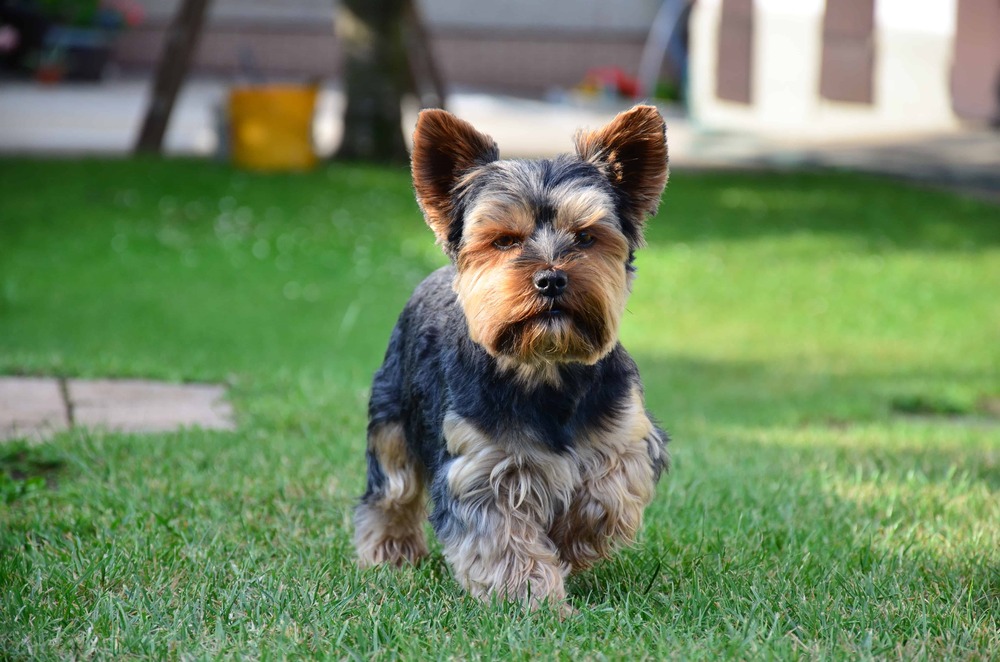
A Yorkshire Terrier can be a deeply satisfying companion for the right household, not because they are universally low-maintenance, but because they are responsive. When you meet their needs for grooming, predictable training, and gentle structure, they often give you an engaged little dog who wants to be part of life.
If you are considering the breed, try to spend time with a few adults, not just puppies. Notice the coat work, the sound level, and the way the dog handles visitors and routine noise. That is where the real match becomes clear.
References
- The Kennel Club (UK): Yorkshire Terrier breed standard
- PetMD: Yorkshire Terrier
- RSPCA Australia Knowledgebase: How do I care for my pet’s teeth?
- American Veterinary Medical Association (AVMA): Pet dental care
- Merck Veterinary Manual: Patellar luxation in dogs and cats
- MSD Veterinary Manual (Pet Owner): Tracheal collapse in dogs
- The Ohio State University Veterinary Medical Center: Pet allergy information
- RSPCA Pet Insurance: Guide to dog cleaning and grooming
- Agriculture Victoria: Human foods to avoid for cats and dogs
- RSPCA Australia: Household dangers to your pet
- The National WWII Museum: Smoky the Yorkshire Terrier